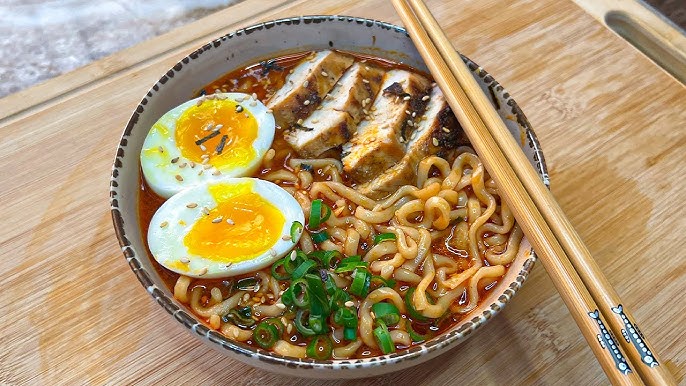
Authentic Ramen Recipe: Ramen isn’t just a bowl of soup—it’s a cultural experience. A true traditional ramen dish consists of four key elements: the broth, the noodles, the tare (seasoning), and the toppings. What makes it special is the depth of flavor, the hours of preparation, and the balance between umami, saltiness, sweetness, and richness. Traditional ramen varies across regions in Japan—from the creamy, pork-based tonkotsu ramen of Fukuoka to the clear, soy sauce-infused shoyu ramen of Tokyo.
At its heart, ramen is comfort food. But not the “open-a-packet-and-boil” kind—authentic ramen is about patience, skill, and passion. Every bowl tells a story, often starting from scratch with bones boiling on the stove for hours to extract every ounce of flavor. If you’ve only ever had instant ramen, get ready to be blown away by the real thing.
The Origins of Ramen in Japanese Culture
While many think ramen is a purely Japanese creation, it actually has roots in Chinese cuisine. The word “ramen” is derived from the Chinese words “la” (pull) and “mian” (noodle), referring to hand-pulled noodles. It was introduced to Japan in the late 19th century by Chinese immigrants and quickly adapted into Japanese food culture.
Post-WWII, ramen gained massive popularity as a quick, hearty meal for the working class. Over time, different regions in Japan developed their own unique ramen styles, turning it into a culinary art. Today, ramen shops—or “ramen-ya”—are everywhere in Japan, each proudly boasting their secret recipes.
Ramen has become more than just food in Japan—it’s a phenomenon. There are TV shows, magazines, and entire YouTube channels dedicated to reviewing and analyzing ramen. That obsession has spread worldwide, and now it’s your turn to create this magic at home.
Why Make Ramen at Home?
Sure, you can buy a bowl of ramen from a restaurant or even grab a pack from the grocery store, but making it at home is a game-changer. Why? Because you control every element. Want a richer broth? Add more bones. Prefer it spicy? Toss in chili oil. Going meatless? Make a veggie miso version.
Home-cooked ramen allows you to create a dish tailored to your taste. Plus, the process itself is incredibly rewarding. From slow-simmering broth to crafting the perfect soft-boiled egg, every step brings you closer to that authentic Japanese flavor.
You also get better quality and freshness when you make ramen from scratch. No preservatives, no MSG (unless you want it), and no mystery meat—just real ingredients, real flavors, and real satisfaction.
List of Ingredients You’ll Need
Ramen Broth Ingredients
The soul of ramen lies in the broth. This is what gives each bowl its distinct flavor and personality. Depending on the type of ramen you want to make, your ingredients may vary, but here’s a general list for a basic Tonkotsu (pork bone) broth:
- 2 lbs pork bones (neck bones or femur bones work well)
- 1 lb chicken carcass or wings (adds a deeper umami)
- 1 onion, halved
- 1 head of garlic, smashed
- 1 piece of ginger (about 3 inches), sliced
- 2 scallions
- Water (enough to cover everything in your stockpot)
- Optional: dried shiitake mushrooms, kombu (for extra umami)
For a Shoyu (soy sauce) broth, add:
- 1/2 cup soy sauce
- 1/4 cup mirin
- 1 tbsp sake
- Optional: bonito flakes
For Miso ramen, you’ll need:
- 3 tablespoons red miso paste
- 1 tbsp sesame oil
- 1 tsp sugar
- Garlic and ginger paste
The longer the broth simmers, the richer and deeper the flavor becomes. Don’t rush this step—your taste buds will thank you.
Noodles and Toppings
Let’s talk about noodles. Authentic ramen uses alkaline noodles, which have a firm, chewy texture. You can find them at most Asian grocery stores or make them at home using flour, water, and kansui (alkaline water).
Basic toppings include:
- Soft-boiled eggs (ajitsuke tamago)
- Sliced chashu pork (braised belly)
- Nori (seaweed)
- Menma (fermented bamboo shoots)
- Scallions, chopped
- Corn, bean sprouts, or bok choy (for texture and color)
Toppings give your ramen personality. Feel free to mix and match based on your mood.
Special Optional Add-ons
Want to level up your ramen game? Here are some chef-style extras:
- Chili oil or Rayu for a spicy kick
- Black garlic oil (mayu) for deep umami
- Fish cakes (Narutomaki)
- Pickled ginger or kimchi
- Yuzu peel for citrus aroma
These are optional, but adding them can turn a good bowl into a legendary one.
Step-by-Step Guide to Making Ramen
Step 1 – Preparing the Broth (Tonkotsu, Shoyu, or Miso)
This is where the magic begins. Start by blanching your pork bones and chicken carcass in boiling water for 10 minutes. This step helps remove impurities that can cloud your broth. Rinse the bones clean under cold water.
In a clean stockpot, add the bones back in along with garlic, ginger, onions, and scallions. Fill with water until everything is submerged. Bring it to a boil, then lower the heat to a gentle simmer. Let it simmer for 12–18 hours for a rich Tonkotsu broth. Yes, it’s long—but worth it.
For Shoyu broth, after simmering the base stock for 6–8 hours, add your soy sauce, mirin, and sake towards the end and let it simmer another 30 minutes.
For Miso broth, sauté garlic and ginger in sesame oil, add miso paste, and combine it with your base stock. Simmer gently without boiling to preserve miso’s complex flavors.
Strain the broth through a fine mesh sieve and keep it warm. This liquid gold is your ramen’s backbone.
Step 2 – Cooking the Ramen Noodles
If the broth is the soul of ramen, then the noodles are its body. They hold everything together and bring that chewy texture that keeps you slurping until the last bite. When it comes to cooking ramen noodles, timing is everything—overcooked noodles turn mushy and ruin the experience.
Start with fresh ramen noodles if you can get them. These are usually found in the refrigerated section of Asian supermarkets. If you’re feeling adventurous, you can make your own using all-purpose flour, water, and kansui (alkaline water) to get that authentic bounce and yellowish hue.
Cooking Instructions:
- Bring a large pot of water to a rolling boil. Never cook ramen noodles in the broth itself—it makes the broth starchy and cloudy.
- Add the noodles and stir gently to prevent sticking.
- Cook according to package instructions or homemade timing, which is usually around 2–3 minutes for fresh noodles. Taste test often.
- Drain immediately and rinse quickly under hot water to stop the cooking process. Never rinse with cold water unless you’re making chilled ramen.
If you’re using dried noodles, they work in a pinch but don’t expect the same level of authenticity. Instant noodles? We’ll allow it—if you’re desperate.
Pro Tips:
- Cook noodles in batches if making multiple bowls. Never overcrowd the pot.
- Always serve noodles immediately after cooking to preserve texture.
- Lightly oil them if you must set them aside for a few minutes.
A bowl of ramen is only as good as the noodles inside it. Get this step right, and you’re already halfway to a perfect dish.
Step 3 – Preparing Toppings (Chashu, Egg, Nori, etc.)
This is where you can really personalize your ramen. The toppings don’t just add flavor—they add texture, color, and visual appeal that elevate your bowl to something restaurant-worthy.
Chashu Pork (Braised Pork Belly)
Making authentic chashu takes time, but the melt-in-your-mouth reward is totally worth it.
You’ll need:
- 1 lb pork belly (rolled and tied)
- 1/2 cup soy sauce
- 1/2 cup mirin
- 1/2 cup sake
- 1/2 cup water
- 1/4 cup sugar
- Garlic, ginger, green onions
Steps:
- Sear the pork belly on all sides to lock in flavor.
- Combine all the other ingredients in a pot and bring to a simmer.
- Add the pork belly and simmer for 1.5 to 2 hours, turning occasionally.
- Let it cool in the liquid, then slice thinly when ready to serve.
Save the leftover braising liquid—it makes a great tare or marinade for your ramen egg.
Ajitsuke Tamago (Marinated Soft-Boiled Egg)
These umami-packed eggs are essential in any bowl of ramen.
How to make them:
- Boil eggs for exactly 6 minutes and 30 seconds for a soft yolk.
- Cool immediately in ice water and peel carefully.
- Marinate in a mixture of soy sauce, mirin, and a splash of water for at least 4 hours, preferably overnight.
When you slice them open and see that golden, jammy yolk—you’ll know you’ve nailed it.
Other Must-Have Toppings:
- Nori: Adds a crisp, oceanic flavor.
- Scallions: Brings brightness and crunch.
- Menma: Fermented bamboo shoots for texture.
- Bean Sprouts: A crisp contrast to the rich broth.
- Corn or Butter: Great for miso ramen.
Toppings are your playground. Want to go crazy with spicy kimchi or charred mushrooms? Do it. Make it yours.
Step 4 – Assembling the Ramen Bowl
Now comes the part where all your hard work comes together—assembly. This step is all about balance, timing, and presentation. A great bowl of ramen is not just delicious; it should also look beautiful and feel cohesive.
Step-by-Step Assembly:
- Warm your bowl. This small step ensures your broth stays hot longer. You can do this by filling the bowl with boiling water for a few minutes and discarding it before serving.
- Add the tare (seasoning base) at the bottom of the bowl. This might be soy sauce, miso paste mix, or any other flavor concentrate.
- Pour in the hot broth. About two ladles or enough to nearly fill the bowl.
- Add your noodles. Use chopsticks or tongs to place them in neatly, giving them a gentle swirl.
- Arrange the toppings artistically. Lay your chashu pork, ramen egg, nori sheet, and vegetables like you’re plating a masterpiece.
- Add finishing touches like chili oil, sesame seeds, or scallions.
The idea is to serve the ramen immediately after assembly so the noodles don’t sit in the broth too long. The first slurp should be hot, rich, and full of complex flavors.
Step 5 – Final Touches and Serving Tips
Congratulations, chef! You’ve made it this far and your kitchen probably smells incredible. But don’t rush the final moment—there are a few finishing touches that can take your ramen from great to unforgettable.
Final Touches:
- Add aromatic oils like sesame oil, chili oil, or black garlic oil for a flavor boost.
- Top with sesame seeds or crushed roasted peanuts for texture.
- Grate a touch of fresh garlic or ginger for a sharp kick.
- Drop in a dollop of miso butter for richness in miso ramen.
Serving Tips:
- Serve with ramen spoons and chopsticks for authenticity.
- Offer extra condiments on the side: chili paste, soy sauce, pickled ginger.
- Pair with a cold beer, iced green tea, or sake to balance the warmth of the ramen.
- Encourage your guests to slurp—it’s not rude, it’s a compliment in Japanese culture!
You didn’t just make a bowl of soup—you created a piece of culinary art. Savor every bite.
Tips for the Perfect Homemade Ramen
Broth Cooking Time and Patience
If there’s one thing that separates a mediocre bowl of ramen from an unforgettable one, it’s the broth. And when it comes to broth, time is the secret ingredient. Authentic ramen broth, especially tonkotsu, is not something you can rush. It takes hours—sometimes even a full day—to extract the deep, complex flavors from the bones and aromatics.
You might be tempted to turn up the heat to speed things along, but that’s a mistake. Boiling the broth too aggressively will cause emulsification to break and cloudiness that isn’t appetizing. You want a steady, rolling simmer—not a raging boil.
Here’s how to perfect your broth game:
- Skim regularly: As the broth simmers, impurities and fat rise to the top. Skim these off to keep your broth clear and clean-tasting.
- Layer flavors: Don’t dump all your ingredients in at once. Start with bones and basic aromatics, then add soy sauce, mirin, or miso after a few hours to build complexity.
- Taste as you go: Your broth evolves over time. Adjust seasoning, salt, and umami levels throughout the cooking process.
- Strain gently: Use a fine-mesh sieve to remove solids. Don’t press or squeeze, which can add bitterness.
Trust the process. Broth is the foundation of your ramen—and the better the base, the better everything else will taste.
How to Choose the Right Noodles
Noodles aren’t just fillers—they’re co-stars. They soak up the broth, complement the toppings, and provide the chew that makes ramen so satisfying. But all noodles are not created equal. Choosing the right kind makes all the difference.
Here’s what to look for:
- Wheat-based alkaline noodles (chūkamen): These are the real deal. They’re made with flour, water, and kansui (alkaline water), which gives them their signature chew and yellow hue.
- Fresh over dried: Fresh noodles have better texture and elasticity. You can usually find them at Japanese or Asian grocery stores.
- Curly vs. straight: Curly noodles are great for lighter broths like shio or shoyu, while straight noodles pair well with thick, rich tonkotsu or miso broth.
Making Your Own Noodles:
Want to go full authentic? Make your own using:
- 2 cups all-purpose flour
- 1/2 tsp baking soda
- 1/2 tsp salt
- 3/4 cup water
Mix, knead, roll thin, and cut into your desired shape. Let them rest before cooking.
Pro Tips:
- Cook noodles last, just before serving.
- Always boil in plain water, not the broth.
- Rinse lightly after cooking to prevent clumping (unless serving cold).
Getting your noodle choice right is like picking the perfect pasta for a great Italian dish—it makes all the difference.
Making the Perfect Ajitsuke Tamago (Marinated Egg)
The soft-boiled, marinated egg—known as ajitsuke tamago or ramen egg—might look simple, but when done right, it’s an absolute flavor bomb. That creamy yolk and savory-sweet umami marinade? It’s one of the most memorable bites in any bowl of ramen.
Here’s how to nail it:
Boiling the Egg:
- Bring a pot of water to a boil.
- Gently lower in your eggs (6–8 minutes for that gooey center).
- Immediately transfer to an ice bath to stop cooking.
- Peel carefully under running water to avoid tearing.
Marinade Mix:
- 1/2 cup soy sauce
- 1/2 cup mirin
- 1/4 cup sake (or water if you want it non-alcoholic)
- Optional: a teaspoon of sugar, garlic, or ginger for extra flavor.
Marinating:
- Place peeled eggs in a Ziploc or bowl with the marinade.
- Let them soak in the fridge for at least 4 hours—overnight is best.
- Rotate occasionally to ensure even coating.
Pro Tips:
- Use slightly older eggs—they peel more easily.
- Don’t over-marinate or the whites get too salty.
- Serve them halved with the yolk just barely set in the middle.
Once you cut into one and see that shiny, golden yolk? You’ll know you’ve just added something magical to your bowl.
Common Mistakes to Avoid
Rushing the Broth
In your eagerness to dig in, you might think, “Eh, a few hours is enough.” It’s not. Broth is the heart of ramen, and taking shortcuts here will cost you in flavor. If you’re not willing to simmer for at least 8–10 hours, consider making a different dish. For a rich tonkotsu, 12–18 hours is ideal.
Also, don’t forget the blanch and rinse step for your bones. This removes blood and impurities, resulting in a clean, flavorful base. If you skip this, your broth may taste muddy or overly gamey.
Overcooking the Noodles
One of the easiest ways to ruin ramen is by leaving your noodles in the broth too long. Even 30 extra seconds can turn that chewy bite into mush. Remember, noodles continue to cook in hot broth—even after you serve the bowl.
Always boil noodles separately, time them precisely, and serve immediately. If you need to wait before serving, toss them with a little sesame oil to prevent sticking and overcooking.
Skipping Key Flavors or Toppings
Ramen isn’t just about broth and noodles—it’s a symphony of ingredients that work together. Leaving out the tare, ignoring toppings, or skipping the egg means your ramen will feel incomplete.
Every component plays a role:
- Tare adds that punch of umami.
- Eggs and chashu add richness and protein.
- Scallions and nori add contrast and freshness.
So don’t get lazy in the final stages. Ramen rewards attention to detail.
Different Ramen Styles You Can Try
Ramen isn’t a one-style-fits-all dish. In fact, the beauty of ramen lies in its diversity. Each style has its own broth base, flavor profile, and toppings. Once you master the basic process, you can experiment with these regional favorites.
Shio (Salt-Based) Ramen
Shio, meaning “salt,” is the lightest and oldest ramen style. The broth is usually clear, delicate, and often chicken- or seafood-based.
Flavor Profile:
- Clean, subtle
- Often seasoned with sea salt, kombu, and dried seafood
Toppings:
- Chashu, green onions, bamboo shoots, narutomaki (fish cake)
Best for: Beginners and those who prefer a lighter flavor.
Miso (Fermented Soybean Paste) Ramen
This Hokkaido specialty is hearty, savory, and slightly sweet thanks to the use of miso paste.
Flavor Profile:
- Deep, nutty, umami-rich
- Often combined with garlic, ginger, sesame oil
Toppings:
- Corn, butter, bean sprouts, ground pork
Best for: Cold weather comfort food cravings.
Tonkotsu (Pork Bone) Ramen
Creamy, cloudy, and rich—this Fukuoka-style ramen is the king of indulgence. Made by simmering pork bones for hours until the marrow breaks down.
Flavor Profile:
- Fatty, gelatinous, savory
- Can be overpowering for some but heavenly for others
Toppings:
- Chashu, egg, garlic oil, black mushrooms
Best for: Meat lovers and umami chasers.
Shoyu (Soy Sauce-Based) Ramen
One of the most common styles in Japan, shoyu ramen is all about balance. The clear brown broth is flavored with soy sauce, giving it a savory but light finish.
Flavor Profile:
- Salty, slightly sweet
- Versatile and easy to customize
Toppings:
- Boiled egg, bamboo shoots, scallions, spinach
Best for: Everyday ramen enjoyment.
Nutritional Breakdown of Ramen
Calories per Bowl
Let’s talk numbers. While ramen is often seen as a guilty pleasure, understanding its nutritional content can help you make smarter choices without sacrificing flavor. The number of calories in a bowl of ramen can vary significantly based on ingredients, broth type, and toppings.
Here’s a general breakdown of a standard homemade ramen bowl (Tonkotsu style):
| Component | Estimated Calories |
|---|---|
| Broth (2 cups) | 200–400 |
| Noodles (6 oz) | 180–250 |
| Chashu Pork (2 slices) | 150–200 |
| Ramen Egg (1) | 70–90 |
| Toppings (nori, scallions, etc.) | 20–50 |
| Oils/Condiments | 50–100 |
Total: Anywhere from 600 to 1,000+ calories depending on richness, portions, and added fats.
Of course, lighter versions like Shio or Shoyu ramen are closer to 500–600 calories, while Tonkotsu can hit the upper end due to its fatty broth.
Protein, Fats, and Carbohydrates
Breaking down the macros:
- Protein: Comes primarily from the pork and egg. Expect about 25–35 grams per serving.
- Carbohydrates: The noodles are your main source. You’ll get about 40–60 grams per bowl.
- Fat: This varies drastically depending on your broth and toppings. Tonkotsu can deliver 30–40 grams of fat easily.
Ramen is not a low-fat meal—but it’s high in satisfaction and flavor. If you’re concerned about nutrition, moderation and customization are key.
Healthy Substitutes
Love ramen but watching your diet? You can make healthier swaps without compromising too much on flavor:
- Use leaner proteins like chicken breast or tofu.
- Replace noodles with zoodles (zucchini noodles), shirataki noodles, or whole wheat varieties.
- Opt for miso or shio broth over tonkotsu to reduce fat.
- Load up on veggies like bok choy, spinach, mushrooms, and bean sprouts.
- Use less tare or seasoning to cut back on sodium.
Homemade ramen lets you control everything—so why not make a version that loves your body back?
Homemade vs. Instant Ramen – What’s the Difference?
We’ve all had instant ramen. It’s quick, cheap, and comforting in a pinch. But let’s be honest—comparing it to homemade ramen is like comparing a fast-food burger to a gourmet one. They may share the name, but the similarities stop there.
Flavor Depth
- Instant ramen is built on flavor packets—typically high in MSG, salt, and artificial flavors. It’s one-dimensional, designed for speed.
- Homemade ramen, on the other hand, is all about building layers of flavor through hours of simmering, seasoning, and tasting. Every spoonful tells a story.
Ingredients Quality
With instant ramen, you often get:
- Preservatives
- Cheap powdered broth
- Dehydrated vegetables
With homemade:
- Fresh bones, veggies, herbs
- Real meat and eggs
- Customizable everything
The difference is night and day. One is survival food, the other is soul food.
Time and Effort
This is where instant wins:
- 5 minutes vs. 5+ hours
But here’s the thing—homemade ramen is a project, not just a meal. It’s something you do for the love of it. It’s cooking therapy, kitchen alchemy, and personal expression rolled into one delicious bowl.
And once you taste real ramen? Instant won’t ever be enough again.
Ramen for Vegans and Vegetarians
Good news: ramen can absolutely be vegan and still be delicious. In fact, some of the most flavorful bowls come without a drop of meat.
Vegan Broth Options
Skip the bones and use these plant-based ingredients to build deep, umami flavor:
- Miso paste: The heart of many vegan broths.
- Kombu (dried kelp): Adds ocean-like umami.
- Dried shiitake mushrooms: Deep, earthy richness.
- Onions, garlic, carrots, leeks: The classic veggie base.
- Soy sauce, tamari, mirin, rice vinegar: For seasoning.
Simmer everything for at least an hour to extract maximum flavor. Strain and you’ve got a beautiful, clear vegan broth.
Tofu and Veggie Toppings
Replace chashu with:
- Grilled or fried tofu
- Seitan or tempeh
- Roasted mushrooms (shiitake, oyster, king trumpet)
- Charred corn, sautéed spinach, blanched bok choy
Don’t forget marinated ramen eggs can still work in vegetarian bowls—just not vegan ones. For a vegan alternative, try marinated soft tofu slices or avocado.
Noodle Alternatives
Most ramen noodles are egg-free, but always check the label. You can also use:
- Rice noodles
- Whole wheat noodles
- Soba (buckwheat) noodles
- Shirataki noodles for low-carb options
Vegan ramen doesn’t have to feel like a compromise. In fact, it might just surprise you with how bold and satisfying it can be.
Where to Buy Authentic Ramen Ingredients
Finding quality ingredients is half the battle. While some basics can be found at any grocery store, for true authenticity, you’ll want to explore Asian markets or shop online.
Asian Grocery Stores
Your best bet for all things ramen. Look for:
- Fresh or frozen ramen noodles
- Miso paste, kombu, bonito flakes
- Soy sauce, mirin, sake
- Menma, nori, dried mushrooms
Stores like H Mart, Mitsuwa, or 99 Ranch are gold mines.
Online Marketplaces
No Asian store nearby? No problem.
Check out:
- Amazon (for tare, miso, dried noodles)
- Umami Insider
- Yamibuy
- Japan Centre
Many of these sites even offer ramen kits to get you started quickly.
Specialty Japanese Retailers
For premium ingredients or rare finds, specialty stores or importers are ideal. Some even sell pre-made chashu or black garlic oil.
Pro Tip: Buy in bulk and store staples like miso paste and dried kombu—they last forever and open up tons of Japanese recipes.
Ramen Tools and Utensils You’ll Need
Making authentic ramen doesn’t require a full professional kitchen, but having the right tools makes everything smoother and more enjoyable. Think of these as your ramen-making sidekicks—ready to help you level up your culinary game.
Ramen Bowls and Spoons
Presentation matters. A good ramen bowl should be:
- Deep enough to hold broth, noodles, and toppings comfortably.
- Wide enough to allow artistic arrangement and easy slurping.
- Ceramic or porcelain to retain heat longer.
Pair your bowl with a traditional renge (Japanese ramen spoon) for sipping the broth without burning your hands.
Pro Tip: Pre-warm your bowls with hot water before serving to keep your ramen hotter longer.
Cooking Pots and Strainers
The broth is the heart of ramen, so you’ll want a large stockpot—at least 8 quarts—to handle long simmer times without evaporating too quickly.
- Fine mesh strainer: For removing solids and clarifying broth.
- Skimmer or ladle: To scoop out scum and impurities as the broth simmers.
- Soup ladles: For portioning broth neatly into bowls.
Don’t forget a medium saucepan for cooking tare, reducing marinades, or soft-boiling eggs.
Noodle Rolling Tools (Optional)
If you’re serious about making your own noodles from scratch, consider investing in:
- Pasta roller or noodle machine: For rolling dough thin and cutting evenly.
- Bench scraper and digital scale: To measure ingredients precisely and handle sticky dough.
- Kansui or baking soda: Essential for the noodles’ alkaline texture.
You can absolutely make ramen without fancy tools, but if this becomes your hobby, these gadgets will make your life easier (and your bowls better).
Storing and Reheating Leftover Ramen
So, you’ve gone through the effort of making incredible homemade ramen—and now you have leftovers. Good news: ramen stores and reheats surprisingly well when you keep the components separate.
Best Way to Store Broth and Noodles
- Broth: Cool to room temperature, then refrigerate in airtight containers. It’ll keep for up to 4–5 days or freeze for up to 3 months.
- Noodles: Rinse cooked noodles under cold water, toss lightly with sesame oil, and store in an airtight container for up to 2 days. Don’t mix them into the broth or they’ll turn mushy.
Label everything with dates so you know when to use them.
Reheating Without Losing Flavor
- Broth: Reheat gently on the stovetop over medium heat. If frozen, defrost in the fridge overnight or microwave on low until thawed.
- Noodles: Blanch in boiling water for 30 seconds to bring them back to life without overcooking.
- Toppings: Eggs and pork can be served cold, or you can warm them briefly in the broth.
Avoid microwaving the whole bowl—it turns everything soggy and uneven.
Freezing Tips
Broth freezes beautifully, but here’s how to do it right:
- Use freezer-safe containers or zip-top bags. Leave space for expansion.
- Portion in batches so you only thaw what you need.
- Label clearly: Trust me, frozen ramen broth looks a lot like frozen gravy.
Noodles don’t freeze well, so cook fresh when possible.
Ramen Pairings – What to Serve With Ramen
Ramen is a meal on its own, but pairing it with the right sides and drinks turns it into a true Japanese feast.
Side Dishes and Appetizers
- Gyoza (pan-fried dumplings): Crunchy outside, juicy inside—perfect with soy dipping sauce.
- Edamame: Light and salty, served chilled or warm.
- Seaweed Salad: Refreshing, slightly sweet, and packed with umami.
- Takoyaki: Crispy octopus balls topped with bonito flakes.
- Karaage: Japanese fried chicken with a citrusy ponzu dip.
These starters balance out your ramen and create a satisfying variety of textures and flavors.
Drinks That Go Well with Ramen
- Cold beer (Asahi, Sapporo, Kirin): Cleanses the palate and cuts through the richness.
- Green tea or iced matcha: Refreshing and non-alcoholic.
- Sake: Pairs well with lighter broths like shio or shoyu.
- Ramune (Japanese soda): For a fun, fizzy option.
If your ramen is spicy, a chilled drink will bring welcome relief.
Dessert Pairings
Finish strong with a light, sweet touch:
- Mochi ice cream: Chewy, cold, and not too sweet.
- Dorayaki: Pancakes filled with red bean paste.
- Matcha cake or cookies: Earthy and indulgent without overpowering.
Balance is everything in Japanese cuisine—even dessert.
FAQs about Authentic Ramen Recipe
Can I make ramen without pork?
Absolutely! You can use chicken bones, seafood, or go completely vegan with a kombu and shiitake mushroom broth. Swap chashu for tofu or grilled veggies for a delicious meat-free option.
How long does homemade ramen last?
- Broth: 4–5 days in the fridge, 2–3 months in the freezer.
- Noodles: Best fresh, but can be stored (cooked) for 1–2 days.
- Toppings: Eggs last 3 days in the marinade; chashu can last up to 5 days refrigerated.
Is ramen healthy or unhealthy?
Ramen can be both! Tonkotsu is rich and high in fat, while shio or miso ramen can be lighter. Homemade versions let you control sodium, fat, and portion sizes. Load up on veggies and use lean proteins for a balanced bowl.
What type of noodles should I use?
Go for fresh alkaline noodles if you can. Look for ones labeled “ramen” or “chūkamen.” In a pinch, use thin spaghetti with a bit of baking soda in the boiling water to mimic the texture.
Can I make ramen spicy?
Heck yes! Add chili oil (rayu), gochujang (Korean chili paste), or Sichuan peppercorns to the broth. Top with sliced jalapeños, chili flakes, or hot sauce to dial up the heat.
Final Thoughts
Making authentic ramen at home is a journey—one that combines passion, patience, and a little bit of culinary magic. It’s not fast food. It’s soul food. Every element, from the 12-hour broth to the perfectly marinated egg, speaks of effort and care.
But here’s the truth: you don’t need to be a professional chef to make ramen that rivals what you’d get in Tokyo. You just need the right guide (hey, that’s this one), a solid plan, and a love for food that brings people together.
So next time you crave something warm, savory, and soul-satisfying, skip the packet. Make it from scratch. Because nothing beats the pride of slurping a bowl of ramen you crafted with your own hands.