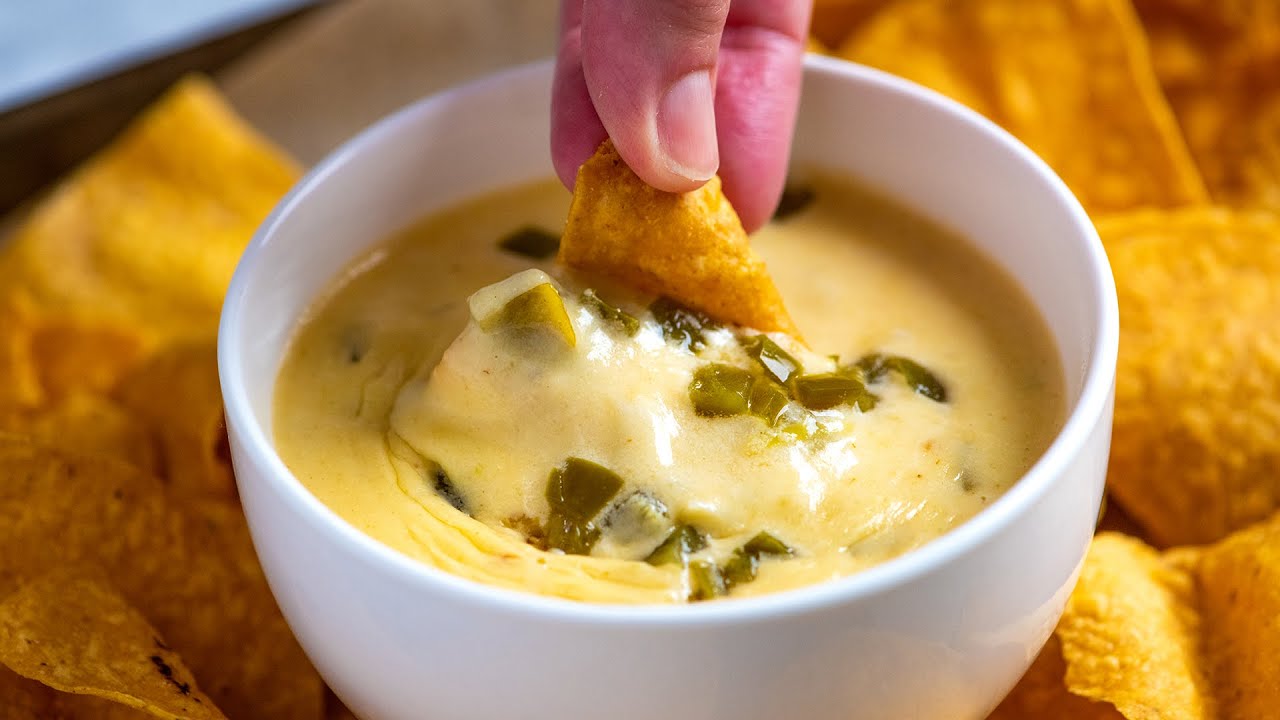
Authentic Queso Recipe: If you’ve ever dipped a tortilla chip into a bowl of gooey, golden deliciousness and thought, “This is heaven,” you’re probably familiar with queso. Queso, short for queso fundido or chile con queso, is a warm, creamy cheese dip that originated in Mexico and became a Tex-Mex favorite. Unlike regular cheese sauces, queso packs bold flavors, smooth texture, and that unmistakable spicy zing that makes it nearly impossible to stop scooping.
In its simplest form, queso is a blend of melted cheese and chiles, but depending on where you’re from—or how adventurous you’re feeling—it can include everything from sautéed onions and jalapeños to spicy sausage or even beer. The real magic of queso lies in its flexibility and bold flavor, making it a crowd-pleaser at any gathering.
The Origins of Queso
Queso has roots in Northern Mexican cuisine, where dishes like queso fundido—a melted cheese dish served with tortillas—have long been popular. But it wasn’t until the Tex-Mex boom in the Southern United States that queso evolved into the addictive dip we know today. The American version typically uses processed cheeses like Velveeta or American cheese for that ultra-smooth texture, blended with spicy tomatoes and green chiles.
Though purists may frown on processed cheese, it became popular for a reason—it melts like a dream and resists clumping. Still, there’s a way to achieve that perfect balance between authenticity and creaminess using real, flavorful cheeses and the right cooking techniques, which we’ll walk you through shortly.
Why Homemade Queso Beats Store-Bought Every Time
Let’s be honest—store-bought queso can be convenient, but it often tastes one-dimensional or artificial. The flavors just don’t pop the same way they do in a homemade batch. Making queso from scratch lets you control everything: the spice level, the richness, the texture, and the freshness of ingredients.
When you make queso at home, it becomes more than just a dip—it becomes an event. Whether it’s movie night, game day, or a casual taco Tuesday, serving up a bubbling bowl of fresh queso makes you the star of the show. Plus, you can whip it up in under 30 minutes, with ingredients you probably already have.
Ingredients You’ll Need
Essential Ingredients for Authentic Flavor
Creating that signature queso flavor starts with the right base. Here are the must-haves for a classic, authentic queso:
- Cheese: White American cheese is the traditional choice for a silky texture, but Monterey Jack or cheddar can add a punch of flavor.
- Milk or Half-and-Half: This adds creaminess and helps the cheese melt evenly.
- Diced Tomatoes with Green Chiles (like Ro-Tel): A staple in many Tex-Mex dishes.
- Jalapeños or Serrano Peppers: For that fresh heat.
- Onion and Garlic: Sautéed to deepen the flavor.
- Butter: Helps sauté veggies and add richness.
You can find most of these ingredients at your local grocery store, and they’re budget-friendly, too.
Optional Add-ins for Extra Kick
Want to take your queso to the next level? Try tossing in:
- Cooked Chorizo or Ground Beef: Adds heartiness and spice.
- Beer or Chicken Broth: For a deeper, more complex flavor.
- Cilantro or Green Onions: Sprinkle on top for freshness.
- Smoked Paprika or Cumin: For an extra layer of flavor.
These additions can transform your queso from a simple dip to the highlight of your meal.
Choosing the Right Cheese
Now let’s talk cheese—the heart of any good queso. Not all cheeses melt the same way, so picking the right kind matters. Processed cheese like American cheese melts smoothly and doesn’t separate. But if you prefer natural cheese, go with:
- Monterey Jack: Mild, melty, and buttery.
- Colby Jack: Slightly sweet with great meltability.
- Muenster or Mozzarella: Good for adding stringy texture.
- Sharp Cheddar: Adds tang but doesn’t melt as smoothly alone—mix with a melty cheese.
Pro tip: Always shred your own cheese. Pre-shredded varieties are coated with anti-caking agents that can ruin the creamy texture.
Kitchen Tools You’ll Need
Tools to Make the Process Easy
To whip up a silky-smooth queso, you don’t need fancy gear—just a few essentials:
- Medium Saucepan or Skillet: Non-stick or cast iron works best.
- Whisk or Wooden Spoon: For constant stirring.
- Cheese Grater: If you’re using block cheese.
- Cutting Board and Knife: For prepping veggies and add-ins.
- Measuring Cups and Spoons: Precision matters.
Keeping everything prepped and close by will save you time and frustration once the cheese starts melting.
Tips for Equipment Substitutions
Don’t have a whisk? A wooden spoon works fine. No cheese grater? Just chop the cheese into small cubes so it melts evenly. Cooking for a party? Use a slow cooker to keep your queso warm without burning it—just stir every so often.
Step-by-Step Cooking Instructions
Step 1: Prepare Your Ingredients
Before you even turn on the stove, take a few minutes to get all your ingredients ready. This simple step can mean the difference between a smooth cooking experience and a kitchen disaster. Dice your onions, mince your garlic, slice your jalapeños, and cube or shred your cheese. If you’re using canned tomatoes with green chiles, open and drain them.
Lay everything out on your counter so you’re not scrambling mid-recipe. Cooking queso is all about timing—the cheese melts fast, and if you’re not ready, things can go south quickly. Having everything chopped and measured also lets the flavors marry better when cooked.
Need to brown some chorizo or beef? Do that now, and set it aside. It’s going to be folded into the cheese later, giving it that irresistible, hearty kick. Don’t forget to wash your produce and pat your jalapeños dry before slicing—water can mess with the consistency of your dip later.
Step 2: Create a Flavorful Base
Start by heating a tablespoon or two of butter in a medium saucepan over medium heat. Once melted, toss in your diced onions and sauté them until they turn soft and translucent. This usually takes about 3–5 minutes. Now add your minced garlic and jalapeños. Cook for another 1–2 minutes, just until the garlic is fragrant. Be careful not to let it brown.
This fragrant mixture is the flavor powerhouse of your queso. It adds depth and a touch of sweetness that balances the spice and richness of the cheese. Stir constantly so nothing burns—burnt garlic is a no-go.
Next, pour in about 1/2 cup of milk or half-and-half. Whisk it gently into the onion and pepper mixture, letting it warm slowly. This step preps your sauce for the cheese and keeps it from clumping later.
Want to add beer or broth? Now’s the time. A splash of lager or chicken stock can give your queso a more savory, complex base. Just don’t overdo it—you don’t want to water down the cheese.
Step 3: Melt the Cheese Smoothly
Now comes the fun part—adding the cheese. Gradually stir in your shredded or cubed cheese, one handful at a time. Stir constantly with a whisk or wooden spoon to help it melt evenly. Patience is key here. If the cheese is added too quickly or the heat is too high, you risk it separating into a greasy mess.
As the cheese melts, you’ll start to see that luscious, silky texture that makes queso so addictive. If the sauce feels too thick, add a splash more milk until it reaches your desired consistency. Too runny? Add more cheese slowly, stirring all the while.
If you’re using American cheese, it will melt effortlessly and give you that classic creamy texture. Mixing it with a bit of sharp cheddar or Monterey Jack adds depth and boldness. Just be sure to whisk continuously—consistency is everything in queso.
At this point, stir in your drained tomatoes and cooked meat if you’re using any. Fold everything gently into the hot cheese until it’s fully incorporated. Your kitchen will start to smell like a Tex-Mex dream!
Step 4: Season and Taste-Test
Now that your queso has reached that magical molten stage, it’s time to fine-tune the flavor. Add salt and pepper to taste. Want more heat? Stir in a pinch of cayenne or some extra diced jalapeños. Prefer a smoky note? A dash of smoked paprika or cumin goes a long way.
Taste as you go—it’s the best part of the cooking process! Grab a chip and give it a dip. Is it creamy enough? Spicy enough? Cheesy enough? Don’t be afraid to adjust the ingredients to match your vibe.
If you want a brighter flavor, squeeze in a bit of lime juice. It cuts through the richness and gives it a fresh finish. Garnish with freshly chopped cilantro or green onions to elevate the presentation and add a pop of color.
Step 5: Keep It Warm for Serving
Queso is best enjoyed warm and gooey. As it cools, it can thicken or even solidify. To keep it at the perfect consistency, transfer it to a small slow cooker or fondue pot set to low. If you’re serving right away, keep it on the stove over the lowest heat, stirring occasionally.
Serving for a party? Pour it into a ceramic bowl and set it on a warming tray or hot plate. Add a spoon or ladle to avoid double-dipping and let guests serve themselves.
Pro tip: If your queso thickens too much over time, stir in a splash of warm milk to thin it back out. Keep a little extra cheese and milk on hand in case you need to refresh the dip during your event.
Serving Suggestions
What to Pair with Queso
Queso is incredibly versatile—it’s not just for tortilla chips (though those are a classic). Here are some awesome pairing ideas:
- Tortilla Chips: The crunch-to-creamy ratio is unbeatable.
- Soft Pretzels or Breadsticks: Dippable and satisfying.
- Tacos or Burritos: Drizzle it right over for cheesy bliss.
- Nachos: Layer chips, beans, meat, and queso for a loaded platter.
- Vegetables: Try bell pepper slices, carrots, or celery for a lighter option.
- French Fries: Think Tex-Mex poutine. Trust us.
Hosting a party? Set up a queso bar with add-ins like chopped bacon, pico de gallo, sour cream, and hot sauce. Guests can customize their dip just the way they like it.
Fun Ideas for Queso-Themed Gatherings
A queso-themed night is the kind of gathering everyone remembers. Try these ideas:
- Queso & Margarita Night: Pair your dip with refreshing margaritas and taco bites.
- DIY Nacho Bar: Lay out all the fixings and let guests build their dream plates.
- Movie Night Queso Board: Serve with chips, mini tacos, jalapeño poppers, and sliders.
- Tailgate Queso Party: Portable slow cookers make it perfect for game day.
No matter how you serve it, queso brings people together. It’s comfort food, celebration food, and guilty pleasure all rolled into one cheesy bite.
Storage and Reheating Tips
How to Store Leftover Queso
Let’s face it—while queso is often devoured immediately, you may find yourself with a bit left over. Good news: queso stores beautifully if handled right. Start by letting it cool completely. Pour the leftover queso into an airtight container (preferably glass or BPA-free plastic) and seal it tightly.
Store it in the refrigerator for up to 3 to 4 days. Be sure to label the container with the date so you remember when you made it. Do not leave queso sitting out at room temperature for more than 2 hours, especially if it contains meat or dairy—it’s a food safety issue.
Avoid freezing queso, especially if it contains real cheese or dairy. The texture can become grainy or separate once thawed. If you must freeze it, do so in small portions and use a vacuum-sealed bag or airtight freezer container. But keep in mind: fresh is always best.
Best Ways to Reheat without Clumping
Reheating queso the right way is crucial to bringing it back to life. If you zap it in the microwave without care, you’ll likely end up with a greasy mess or a rubbery block. Here’s how to do it right:
Stovetop Method (Best for Texture):
- Transfer queso to a small saucepan.
- Heat over low to medium-low heat.
- Stir constantly and gently add a splash of milk to restore creaminess.
- Heat until just warmed through—don’t let it boil.
Microwave Method (Quickest):
- Place the queso in a microwave-safe bowl.
- Cover loosely with a lid or microwave-safe wrap.
- Heat in 30-second intervals, stirring each time.
- Add a bit of milk between intervals if needed to loosen the texture.
If the queso starts to separate, whisk vigorously or blend it briefly with an immersion blender to emulsify everything back together. Add a small cube of fresh cheese if needed to help it remelt smoothly.
FAQs about Authentic Queso Recipe
1. Can I use shredded cheese instead of block cheese for queso?
You can, but it’s not ideal. Pre-shredded cheese often contains anti-caking agents that prevent it from melting smoothly. For best results, shred your cheese from a block.
2. How do I make my queso spicier?
Add more diced jalapeños, a splash of hot sauce, or even a pinch of cayenne. Serrano or habanero peppers can kick the heat up a notch too—just be cautious!
3. Can I make queso without dairy?
Yes! Use plant-based cheeses and a dairy-free milk like almond or oat. Nutritional yeast can also add cheesy flavor. Just keep an eye on texture and season generously.
4. What’s the best cheese combination for flavor and texture?
Try a blend of white American (for creaminess), Monterey Jack (for melt), and sharp cheddar (for bite). It’s the perfect trifecta.
5. How do I fix queso that’s too thick or lumpy?
Thin it with a bit of warm milk or broth while whisking gently. If it’s lumpy, an immersion blender can smooth things out fast.
Conclusion
Whether you keep it classic with American cheese and jalapeños or go gourmet with artisan cheeses and craft beer, queso is all about customization. Get creative. Taste as you go. Make it your own.
Don’t be afraid to play with textures and toppings. Add-ins like chorizo, roasted peppers, or chipotle can elevate your dip and give it unique character. And remember—serve it hot, stir it often, and keep those chips coming.
Queso brings people together, and when it’s homemade, it becomes a gesture of warmth and hospitality. So the next time you want to impress guests, spice up game night, or simply indulge in a comfort-food classic, whip up this queso recipe and watch it disappear. Happy dipping!