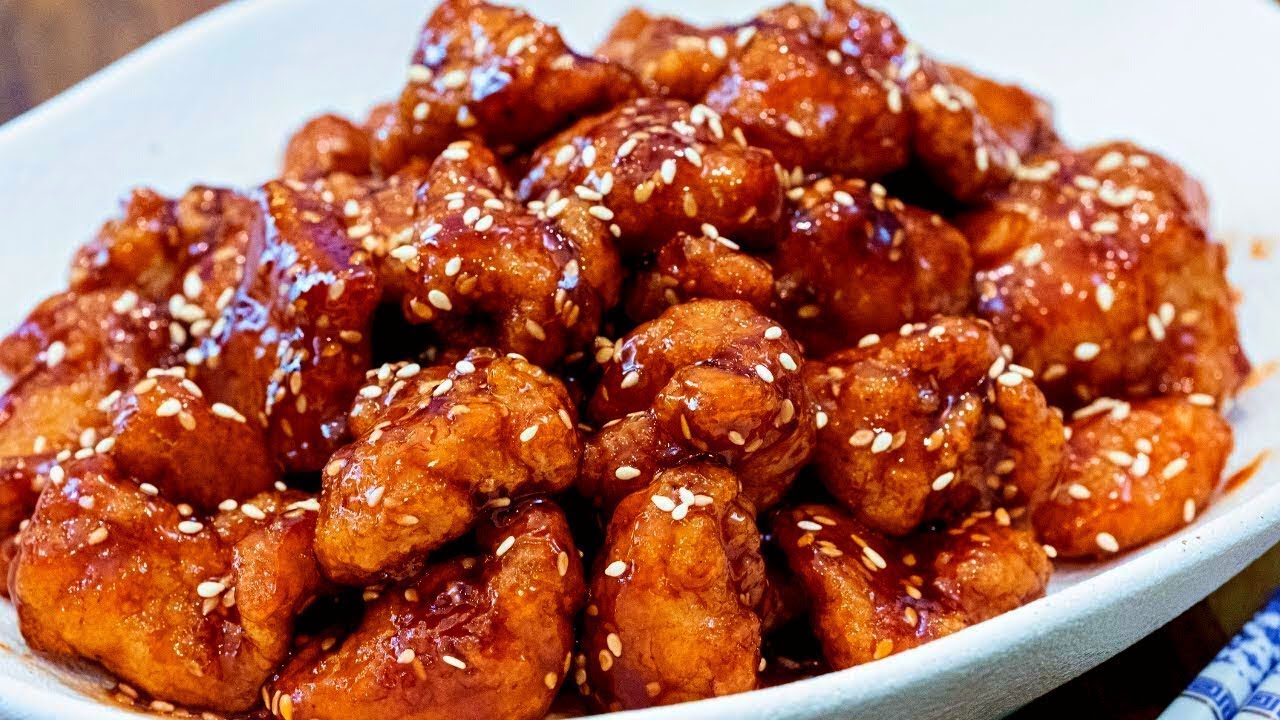
Asian Chicken Recipe: Asian cuisine is a flavorful and vibrant universe of spices, aromas, and textures—and Asian chicken recipes stand proudly at the center of it all. From the tangy sweetness of Korean BBQ chicken to the garlic-infused warmth of Chinese stir-fry, there’s something magical about how Asian cultures treat this humble protein.
What Makes Asian Chicken Unique?
What sets Asian chicken apart from its Western counterparts isn’t just the use of soy sauce or sesame oil—it’s the philosophy behind the cooking. Asian recipes typically focus on balance: sweet vs. spicy, salty vs. sour, crispy vs. tender. The techniques—like stir-frying, marinating overnight, or flash frying—create bold, complex flavors from relatively simple ingredients. It’s all about layering flavor.
Marination is especially key in Asian chicken recipes. Whether it’s a mix of garlic, ginger, soy sauce, and rice wine vinegar or a spicy chili paste blend, marinating ensures that every bite is infused with taste, not just surface flavor. Pair this with fresh vegetables, aromatic herbs, and traditional sauces, and you’ve got yourself a dish that dances on your taste buds.
Popular Asian Chicken Styles
- Teriyaki Chicken (Japan): Sweet, sticky, and savory, usually grilled or pan-seared.
- General Tso’s Chicken (China): Deep-fried and tossed in a tangy, spicy glaze.
- Korean Fried Chicken: Extra crispy with a spicy gochujang sauce.
- Thai Basil Chicken: Stir-fried with holy basil and chilies.
- Butter Chicken (India): Creamy tomato-based curry with tender grilled pieces.
In this guide, we’ll focus on a fusion-style stir-fried Asian chicken dish that’s simple, quick, and packed with flavor.
Ingredients You’ll Need
Before we dive into the sizzling part, let’s talk about what you need on your kitchen counter. Preparation is half the battle when it comes to cooking a successful Asian chicken dish.
Main Ingredients
Here’s what you’ll need for 4 servings:
- 1.5 lbs boneless, skinless chicken thighs (or breasts)
- 2 tablespoons vegetable oil
- 1 red bell pepper (sliced)
- 1 yellow onion (thinly sliced)
- 3 cloves garlic (minced)
- 1 tablespoon grated fresh ginger
- 2 green onions (chopped)
- 1 cup broccoli florets (optional for texture and nutrition)
Why chicken thighs? They’re juicier and more forgiving during cooking, especially if you’re stir-frying.
Sauces and Seasonings
These ingredients are where the magic happens:
- 3 tablespoons soy sauce (low sodium if possible)
- 2 tablespoons oyster sauce
- 1 tablespoon hoisin sauce
- 1 tablespoon rice vinegar
- 1 teaspoon sesame oil
- 1 teaspoon cornstarch (for thickening)
- 1 tablespoon honey or brown sugar (for a touch of sweetness)
- Crushed red chili flakes (optional, for heat)
Each of these condiments brings its own depth. Soy sauce adds saltiness and umami, while oyster sauce brings richness. Hoisin is slightly sweet and earthy, and sesame oil adds that nutty fragrance.
Optional Add-ons
- Toasted sesame seeds (for garnish)
- Fresh cilantro
- Cashews or peanuts (for crunch)
- Jasmine rice or noodles (for serving)
Tools and Equipment
Let’s not forget the hardware. You don’t need a five-star kitchen—just a few reliable tools.
Kitchen Essentials
- A sharp chef’s knife
- Cutting board
- Large wok or non-stick skillet
- Mixing bowls
- Measuring spoons
- Wooden spatula or tongs
If you have a wok, use it—it helps evenly distribute heat and gives you that authentic stir-fry texture.
Tips for Efficient Cooking
- Prep first, cook later. Asian recipes move fast, especially when stir-frying. Having everything chopped and measured beforehand is critical.
- High heat is your friend. Stir-frying requires quick cooking on high heat. Don’t be afraid to crank up that burner.
- Don’t overcrowd the pan. Cook the chicken in batches if needed. This prevents steaming and keeps things crispy.
Step-by-Step Cooking Process
Let’s cook! This step-by-step guide will ensure your dish turns out delicious, even if you’re not a kitchen pro.
Step 1: Marinate the Chicken
Slice the chicken thighs into bite-sized strips. In a bowl, mix together:
- 2 tablespoons soy sauce
- 1 tablespoon oyster sauce
- 1 teaspoon cornstarch
- 1 teaspoon sesame oil
- 1 tablespoon rice vinegar
- 1 teaspoon honey
Add the chicken and toss well to coat. Let it marinate for at least 15 minutes. If you’ve got more time, 1–2 hours in the fridge will take the flavor up a notch.
Why marinate? It tenderizes the chicken, boosts flavor absorption, and prevents it from drying out during cooking.
Step 2: Prepare Your Vegetables and Sauces
While the chicken is soaking in flavor, prep your vegetables:
- Slice bell peppers and onions
- Mince the garlic
- Grate the ginger
- Chop green onions and optional garnishes
In a small bowl, mix your stir-fry sauce:
- 1 tbsp soy sauce
- 1 tbsp oyster sauce
- 1 tbsp hoisin sauce
- A dash of sesame oil
- 1 tsp cornstarch (dissolved in 1 tbsp water)
This sauce will coat your chicken and veggies in a glossy, flavorful glaze.
Step 3: Cook the Chicken
Heat your wok or skillet over high heat. Add 1 tablespoon vegetable oil. Once it’s shimmering, add the marinated chicken (shake off excess marinade).
Stir-fry for 5–6 minutes until the chicken is golden brown and cooked through. Remove and set aside.
Pro Tip: Don’t crowd the pan—do it in two batches if needed to keep the sear crisp.
Step 4: Combine Everything and Simmer
In the same pan, add another tablespoon of oil. Toss in your garlic, ginger, onions, and bell peppers. Stir-fry for 2-3 minutes until slightly softened but still vibrant.
Return the chicken to the pan. Pour in your prepared stir-fry sauce. Stir well to coat everything evenly. Let it simmer for another 2-3 minutes until the sauce thickens and clings to every piece.
Step 5: Garnish and Serve
Remove from heat and sprinkle with chopped green onions, toasted sesame seeds, or nuts if you like a little crunch.
Serve hot over steamed jasmine rice or noodles for a complete meal.
Serving Suggestions
So you’ve got your savory, saucy Asian chicken all ready—what now? Presentation and pairing are the final touches that can elevate your dish from good to restaurant-worthy. Let’s explore how to serve it like a pro.
Best Side Dishes
Pairing the right sides with your Asian chicken enhances the meal’s balance. Here are a few perfect choices:
- Steamed Jasmine or Basmati Rice: A classic base. The subtle aroma and soft texture of jasmine rice complement the bold flavors of the stir-fry.
- Fried Rice: If you’ve got leftover rice, turn it into garlic fried rice or egg fried rice for a double flavor punch.
- Noodles: Udon, rice noodles, or even soba noodles tossed in soy and sesame oil work like a charm.
- Asian Slaw: A fresh and crunchy salad with cabbage, carrots, and a tangy vinaigrette gives a nice contrast to the rich chicken.
- Spring Rolls or Dumplings: If you’re going all out, pair your chicken with a couple of these appetizers for variety.
You can also serve the chicken in lettuce wraps for a low-carb option, or stuff it in bao buns if you’re feeling adventurous.
How to Present Like a Pro
Presentation is half the experience when it comes to food. Here are some simple tricks to make your plate pop:
- Color Contrast: Use red bell peppers, green onions, and sesame seeds to add visual interest.
- Garnish Generously: A sprinkle of chopped cilantro, toasted sesame seeds, and thinly sliced chilies adds flair and flavor.
- Use the Right Plate: Serve in a shallow bowl or wide plate to give the sauce space to shine.
- Chopsticks or Wooden Spoons: For an authentic touch, serve your meal with traditional utensils.
Your dish should not only smell and taste incredible—it should look Instagram-worthy too.
FAQs about Asian Chicken Recipe
1. Can I use other meats instead of chicken?
Absolutely! This recipe works great with beef, shrimp, or even tofu if you’re going vegetarian. Just adjust the cooking time accordingly—shrimp cooks faster, while beef may take a little longer to tenderize.
2. What’s the best way to store leftovers?
Cool the dish to room temperature, then store it in an airtight container in the fridge for up to 3 days. Reheat gently on the stovetop or microwave with a splash of water to revive the sauce.
3. Can I make it less spicy?
Definitely. Simply skip the chili flakes and avoid spicy sauces. You can also use a sweet soy glaze instead to keep the flavors mild.
4. Is it gluten-free?
It can be! Just make sure to use gluten-free soy sauce (like tamari) and check that your oyster or hoisin sauces are certified gluten-free.
5. How long does it take to prepare?
Prep takes around 15–20 minutes (including marination), and cooking takes another 10–15 minutes. So in under 40 minutes, you can have a full-flavored Asian chicken meal on your plate.
Conclusion
Cooking an Asian chicken dish at home might sound intimidating at first, but once you break it down, it’s as easy as tossing a few pantry staples together and letting them work their magic. The secret lies in the preparation: marinate your meat, chop your vegetables, and have your sauces pre-mixed. That way, the actual cooking takes less than 15 minutes, and the results are nothing short of delicious.
Whether you’re cooking for a weekday dinner or showing off your skills at a weekend dinner party, this recipe won’t disappoint. It’s flexible too—swap the veggies, adjust the heat, double the sauce if you like it extra juicy.
Final Pro Tips:
- Always taste as you go. Sauces can vary in saltiness.
- Make extra sauce for drizzling over rice or noodles.
- Let the chicken rest for a minute before serving to lock in the juices.
You’ve just created a flavorful masterpiece that hits all the right notes: sweet, savory, spicy, and umami. Now dig in!