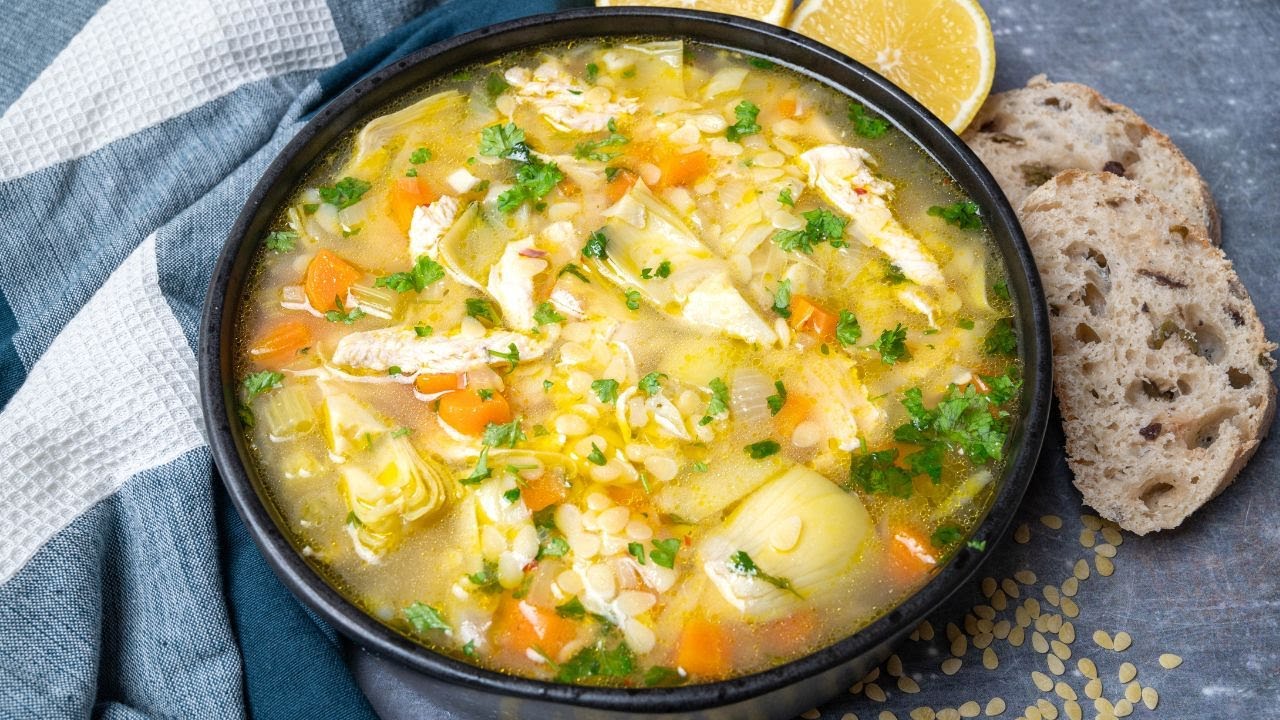
Artichoke Soup Recipe: Artichoke soup is one of those dishes that feels elegant yet comforting at the same time. It’s creamy without being heavy, rich without overwhelming your palate, and sophisticated without requiring a culinary degree to prepare. If you’ve ever wanted to transform a humble vegetable into something that tastes restaurant-quality, this recipe is your golden ticket.
What Makes Artichoke Soup Special?
Artichokes have a slightly nutty, earthy flavor with subtle sweetness. When blended into a soup, they create a velvety texture that feels luxurious. Unlike tomato or chicken soup, artichoke soup carries a gourmet aura — yet it’s surprisingly simple to make.
Flavor Profile and Texture
Imagine a smooth, creamy bowl with gentle herbal notes, mild sweetness, and just a hint of tang. Add garlic and onions, and suddenly the flavor deepens. A splash of lemon brightens everything. It’s like a symphony — each ingredient playing its part.
Why You’ll Love This Recipe
- Easy to prepare
- Nutrient-dense
- Customizable
- Perfect for meal prep
- Impressive for guests
Let’s dive deeper.
What Are Artichokes?
Artichokes are actually flower buds from a type of thistle plant. When harvested before blooming, they’re tender and edible. The heart is the prized portion — soft, flavorful, and perfect for soups.
Types of Artichokes You Can Use
- Globe artichokes
- Baby artichokes
- Jerusalem artichokes (technically different but usable)
For soup, globe artichokes are the most common and ideal.
Fresh vs. Canned vs. Frozen Artichokes
Fresh artichokes provide the most authentic flavor but require prep. Canned and frozen artichokes are convenient and work beautifully in soup.
Which Option Is Best for Soup?
If you want maximum flavor, go fresh. If you want convenience without sacrificing taste, canned in water (not oil) works wonderfully.
Health Benefits of Artichoke Soup
Nutritional Value of Artichokes
Artichokes are packed with:
- Fiber
- Vitamin C
- Vitamin K
- Magnesium
- Antioxidants
They’re low in calories yet filling.
Digestive Support and Fiber Content
Artichokes are known for supporting digestion. Their high fiber content promotes gut health and keeps you satisfied longer.
Low-Calorie Comfort Food Option
Unlike heavy cream-based soups, artichoke soup can be made light while still feeling indulgent.
Ingredients You’ll Need
Core Ingredients
- 4 large artichokes (or 2 cups artichoke hearts)
- 1 medium onion, chopped
- 3 cloves garlic, minced
- 4 cups vegetable or chicken broth
- 2 tablespoons olive oil
- ½ cup heavy cream (optional)
- Salt to taste
- Black pepper to taste
- 1 tablespoon lemon juice
Optional Flavor Enhancers
- Fresh thyme
- Bay leaf
- Parmesan cheese
- Nutmeg (small pinch)
- White wine (¼ cup)
Garnish and Serving Additions
- Fresh parsley
- Croutons
- Extra drizzle of olive oil
- Toasted almonds
Kitchen Tools Required
Essential Equipment
- Large pot
- Sharp knife
- Cutting board
- Blender or immersion blender
Optional Tools for Smoother Texture
- Fine mesh strainer
- Food processor
How to Prepare Fresh Artichokes
Cleaning and Trimming
Cut off the stem. Remove tough outer leaves. Trim the top third. Peel the stem.
Removing the Choke
Slice the artichoke in half and scoop out the fuzzy center.
Preventing Browning
Place trimmed artichokes in lemon water immediately.
Step-by-Step Guide to Making Artichoke Soup
Artichoke soup is smooth, creamy, and subtly earthy, making it a comforting yet elegant dish.
Step 1: Prepare the Artichokes
If using fresh artichokes, trim the tough outer leaves, cut off the tops, and remove the choke. Slice the hearts into chunks. If using canned or jarred artichoke hearts, drain and rinse them well.
Step 2: Sauté the Aromatics
In a large pot, heat olive oil or butter over medium heat. Add chopped onions and minced garlic. Sauté until soft and fragrant, about 3–4 minutes.
Step 3: Add the Artichokes
Stir in the prepared artichokes and cook for another 2–3 minutes to build flavor.
Step 4: Add Broth and Simmer
Pour in vegetable or chicken broth until the artichokes are fully covered. Bring to a gentle boil, then reduce heat and simmer for 15–20 minutes until tender.
Step 5: Blend Until Smooth
Remove from heat and carefully blend using an immersion blender or countertop blender until silky smooth. Blend in batches if needed.
Step 6: Add Cream and Season
Return the soup to low heat. Stir in heavy cream or milk for richness. Season with salt, black pepper, and a squeeze of lemon juice to brighten the flavor.
Step 7: Adjust Texture
If the soup is too thick, add more broth. If too thin, simmer a few extra minutes to reduce.
Step 8: Garnish and Serve
Ladle into bowls and garnish with chopped parsley, grated Parmesan, or a drizzle of olive oil.
Serve hot with crusty bread for a warm, velvety, restaurant-quality meal at home. 🥣✨
Creamy vs. Brothy Artichoke Soup
How to Make It Creamy
Add heavy cream or coconut milk.
Dairy-Free Alternatives
Use cashew cream or oat milk.
Keeping It Light and Clear
Skip cream and reduce blending for texture.
Flavor Variations
Lemon Artichoke Soup
Add extra lemon zest and juice.
Garlic-Parmesan Version
Increase garlic. Stir in grated Parmesan.
Vegan Artichoke Soup
Use vegetable broth and coconut cream.
Mediterranean-Style Twist
Add olives, sun-dried tomatoes, and oregano.
Common Mistakes to Avoid
Overcooking Artichokes
They can turn mushy and dull in flavor.
Underseasoning
Artichokes need proper salt to shine.
Texture Issues
Blend thoroughly for smoothness.
Storage and Reheating Tips
Refrigeration Guidelines
Store in airtight container up to 4 days.
Freezing Instructions
Freeze up to 3 months.
Best Way to Reheat
Warm gently over medium-low heat.
Serving Suggestions
What to Pair With Artichoke Soup
- Grilled cheese sandwich
- Caesar salad
- Roasted vegetables
Best Bread Options
- Sourdough
- Baguette
- Garlic toast
Turning It Into a Full Meal
Add shredded chicken or white beans.
FAQs about Artichoke Soup Recipe
1. Can I use canned artichokes?
Yes. Canned or jarred artichoke hearts work very well. Just drain and rinse them thoroughly to remove excess brine and control salt levels.
2. Is artichoke soup bitter?
No. Proper trimming (if using fresh artichokes) and balanced seasoning prevent bitterness. Adding lemon juice and cream also helps round out the flavor and keep it smooth.
3. How do I thicken the soup?
You can thicken artichoke soup by blending it longer, adding a splash of cream, or stirring in a small amount of mashed potatoes for body. Simmering uncovered also helps reduce excess liquid.
4. Can I make it in a slow cooker?
Yes. Add all ingredients (except cream) to the slow cooker and cook on low for 6–8 hours. Blend until smooth, then stir in cream before serving.
5. Is this recipe gluten-free?
Yes, artichoke soup is naturally gluten-free. Just make sure the broth you use is certified gluten-free, as some store-bought broths may contain additives.
These tips will help you prepare smooth, flavorful artichoke soup with confidence every time. 🥣✨
Conclusion
In conclusion, artichoke soup shows how thoughtful preparation can transform humble ingredients into something refined and memorable. Its velvety consistency and gentle, earthy notes make it both comforting and sophisticated.
The beauty of this soup lies in its versatility—you can enrich it with cream, brighten it with lemon, or add herbs for depth. It works beautifully for casual dinners, special occasions, or quiet evenings at home. Once you understand the technique, it becomes an effortless favorite in your kitchen.
Simple, elegant, and deeply satisfying, artichoke soup truly deserves a regular place on your menu.