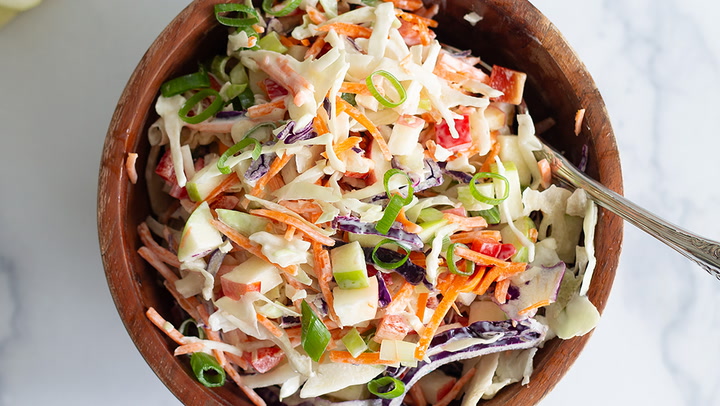
Apple Slaw Recipe: Apple slaw is like summer in a bowl. Crisp, tangy, a little sweet, and incredibly refreshing—this side dish is the perfect companion for BBQs, sandwiches, tacos, or just about any meal that needs a little zing. But it’s not just about taste. Apple slaw brings texture, crunch, and nutrition, all in one colorful and easy-to-make salad. If you’ve never tried mixing apples with cabbage, you’re in for a delicious surprise.
Now, imagine this: crunchy green cabbage, vibrant purple cabbage, sweet and tart apples, finely shredded carrots—all tossed in a creamy, tangy-sweet dressing. Sounds good, right? The best part? You can whip it up in less than 15 minutes with just a handful of fresh ingredients and pantry staples.
Whether you’re trying to impress guests at a backyard barbecue or just looking for a quick healthy lunch side, this apple slaw recipe is going to be your new go-to. It’s versatile, customizable, and tastes even better after a short chill in the fridge.
So let’s dive into everything you need to know about making the best apple slaw from scratch—no store-bought bagged coleslaw mix required!
List of Ingredients You’ll Need
Creating the perfect apple slaw starts with the right combination of fresh, crisp ingredients and a well-balanced dressing. Here’s what you need to gather before you start chopping.
Core Ingredients
These are the foundation of your apple slaw:
- Apples (2 medium-sized): Choose a variety like Honeycrisp or Granny Smith for that ideal mix of sweet and tart. Leave the skin on for extra color and texture, but make sure to core them before slicing or shredding.
- Green Cabbage (2 cups, finely shredded): It brings crunch and a mild peppery flavor that balances well with the sweetness of the apples.
- Red Cabbage (1 cup, finely shredded): Adds vibrant color and a slightly deeper flavor. If you only have green cabbage, you can use that instead, but the mix is more visually appealing.
- Carrots (1 cup, grated): For natural sweetness, texture, and color contrast. Plus, they add a good boost of beta-carotene.
Dressing Ingredients
A well-balanced dressing is what brings the whole slaw together:
- Mayonnaise (1/3 cup): This is your creamy base. You can substitute with Greek yogurt for a lighter version or vegan mayo for a plant-based option.
- Apple Cider Vinegar (2 tablespoons): Adds a tangy kick and enhances the apple flavor.
- Honey or Maple Syrup (1 tablespoon): A touch of sweetness helps balance the acidity and sharpness of the cabbage.
- Salt (1/2 teaspoon) and Black Pepper (1/4 teaspoon): Essential for seasoning and depth.
Optional Add-ins
These extras can take your slaw to the next level:
- Chopped Nuts (1/4 cup): Walnuts or pecans add a delightful crunch and nutty flavor.
- Dried Cranberries or Raisins (1/4 cup): A pop of sweetness and chewiness.
- Fresh Herbs (1 tablespoon): Chopped parsley, dill, or cilantro can brighten the whole salad.
Tools and Kitchen Equipment Needed
Before you begin slicing and shredding, make sure you have the right tools on hand. Here’s what you’ll need to prepare your apple slaw with ease:
- Sharp Chef’s Knife: For slicing apples and chopping cabbage. A sharp knife will help keep your cuts clean and even.
- Cutting Board: Preferably a large one to give you enough room to work safely.
- Box Grater or Food Processor: You’ll need this for grating the carrots and possibly the apples, depending on your preferred texture.
- Large Mixing Bowl: You’ll toss everything in here—choose a big one to avoid any mess.
- Small Bowl or Mason Jar: Ideal for mixing your dressing ingredients.
- Mixing Spoon or Tongs: For combining everything evenly without crushing the ingredients.
With these tools ready, prepping your slaw becomes a breeze—and cleanup is minimal.
Step-by-Step Guide to Making Apple Slaw
Now it’s time for the fun part—putting everything together. Follow these five simple steps, and you’ll have a fresh, flavorful slaw ready in no time.
Step 1: Prepping the Apples
Start by washing your apples thoroughly under cold water. Don’t peel them—unless you prefer a softer texture—because the skin adds a nice color contrast and extra fiber. Core the apples and slice them into thin matchsticks or grate them, depending on your preferred slaw texture.
Pro Tip: To prevent your apples from browning too quickly, toss them in a small amount of lemon juice or vinegar as soon as they’re cut. This not only keeps them looking fresh but also adds a bit more acidity to balance the sweetness.
If you’re using different apple varieties, mix them up! Combining sweet apples like Fuji or Gala with tart ones like Granny Smith gives your slaw more flavor complexity.
Step 2: Shredding the Cabbage and Carrots
Shredding your cabbage thinly is key to a good slaw texture. You can use a sharp knife, a mandolin, or even the slicing blade on a food processor. Aim for thin ribbons—not too thick, not too fine.
Do the same with your carrots. A box grater works great here, or you can buy pre-shredded carrots in a pinch.
Once shredded, place the cabbage and carrots in your large mixing bowl. Give them a quick toss with your hands to start the softening process before adding the apples.
Step 3: Making the Dressing
The magic of any slaw lies in its dressing. For apple slaw, the dressing should be creamy, tangy, and slightly sweet to complement the natural flavors of the fresh ingredients.
Grab your small bowl or mason jar and add:
- 1/3 cup mayonnaise (or Greek yogurt for a lighter option)
- 2 tablespoons apple cider vinegar
- 1 tablespoon honey (or maple syrup for a vegan version)
- Salt and pepper to taste (start with 1/2 tsp salt and 1/4 tsp pepper)
Whisk everything together until smooth. If you’re using a mason jar, just screw on the lid and give it a good shake.
Adjust to taste: Want it tangier? Add a bit more vinegar. Prefer a sweeter slaw? Another drizzle of honey should do the trick.
This dressing is thick enough to coat the ingredients without making the slaw soggy, but you can thin it slightly with a splash of water or lemon juice if needed.
Step 4: Mixing Everything Together
Now comes the moment when your slaw starts to take shape.
- Add your shredded apples to the bowl of cabbage and carrots.
- Pour the dressing evenly over the top.
- Use tongs or a large spoon to gently toss everything together until all the ingredients are well coated.
Make sure you’re folding rather than stirring aggressively. You want to preserve the crunch and not bruise the apples or cabbage.
If you’re adding optional mix-ins like nuts or dried cranberries, now’s the time to sprinkle them in. These additions not only enhance flavor but also add contrast in texture, making each bite more interesting.
Step 5: Chilling and Serving
This step is often skipped—but don’t underestimate its importance. Chilling the slaw allows all the flavors to meld together beautifully.
- Cover the bowl with plastic wrap or a lid.
- Place it in the fridge for at least 30 minutes, but ideally 1–2 hours if you have the time.
This resting time softens the cabbage just slightly and lets the dressing seep into every shred of veggie and fruit. When ready to serve, give the slaw a final toss and taste it again—you might want to add a final pinch of salt or another drizzle of vinegar to perk it up.
Serve chilled alongside grilled meats, sandwiches, tacos, or as a stand-alone salad. It’s perfect for potlucks, picnics, or meal prepping ahead of a busy week.
Tips for the Perfect Apple Slaw
Even a simple recipe like apple slaw can be elevated with a few clever kitchen tricks. These tips will help you create a consistently delicious and crisp slaw every time:
1. Keep Apples from Browning: Apples start to oxidize and brown as soon as they’re exposed to air. To avoid this:
- Slice them last (right before mixing).
- Toss them with lemon juice or apple cider vinegar immediately after cutting.
- Store them in water with a splash of vinegar if prepping ahead.
2. Don’t Overdress the Slaw: A soggy slaw is the quickest way to ruin this dish. Start by adding half the dressing, then toss and taste. You can always add more if needed, but you can’t take it out once it’s in.
3. Chill for the Best Flavor: Like most slaws and salads, chilling brings everything together. It also softens the crunch just enough without making it mushy. Aim for at least 30 minutes in the fridge before serving.
4. Balance Sweet and Tangy: Apples bring natural sweetness, so be sure to counter that with acid (vinegar or lemon juice). Don’t be afraid to adjust the dressing based on your taste buds.
5. Use a Variety of Apples: Combining two different apple types—like one sweet (Gala, Fuji) and one tart (Granny Smith)—adds depth of flavor and a beautiful contrast.
6. Add Texture and Color: Don’t shy away from colorful carrots or purple cabbage. And throw in a handful of toasted nuts or seeds for crunch that holds up even after chilling.
7. Taste Before Serving: Always give the slaw a final taste just before serving. You might find that it needs a bit more salt, acidity, or sweetness after resting.
Best Apples for Apple Slaw
Not all apples are created equal—especially when it comes to slaw. The right apple can make a big difference in flavor and texture. Some apples are too soft and turn mushy, while others are too sweet and overpower the other ingredients. Here’s how to pick the best apples for your slaw:
Sweet vs. Tart Apples
When making slaw, balance is everything. You want apples that are crisp and juicy but not overly sweet. A mix of sweet and tart apples often creates the best flavor combo.
- Sweet Apples: These add a mellow, fruity flavor.
- Fuji
- Gala
- Red Delicious
- Golden Delicious
- Tart Apples: These provide that tangy bite to balance the sweetness.
- Granny Smith (the most popular for slaw)
- Braeburn
- Pink Lady
Combining one tart and one sweet apple often gives your slaw a well-rounded taste that doesn’t need a lot of additional sugar in the dressing.
Recommended Apple Varieties
- Granny Smith: Very firm, extremely tart—excellent for contrast and crunch.
- Honeycrisp: Sweet with a touch of acidity, ultra-crisp texture—almost perfect for slaw.
- Gala: Milder and softer, great when paired with a crunchier cabbage.
- Fuji: Super sweet and juicy—use sparingly or pair with a very tangy dressing.
- Pink Lady (Cripps Pink): Crisp, tart, and sweet all in one.
Avoid:
Apples like McIntosh or Cortland tend to be softer and will break down too quickly in a slaw. Save those for applesauce or pies.
Storage Instructions
Apple slaw is best served fresh, but it also stores surprisingly well when done right. Here’s how to keep it crisp, vibrant, and delicious even after a day or two.
How to Store Apple Slaw
- Airtight Container: Use a tight-sealing container to keep air out and preserve crunch.
- Refrigerate Immediately: Always refrigerate the slaw, especially if it contains mayo or yogurt-based dressing.
Storage Time:
- Best within 24 hours, but can last up to 3 days in the fridge.
- The flavor often improves after the first few hours, but the texture may start to soften after 48 hours.
Can It Be Made Ahead?
Yes, but with a few tweaks:
- Dressing: Mix the dressing and keep it separate from the veggies and apples. Combine everything just before serving to prevent sogginess.
- Apples: Prep and store in lemon water or toss with vinegar to avoid browning.
- Assembly: Mix no more than 2–3 hours before serving if you want the freshest taste and crunch.
Serving Suggestions
Apple slaw isn’t just a side—it can be a main character on your plate. It’s a surprisingly versatile dish that pairs well with many cuisines. Here’s how you can serve it:
Pair with Proteins
- Pulled Pork Sandwiches: The tangy slaw cuts through the richness of the meat.
- Grilled Chicken or Turkey Burgers: Adds freshness and crunch.
- Fish Tacos: A light, zesty slaw makes a perfect topping.
- BBQ Ribs or Brisket: Complements smoky flavors with sweet and tart notes.
Other Great Pairings
- Wraps and Sandwiches: Use it as a crunchy topping inside the sandwich.
- Picnic or Potluck Side: It travels well and doesn’t get soggy like lettuce-based salads.
- Holiday Meals: Serve as a light, refreshing contrast to heavy main dishes like roasts or casseroles.
Creative Serving Ideas
- As a Topping for Baked Potatoes
- Mixed into Grain Bowls (with quinoa or farro)
- Inside a Veggie Wrap for a Crunchy Bite
- On a Charcuterie Board as a Sweet-Savory Element
The sky’s the limit! Anywhere you’d use coleslaw, apple slaw is a next-level upgrade.
Common Mistakes to Avoid
Making apple slaw is pretty simple, but a few missteps can mess with the final result. Avoid these common mistakes for a perfect slaw every time.
1. Overdressing the Slaw
Too much dressing can drown the ingredients and make your slaw soggy. Always start with less and add more as needed. You want everything lightly coated, not swimming in sauce.
2. Not Chilling the Slaw
Skipping the chill time can leave the flavors underdeveloped. Even a 30-minute rest in the fridge lets the cabbage soften and the dressing settle into all the ingredients.
3. Using the Wrong Apples
Some apples are too soft or sweet. Stick to crisp varieties like Granny Smith or Honeycrisp. Avoid McIntosh or Red Delicious unless you like mushy textures.
4. Skipping the Acid
Without vinegar or lemon juice, your slaw can taste flat. The acid is what brightens everything up and keeps the apples from browning.
5. Not Tasting as You Go
Don’t wait until the end to adjust the seasoning. Taste after you mix the dressing and again after you combine everything. Add more salt, pepper, or vinegar as needed.
Variations of Apple Slaw
One of the best things about apple slaw is how adaptable it is. Whether you’re following a specific diet, craving a new flavor twist, or just working with what’s in your fridge, there are plenty of delicious ways to customize this slaw to fit your style.
Creamy vs. Vinaigrette-Based
- Creamy Slaw: The classic version using mayo or Greek yogurt. It’s rich, smooth, and satisfying. Perfect for pairing with spicy or smoky dishes like pulled pork or BBQ.
- Vinaigrette-Based Slaw: For a lighter, tangier take, skip the mayo altogether. Use olive oil, apple cider vinegar, and a touch of mustard or honey for a bright and crisp finish. This version is great for hot weather or served with grilled fish.
Vegan and Dairy-Free Options
To make your apple slaw fully plant-based:
- Swap mayo with vegan mayo or use mashed avocado for creaminess.
- Use maple syrup instead of honey in the dressing.
- Add toasted nuts or seeds for that extra texture and protein.
- Try tahini or cashew cream for a nutty, creamy dressing alternative.
Asian-Inspired Apple Slaw
Want a bold twist? Take your apple slaw global by giving it an Asian flair:
- Use rice vinegar instead of apple cider vinegar.
- Add soy sauce, sesame oil, and a dash of sriracha or chili flakes.
- Top with toasted sesame seeds, shredded green onions, and fresh cilantro.
- Swap out regular cabbage for Napa cabbage if you have it.
This version pairs wonderfully with grilled tofu, teriyaki chicken, or shrimp skewers.
Southwest Apple Slaw
Spice it up with a little southwestern attitude:
- Add lime juice, chili powder, and cumin to your dressing.
- Mix in corn kernels, black beans, or jalapeños.
- Garnish with fresh cilantro and cotija cheese.
This zesty version is amazing on tacos or alongside grilled corn.
Fruit-Focused Slaw
Why stop at apples?
- Add julienned pears, mango, or even pineapple for a tropical twist.
- Toss in dried cranberries, pomegranate seeds, or grapes for bursts of sweetness and color.
Nutritional Information
Apple slaw isn’t just tasty—it’s also a smart choice when it comes to nutrition. Here’s a general breakdown per serving (based on a standard recipe serving 6):
| Nutrient | Amount (per serving) |
|---|---|
| Calories | 120–160 kcal |
| Total Fat | 8–12g |
| Saturated Fat | 1.5g |
| Carbohydrates | 14–18g |
| Sugars | 8–12g (natural + added) |
| Fiber | 3–5g |
| Protein | 1–3g |
Note: These values will vary depending on your exact ingredients (e.g., mayo vs. Greek yogurt, added nuts, or dried fruit).
Health Benefits of Apple Slaw
Besides being absolutely delicious, apple slaw offers several impressive health perks:
1. High in Fiber
Both cabbage and apples are fiber-rich foods. Fiber helps:
- Support digestion
- Regulate blood sugar
- Keep you feeling fuller longer
2. Low-Calorie Side Dish
Most apple slaw recipes (especially vinaigrette-based ones) are relatively low in calories, making them a great option for healthy meal planning or weight management.
3. Rich in Antioxidants
Cabbage, particularly red cabbage, is full of antioxidants like anthocyanins. Apples add polyphenols and vitamin C, which help fight oxidative stress and inflammation.
4. Supports Heart Health
Apple cider vinegar may help lower cholesterol and improve blood pressure. And cabbage is linked to heart-friendly benefits due to its potassium and folate content.
5. Customizable for Any Diet
Whether you’re keto, vegan, paleo, or gluten-free, apple slaw can be tweaked to suit your needs. Just adjust your dressing and mix-ins accordingly.
FAQs about Apple Slaw Recipe
Q1: Can I use pre-shredded coleslaw mix?
Yes! While fresh cabbage gives the best texture and flavor, pre-shredded slaw mix can save time. Just add your apples and dressing.
Q2: How do I keep apple slaw from getting soggy?
Don’t overdress it. Keep the dressing separate until just before serving if making ahead. Also, use firm apples and fresh cabbage.
Q3: Can I freeze apple slaw?
No, freezing is not recommended. The fresh ingredients, especially cabbage and apples, become watery and mushy when thawed.
Q4: What’s the best way to shred cabbage?
Use a sharp knife, mandolin slicer, or the slicing attachment on a food processor. The thinner, the better!
Q5: How far in advance can I make apple slaw?
You can prep all ingredients and dressing a day ahead. Combine everything a few hours before serving for the freshest texture.
Conclusion
Apple slaw is more than just a side dish—it’s a crunchy, tangy, and refreshing flavor bomb that brightens up any meal. It’s easy to make, wildly versatile, and packed with healthy goodness. Whether you’re grilling, picnicking, or just want something light to snack on, this simple slaw delivers big.
So the next time you’ve got apples lying around and a craving for something fresh, skip the lettuce and go for the slaw. Your taste buds (and your guests) will thank you.