Apple Pie Crust Recipe: Let’s be honest—a great apple pie is only as good as its crust. You can have the juiciest apples, the warmest spices, and the most nostalgic aroma filling your kitchen, but if the crust is tough, soggy, or bland, the whole experience falls apart.
A professional apple pie crust should be flaky, buttery, tender, and sturdy enough to hold a generous apple filling without collapsing. Think of the crust as the foundation of a house—if it’s weak, nothing else matters.
This step-by-step guide walks you through everything, from ingredient selection to rolling, shaping, baking, troubleshooting, and professional techniques. Whether you’re baking for family, clients, or content creation, this guide gives you bakery-level results every time.
What Is an Apple Pie Crust?
An apple pie crust is a shortcrust pastry, meaning it relies on fat to shorten gluten strands. This creates that iconic flaky texture instead of a bread-like chew.
Unlike puff pastry, pie crust is rustic, forgiving, and designed to support heavy fillings like apples without losing structure.
Types of Pie Crusts
All-Butter Pie Crust
- Maximum flavor
- Ultra flaky
- Requires cold handling
Shortening-Based Crust
- Easier to work with
- Holds shape well
- Less flavor
Butter–Shortening Blend
- Best of both worlds
- Flaky and stable
Lard Crust
- Old-school bakery favorite
- Extremely tender
- Neutral flavor when done right
Which Pie Crust Is Best for Apple Pie?
For apple pie, all-butter or butter–shortening blends work best. Apples release moisture during baking, and butter provides the richness needed to balance that acidity.
Ingredients You’ll Need for Apple Pie Crust
Core Ingredients Explained
All-Purpose Flour
- Structure provider
- Use unbleached flour for best texture
Butter (Cold, Unsalted)
- Flavor and flakiness
- Cut into cubes and chilled
Ice Water
- Activates dough just enough
- Keeps fat solid
Salt
- Enhances flavor
- Don’t skip it
Sugar (Optional)
- Adds subtle sweetness
- Helps browning
Ingredient Quality Tips
- Use European-style butter for higher fat
- Measure flour using the spoon-and-level method
- Always use ice-cold water
Tools and Equipment Needed
Essential Tools
- Mixing bowl
- Pastry cutter or fork
- Rolling pin
- Pie dish
- Plastic wrap
Optional Professional Tools
- Food processor
- Bench scraper
- Pastry mat
The Science Behind a Flaky Pie Crust
Gluten Control
Too much mixing = tough crust. Less handling keeps gluten relaxed.
Fat Distribution
Visible butter chunks melt during baking, releasing steam and creating layers.
Temperature Matters
Cold butter + hot oven = flaky magic.
Step-by-Step Apple Pie Crust Recipe
A great apple pie starts with a flaky, tender crust. Follow these steps for reliable results every time.
Step 1 – Measure Ingredients Correctly
Accurate measurements matter. Spoon flour into the measuring cup and level it off. Too much flour makes the crust tough.
Step 2 – Keep Everything Cold
Cold ingredients create flakiness. Chill the butter, bowl, and even the flour if your kitchen is warm.
Step 3 – Mixing Dry Ingredients
In a large bowl, whisk together flour, salt, and a little sugar (optional). This evenly distributes flavor before adding fat.
Step 4 – Cutting in the Butter
Add cold butter to the flour and cut it in using a pastry cutter or fingertips until the mixture looks crumbly.
Butter Size Matters
Aim for pea-sized butter pieces. These melt during baking and create flaky layers in the crust.
Step 5 – Adding Ice Water
Drizzle in ice-cold water, one tablespoon at a time. Toss gently with a fork until the dough just begins to clump.
Step 6 – Bringing Dough Together
Turn the mixture onto a clean surface and gently press it together. Do not knead—overworking develops gluten and toughens the crust.
Step 7 – Dough Resting & Chilling
Flatten the dough into a disk, wrap tightly, and refrigerate for at least 30–60 minutes. Resting relaxes gluten and hydrates the flour.
Once chilled, your dough is ready to roll—setting the foundation for a perfect, flaky apple pie crust every time. 🥧🍎
Rolling Out Apple Pie Crust Like a Pro
Flour Control
Light dusting prevents sticking without drying dough.
Rolling Techniques
Roll from center outward. Rotate dough often.
Preventing Cracks and Shrinking
Let dough rest if it fights back.
Transferring Crust to Pie Dish
Best Methods
Roll dough onto rolling pin, then unroll over dish.
Crimping & Edging Styles
- Classic pinch
- Fork press
- Braided edge
Blind Baking vs Filled Baking
When to Blind Bake
Custard pies or single-crust pies.
When Not To
Apple pie does best baked with filling to prevent over-drying.
Common Apple Pie Crust Mistakes (And Fixes)
Tough Crust
Cause: Overworking
Fix: Handle less
Soggy Bottom
Cause: Excess filling juice
Fix: Use thickener and bake hot
Shrinking Dough
Cause: Not rested
Fix: Chill longer
Make-Ahead & Storage Tips
Refrigeration
Store dough up to 3 days.
Freezing Dough
Freeze tightly wrapped up to 3 months.
Thawing Correctly
Thaw overnight in fridge.
Variations of Apple Pie Crust
Whole Wheat Pie Crust
Nutty flavor, slightly dense.
Vegan Pie Crust
Use plant-based butter or coconut oil.
Gluten-Free Pie Crust
Use 1:1 gluten-free flour blend.
Pairing Apple Pie Crust with Fillings
Classic Apple Filling
Cinnamon, sugar, lemon, apples.
Dutch Apple Pie
Crumb topping replaces top crust.
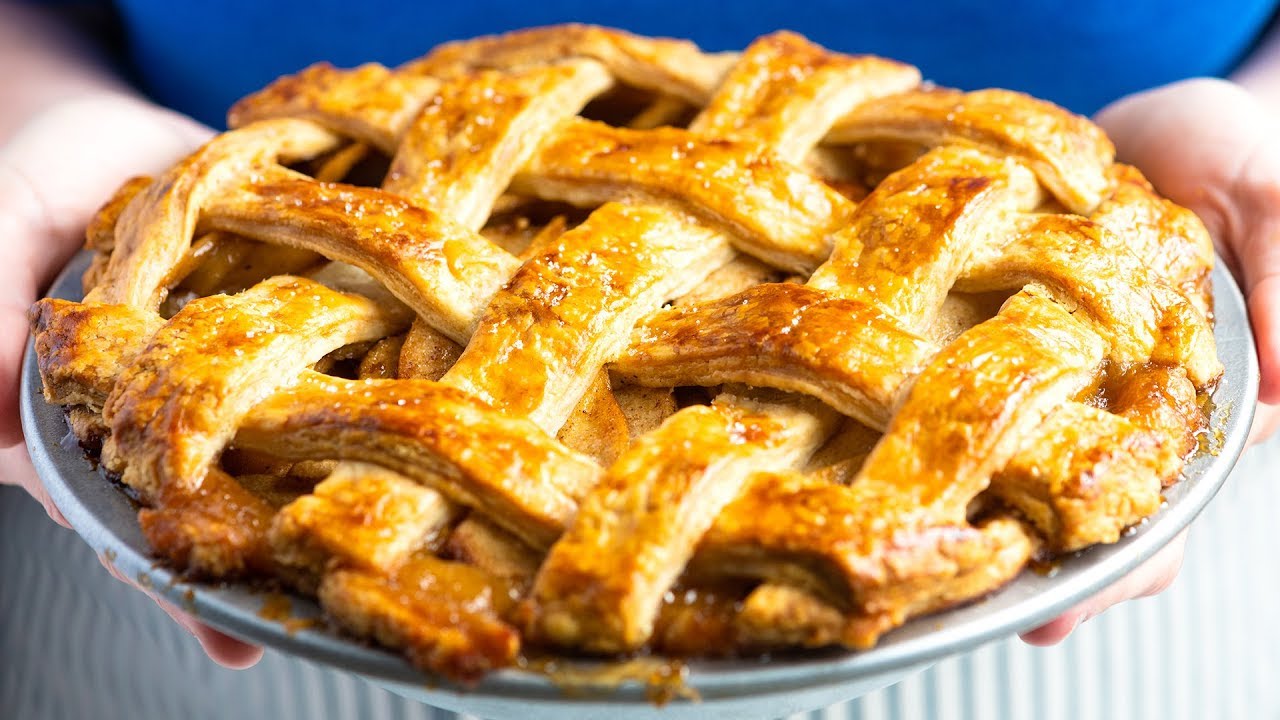
Lattice Apple Pie
Beautiful and functional steam release.
Professional Baker Tips
- Always chill before baking
- Use egg wash for golden finish
- Bake on lower rack for crisp bottom
FAQs about Apple Pie Crust Recipe
1. Can I make apple pie crust ahead of time?
Yes. Apple pie crust dough is perfect for advance prep. It can be refrigerated for up to 3 days or frozen for up to 3 months without losing quality. Thaw frozen dough in the refrigerator before using.
2. Why is my crust cracking when rolling?
Cracking usually means the dough is too cold or too dry. Let it rest at room temperature for a few minutes, or lightly mist with water and gently rework it.
3. Can I use salted butter?
Yes. Salted butter works fine—just reduce or omit the added salt in the recipe to keep the flavor balanced.
4. How thin should pie crust be?
Roll the crust to about ⅛ inch thick. This thickness provides the best balance of flakiness, structure, and tenderness.
5. Can I freeze baked crust?
Yes, baked crusts can be frozen. However, unbaked dough freezes best and gives the freshest results when baked later.
These tips will help you create a reliable, flaky apple pie crust every time. 🥧🍎
Final Thoughts
In the end, a flawless apple pie crust comes down to respecting the fundamentals. Precision in measuring, keeping ingredients cold, and handling the dough gently all work together to create those coveted flaky layers. This isn’t a recipe you rush—it rewards patience and attention.
Once you understand how the butter, flour, and water interact, the process becomes intuitive rather than intimidating. Master this crust and you’ll gain confidence not just in pie-making, but in baking as a whole.
From holiday desserts to everyday treats, this crust will be a dependable foundation you can always trust.