Oily skin needs a routine that controls excess shine without stripping the skin barrier. When the goal is smoother, firmer, younger-looking skin, the routine must also support collagen, improve texture, and soften the look of fine lines. The best anti wrinkle skincare routine for oily skin is not heavy, greasy, or complicated. It is balanced, lightweight, and consistent.
A strong routine begins with choosing formulas that work with oily skin rather than against it. Rich creams, harsh scrubs, and alcohol-heavy toners often make oily skin worse. The ideal approach combines gentle cleansing, targeted anti-aging ingredients, hydration, and daily sun protection. This creates the right foundation for skin that looks fresher, clearer, and more refined over time.
Why Oily Skin Still Needs Anti Wrinkle Care
Many people assume oily skin does not age as quickly. While natural oils can sometimes reduce the look of dryness, oily skin still develops fine lines, loss of firmness, uneven texture, and sun damage. In fact, oily skin often faces a double challenge: excess sebum on the surface and dehydration underneath. When the skin becomes dehydrated, it may produce even more oil, making pores look larger and skin texture less smooth.
That is why an effective anti-aging routine for oily skin must focus on more than oil control. It should also improve elasticity, support renewal, and maintain moisture levels without clogging pores. The right products help the skin stay balanced, resilient, and visibly smoother.
Best Morning Anti Wrinkle Skincare Routine for Oily Skin
A morning routine should protect the skin, reduce greasy buildup, and prepare it for the day ahead.
Step 1: Use a Gentle Gel or Foaming Cleanser
Start with a cleanser that removes overnight oil, sweat, and residue without leaving the skin tight. A gel cleanser or low-stripping foaming cleanser works well for oily skin because it refreshes the face and clears away buildup.
Look for ingredients such as niacinamide, green tea, or salicylic acid in mild amounts. These can help support oil balance and refine the look of pores. Avoid harsh cleansers that leave the skin squeaky-clean, because that often leads to rebound oiliness.
Step 2: Apply a Lightweight Antioxidant Serum
An antioxidant serum is one of the smartest additions to an anti wrinkle routine. In the morning, it helps defend the skin against environmental stress that can speed up visible aging.
A lightweight vitamin C serum is especially useful. It can brighten dull skin, improve the appearance of uneven tone, and support a more radiant look. For oily skin, the best texture is a thin serum that absorbs quickly and does not feel sticky.
If vitamin C feels too strong, a serum with niacinamide can also be a powerful choice. Niacinamide supports smoother-looking skin, helps with visible pores, and works well for oil-prone complexions.
Step 3: Use a Hydrating, Oil-Free Moisturizer
Oily skin still needs moisturizer every morning. Skipping it can leave the skin unbalanced and may increase oil production later in the day. The key is choosing an oil-free, non-comedogenic, and lightweight formula.
Gel-cream moisturizers are excellent for oily skin because they hydrate without heaviness. Look for ingredients such as hyaluronic acid, glycerin, and ceramides. These help maintain moisture and support a smoother skin surface, which is important when targeting fine lines.
Step 4: Finish with Broad-Spectrum Sunscreen
No anti wrinkle skincare routine is complete without sunscreen. Daily sun exposure is one of the biggest causes of early fine lines, dark spots, uneven tone, and rough texture. Even the best serum or moisturizer will not deliver strong long-term results if sunscreen is missing.
Choose a broad-spectrum SPF 30 or higher that is labeled oil-free, matte, or non-comedogenic. Lightweight fluid sunscreens or gel sunscreens tend to work especially well for oily skin. A good sunscreen should protect the skin without leaving a greasy film.
Best Night Anti Wrinkle Skincare Routine for Oily Skin
Nighttime is when the skin can focus on repair and renewal. This is the ideal time to use more active treatments that target wrinkles and texture.
Step 1: Cleanse Away Oil, Sunscreen, and Impurities
At night, cleansing is essential. Sunscreen, pollution, excess oil, and makeup can collect on the skin throughout the day. Remove this buildup thoroughly but gently.
If you wear makeup or water-resistant sunscreen, start with a light cleansing balm or micellar water, then follow with a gentle foaming cleanser. This helps create a clean surface for treatment products to work better.
Step 2: Apply a Retinoid or Retinol Product
For anti-aging results, retinol is one of the most effective ingredients. It helps smooth the appearance of fine lines, improve skin texture, and encourage a more refined look. For oily skin, retinol can be especially helpful because it often works well with lightweight textures and can also support clearer-looking pores.
Begin with a gentle retinol serum or cream two to three nights per week, then increase gradually as the skin adjusts. Overuse can cause irritation, dryness, or flaking, which makes consistency harder. A steady routine with the right strength is more effective than applying too much too quickly.
If retinol feels too intense, consider bakuchiol or a beginner-friendly retinal formula. These can support smoother skin with a lighter feel.
Step 3: Add a Targeted Serum on Alternate Nights
On nights when retinol is not used, a targeted treatment serum can help improve balance and texture. Good options for oily skin include niacinamide, peptides, or hyaluronic acid.
- Niacinamide helps refine the look of pores and supports a more balanced complexion.
- Peptides help support firmer-looking skin and smoother texture.
- Hyaluronic acid helps maintain hydration without heaviness.
This step keeps the routine active while giving the skin recovery time from stronger ingredients.
Step 4: Seal in Moisture with a Lightweight Night Moisturizer
A night moisturizer should support the skin barrier without feeling thick or greasy. Oily skin does best with formulas that hydrate and calm rather than overload the skin.
Look for products labeled lightweight, gel-cream, or non-comedogenic. Ingredients such as ceramides, panthenol, and squalane in balanced amounts can help the skin feel comfortable and smooth overnight.
Weekly Treatments That Improve Fine Lines and Oily Skin Texture
A strong daily routine becomes even better with carefully chosen weekly treatments.
Clay Mask for Excess Oil
A clay mask once or twice a week can help absorb excess oil and refresh the skin. It is especially useful if the skin feels congested or overly shiny. Keep it simple and avoid using masks too often, because over-drying can stress the skin.
Chemical Exfoliation for Smoother Skin
Gentle exfoliation can improve texture and make the skin look brighter and more even. For oily skin, salicylic acid or a mild AHA/BHA treatment can help smooth the surface and reduce buildup. This can make fine lines appear less noticeable by improving overall skin texture.
Do not combine strong exfoliation with retinol on the same night unless the skin is already very tolerant. Spacing treatments out helps reduce irritation.
Best Ingredients in an Anti Wrinkle Skincare Routine for Oily Skin
Choosing the right ingredients matters more than buying the most expensive products. The most effective ingredients for oily, aging skin include:
Retinol for fine lines and texture
Niacinamide for oil balance and visible pores
Vitamin C for brightness and environmental defense
Hyaluronic acid for lightweight hydration
Peptides for smoother, firmer-looking skin
Ceramides for barrier support
Salicylic acid for oily, congested skin
Sunscreen for daily protection against premature aging
These ingredients work best when introduced thoughtfully and used consistently.
Common Mistakes to Avoid with Oily Anti Aging Skin Care
One of the biggest mistakes is using products that are too harsh. Over-cleansing, strong scrubs, and alcohol-heavy formulas may seem helpful at first, but they often leave oily skin irritated and even more unbalanced.
Another common mistake is skipping moisturizer. Oily skin still needs hydration, especially when active ingredients like retinol or exfoliants are part of the routine.
Using too many treatments at once is also a problem. Combining retinol, strong acids, and multiple serums every night can lead to redness and sensitivity. A simple, smart routine gives better long-term results.
Ignoring sunscreen is another major setback. Fine lines, texture changes, and uneven tone become more noticeable without daily UV protection.
Simple Product Texture Guide for Oily Skin
For the most comfortable routine, choose textures that suit oily skin naturally:
- Gel cleansers instead of heavy cream cleansers
- Water-based serums instead of oily treatments
- Gel-cream moisturizers instead of thick balms
- Matte or fluid sunscreens instead of greasy lotions
These textures help the skin feel fresh while still delivering anti-aging support.
How Long It Takes to See Results
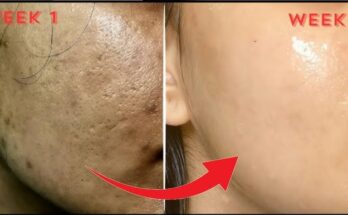
A good routine can make the skin feel more balanced within a few days, but visible anti-aging improvements take longer. Texture may begin to look smoother in a few weeks, while fine lines and firmness changes often need several weeks to a few months of regular use.
The most important factor is consistency. A lightweight routine used every day works better than a complicated routine used only sometimes.
FAQs about Anti-Wrinkle Skincare Routine for Oily Skin
1. Can oily skin still develop wrinkles?
Yes, oily skin can still age and develop wrinkles. While oil may delay signs of aging slightly, we still need a proper anti-aging routine.
2. What is the best anti-wrinkle routine for oily skin?
We should use a gentle foaming cleanser, lightweight moisturizer, sunscreen (SPF 30+), and targeted treatments like retinol or niacinamide.
3. Should we moisturize oily skin?
Yes, we must moisturize. Using a lightweight, oil-free moisturizer helps balance oil production and keep skin hydrated.
4. Which ingredients are best for oily, aging skin?
We should look for retinol, niacinamide, hyaluronic acid, and salicylic acid, as they reduce wrinkles and control excess oil.
5. How often should we exfoliate oily skin?
We should exfoliate 1–3 times per week using gentle chemical exfoliants to avoid irritation and clogged pores.
6. Is sunscreen necessary for oily skin?
Absolutely. We should use a matte, non-comedogenic sunscreen daily to prevent premature aging and sun damage.
7. Can oily skin use anti-aging serums?
Yes, we should choose lightweight, water-based serums that absorb quickly without clogging pores.
8. How long does it take to see results?
With consistent use, we may notice improvements in 4 to 8 weeks, especially in texture and fine lines.
9. What mistakes should we avoid?
We should avoid over-cleansing, skipping moisturizer, and using heavy products that can clog pores and worsen oiliness.
10. Can natural remedies help oily aging skin?
Yes, ingredients like aloe vera, green tea, and tea tree oil can help soothe skin and control oil while supporting anti-aging.
Conclusion
The most effective anti wrinkle skincare routine for oily skin is one that keeps the skin clear, hydrated, protected, and supported with proven ingredients. In the morning, focus on cleansing, antioxidant protection, lightweight hydration, and sunscreen. At night, focus on cleansing, renewal, and barrier support. Add weekly treatments carefully to improve texture without overwhelming the skin.
When oily skin is treated with balance instead of harshness, it can look smoother, healthier, and more refined. The right routine reduces excess shine, supports a firmer appearance, and helps soften the visible signs of aging without clogging pores or creating heaviness. That is the real foundation of effective anti-aging care for oily skin.