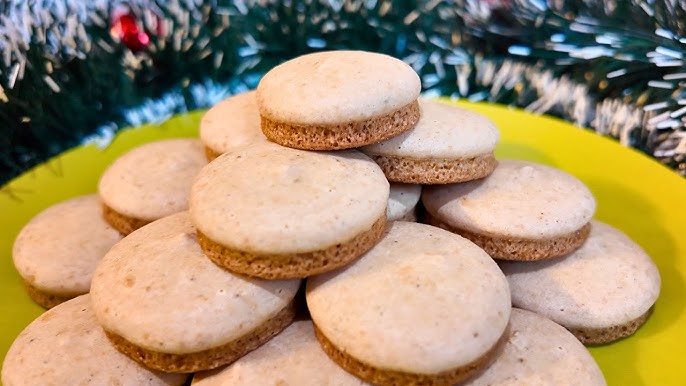
Anise Cookies Recipe: Anise cookies are proof that cookies don’t need to be flashy to be unforgettable. With their soft crumb, delicate sweetness, and warm licorice aroma, these cookies have stood the test of time in kitchens around the world. This guide is designed to help you master homemade anise cookies, even if you’ve never baked with anise before.
Think of this as your all-in-one manual—no guessing, no rushed steps, no half explanations.
What Are Anise Cookies?
Anise cookies are traditional baked cookies flavored primarily with anise extract or anise seeds, both derived from the anise plant. The flavor is often described as mildly sweet, herbal, and reminiscent of black licorice—but gentler and more refined.
They are typically:
- Soft or cake-like
- Lightly sweet (not overpowering)
- Sometimes topped with a simple sugar icing
- Popular during holidays and celebrations
Unlike crunchy biscuits, anise cookies lean toward tenderness, making them perfect with tea, coffee, or even a glass of milk.
The History and Cultural Roots of Anise Cookies
Anise has been used in baking for thousands of years. Ancient civilizations valued it not only for flavor but also for its digestive benefits. Over time, anise made its way into European baking traditions, particularly in Italian, German, and Mediterranean cuisines.
In many Italian households, anise cookies are:
- A staple at weddings
- Served during Christmas and Easter
- Passed down through handwritten family recipes
Each region—and sometimes each family—has its own twist. Some prefer stronger anise notes, others balance it with citrus or vanilla. That flexibility is part of what keeps these cookies relevant today.
Why Anise Cookies Are Still Popular Today
In a world of over-the-top desserts, anise cookies offer something refreshing:
- They’re not overly sweet
- They rely on aroma and balance
- They pair beautifully with beverages
- They feel nostalgic and comforting
Modern bakers also love them because they’re:
- Budget-friendly
- Easy to scale for large batches
- Adaptable to dietary needs
Simply put, they’re timeless.
Flavor Profile: What Do Anise Cookies Taste Like?
Let’s talk flavor—because this is where people get curious.
Anise cookies taste:
- Warm and aromatic
- Lightly sweet, not sugary
- Herbal with a hint of licorice
- Balanced when paired with vanilla or citrus
If you’re worried they’ll taste like candy licorice—don’t be. Properly measured anise adds elegance, not intensity.
Ingredients You’ll Need for Anise Cookies
Dry Ingredients
- All-purpose flour – provides structure
- Baking powder – helps the cookies rise
- Salt – balances sweetness and enhances flavor
Wet Ingredients
- Eggs – bind ingredients and add richness
- Granulated sugar – sweetens and softens texture
- Butter or oil – adds moisture and tenderness
- Milk – creates a smooth dough
Flavoring Ingredients
- Anise extract – the star flavor
- Vanilla extract – rounds out the taste
- Optional anise seeds – for deeper aroma
Ingredient Quality Tips
Use pure anise extract, not imitation. A little goes a long way, and quality extract prevents bitterness.
Kitchen Tools and Equipment Required
Before you begin, gather:
- Mixing bowls (large and medium)
- Hand mixer or stand mixer
- Measuring cups and spoons
- Baking sheets
- Parchment paper
- Cooling rack
- Small bowl for icing
Preparation saves time and prevents mistakes.
Step-by-Step Guide: How to Make Anise Cookies
These classic anise cookies are light, aromatic, and gently sweet, perfect with tea or coffee.
Step 1: Preparing the Dough
In a bowl, cream butter and sugar until light and fluffy. Add eggs, anise extract or ground anise seeds, and vanilla (optional). Mix until smooth. In a separate bowl, whisk flour, baking powder, and salt, then add to the wet mixture to form a soft dough.
Step 2: Mixing Techniques Explained
Mix just until combined—do not overmix. Overworking the dough can make cookies dense. The dough should be soft but not sticky; if needed, chill for 10–15 minutes.
Step 3: Shaping the Cookies
Scoop small portions and roll into 1-inch balls. Place on a parchment-lined baking sheet, spacing them about 2 inches apart. Lightly flatten with your fingers or leave rounded for a puffier look.
Step 4: Baking to Perfection
Bake in a preheated oven at 350°F (175°C) for 10–12 minutes. The bottoms should be lightly golden while the tops remain pale—this keeps them tender.
Step 5: Cooling and Setting
Remove from the oven and let cookies cool on the tray for 5 minutes, then transfer to a wire rack to cool completely. They firm up as they cool.
Tips
- For extra aroma, add a pinch of anise seeds to the dough.
- Glaze with a simple sugar glaze once cooled, if desired.
Enjoy these fragrant, melt-in-your-mouth anise cookies anytime! 🍪✨
Making the Classic Anise Cookie Icing
Simple Icing Ingredients
- Powdered sugar
- Milk or water
- Anise extract (optional)
How to Ice Anise Cookies Properly
Whisk icing ingredients until smooth and thick but pourable. Dip the tops of cooled cookies or drizzle with a spoon. Let set for 20–30 minutes.
Common Mistakes to Avoid When Baking Anise Cookies
- Using too much anise extract
- Overbaking
- Overmixing the dough
- Skipping parchment paper
- Icing cookies while warm
Small errors can overpower flavor or ruin texture.
Variations of Anise Cookies You Can Try
Italian Anise Cookies
Often iced and topped with sprinkles.
Soft vs Crunchy Anise Cookies
Bake slightly longer for firmer texture.
Lemon-Anise Cookies
Add lemon zest for brightness.
Vegan and Dairy-Free Options
Use plant milk and oil instead of butter.
Tips for Perfect Texture and Flavor Every Time
- Measure extract carefully
- Use room-temperature ingredients
- Bake one test cookie first
- Let flavors develop overnight
Anise flavor deepens after resting.
How to Store Anise Cookies Properly
Short-Term Storage
Store in an airtight container at room temperature for up to 7 days.
Freezing Instructions
Freeze baked cookies (uniced) for up to 3 months.
Serving Ideas and Pairings
Serve with:
- Coffee or espresso
- Herbal tea
- Holiday dessert trays
They’re subtle, elegant, and versatile.
Nutritional Overview of Anise Cookies
While still a treat, anise cookies are:
- Lower in sugar than many cookies
- Portion-friendly
- Made with simple ingredients
Enjoy in moderation.
FAQs about Anise Cookies Recipe
1. Can I reduce the anise flavor?
Yes. If you prefer a milder taste, start with half the amount of anise extract and adjust to taste. Anise can be strong, so a little goes a long way.
2. Are anise cookies supposed to be soft?
Traditionally, yes. Anise cookies are meant to be tender and cake-like, not crisp. They firm up slightly as they cool but should remain soft inside.
3. Can I use anise seeds instead of extract?
Yes. Lightly crush the anise seeds before adding them to the dough. Crushing helps release their oils and enhances flavor.
4. Why did my cookies turn out dry?
Dry cookies are usually caused by overbaking or adding too much flour. Measure flour carefully and remove cookies while the tops are still pale.
5. Can I make the dough ahead of time?
Absolutely. You can refrigerate the dough for up to 24 hours. Let it sit at room temperature for a few minutes before shaping and baking.
These tips will help you make soft, flavorful anise cookies every time. 🍪✨
Conclusion
Anise cookies are more than just a recipe—they’re a tradition. Soft, aromatic, and beautifully balanced, they bring comfort with every bite. Whether you bake them for holidays, gifts, or everyday treats, mastering this Anise Cookies Recipe – Step by Step Guide gives you a timeless dessert you’ll return to again and again.
Once you bake them yourself, store-bought versions simply won’t compare.