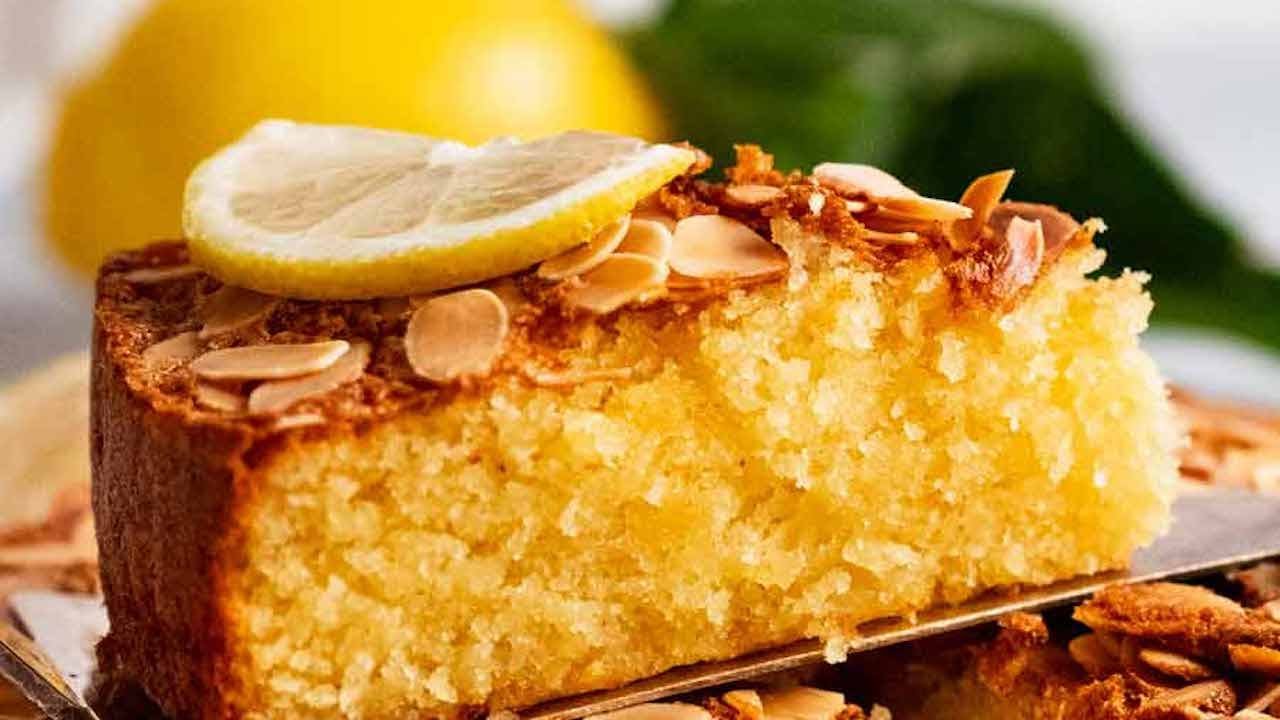
Almond Nut Cake Recipe: Almond nut cake is one of those desserts that feels both elegant and comforting at the same time. With its rich nutty flavor, tender crumb, and light sweetness, it’s a cake that works just as well for a cozy family tea as it does for a festive occasion. Unlike heavy frosted cakes, almond nut cake is naturally flavorful, which means you can keep it simple or dress it up depending on your mood.
Why Almond Nut Cake is a Perfect Dessert
What makes almond nut cake so appealing is its versatility. The natural oils in almonds add richness, so the cake stays moist without being greasy. It also pairs beautifully with fruits, creams, or even a simple dusting of powdered sugar. Plus, almonds are packed with protein, healthy fats, and fiber, making this dessert a bit more wholesome compared to many other cakes.
A Brief History of Almond-Based Cakes
Almonds have been used in baking for centuries. From European marzipan confections to Middle Eastern nut-based desserts, almonds have always been celebrated for their unique flavor and texture. Almond nut cake, in particular, is inspired by traditional European almond tortes, which were often served during special occasions. Over time, the recipe has evolved into a more accessible and everyday treat, perfect for anyone who enjoys a balance of indulgence and nutrition.
Ingredients You’ll Need
Before jumping into the actual baking process, let’s get familiar with the ingredients. A well-prepared baker always organizes everything first—this makes the process smoother and more enjoyable.
Core Ingredients for the Cake Batter
- 1 cup (120g) all-purpose flour
- 1 cup (100g) almond flour (finely ground almonds)
- 1 cup (200g) granulated sugar
- 1/2 cup (115g) unsalted butter (softened)
- 3 large eggs (room temperature)
- 1/2 cup (120ml) milk (whole or almond milk)
- 1 1/2 tsp baking powder
- 1/2 tsp salt
- 1 tsp vanilla extract
- 1/2 tsp almond extract (optional but recommended)
Optional Additions for Extra Flavor
- Zest of 1 orange or lemon for freshness
- 1/4 cup chopped almonds for crunch
- A handful of dried fruits (raisins, cranberries, or apricots)
- A drizzle of honey for extra sweetness
Substitutions for Dietary Preferences
- Gluten-free: Replace all-purpose flour with a gluten-free blend.
- Vegan: Use flaxseed eggs and dairy-free butter.
- Sugar-free: Swap sugar with a natural sweetener like stevia or erythritol.
Tools and Equipment Required
Having the right tools makes a world of difference. You don’t need a fancy kitchen setup, but a few essentials will ensure your cake comes out perfectly.
Baking Essentials You Should Have
- Mixing bowls (large and medium)
- Electric mixer or whisk
- Measuring cups and spoons
- Rubber spatula
- 9-inch round cake pan (or loaf pan)
- Parchment paper
- Cooling rack
Preparing Your Kitchen for Baking
Before you start mixing, preheat your oven to 350°F (175°C). Grease and line your cake pan with parchment paper to prevent sticking. Set out all your ingredients so they’re at room temperature—this helps everything blend smoothly.
Step-by-Step Guide to Making Almond Nut Cake
Now comes the fun part—baking! Let’s walk through each step carefully so your almond nut cake turns out light, moist, and full of flavor.
Step 1 – Preparing the Ingredients
The very first step in any baking recipe is preparation. Measure all your ingredients accurately—baking is a science, so even a little imbalance can affect the final texture. Sift the flour, baking powder, and salt together to avoid lumps. If using citrus zest, grate it now and set it aside. Chop any nuts or dried fruits you want to add so they’re ready to fold in later.
Step 2 – Mixing the Batter Properly
In a large bowl, cream together the softened butter and sugar until light and fluffy. This step incorporates air into the mixture, giving your cake a softer crumb. Next, add the eggs one at a time, beating well after each addition. Mix in the vanilla and almond extract. Gradually add the dry ingredients, alternating with milk, until everything is combined. Avoid overmixing—too much stirring can make the cake dense.
Step 3 – Baking the Cake to Perfection
Pour the batter into the prepared cake pan, spreading it evenly. Bake in the preheated oven for about 35–40 minutes, or until a toothpick inserted into the center comes out clean. The top should be golden brown and slightly firm to the touch.
Step 4 – Cooling and Releasing from the Pan
Once your almond nut cake is fully baked, patience becomes your best friend. Many home bakers make the mistake of trying to remove the cake from the pan too early, which often leads to breakage or crumbling. When the cake comes out of the oven, place it on a wire cooling rack and let it rest in the pan for about 10–15 minutes. This short wait allows the structure to set, making it sturdier when handled.
After the initial cooling period, run a butter knife or thin spatula gently along the sides of the cake to loosen it from the pan. Place a plate or another cooling rack over the top, then carefully invert the cake. Peel off the parchment paper, if used, and allow the cake to cool completely before decorating or serving. Cooling it properly not only improves texture but also enhances flavor, as the nutty aroma becomes more pronounced with time.
Step 5 – Decorating and Serving
Now comes the creative part—decorating your almond nut cake! While this cake is delicious enough to enjoy plain, a little garnish can make it feel extra special. A simple dusting of powdered sugar across the top is classic and elegant. If you prefer something richer, drizzle a light glaze made of powdered sugar, milk, and almond extract.
For a festive touch, sprinkle chopped roasted almonds, slivered almonds, or even candied orange peels over the glaze. Fresh fruits like raspberries, strawberries, or blueberries also pair beautifully with the nutty flavor of the cake.
When it comes to serving, you can enjoy almond nut cake warm or at room temperature. Cut it into neat slices and serve it with a cup of tea, coffee, or even a scoop of vanilla ice cream for a decadent treat.
Tips and Tricks for the Best Almond Nut Cake
Baking might seem intimidating, but with a few clever tips, your almond nut cake will turn out flawless every single time.
How to Keep the Cake Moist and Fluffy
The secret to a moist cake lies in two main things: not overmixing the batter and not overbaking. Always cream the butter and sugar thoroughly, as this creates the right base texture. When adding the flour mixture, fold it in gently instead of beating it aggressively. As for baking, keep a close eye on your oven—every oven is different, and leaving the cake inside for too long can dry it out.
Flavor Pairings that Work Wonderfully
Almond has a naturally warm and nutty flavor, which pairs beautifully with fruits and spices. For a fresh twist, add citrus zest or even a splash of orange juice to the batter. If you prefer something richer, a swirl of melted dark chocolate in the batter creates a delightful marbled effect. Cinnamon, nutmeg, or cardamom also complement almonds well if you want a spiced version.
Storage and Shelf Life
If stored properly, almond nut cake stays fresh for up to 3–4 days at room temperature. Wrap it tightly in plastic wrap or store it in an airtight container to prevent it from drying out. For longer storage, refrigerate the cake for up to a week, or freeze it for up to two months. When freezing, slice the cake first, wrap each piece in plastic, and store in a freezer bag—this makes it easy to thaw individual portions when needed.
Nutritional Value of Almond Nut Cake
While almond nut cake is still a dessert, it’s slightly more nutritious than many other cakes, thanks to the almonds.
Health Benefits of Almonds in Baking
Almonds are an excellent source of vitamin E, healthy fats, protein, and fiber. They support heart health, help regulate blood sugar levels, and can keep you feeling full for longer. Using almond flour instead of regular flour also makes the cake more nutrient-dense and lower in carbohydrates, which is a great option for those on low-carb diets.
Estimated Calories per Slice
On average, a slice of almond nut cake (1/10th of a 9-inch cake) contains about:
- 280–320 calories
- 14–16g fat (mostly healthy fats from almonds and butter)
- 4–6g protein
- 35–40g carbohydrates
Of course, the exact numbers will vary depending on your chosen ingredients and toppings, but overall, it’s a more wholesome treat compared to heavily frosted cakes.
Variations of Almond Nut Cake
One of the most exciting things about almond nut cake is how customizable it is. You can tweak the recipe to fit different dietary needs or simply experiment with new flavor combinations.
Gluten-Free Almond Nut Cake
For those who are gluten intolerant, replace all-purpose flour with a gluten-free flour blend or use only almond flour. This results in a cake that’s rich, slightly denser, and naturally gluten-free.
Almond and Chocolate Cake
Chocolate lovers can mix in cocoa powder or melted chocolate to the batter. A handful of chocolate chips or a drizzle of ganache on top can take the cake to a whole new level of indulgence.
Almond Orange Cake
If you’re after a refreshing, citrusy twist, add orange zest and juice to the batter. The combination of nutty almonds and zesty oranges is a classic flavor pairing that feels bright and light, perfect for spring or summer gatherings.
Serving Suggestions for Almond Nut Cake
Almond nut cake is versatile, which makes it an excellent choice for many occasions. Whether you’re hosting a casual tea party or preparing dessert for a formal dinner, this cake can adapt to the setting.
Perfect Occasions to Serve Almond Nut Cake
This cake fits almost anywhere on the menu. Serve it as a light dessert after a rich meal, where its nutty sweetness balances heavy dishes. It’s also ideal for birthdays or anniversaries if you want something different from the usual frosted cakes. For the holidays, almond nut cake pairs beautifully with festive spreads and can even be baked in advance, making entertaining less stressful. You can also make smaller loaf versions or cupcakes to serve at baby showers, brunches, or office parties.
Beverage Pairings
Pairing beverages with almond nut cake elevates the overall experience. For a classic touch, serve it with a cup of freshly brewed coffee or black tea. If you want something refreshing, herbal teas such as chamomile or mint complement the cake’s nuttiness. For a more indulgent experience, pair the cake with dessert wines like Moscato or Amaretto liqueur. Even a simple glass of cold milk works perfectly for those who prefer a wholesome, comforting treat.
Common Mistakes to Avoid
Baking is rewarding, but small missteps can affect your final results. Knowing the common pitfalls will save you from frustration.
Overmixing the Batter
This is one of the most frequent mistakes. Overmixing after adding the flour develops too much gluten, which leads to a dense and tough cake. The trick is to fold gently until everything is just combined—don’t worry if a few small lumps remain, they will bake out.
Incorrect Baking Temperature
Another common error is baking at the wrong temperature. If your oven is too hot, the outside of the cake will brown quickly while the inside remains undercooked. If it’s too low, the cake may not rise properly. Always preheat your oven and, if possible, use an oven thermometer for accuracy. Stick to the recommended 350°F (175°C), and check for doneness with a toothpick.
FAQs about Almond Nut Cake Recipe
1. Can I use almond flour instead of all-purpose flour?
Yes, you can make the cake with only almond flour, but it will be denser. A mix of almond flour and all-purpose flour provides the best texture.
2. How can I make this cake vegan?
Replace eggs with flax eggs (1 tbsp ground flaxseed + 3 tbsp water per egg), use plant-based milk, and substitute butter with dairy-free margarine or coconut oil.
3. Can I freeze almond nut cake?
Absolutely! Slice it first, wrap each piece tightly in plastic wrap, and store in a freezer bag. It can last up to two months in the freezer.
4. What toppings work best with almond nut cake?
Powdered sugar, light citrus glaze, whipped cream, fresh berries, or roasted almond slivers all work wonderfully as toppings.
5. How long does almond nut cake stay fresh?
Stored properly in an airtight container at room temperature, it stays fresh for 3–4 days. Refrigerated, it lasts up to a week.
Conclusion
Almond nut cake is one of those timeless desserts that’s simple yet elegant, nutty yet sweet, and versatile enough to suit any occasion. With just a handful of pantry-friendly ingredients, you can whip up a cake that feels luxurious without requiring complicated steps. Whether you serve it plain with a sprinkle of powdered sugar, dress it up with glaze and nuts, or infuse it with citrus or chocolate, this cake never fails to impress. It’s also a healthier dessert option thanks to the benefits of almonds, which add both flavor and nutrition.
So, next time you’re in the mood for baking, give this almond nut cake recipe a try. Once you take your first bite, you’ll realize why it’s such a beloved treat worldwide.