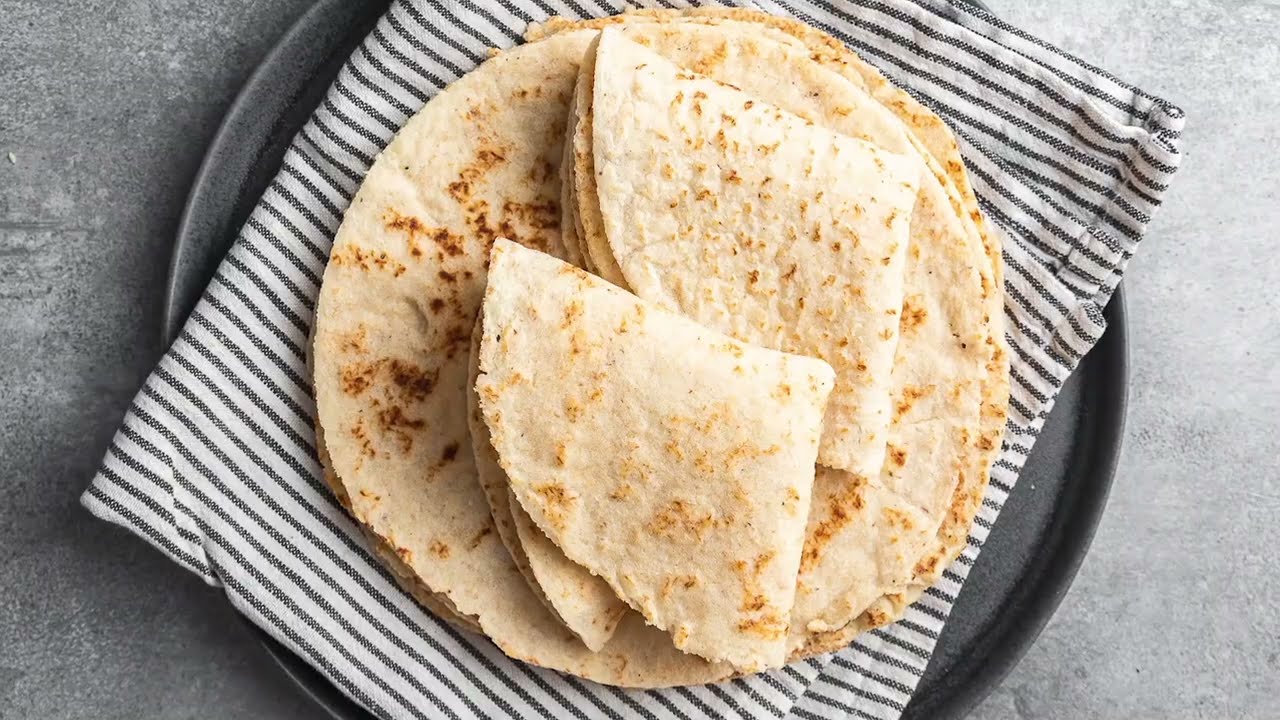
Almond Flour Tortilla Recipe: If you’re tired of store-bought tortillas filled with processed ingredients or just looking for a healthy, gluten-free alternative, almond flour tortillas are here to change your kitchen game. These soft, flexible, and flavorful flatbreads are not only perfect for those following a low-carb, keto, or gluten-free lifestyle, but they’re also downright delicious. Whether you’re whipping up breakfast burritos or lunch wraps, these tortillas are your go-to base for clean, wholesome eating.
What makes almond flour tortillas so amazing? It’s all about the texture and simplicity. They’re soft enough to fold without tearing, sturdy enough to hold your fillings, and full of nutty, toasty flavor that complements everything from grilled veggies to scrambled eggs. Plus, when you make them yourself, you know exactly what’s going in—no additives or preservatives. Ready to make some magic in the kitchen? Let’s dive in.
Ingredients You’ll Need
The beauty of this recipe lies in its simplicity. You don’t need a bunch of complicated ingredients or special flour blends—just a few pantry staples and you’re good to go.
Essential Ingredients:
- 1 cup almond flour (blanched, superfine)
- 2 tablespoons psyllium husk powder (for structure and elasticity)
- ½ teaspoon salt (adjust to taste)
- ½ teaspoon baking powder (for lightness)
- ¾ cup warm water (you may need a little more or less)
- 1 tablespoon olive oil or avocado oil (for pliability)
Optional Add-ins:
- 1 teaspoon garlic powder (for a savory kick)
- ½ teaspoon cumin or chili powder (for taco-style flavor)
- Fresh herbs like cilantro or parsley (chopped finely)
- 1 tablespoon nutritional yeast (for cheesy flavor without dairy)
Why These Ingredients Work Together:
- Almond flour provides a soft, moist base full of healthy fats.
- Psyllium husk binds everything together and gives the dough its stretchiness—this is crucial for flexibility.
- Baking powder adds just a touch of airiness, so the tortillas aren’t dense.
- Oil helps with rolling and keeps the tortillas moist during cooking.
- Warm water activates the psyllium husk and helps form a cohesive dough.
Don’t be tempted to swap out the psyllium husk—it’s the secret weapon here. Without it, the dough may fall apart or become too delicate to roll. If you’re new to these ingredients, no worries—we’ll walk you through each step.
Benefits of Almond Flour Tortillas
Why switch to almond flour tortillas when there are so many types out there? Easy. These tortillas tick all the boxes: they’re nutritious, versatile, and work for multiple dietary lifestyles. Let’s break down the key benefits.
1. Gluten-Free & Grain-Free
Unlike traditional wheat-based tortillas, almond flour tortillas contain zero gluten or grains. This makes them an excellent choice for people with celiac disease, gluten sensitivity, or anyone avoiding grains for health or lifestyle reasons.
2. Low-Carb and Keto-Friendly
Watching your carb intake? Almond flour tortillas fit beautifully into low-carb or keto plans. With only about 2-3 grams of net carbs per tortilla (depending on size), you can enjoy tacos without guilt.
3. Packed with Healthy Fats and Fiber
Almond flour is rich in heart-healthy monounsaturated fats, while psyllium husk adds gut-loving fiber. The combo keeps you fuller longer and supports better digestion.
4. Easy to Make at Home
Once you get the hang of the dough, you’ll never go back to store-bought. Plus, homemade always tastes better—and it’s more cost-effective in the long run.
5. Customizable
Want to spice it up? Add cumin or chili flakes. Craving something sweet? Toss in cinnamon and vanilla. These tortillas are like blank canvases, ready to suit your taste.
Kitchen Tools Required
Before you start mixing and rolling, make sure your kitchen is prepped with the right tools. Having the correct utensils can make or break your tortilla experience—literally.
Must-Haves:
- Mixing bowl – for combining ingredients.
- Measuring cups and spoons – for precision.
- Rolling pin – to flatten the dough evenly.
- Parchment paper – prevents sticking while rolling.
- Non-stick skillet or pan – ensures smooth cooking without tearing.
- Spatula – for flipping the tortillas easily.
- Clean towel or plate with cover – to keep cooked tortillas warm and soft.
You don’t need fancy tortilla presses or gadgets—your hands, a rolling pin, and some parchment paper will do the trick. Now that your tools are ready, let’s get into the fun part: making the dough.
Tips Before You Start Cooking
There are a few tricks that can make your tortilla-making journey smooth and successful from the start.
Choose the Right Almond Flour
Use blanched, superfine almond flour—not almond meal. Almond meal contains skins and has a grittier texture, which can mess up the dough’s consistency.
Don’t Skip the Psyllium Husk
Psyllium husk is essential here. It acts like a gluten replacement, giving the tortillas elasticity. Without it, your tortillas may fall apart or crack when folded.
Rest the Dough
After mixing, let the dough sit for 10–15 minutes. This gives the psyllium husk time to fully absorb the liquid, resulting in a dough that’s easier to roll and more flexible when cooked.
Work Quickly but Carefully
Once the dough is rested, don’t overwork it. Handle it gently when shaping and rolling. A soft touch keeps the tortillas from becoming too dense or dry.
Step-by-Step Guide to Making Almond Flour Tortillas
Now that you’ve got all your ingredients and tools lined up, it’s time to dive into the process. Follow this step-by-step guide, and you’ll have soft, pliable almond flour tortillas in no time.
Step 1: Gather and Measure Ingredients
Measure all ingredients carefully for consistent results. Almond flour can vary by brand, so using a digital kitchen scale helps maintain the right balance. Accurate measurements ensure tortillas that are flexible, not crumbly.
Step 2: Mix the Dry Ingredients
In a mixing bowl, combine almond flour, psyllium husk powder, salt, and baking powder. Whisk thoroughly so the psyllium and leavening are evenly distributed. This step is key for uniform texture and elasticity.
Step 3: Add the Wet Ingredients
Slowly pour in warm water and oil while stirring. Mix until the dough comes together into a soft, slightly sticky mass. The dough should hold its shape without cracking; add a small splash of water if it feels dry.
Step 4: Rest the Dough
Cover the dough and let it rest for 10–15 minutes. During this time, the psyllium husk absorbs moisture and activates, giving the dough structure and flexibility similar to traditional tortillas.
Step 5: Divide and Shape the Dough
Divide the dough into equal portions and roll each into a ball. Place one ball between two sheets of parchment paper and roll into a thin, round tortilla. Keep edges as even as possible for uniform cooking.
Step 6: Cook the Tortillas
Heat a non-stick skillet over medium heat. Carefully place a tortilla in the hot pan and cook for 1–2 minutes per side. Watch for bubbles and light browning. Remove and keep warm while cooking the remaining tortillas.
Storage and Reheating Tips
Once you’ve cooked your tortillas, you’ll want to store them the right way so they stay fresh and flexible.
Refrigeration:
- Store in an airtight container or zip-top bag.
- Keep in the fridge for up to 5 days.
- Place parchment between each tortilla to prevent sticking.
Freezing:
- Freeze in a zip-lock bag with parchment between each one.
- Lasts up to 2 months.
- Thaw in the fridge or at room temperature before reheating.
Reheating Options:
- Warm in a skillet over medium heat for 30–60 seconds.
- Microwave with a damp paper towel for 10–15 seconds.
- Avoid the oven—it can dry them out.
Always reheat just before eating for the best texture.
Serving Ideas
These almond flour tortillas are incredibly versatile. Once you’ve made a batch, you’ll find dozens of ways to use them.
Meal Inspiration:
- Taco Night – Fill with grilled chicken, veggies, or beef.
- Breakfast Wraps – Add scrambled eggs, avocado, and salsa.
- Quesadillas – Melt cheese between two tortillas in a skillet.
- Mini Pizzas – Toast, then top with sauce and cheese.
- Sandwich Wraps – Use instead of bread for a low-carb lunch.
Flavor Pairings:
- Goes great with Mexican, Mediterranean, or Indian flavors.
- Pair with hummus, tzatziki, or guacamole.
- Try sweet versions too—spread with peanut butter and banana.
Don’t be afraid to get creative. These tortillas are your blank canvas for any flavor profile.
Troubleshooting Common Issues
Even the best cooks run into hiccups—especially with gluten-free recipes. If your almond flour tortillas didn’t turn out perfect the first time, don’t worry. Let’s troubleshoot some of the most common issues and how to fix them.
1. Dough Is Too Sticky
If the dough sticks to your hands or the parchment:
- Make sure you’re using blanched almond flour, not almond meal.
- Try chilling the dough for 5–10 minutes to firm it up.
- Lightly dust your hands or the parchment with almond flour.
- Add a tablespoon more almond flour if needed.
2. Dough Is Crumbly or Dry
If it’s falling apart:
- You might need more water—add 1 teaspoon at a time until it comes together.
- Don’t skip the resting period; psyllium needs time to absorb water.
- Double-check your psyllium husk measurement—too little affects binding.
3. Tortillas Tear When Rolling
Usually due to thin dough or dry edges:
- Don’t roll them too thin—aim for 1/8 inch thick.
- Roll between two sheets of parchment to avoid sticking.
- Repair cracks by pressing edges together gently with your fingers.
4. Tortillas Are Cracking After Cooking
This happens if they’re overcooked or under-hydrated:
- Reduce cooking time—1 minute per side is usually enough.
- Reheat gently to restore softness, or microwave under a damp paper towel.
- Store them covered and warm immediately after cooking to trap steam.
5. Dough Won’t Hold Together at All
If it’s just falling apart from the start:
- Make sure you’re using psyllium husk powder, not whole husks or skipping it.
- Recheck all your measurements—small errors matter a lot in this recipe.
- Use warm (not hot or cold) water for proper hydration and texture.
Stick with it—after one or two batches, you’ll get the feel for the dough, and making these tortillas will become second nature.
Almond Flour Tortilla Nutrition Facts (Approximate)
One of the biggest benefits of almond flour tortillas? The clean and nourishing nutrition profile. Here’s an approximate breakdown for one medium-sized tortilla (based on the original recipe making 6 tortillas):
| Nutrient | Amount per tortilla |
|---|---|
| Calories | 120–140 kcal |
| Fat | 10–12g |
| Carbohydrates | 5g |
| Fiber | 3g |
| Net Carbs | 2g |
| Protein | 4–5g |
What Makes It Healthy?
- Healthy fats from almond flour support heart and brain health.
- Low net carbs make them great for keto and low-carb diets.
- Fiber from psyllium husk promotes digestive health.
- No sugar, no grains, and no preservatives—just whole ingredients.
Compared to store-bought tortillas with additives and starchy fillers, these are pure, wholesome, and better for your body.
Make It Your Own – Variations & Add-ins
Once you’ve mastered the basic recipe, it’s time to have fun with flavors and textures. Almond flour tortillas are incredibly versatile, and just a few tweaks can make them taste completely different.
Savory Variations
- Herbed Tortillas: Add 1 tablespoon of chopped rosemary, thyme, or basil.
- Spicy Kick: Mix in ½ teaspoon cayenne, paprika, or chili flakes.
- Garlic & Onion: Add 1 teaspoon garlic powder and onion powder for extra flavor.
- Cheesy Version: Stir in 2 tablespoons of nutritional yeast or shredded parmesan.
Sweet Tortilla Twist
- Add 1 teaspoon cinnamon and a touch of vanilla extract.
- Sweeten with a drop of stevia or monk fruit if desired.
- Use these for dessert wraps or cinnamon “taco” bowls.
Textural Add-ins
- Chia Seeds or Flaxseeds: Add a teaspoon for a nutritional boost.
- Shredded Coconut: For a tropical twist in sweet tortillas.
- Ground sunflower seeds: To add a nutty flavor and more texture.
Just remember: when adding ingredients, adjust the moisture if necessary. Wet add-ins may require more almond flour; dry ones might need a bit more water.
Almond Flour vs. Coconut Flour Tortillas
Ever wondered if you could swap almond flour with coconut flour? Here’s the breakdown so you know what to expect.
| Feature | Almond Flour | Coconut Flour |
|---|---|---|
| Texture | Soft, flexible, nutty | Denser, slightly chewy |
| Absorption | Moderate moisture needed | Very absorbent, needs more liquid |
| Taste | Mild nutty flavor | Slightly sweet, coconut taste |
| Carbs (per ¼ cup) | ~6g net carbs | ~2g net carbs |
| Protein | Higher | Moderate |
| Ease of Use | More forgiving | Trickier to work with |
Coconut flour is not a 1:1 substitute for almond flour—because it absorbs far more liquid, you typically use ¼ the amount of coconut flour and increase eggs or binding agents.
So, which should you choose?
- Use almond flour for softer, more neutral-tasting tortillas.
- Choose coconut flour if you need lower carbs and don’t mind tweaking the recipe.
Both are excellent options, but they behave very differently in dough.
FAQs about Almond Flour Tortilla Recipe
1. Can I make almond flour tortillas without psyllium husk?
Psyllium husk is what gives the tortillas their flexibility. Without it, the dough will be crumbly and hard to roll. If you don’t have it, try using ground flaxseed or chia seed gel, but expect a different texture.
2. How do I keep the dough from sticking when rolling it out?
Roll the dough between two sheets of parchment paper. If it’s still sticky, dust lightly with almond flour. Don’t use plastic wrap—it tends to stick more than parchment.
3. Are almond flour tortillas keto-friendly?
Yes! With just 2–3g net carbs per tortilla, they’re perfect for keto and low-carb diets. They’re also gluten-free, grain-free, and dairy-free.
4. Can I use these for baked dishes like enchiladas?
Absolutely! These tortillas hold up well in baked dishes. Just make sure not to overcook them beforehand so they don’t dry out in the oven.
5. What’s the shelf life of homemade almond flour tortillas?
They last up to 5 days in the fridge and 2 months in the freezer. Reheat before serving for the best texture and taste.
Conclusion
Almond flour tortillas are a game-changer for anyone looking to enjoy the comfort of tortillas without the gluten, grains, or high carbs. With just a few wholesome ingredients and simple steps, you can create delicious, flexible tortillas that pair with nearly anything. Whether you’re eating clean, going keto, or just want to try something new, this recipe delivers every time.
The best part? You can make them exactly how you like. Add your favorite spices, adjust the size, or batch-cook and freeze for later. Once you’ve tried these, store-bought will never be the same again.
So roll up your sleeves, grab that almond flour, and let’s make taco night every night—your way!