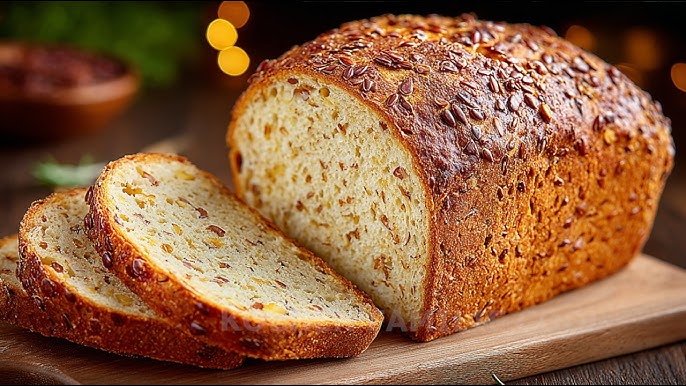
Almond Bread Recipe: Almond bread is one of those recipes that quietly changes the way you think about baking. It’s nutty, moist, wholesome, naturally gluten-free, and incredibly satisfying. Whether you’re baking for health reasons, flavor preferences, or pure curiosity, almond bread delivers comfort without compromise.
In this in-depth guide, we’re going all in. You’ll learn exactly how to make almond bread step by step, why each ingredient matters, how to avoid common mistakes, and how to customize it to suit your lifestyle—keto, paleo, dairy-free, or just “I want great bread.”
This isn’t a rushed recipe. Think of it as baking school meets kitchen confidence.
Let’s start from the foundation.
What Is Almond Bread?
Almond bread is a grain-free bread made primarily from almond flour instead of wheat flour. Unlike traditional bread that relies on gluten for structure, almond bread uses eggs, leavening agents, and fat to create lift and stability.
Think of it as bread’s more thoughtful cousin. It doesn’t try to imitate white bread perfectly—it creates its own identity.
The result?
- Slightly dense but tender crumb
- Rich, nutty flavor
- Moist interior without heaviness
It’s bread that feels intentional.
Why Almond Bread Is So Popular
Almond bread didn’t become popular by accident. It answers a lot of modern food needs in one loaf.
Here’s why people love it:
- Naturally gluten-free
- Lower in carbohydrates than wheat bread
- High in healthy fats
- Protein-rich
- Keeps you full longer
- Easy to customize
For many, it’s not a “replacement” bread—it’s an upgrade.
Almond Bread vs Traditional Wheat Bread
Let’s clear the air.
Traditional bread:
- Depends on gluten
- Often highly processed
- Can cause bloating for some people
Almond bread:
- No gluten at all
- Minimal ingredients
- More nutrient-dense
- Gentler on digestion
They’re not enemies. They’re just different tools for different goals.
Ingredients You’ll Need
This recipe focuses on simplicity, balance, and reliability.
Core Ingredients
- Almond flour – finely ground, blanched
- Eggs – room temperature
- Baking powder
- Salt
- Healthy fat (butter, coconut oil, or olive oil)
- Liquid (milk or dairy-free alternative)
That’s it for the base.
Core Ingredients Explained
Almond Flour
This is the heart of the recipe. Always use blanched almond flour, not almond meal.
Why?
- Finer texture
- Lighter crumb
- Better rise
Almond meal = gritty bread. Save it for pancakes.
Eggs
Eggs do the job gluten normally would. They:
- Bind the batter
- Add lift
- Create structure
No eggs, no bread-like result. They matter.
Baking Powder
This gives the bread its rise. Almond flour doesn’t rise on its own, so baking powder is non-negotiable.
Salt
Salt balances the richness of almonds and brings out flavor. Skipping it makes bread taste flat.
Fat
Fat keeps almond bread moist and tender. Choose based on flavor preference.
Liquid
Milk softens the crumb and improves texture. Dairy-free works perfectly.
Optional Add-Ins & Flavor Boosters
- Honey or maple syrup (for sweet bread)
- Garlic powder or herbs (for savory)
- Seeds (chia, flax, sunflower)
- Nuts for crunch
- Cinnamon or vanilla
These are personality, not structure.
Ingredient Substitutions
- Butter → coconut oil or olive oil
- Milk → almond milk or oat milk
- Baking powder → homemade blend (if needed)
Stick close to the base until you’re confident.
Equipment You’ll Need
- Mixing bowls
- Whisk
- Silicone spatula
- Measuring cups & spoons
- Loaf pan
- Parchment paper
- Oven
No fancy gadgets. Just basics.
Step-by-Step Guide to Making Almond Bread
Almond bread is soft, lightly nutty, and naturally gluten-free, making it perfect for breakfast, sandwiches, or healthy snacking.
Step 1: Prepare Your Ingredients
Preheat your oven to 350°F (175°C). Measure all ingredients ahead of time. This includes almond flour, baking powder, salt, eggs, oil, and any optional add-ins like herbs or seeds.
Step 2: Mix the Dry Ingredients
In a large bowl, combine almond flour, baking powder, and salt. Whisk well to evenly distribute the leavening and prevent clumps.
Step 3: Mix the Wet Ingredients
In a separate bowl, whisk together eggs, olive oil (or melted butter), and a small splash of apple cider vinegar. Mix until smooth and fully combined.
Step 4: Combine Wet and Dry
Pour the wet mixture into the dry ingredients. Gently stir with a spatula until just combined. Avoid overmixing to keep the bread light and tender.
Step 5: Rest the Batter
Let the batter rest for 5–10 minutes. This allows the almond flour to absorb moisture, improving structure and texture.
Step 6: Prepare the Baking Pan
Line a loaf pan with parchment paper or grease it lightly. Pour the batter into the pan and smooth the top evenly. Tap the pan gently to remove air pockets.
Step 7: Bake to Perfection
Bake for 35–40 minutes, or until the top is golden and a toothpick inserted in the center comes out clean. If browning too quickly, loosely cover with foil.
Step 8: Cooling and Slicing
Cool the bread in the pan for 15 minutes, then transfer to a wire rack. Allow it to cool completely before slicing to prevent crumbling.
Slice and enjoy almond bread toasted, plain, or topped with butter, avocado, or your favorite spread. 🍞🌰
Pro Baking Tips for Perfect Almond Bread
- Always weigh almond flour if possible
- Use fresh baking powder
- Don’t overbake
- Let it cool fully
- Store properly
Almond bread rewards precision.
Common Almond Bread Mistakes (And Fixes)
Too dense?
→ Too much almond flour or not enough eggs.
Too moist?
→ Underbaked or sliced too early.
Didn’t rise?
→ Baking powder expired.
Gritty texture?
→ Used almond meal instead of flour.
Texture, Taste, and Aroma
Expect:
- Soft but sturdy crumb
- Nutty aroma
- Mild sweetness (even unsweetened)
- Rich mouthfeel
It’s not fluffy white bread—and that’s the point.
Almond Bread Variations
Keto Almond Bread
- No sweeteners
- High fat
- Dense and filling
Paleo Almond Bread
- Honey or maple syrup
- Coconut oil
- Grain-free and dairy-free
Vegan Almond Bread
- Flax eggs
- Extra leavening
- Slightly denser
Sweet Almond Bread
- Cinnamon
- Vanilla
- Light natural sweetener
Savory Almond Bread
- Herbs
- Garlic
- Seeds
One base, endless directions.
How to Store Almond Bread Properly
- Room temperature: 1–2 days
- Refrigerator: up to 7 days
- Airtight container always
Moisture control is key.
Freezing and Reheating Almond Bread
Freeze sliced.
- Wrap tightly
- Store up to 3 months
- Toast straight from freezer
It reheats beautifully.
Serving Ideas and Pairings
- Toasted with butter
- Avocado spread
- Nut butter
- Eggs and vegetables
- Soup side
It adapts to sweet or savory meals easily.
Nutritional Overview (General)
Almond bread is:
- High in healthy fats
- Moderate protein
- Low in carbs
- Naturally gluten-free
It’s satisfying without heaviness.
Almond Bread for Different Diets
- Gluten-free ✔
- Keto ✔
- Paleo ✔
- Low-carb ✔
- Diabetic-friendly (unsweetened) ✔
Versatility is its strength.
Troubleshooting Guide
If it fails, don’t quit. Almond flour baking has a learning curve. Adjust, retry, master.
FAQs about Almond Bread Recipe
1. Can I use almond meal instead of almond flour?
You can, but the texture will be denser and more grainy. For the best rise and a softer crumb, blanched almond flour is strongly recommended.
2. Why did my almond bread collapse after baking?
This usually happens due to underbaking or excess moisture. Make sure the center is fully set before removing it from the oven, and always let the bread cool completely so it can firm up properly.
3. Can I make almond bread without eggs?
Yes, but expect a denser loaf. Use flax eggs (ground flaxseed mixed with water) and add a little extra baking powder to help with structure and lift.
4. Is almond bread sweet or savory?
By default, almond bread has a neutral flavor. You can make it sweet with honey, cinnamon, or dried fruit, or savory with herbs, cheese, or seeds—it’s completely up to you.
5. Can I toast almond bread?
Absolutely. Toasting enhances the nutty flavor and improves the texture, making it sturdier and more enjoyable, especially for spreads or sandwiches.
These tips will help you get the best texture, flavor, and results every time you bake almond bread.
Final Thoughts
Almond bread is more than a recipe—it’s a skill. Once you understand the ingredients and technique, it becomes second nature. You stop following instructions blindly and start baking with confidence.
This loaf isn’t about perfection. It’s about intentional food that fuels and comforts at the same time.
Bake it once, and you’ll come back to it again.