Almond Biscotti Recipe: Almond biscotti is a delightful twice-baked Italian cookie that’s crunchy, nutty, and slightly sweet—perfect for dipping in your favorite cup of coffee, tea, or even wine. The word “biscotti” literally means “twice cooked” in Italian, and that’s the trick to its famous crunch. Almond biscotti in particular is one of the most traditional and beloved versions of this treat, thanks to its toasted almond flavor and simple ingredients. It’s not overly sweet like some American cookies, which makes it a grown-up favorite for breakfast or dessert. The satisfying snap when you bite into it is unmistakable.
What makes biscotti especially unique is that they last longer than most homemade cookies due to their low moisture content. That makes them not just a delicious snack, but also a smart choice for make-ahead baking or gifting. Whether you’re looking to impress your guests or just treat yourself, almond biscotti offers that perfect combination of elegance and ease.
Origin and History of Biscotti
Biscotti has its roots in the Tuscan region of Italy, dating all the way back to Roman times. Originally made for Roman soldiers as a travel-friendly food, these cookies became known for their long shelf life. Fast forward to the Renaissance, and biscotti had evolved into a delicacy enjoyed by Italian nobility, often served alongside vin santo, a sweet dessert wine.
The almond version became particularly popular in Prato, a city in Tuscany where the recipe was refined to what we now recognize today. Over time, biscotti made its way across Europe and eventually to North America, where variations began to appear—with chocolate, cranberries, or spices. Despite all the modern takes, the classic almond biscotti still reigns as a timeless favorite.
Ingredients You’ll Need
Essential Ingredients
Let’s get down to the delicious details. Here’s what you’ll need to make traditional almond biscotti:
- 2 cups all-purpose flour – This forms the base of your biscotti.
- 1 cup granulated sugar – Adds the sweetness.
- 1 teaspoon baking powder – Helps the dough rise slightly.
- 1/2 teaspoon salt – Enhances all the flavors.
- 3 large eggs – The binding agent and adds richness.
- 1 teaspoon vanilla extract – Adds that comforting aroma.
- 1 teaspoon almond extract – Essential for that nutty depth.
- 1 cup whole almonds (toasted and roughly chopped) – The star of the show.
These ingredients are pantry staples, which makes this an easy recipe to whip up anytime. Toasting the almonds before mixing them in brings out their natural oils and gives your biscotti a deeper, more robust flavor. Almond extract, while optional, truly amplifies the almond experience and complements the crunch beautifully.
Optional Add-Ins for Flavor
Want to make it your own? Here are some tasty variations:
- Dried cranberries or cherries – Add a tangy pop.
- Mini chocolate chips – For a little sweetness.
- Orange or lemon zest – Adds a citrusy kick.
- Cinnamon or nutmeg – Warm spices work well with almonds.
These aren’t part of the traditional recipe, but experimenting with flavors can lead to your own signature biscotti blend. Just keep total add-ins under 1/2 cup so you don’t overwhelm the dough.
Kitchen Tools Required
Basic Tools
No fancy equipment needed here—just the basics:
- Mixing bowls – At least two for wet and dry ingredients.
- Measuring cups and spoons – Precision matters with biscotti.
- Whisk or electric mixer – To mix the eggs and sugar.
- Baking sheet – For the two rounds of baking.
- Parchment paper – Prevents sticking and makes cleanup easier.
- Sharp serrated knife – Essential for slicing clean biscotti pieces.
If you bake even occasionally, chances are you already have most of these tools in your kitchen.
Helpful Extras
These tools aren’t essential but can make the process smoother:
- Stand mixer – Saves your arms when mixing a thick dough.
- Cooling rack – Helps biscotti crisp up evenly.
- Offset spatula – Handy for shaping the dough log cleanly.
The key is to remember biscotti dough is much stickier than cookie dough, so having a bit of patience—and maybe a silicone spatula—goes a long way in making the shaping and slicing process less messy.
Preparation Tips Before You Start
Ingredient Measurements
Precision is crucial when baking. Make sure to level off your flour with a knife, not your hand. Overpacking flour can result in dense, dry biscotti. The same goes for sugar—too much, and your biscotti might caramelize and burn on the bottom during the second bake.
Crack your eggs into a separate bowl before adding to the mix to avoid shell fragments. Room temperature eggs whip up better and provide a more uniform texture.
Preheating and Lining Your Tray
Always preheat your oven to 350°F (175°C). Biscotti baking is all about timing and temperature control. Use parchment paper or a silicone baking mat to line your tray. It keeps the biscotti from sticking and prevents over-browning on the bottom.
Also, get your workspace ready. The dough comes together fast, and it’s easier if you don’t have to hunt for tools mid-recipe. You’ll be shaping logs and handling sticky dough, so have a bit of flour nearby for dusting your hands or the counter.
Step-by-Step Almond Biscotti Recipe
Step 1 – Mixing the Dough
Here’s where the magic begins. Start by whisking your dry ingredients—flour, baking powder, and salt—in a medium bowl. In a separate large bowl, beat together the eggs, sugar, vanilla extract, and almond extract until the mixture becomes light and fluffy. If you’re using a hand or stand mixer, this step should take around 3-4 minutes. This not only blends the ingredients well but also introduces air into the batter, giving the biscotti a lighter crunch.
Next, gradually add your dry mixture into the wet ingredients. Stir slowly to avoid flour flying everywhere. Once combined, fold in your toasted, chopped almonds. The dough will be sticky and a bit stiff—that’s completely normal. If you’re using any extras like chocolate chips or dried fruit, now’s the time to stir those in as well.
Avoid overmixing at this stage. Overworking the dough can lead to tough biscotti. Once everything is incorporated evenly, you’re ready for shaping.
Step 2 – Shaping and First Bake
Take a parchment-lined baking sheet and lightly dust your hands with flour. Divide the dough in half and form two logs about 12 inches long and 3 inches wide. Make sure they’re spaced out on the tray as they’ll spread slightly during baking. Flatten the tops gently with your hands or a spatula to create that classic biscotti shape.
Bake the logs at 350°F (175°C) for about 25-30 minutes, or until they’re lightly golden and firm to the touch. Don’t expect them to be fully crispy just yet—that comes later in the second bake. What you’re looking for is a baked, set structure that can be sliced without crumbling.
Remove them from the oven and let them cool for 10 minutes on the tray. Cooling slightly helps them firm up, making slicing easier. Don’t rush this part, or you risk cracking the logs.
Step 3 – Cooling and Slicing
Once the logs have cooled a bit but are still warm, transfer them to a cutting board. Using a sharp serrated knife, slice them diagonally into ½ to ¾ inch thick pieces. The diagonal cut is what gives biscotti their signature elongated shape.
Cutting them while they’re still warm is key. If they cool completely, they’ll crumble when sliced. If they’re too hot, they’ll mush instead of slice. Aim for clean, swift strokes with minimal pressure—let the knife do the work.
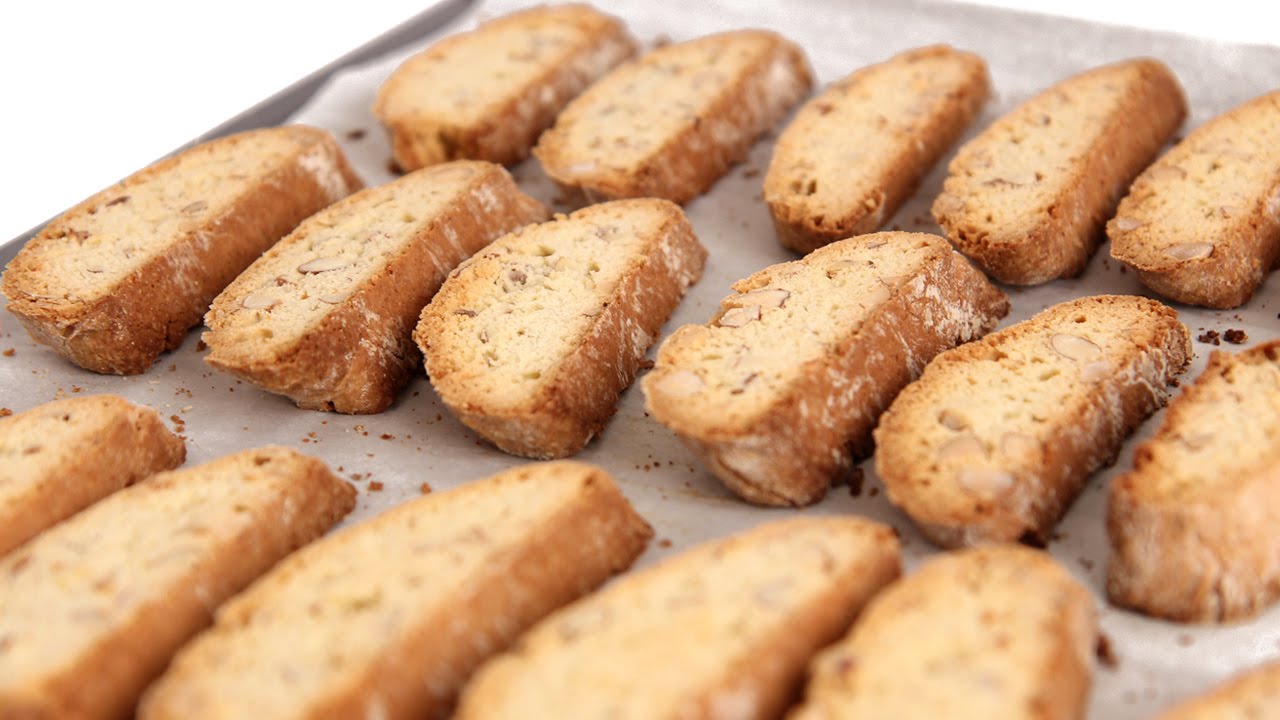
Arrange the sliced biscotti flat on the baking sheet. You may need a second tray depending on how many slices you get. Keep the cut sides exposed for the second bake.
Step 4 – Second Bake for Crispiness
Now for the crunch. Reduce your oven temperature to 300°F (150°C). Return the biscotti to the oven for a second bake—about 10-12 minutes per side. After 10 minutes, flip each piece over so both sides crisp evenly. This second bake is what turns your soft cookie slices into classic biscotti: dry, crisp, and golden.
Once done, transfer the biscotti to a wire rack to cool completely. Don’t be tempted to bite in right away—they’ll harden as they cool and achieve that perfect texture.
Serving Suggestions
Best Drinks to Pair With Biscotti
Almond biscotti is a true companion to hot drinks. Dip it into a cup of black coffee or espresso for an authentic Italian café experience. The dry crunch softens just enough when dipped, enhancing both the flavor and texture.
Tea drinkers aren’t left out either. Biscotti goes wonderfully with black teas like Earl Grey or English Breakfast. You can also try pairing it with herbal teas like chamomile or rooibos for a gentler taste.
For a more indulgent pairing, try it with dessert wine such as vin santo, port, or even a creamy latte. The sweetness of the drink complements the almond notes in the biscotti, making it an after-dinner treat to remember.
Presentation Ideas
Biscotti isn’t just about taste—it’s also visually appealing. Stack them in a mason jar with a ribbon for a lovely homemade gift. Serve on a platter with a small dish of melted chocolate or fruit preserves for dipping.
For brunch or breakfast gatherings, biscotti can be arranged in mugs or tied in cellophane bags with custom tags. Their rustic charm adds a cozy, homemade feel to any event. Dust with powdered sugar or drizzle with white chocolate for an extra touch of flair.
Storage and Shelf Life
How to Store Biscotti
One of the best things about biscotti—aside from how delicious it is—is how well it stores. Once your almond biscotti has cooled completely, store it in an airtight container at room temperature. This helps retain its crisp texture and prevents it from going stale.
Use a metal or plastic container with a tight-fitting lid. Glass jars also work, and they let you admire your handiwork while keeping the cookies fresh. Line the bottom of the container with a paper towel to absorb any excess moisture and maintain that signature crunch.
Properly stored, almond biscotti can last up to two weeks at room temperature. For best results, keep it in a cool, dry place away from sunlight or steam—so definitely not next to your stove or dishwasher.
If you’re planning to gift them or send them in care packages, biscotti is a fantastic choice because it travels well without crumbling or losing its freshness quickly.
Freezing Instructions
Need to make a big batch in advance? No problem. Almond biscotti freezes beautifully. Just make sure the cookies are completely cool before wrapping them individually or in small stacks using plastic wrap or parchment paper.
Place the wrapped biscotti in a freezer-safe zip-top bag or airtight container, removing as much air as possible. Label with the date so you know how long they’ve been in the freezer.
They can stay frozen for up to three months. When you’re ready to enjoy them, just let the biscotti thaw at room temperature for 15-30 minutes. You can also re-crisp them in a 300°F oven for 5-10 minutes if they’ve softened a bit.
Common Mistakes to Avoid
Overbaking or Undermixing
Biscotti may seem foolproof, but small mistakes can impact the final result. One common error is overbaking during the second bake. It’s easy to get carried away trying to make them extra crunchy, but doing so can dry them out and even create a burnt aftertaste. Keep a close eye during the second bake and remember, they will continue to harden as they cool.
Undermixing, on the other hand, can lead to inconsistent texture and flavor. Make sure the ingredients are evenly incorporated—especially the eggs and sugar mixture, which should be beaten until light. If your dough has dry pockets or uneven almond distribution, the biscotti won’t bake properly.
Cutting While Too Hot
This one’s a biggie. If you slice the biscotti logs right out of the oven, they’ll fall apart. The texture is too soft at that point, and even the best knife can’t save it. On the flip side, waiting too long to slice (until they’ve cooled completely) makes them hard as a rock and difficult to cut without cracking.
The sweet spot? Let them cool for exactly 10 minutes. That gives them enough time to set without hardening too much. Use a sawing motion with a serrated knife for the cleanest slices, and resist the urge to press down hard—let the blade do the work.
Nutritional Information
Calories and Macros per Biscotti
Wondering how your favorite crunchy treat stacks up health-wise? Here’s a general breakdown of the nutrition in one average almond biscotti (based on a batch of 20):
| Nutrient | Amount per Biscotti |
|---|---|
| Calories | 110-130 kcal |
| Carbs | 18-20g |
| Sugars | 7-8g |
| Protein | 3-4g |
| Fat | 4-5g |
| Fiber | 1g |
These numbers can vary depending on the size of your biscotti and any extra ingredients you add like chocolate or dried fruit. If you’re watching your sugar or calorie intake, make mini biscotti or reduce the sugar in the dough slightly. You’ll still get all the flavor with a lighter footprint.
Healthier Ingredient Swaps
Looking to make your biscotti a bit more nutritious without sacrificing taste? Try these simple swaps:
- Use whole wheat flour for added fiber.
- Substitute coconut sugar or maple syrup for refined sugar.
- Add flaxseed meal or chia seeds for a protein and omega-3 boost.
- Swap out half the almonds for sunflower or pumpkin seeds for a different nutrient profile.
- Reduce sugar by 25%—biscotti doesn’t need to be overly sweet.
You can also make them gluten-free by using a 1:1 gluten-free baking flour blend, though texture may vary slightly.
FAQs about Almond Biscotti Recipe
1. Can I make almond biscotti without eggs?
Yes, you can use flax eggs or other egg replacers, though the texture may be slightly less crisp.
2. Why is my biscotti dough too sticky?
It’s normal for biscotti dough to be sticky. Dust your hands with flour when shaping, but don’t overdo it or you’ll dry the dough.
3. Can I skip the second bake?
Technically yes, but you’ll end up with more of a soft cookie than true biscotti. The second bake is what gives it the iconic crunch.
4. How can I keep biscotti from crumbling when slicing?
Let the logs cool for exactly 10 minutes, then slice with a serrated knife using a gentle sawing motion.
5. What’s the best way to toast almonds for this recipe?
Spread them on a baking sheet and bake at 350°F for 8-10 minutes, shaking the tray halfway through to toast evenly.
Conclusion
Making almond biscotti from scratch is one of those satisfying baking projects that checks all the boxes: simple ingredients, easy techniques, and a stunning, crunchy result. It’s a treat that not only tastes amazing but also holds cultural charm and culinary history.
The process may seem lengthy, but it’s straightforward—and the results are absolutely worth it. With a little patience and the right tips, you’ll have a batch of café-worthy biscotti cooling on your counter in no time. Whether you stick with the classic almond flavor or experiment with your own twist, one thing’s for sure: once you make homemade biscotti, you may never go back to store-bought again.
So grab your apron, toast those almonds, and get baking. You’re just a few steps away from biscotti bliss!