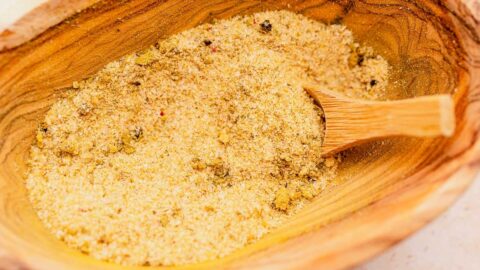
Adobo Seasoning Recipe: Adobo seasoning is a bold, flavorful blend of spices that originated from Latin American and Caribbean cuisines. It’s often used as a dry rub or a marinade base and is well-loved for its earthy, smoky, slightly tangy, and garlicky profile. This spice mix has evolved over time and varies by region, but the core ingredients typically include garlic powder, onion powder, oregano, black pepper, and ground cumin.
You’ll find this seasoning in everything from grilled meats to roasted vegetables. It’s a pantry staple in many homes and is prized for its versatility and deep flavor. Unlike commercial spice blends that often contain fillers or additives, making your own adobo seasoning ensures purity and the ability to tailor the flavor exactly to your taste.
History and Cultural Significance
The word “adobo” comes from the Spanish word adobar, which means “to marinate.” Spanish colonists brought the concept of adobo to the Americas, and it merged beautifully with local ingredients and traditions, particularly in Puerto Rico, the Philippines, and Mexico.
In the Philippines, adobo refers more to a cooking method involving vinegar, garlic, and soy sauce. In Latin American cuisines, however, adobo seasoning is typically a dry spice rub. Regardless of the version, it’s a shining example of cultural fusion—where culinary techniques blend with indigenous ingredients to create something magical.
Today, adobo is more than just a seasoning. It’s comfort food, a taste of home, and a go-to spice for chefs and home cooks alike.
Ingredients You’ll Need
Core Spices in Adobo Seasoning
Creating your own adobo seasoning starts with understanding its essential ingredients. Here’s a breakdown of the core components that give this blend its iconic flavor:
- Garlic powder: Arguably the backbone of adobo. It provides that pungent, savory note that defines the blend.
- Onion powder: Adds depth and a subtle sweetness to balance the garlic.
- Dried oregano: Gives an earthy, herbaceous quality. Mexican oregano is preferred if available.
- Ground cumin: Adds warmth and smokiness, essential for that deep, rounded flavor.
- Black pepper: Brings a sharp, biting heat that awakens the palate.
- Salt: Not always included in homemade blends but often found in store-bought versions. If you want a salt-free mix for flexibility, leave it out.
These ingredients are available at most grocery stores and are easy to find in both organic and bulk spice forms.
Optional Ingredients to Customize
One of the best things about making your own adobo seasoning is the ability to customize. Depending on your taste, you might want to include:
- Paprika (smoked or sweet): For a hint of smokiness or color.
- Turmeric: For a golden hue and subtle earthy undertone.
- Chili powder or cayenne: For a spicy kick.
- Coriander: To add a lemony, slightly sweet dimension.
- Bay leaf powder: Rare, but adds a traditional note often found in Caribbean adobo recipes.
Customization lets you fine-tune the seasoning based on what you’re cooking or your personal flavor preferences. For instance, if you prefer a smoky flavor, a bit of smoked paprika can take your adobo to the next level.
Step-by-Step Adobo Seasoning Recipe
Step 1: Gather Your Ingredients
Before diving into mixing, gather everything you’ll need. Here’s a basic recipe to get you started:
- 2 tablespoons garlic powder
- 2 tablespoons onion powder
- 1 tablespoon dried oregano
- 1 tablespoon ground black pepper
- 1 tablespoon ground cumin
- 1 tablespoon salt (optional)
- 1 teaspoon paprika (optional)
Use high-quality spices for the best flavor. Organic or freshly ground spices can elevate your adobo mix from good to incredible.
Step 2: Measure the Spices Precisely
Accuracy matters. Using measuring spoons ensures consistency in your mix. If you like a stronger garlic flavor, feel free to add an extra half tablespoon of garlic powder—but keep the balance in mind. Too much of any one ingredient can overpower the rest.
This is also the stage where you can adjust the intensity. Want it hotter? Add cayenne. Prefer a sweeter note? Try a pinch of cinnamon or brown sugar.
Step 3: Mix the Spices
Once measured, pour all the ingredients into a small bowl or jar. Stir with a spoon or whisk until the spices are well-blended and no clumps remain. You can also place everything in a small spice grinder or blender for a finer consistency.
Make sure the mix is uniform. You don’t want to bite into a grilled chicken and get a mouthful of only cumin or pepper. A well-blended mix ensures every bite is seasoned to perfection.
Step 4: Store Your Adobo Seasoning
Transfer the spice mix into an airtight jar or spice container. Label it with the name and date. Store it in a cool, dark place—like your spice cabinet or pantry—to maintain freshness. Properly stored, your adobo seasoning should last up to 6 months without losing its punch.
Pro tip: Avoid storing it near the stove or in direct sunlight, as heat and light degrade the potency of spices over time.
How to Use Adobo Seasoning
Meat Dishes
Adobo seasoning is your go-to spice blend when it comes to meat. It adds incredible depth and flavor to beef, chicken, pork, and even lamb. For quick weeknight dinners, you can use it as a dry rub. Just sprinkle it generously over your meat, rub it in with your hands, and let it sit for 15–30 minutes before grilling, baking, or pan-searing.
If you have more time, make a wet marinade by combining your adobo seasoning with olive oil, lime juice, and a splash of vinegar. This not only tenderizes the meat but infuses it with bold, savory goodness. Think of chicken thighs sizzling on the grill with a smoky crust and juicy interior—pure magic.
One of the most classic uses is in Carne Adovada (Mexican marinated pork), where adobo seasoning plays a central role. It’s also perfect for taco meat, fajitas, and slow-cooked roasts. The seasoning enhances the meat’s natural flavors without overpowering them, creating a balanced taste that keeps you coming back for more.
Vegetables and Side Dishes
Adobo isn’t just for carnivores. Vegetarians and veggie-lovers can enjoy this blend just as much. Try tossing some chopped potatoes, carrots, or cauliflower in olive oil and adobo seasoning before roasting them in the oven. You’ll get beautifully golden, crispy edges with a smoky, garlicky kick.
Another great way to use adobo is by seasoning beans or lentils. Whether you’re making a hearty bean soup, stewed black beans, or chickpea salad, a teaspoon or two of adobo seasoning can completely transform the dish.
Sprinkle it over corn on the cob with some butter and lime for a quick street food-style treat. Or mix it into rice or quinoa for a subtly spiced side that pairs well with any protein. The versatility of this seasoning makes it a secret weapon for everyday cooking.
Marinades and Soups
Adobo seasoning also shines in marinades and soups. You can mix it with citrus juice (like lemon or lime), vinegar, olive oil, and maybe a bit of honey or soy sauce for a complex marinade that works wonders on both meats and tofu. Let your protein soak up those flavors for a few hours or overnight, and then grill or pan-fry it to perfection.
In soups and stews, add a tablespoon or two to the base to give your broth a warm, seasoned backbone. It pairs especially well with tomato-based dishes, black bean soup, lentil stew, and even chicken tortilla soup. You’ll instantly notice the rich umami and slight heat it brings to the pot.
It’s also fantastic in slow cookers and Instant Pots—just toss your ingredients in with some adobo seasoning and let the machine do its thing. The spices slowly infuse the whole dish, giving you that “cooked all day” flavor without the effort.
Tips for the Perfect Blend
Using Fresh vs Dried Ingredients
When it comes to making adobo seasoning, freshness is key. Always choose dried spices that are fragrant and vibrant in color. Dull, faded spices often mean they’ve lost their potency. For example, fresh dried oregano should crumble easily between your fingers and have a strong, herbal aroma.
If you’re tempted to grind your own garlic or onion into powder—go for it. Using freshly ground spices will give you a more intense flavor. You can dry fresh herbs and grind them at home using a spice grinder or mortar and pestle for an artisanal touch.
However, store-bought dried ingredients work just fine if you choose high-quality brands. Look for non-irradiated, organic, or fair-trade spices when possible.
Adjusting for Heat and Flavor
One of the biggest perks of homemade adobo seasoning is that you control the heat and overall flavor profile. If you prefer it mild, stick to the core ingredients and omit anything spicy like cayenne or chili powder.
If you’re a spice lover, amp it up with crushed red pepper flakes or extra black pepper. Want a smokier profile? Swap out regular paprika for smoked paprika. Prefer a more citrus-forward punch? Add some lemon zest or dried lime powder to the mix.
The point is: don’t be afraid to tweak and experiment. Everyone’s palate is different, and your personal version of adobo should reflect what you love. Start with a base, make small adjustments, taste as you go, and keep notes so you can recreate your favorite batches later.
Storing and Shelf Life of Homemade Adobo Seasoning
Proper Storage Methods
Once you’ve made your custom adobo seasoning, storing it properly ensures it maintains its robust flavor and aroma for as long as possible. The best way to store it is in an airtight glass container—think spice jars, mason jars, or any container with a tight-sealing lid. Avoid plastic containers unless they are specifically designed for food storage, as they can sometimes absorb the oils and aromas from the spices, affecting both the container and the seasoning.
Label your jar with the name and date of creation. Trust me, when your spice rack starts to grow, you’ll be grateful you did. Store the jar in a cool, dry, and dark place—like a pantry or spice cabinet, away from direct sunlight and heat sources. Light and heat can cause the spices to lose their potency more quickly.
Shelf Life and When to Replace
Generally, homemade adobo seasoning can last up to 6 months, although it’s safe to use even after that time frame. The flavor, however, will gradually diminish. If you open the jar and the aroma is weak or dull, it’s time to whip up a fresh batch.
Always use clean, dry utensils when scooping out your seasoning. Moisture can cause clumping and even lead to mold growth, especially if your blend includes salt.
One handy trick? Make smaller batches more frequently. This way, your seasoning stays fresh and vibrant, and you have the freedom to tweak the recipe each time based on what you’re cooking or your current cravings.
Health Benefits of Adobo Seasoning
Low in Calories, Big on Flavor
One of the most underrated aspects of adobo seasoning is its health-conscious appeal. It’s naturally low in calories, fat-free, and—if you skip the salt—sodium-free too. This makes it a fantastic way to add layers of flavor without piling on unnecessary calories or unhealthy additives.
Using adobo seasoning can help you cut down on sugar-laden sauces or heavy cream-based marinades. Instead of drenching your meat or vegetables in bottled dressings, a sprinkle of adobo brings that same flavor punch in a much healthier package.
Antioxidants and Anti-Inflammatory Properties
Many of the spices in adobo seasoning—like garlic, oregano, cumin, and black pepper—are rich in antioxidants and anti-inflammatory compounds. These ingredients have been linked to various health benefits, such as improved digestion, reduced inflammation, and enhanced immune function.
For example, garlic powder contains allicin, known for its antimicrobial properties, while oregano is packed with flavonoids and phenolic acids. Cumin has been shown to support metabolism and aid in digestion.
Using a homemade, all-natural seasoning blend helps you avoid artificial flavors, preservatives, and excess sodium often found in store-bought versions. You get flavor and health in every shake.
Regional Variations of Adobo Seasoning
Puerto Rican Adobo
Puerto Rican adobo often includes salt, garlic, oregano, black pepper, and turmeric, giving it a warm yellow hue. It’s a key ingredient in many of the island’s iconic dishes like pernil (roast pork) and arroz con pollo (chicken with rice). It’s typically used both as a dry rub and marinade, and it’s nearly impossible to walk into a Puerto Rican kitchen and not find a jar of adobo in the spice cabinet.
Mexican Adobo
Mexican adobo is more complex and often used as a sauce or paste rather than a dry seasoning. It usually includes dried chiles (like ancho or guajillo), vinegar, garlic, cumin, and oregano. It’s used in dishes like adobo chicken, enchiladas, or tamales, delivering a rich, smoky flavor with a slight tang.
Filipino Adobo (The Dish)
Interestingly, in the Philippines, adobo refers to an entire method of cooking, not just a spice mix. Filipino adobo typically involves meat stewed in vinegar, soy sauce, garlic, bay leaves, and black peppercorns. Although different from the dry spice mix, it shares the same spirit—bold, balanced, and deeply savory.
Understanding these regional differences helps you adapt your homemade blend to match the cultural flavor profiles you enjoy most.
Homemade vs. Store-Bought Adobo Seasoning
Pros of Homemade Adobo
Making your own adobo seasoning is not just about saving money—though that’s a nice bonus. It’s about control and customization. You get to:
- Choose high-quality ingredients
- Avoid fillers, MSG, or preservatives
- Adjust salt and spice levels
- Create your own signature flavor blend
Homemade adobo is fresher, often more aromatic, and a healthier alternative to commercial products.
Store-Bought Convenience
Store-bought adobo, like brands such as Goya or Badia, offer convenience and consistency. They’re great in a pinch, especially if you’re cooking for a crowd or need a quick go-to. Just be sure to read the labels—some versions contain anti-caking agents, MSG, or high sodium content.
If you’re using store-bought, consider blending it with your own spice additions to tweak the flavor. A little personalization can go a long way.
Creative Recipes Using Adobo Seasoning
Adobo Chicken Tacos
Let’s start with a crowd-pleaser—adobo chicken tacos. This dish is quick, flavorful, and perfect for both weeknight dinners and gatherings. Just marinate boneless chicken thighs in olive oil, lime juice, and 2 tablespoons of your homemade adobo seasoning. Let it sit for at least an hour or overnight for deeper flavor.
Grill or pan-fry the chicken until it’s perfectly cooked and slightly charred on the edges. Slice thin and pile it into warm corn tortillas. Top with fresh cilantro, diced onions, a squeeze of lime, and maybe a little sour cream or avocado crema. It’s bold, zesty, and guaranteed to become a family favorite.
You can also turn it into a taco bowl—just add rice, beans, grilled corn, and your favorite toppings. Either way, the adobo flavor will be the star of the show.
Adobo-Roasted Veggie Bowl
For a wholesome vegetarian option, try an adobo-roasted veggie bowl. Toss a medley of chopped sweet potatoes, bell peppers, zucchini, and cauliflower with olive oil and a couple teaspoons of adobo seasoning. Roast at 400°F (200°C) for 25–30 minutes until tender and slightly crispy.
Serve the veggies over a bed of quinoa or brown rice and top with a tahini or yogurt-based dressing. It’s a simple, nourishing meal packed with plant-based goodness and full of flavor. Want to take it up a notch? Add a poached egg or a handful of feta for a protein boost.
This bowl is a great example of how adobo seasoning can elevate simple ingredients into something extraordinary.
Adobo-Spiced Popcorn or Nuts
Feeling snacky? Adobo seasoning isn’t just for meals—it makes a killer snack mix too. Sprinkle it over hot, freshly popped popcorn for a savory, slightly spicy twist on your regular movie night snack.
Or toss it with roasted nuts—like almonds or cashews—along with a bit of olive oil and roast at 350°F (175°C) for 10–15 minutes. You’ll get crunchy, addictive bites that are way better (and healthier) than store-bought snack mixes.
Whether you’re prepping a lunch, hosting a party, or just want something delicious on hand, these creative uses for adobo will keep your meals exciting and flavorful.
Common Mistakes to Avoid
Overusing the Seasoning
Adobo is potent—less is often more. One of the most common mistakes is overseasoning, especially when using salt-heavy store-bought versions. If your dish ends up too salty or too spicy, it can throw off the balance of the meal.
Start with a small amount (1/2 to 1 teaspoon per pound of meat or veggies), then taste and adjust. You can always add more, but you can’t take it out once it’s mixed in.
Using Low-Quality Spices
Your seasoning is only as good as the ingredients you put in it. Avoid old, dusty spices that have been sitting in your pantry for years. Invest in fresh, aromatic spices for the best flavor.
Try to source your spices from reputable stores or bulk bins with high turnover. Organic and non-irradiated options tend to have more intense flavors and better health benefits.
Not Adjusting for Salt
If you include salt in your blend, remember to adjust the amount of salt you use elsewhere in the recipe. If you’re cooking for someone on a low-sodium diet, consider making a salt-free version of your adobo seasoning. This gives you more control and flexibility in your overall dish.
FAQs about Adobo Seasoning Recipe
Q1: Can I use adobo seasoning as a substitute for taco seasoning?
Yes! Adobo seasoning makes a great substitute for taco seasoning, though it has a more herbaceous, garlicky flavor. You can even blend the two for a unique twist.
Q2: How spicy is adobo seasoning?
Homemade adobo seasoning can be mild or spicy depending on the ingredients. You control the heat by adjusting the amount of chili powder, black pepper, or cayenne pepper you include.
Q3: Is adobo seasoning gluten-free?
Absolutely—especially if you make it at home using pure spices. Just double-check that your store-bought spices don’t have additives or fillers that contain gluten.
Q4: What can I use if I don’t have cumin for my adobo mix?
If you’re out of cumin, try using ground coriander or caraway seeds. The flavor will be different but still aromatic and warm.
Q5: Can I use adobo seasoning on seafood?
Definitely! Adobo adds a beautiful depth to shrimp, salmon, and white fish. Just be mindful of the amount—seafood cooks quickly and can absorb strong flavors fast.
Conclusion
Adobo seasoning is more than just a spice mix—it’s a passport to bold, unforgettable flavors. With just a handful of pantry staples, you can create a versatile, customizable blend that elevates everything from grilled meats to roasted veggies, from soups to snacks. Whether you stick to the traditional recipe or give it your own creative twist, homemade adobo is a kitchen essential worth mastering.
So next time you want to bring some serious flavor to your plate, skip the store shelf and make your own blend. It’s easy, it’s fun, and it’s a delicious way to explore the rich culinary traditions of Latin America and beyond.