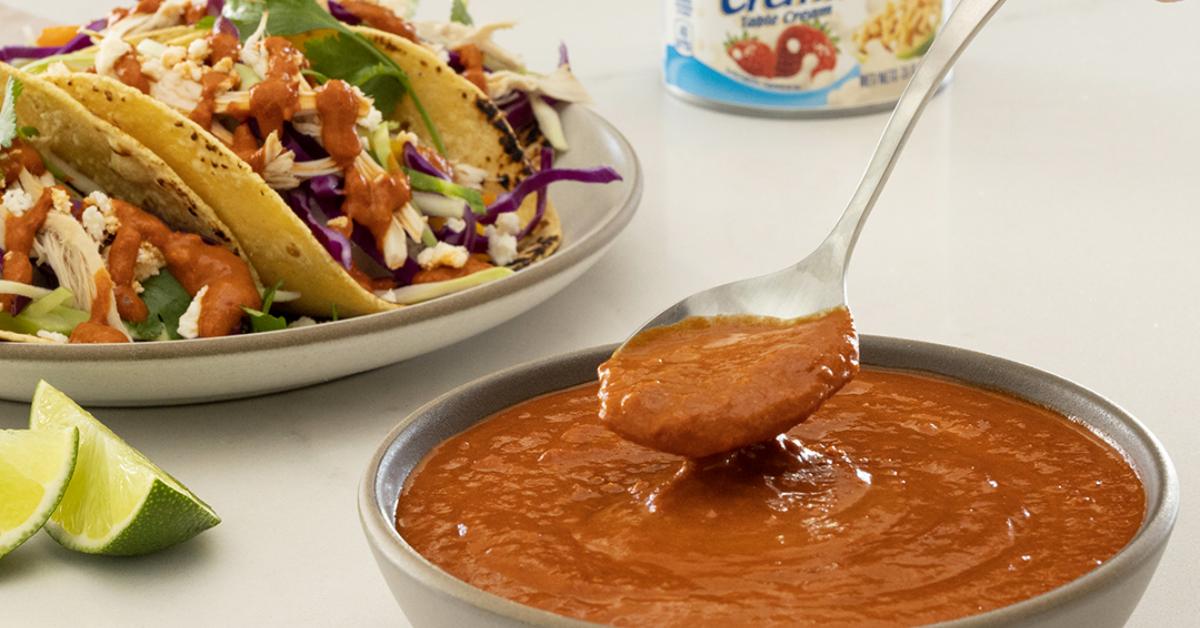
Adobo Sauce Recipe: Adobo sauce is a smoky, tangy, and slightly spicy sauce that packs a flavor punch. Often associated with Mexican and Filipino cuisines, this deeply flavorful sauce is typically made with dried chilies, garlic, vinegar, and spices. Whether you’re using it to marinate meats, stir into stews, or drizzle over tacos, adobo sauce brings a deep umami and heat that’s irresistible.
It’s rich, earthy, and complex, with every spoonful offering a blend of spice, acidity, and sweetness. That’s what makes adobo sauce such a popular kitchen staple, especially for those who love bold flavors. You’ve probably tasted it in chipotle peppers in adobo — yes, that sauce that makes your grilled chicken pop with flavor.
Origins of Adobo Sauce
Adobo comes from the Spanish word “adobar,” meaning to marinate. Spanish colonists introduced the term to the Americas, where local cooks began using native ingredients like dried chilies and vinegar to create what we now call adobo sauce. While Filipino adobo is more of a vinegar-soy-based stew, Mexican adobo relies heavily on dried chilies, garlic, and spices to create its signature sauce.
Popular Uses of Adobo Sauce
Adobo sauce is not just for canned chipotle peppers. You can use it in:
- Marinades for pork, chicken, or beef
- Taco fillings and enchilada sauces
- A smoky base for soups or chili
- Toppings for grilled vegetables or roasted potatoes
- Sandwich spreads or burger toppings
The best part? You can customize it depending on how smoky, spicy, or tangy you like it.
Ingredients Needed for Adobo Sauce
Let’s break down what you need to craft this magic in a jar.
Core Ingredients
Here’s your base shopping list:
- Dried Chilies: Ancho and guajillo are the most common. They’re smoky and mildly spicy.
- Garlic: Fresh garlic cloves — the more, the better.
- Onion: Adds sweetness and body.
- Vinegar: Typically white or apple cider vinegar for tang.
- Tomato Paste: For body and subtle sweetness.
- Spices: Think cumin, oregano, black pepper, and a pinch of cinnamon or clove for depth.
- Salt and Sugar: For seasoning and balance.
These core ingredients are all about building layers of flavor. The chilies bring heat and smokiness, the vinegar brings brightness, and the tomato paste gives that saucy consistency.
Optional Add-ons for Custom Flavor
- Chipotle Chilies: Want that smoky heat? Add dried chipotle or morita chilies.
- Bay Leaf: Adds a subtle herbal note.
- Allspice or Cloves: For extra depth.
- Honey or Maple Syrup: If you like a sweet twist.
You can mix and match based on your spice tolerance and preferred flavor profile. Want it fiery? Add arbol chilies. Want it milder? Use more anchos and guajillos.
Step-by-Step Guide to Making Adobo Sauce
Here’s the hands-on, kitchen-splattered, flavor-bursting guide to making authentic adobo sauce at home.
Step 1 – Prepare Your Chilies
Start by cleaning your dried chilies. Snap off the stems, shake out the seeds, and slice them open. Use gloves if you’re working with spicier varieties like arbol or chipotle — the oils can burn your skin.
Clean chilies give a cleaner, smoother sauce. Plus, removing seeds helps tone down bitterness and heat.
Step 2 – Toast and Soak the Chilies
This step is crucial for unlocking the flavors.
- Heat a dry skillet over medium heat.
- Toast each chili for about 10–15 seconds per side. You want them fragrant, not burnt.
- Transfer the toasted chilies to a bowl and cover them with hot water.
- Let them soak for 20–30 minutes until soft and pliable.
This softens the skin and makes blending easier later. Don’t skip this — it’s what brings out the chilies’ complexity.
Step 3 – Blend with Aromatics
Once your chilies are soaked, it’s time to blend.
In a blender or food processor, combine:
- Soaked chilies (drained)
- Garlic cloves
- Chopped onion
- Tomato paste
- Vinegar
- Salt, sugar, and spices (cumin, oregano, etc.)
Add a bit of the soaking liquid (about ½ cup) and blend until smooth. Scrape the sides occasionally to make sure everything gets pureed. You want a thick, creamy, vibrant sauce.
Step 4 – Simmer and Season
Transfer the blended mixture to a saucepan. Bring it to a gentle simmer over medium-low heat. Let it cook for 10–15 minutes, stirring occasionally. This helps the flavors come together and the sauce thicken.
Taste as it simmers — you can adjust salt, sugar, or vinegar depending on whether you want it spicier, tangier, or sweeter. The longer it simmers, the richer it gets.
Step 5 – Store for Future Use
Let the sauce cool completely before storing.
- Store in a glass jar or airtight container.
- Keep in the fridge for up to 2 weeks.
- Or freeze in ice cube trays for easy use later.
You’ve just made a flavor bomb. This homemade adobo sauce will elevate your cooking in ways you never imagined.
Tips to Perfect Your Adobo Sauce
Let’s face it — not every batch will be perfect the first time. But here’s how you can master it.
Flavor Balancing
Adobo sauce is all about balance. Too sour? You probably added too much vinegar. Too bitter? Maybe the chilies were over-toasted or you left the seeds in. Here’s how to fix it:
- Too Sour: Add a touch of sugar or honey to mellow out the vinegar.
- Too Bitter: Blend in a small roasted tomato or a pinch of sugar.
- Too Spicy: Dilute with more tomato paste or add a roasted red bell pepper to tone down the heat.
Taste frequently. Start with less spice and vinegar, and adjust as you go. Trust your taste buds — they’ll guide you better than any recipe.
Texture and Thickness Adjustments
Some like their adobo sauce thick like ketchup; others prefer it a bit looser, like BBQ sauce. You can control that easily:
- Thicker Sauce: Simmer longer or add more tomato paste.
- Thinner Sauce: Add more soaking liquid or a splash of water or stock.
If you want a silky-smooth finish, strain the sauce after blending. It removes any leftover skins or seeds and makes your sauce restaurant-quality.
How to Use Adobo Sauce in Cooking
Once you’ve got a jar of adobo sauce ready, the real fun begins. This is where it becomes a kitchen MVP.
As a Marinade
This is the OG use. Adobo sauce shines as a marinade for meats.
- Chicken: Marinate thighs or drumsticks for 4–6 hours, then grill or roast.
- Pork: Works wonders on pork shoulder, especially for tacos.
- Beef: Rub it on a steak or chuck roast — bold and beefy flavors pair beautifully.
Add a bit of olive oil to the sauce for extra richness, or yogurt if you want a tenderizing boost. Either way, you’ll get juicy, flavorful results every time.
In Soups and Stews
Add a tablespoon or two to:
- Chili: For smoky depth and heat.
- Tortilla Soup: Adds that roasted pepper punch.
- Beans or Lentil Soups: Wakes up earthy legumes with bold, bright flavor.
The vinegar and chili combo cuts through fatty ingredients and adds complexity that canned goods just can’t match.
As a Topping or Dip
Adobo sauce can work as more than just an ingredient — it’s also a condiment.
- Drizzle on tacos or nachos.
- Stir into sour cream or Greek yogurt for a killer dip.
- Spread on burgers or sandwiches for a smoky kick.
- Use as a pizza base for a fun Mexican twist.
You can even stir it into mayo or ketchup for a spicy aioli. Just one spoonful can transform a dish.
FAQs about Adobo Sauce Recipe
Can I freeze Adobo Sauce?
Yes, absolutely. Freeze it in ice cube trays for single-use portions. Once frozen, transfer cubes to a zip-top bag and store for up to 3 months.
Is Adobo Sauce spicy?
It can be, depending on the chilies used. Ancho and guajillo are milder, while chipotle and arbol bring the heat. You can control the spice level by adjusting the chili ratio.
How long does it last in the fridge?
Homemade adobo sauce lasts about 2 weeks in the fridge in an airtight container. Make sure to use a clean spoon each time to keep it fresh.
What dishes go best with Adobo Sauce?
Grilled meats, roasted vegetables, beans, rice, tacos, sandwiches, even scrambled eggs! It’s incredibly versatile.
Can I make it without chilies?
Not really. Chilies are the backbone of adobo sauce. But you can use milder dried chilies or reduce the quantity if you’re spice-sensitive.
Conclusion
Adobo sauce is one of those magical recipes that every home cook should know. It’s rich, spicy, tangy, and packed with flavor. The best part? You can completely tailor it to your taste. Whether you like it smoky, sweet, fiery, or mild — there’s room for personalization. And once you’ve made it once, you’ll want to keep a jar on hand at all times.
From marinating meats to jazzing up tacos, adobo sauce is a powerhouse in the kitchen. It may seem like a simple mix of chilies and spices, but once you try it, you’ll realize how it can elevate almost any dish. So grab your dried chilies, fire up that blender, and let the aroma of homemade adobo fill your kitchen. You won’t regret it.