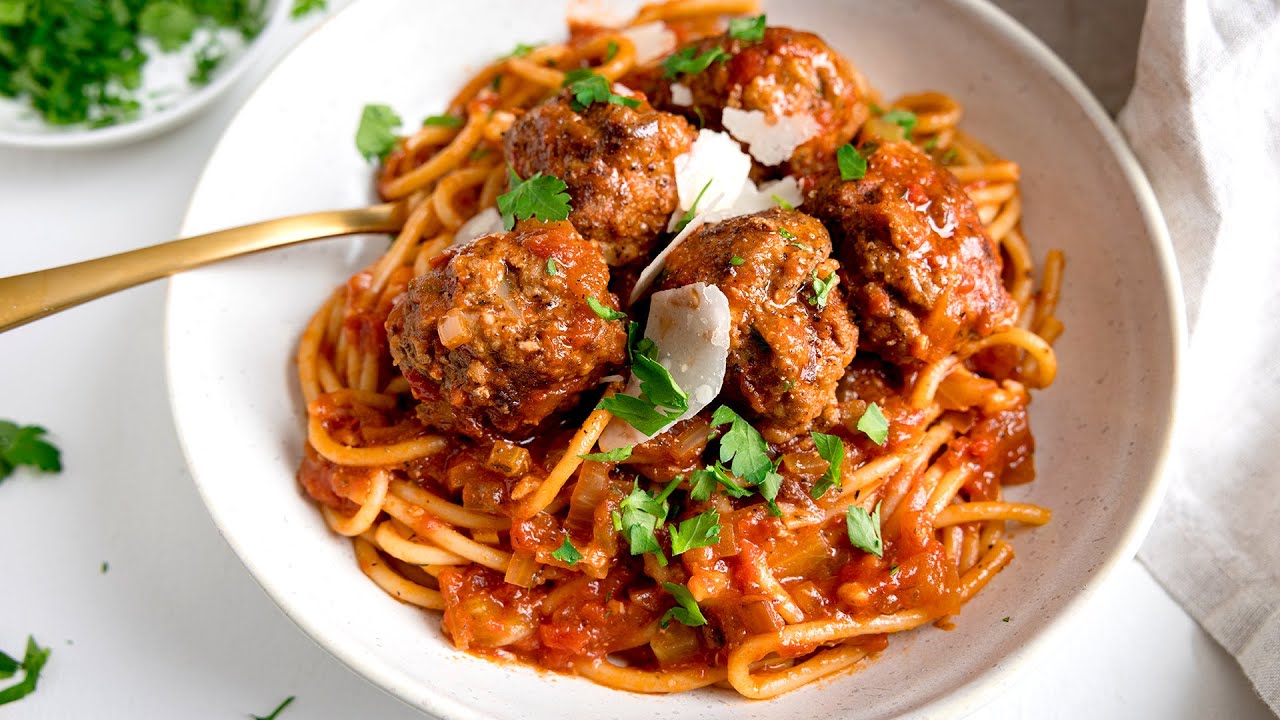
Spaghetti and Meatballs Recipe: Spaghetti and meatballs are more than just a meal—they’re a symbol of comfort food that brings families together. The combination of tender meatballs, rich tomato sauce, and perfectly cooked pasta creates a flavor-packed experience loved worldwide. Whether served during a cozy dinner or at a festive gathering, this dish never fails to impress.
Its simplicity makes it approachable, but the layers of flavor make it sophisticated. The best part? It’s versatile, allowing endless tweaks and variations to suit different tastes.
History and Origin of Spaghetti and Meatballs
While spaghetti and meatballs are often associated with Italian cuisine, the dish actually has its roots in Italian-American culture. Italian immigrants who settled in the U.S. adapted traditional recipes to match locally available ingredients.
In Italy, pasta and meatballs are typically served separately, but Americans combined them to create this now-iconic dish. Its evolution reflects the blend of cultures, highlighting the importance of adaptation in culinary traditions.
Ingredients and Tools Needed
Ingredients for Meatballs
For approximately 4 servings, you’ll need:
- Ground Beef or Pork (or a mix) – 1 pound (80% lean for best flavor)
- Breadcrumbs – ½ cup (for texture)
- Parmesan Cheese – ¼ cup, grated (adds richness)
- Egg – 1 large (to bind ingredients)
- Milk – 2 tablespoons (for moisture)
- Garlic – 2 cloves, minced (for flavor)
- Fresh Parsley – 2 tablespoons, finely chopped
- Salt and Pepper – To taste
- Olive Oil – For frying
Ingredients for Spaghetti and Sauce
- Spaghetti Pasta – 12 ounces
- Crushed Tomatoes – 1 can (28 ounces)
- Tomato Paste – 2 tablespoons (for thickness)
- Onion – 1 small, finely chopped
- Garlic – 3 cloves, minced
- Olive Oil – 2 tablespoons
- Italian Seasoning – 1 teaspoon
- Fresh Basil – 2 tablespoons, chopped
- Salt and Pepper – To taste
- Parmesan Cheese – For garnish
Essential Kitchen Tools
- Large mixing bowls
- Frying pan or skillet
- Large pot for boiling pasta
- Wooden spoon
- Tongs or spatula
- Strainer or colander
Step-by-Step Guide to Making Spaghetti and Meatballs
Step 1: Prepare the Meatball Mixture
In a large bowl, combine ground beef (or a mix of beef and pork) with breadcrumbs, grated Parmesan, minced garlic, chopped parsley, an egg, salt, and black pepper. Add a splash of milk to keep the meatballs tender. Gently mix just until combined—overmixing can make them dense.
Step 2: Shape and Brown the Meatballs
Roll the mixture into evenly sized meatballs. Heat olive oil in a skillet over medium heat and brown the meatballs on all sides. They don’t need to cook through at this stage—browning builds flavor. Remove and set aside.
Step 3: Simmer the Tomato Sauce
In the same pan, sauté onions and garlic until fragrant. Add crushed tomatoes, salt, pepper, and a pinch of sugar if needed. Bring to a gentle simmer, then return the meatballs to the sauce. Cover and simmer until the meatballs are cooked through and tender.
Step 4: Cook the Spaghetti
While the sauce simmers, cook spaghetti in well-salted boiling water until al dente. Reserve a little pasta water, then drain.
Step 5: Combine Everything Together
Toss the cooked spaghetti with the sauce, adding pasta water if needed to loosen it. Serve topped with meatballs, grated cheese, and fresh herbs for a comforting classic.
Serving Suggestions and Variations
Side Dishes That Pair Well with Spaghetti and Meatballs
Enhance your meal with some delicious side dishes:
- Garlic Bread: Perfect for dipping into the rich tomato sauce.
- Caesar Salad: A light, crunchy salad balances the hearty pasta.
- Roasted Vegetables: Adds extra nutrition and flavor.
- Bruschetta: Offers a fresh and tangy appetizer to start the meal.
Creative Variations and Dietary Alternatives
Want to switch things up? Try these variations:
- Meat Alternatives: Substitute ground beef with turkey, chicken, or plant-based meat for healthier or vegetarian options.
- Gluten-Free Pasta: Use gluten-free spaghetti for those with dietary restrictions.
- Spicy Kick: Add red chili flakes or spicy sausage for heat lovers.
- Cheesy Surprise: Stuff meatballs with mozzarella for a gooey, cheesy center.
- Zoodles (Zucchini Noodles): A low-carb alternative to pasta.
These variations ensure the dish suits everyone’s taste and dietary preferences.
FAQs about Spaghetti and Meatballs Recipe
1. What ingredients do I need for spaghetti and meatballs?
To prepare spaghetti and meatballs, you’ll need ground meat (beef, pork, or a mix), breadcrumbs, Parmesan cheese, eggs, garlic, onion, salt, pepper, olive oil, spaghetti pasta, and your choice of marinara sauce.
2. How long does it take to cook spaghetti and meatballs?
The total cooking time for spaghetti and meatballs is typically around 1 hour. This includes preparing and cooking the meatballs and simmering them in the sauce.
3. Can I make meatballs without eggs?
Yes, you can make meatballs without eggs by substituting with ingredients like mashed potatoes, ricotta cheese, or even a bit of olive oil to help bind the mixture together.
4. What is the secret to tender meatballs?
The key to tender meatballs is not overmixing the meat mixture and ensuring it has enough moisture, either from eggs or another binder like milk-soaked breadcrumbs.
5. Can spaghetti and meatballs be frozen for later use?
Absolutely! Cooked meatballs and sauce freeze well. Allow them to cool completely before freezing in airtight containers. They can be stored for up to 3 months.
6. Are there any tips for making the sauce more flavorful?
To enhance your marinara sauce, consider simmering it with a bay leaf, adding a splash of red wine, or stirring in some fresh basil or oregano towards the end of cooking for fresh herbal notes.
Conclusion
By following this step-by-step guide, you can prepare tender, flavorful meatballs, a rich tomato sauce, and perfectly cooked spaghetti that come together to create a memorable meal. Don’t forget to add your personal twist with garnishes and side dishes to make it even more special.
Cooking is all about creativity and fun, so feel free to experiment and make this dish your own. Gather your ingredients, roll up your sleeves, and enjoy the process of creating one of the most beloved meals in culinary history.