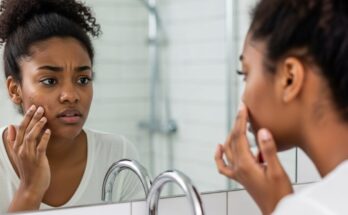
Dermatologist-recommended microneedling for dark skin is a minimally invasive cosmetic treatment that can improve acne scars, uneven skin texture, enlarged pores, fine lines, and certain pigmentation concerns. The procedure stimulates natural collagen and elastin production, supporting healthier, smoother, and firmer-looking skin.
Unlike some resurfacing treatments that rely on intense heat, traditional microneedling creates controlled micro-injuries that activate the skin’s natural repair mechanisms. This makes it a suitable treatment option for many individuals with darker skin tones when performed correctly.
We recommend choosing professional microneedling treatments specifically tailored to melanin-rich skin to achieve optimal results while minimizing the risk of post-inflammatory hyperpigmentation, irritation, and scarring.
Is Microneedling Safe for Dark Skin?
Microneedling is generally considered suitable for darker skin tones, including individuals with Fitzpatrick skin types IV, V, and VI. Traditional microneedling does not depend on targeting melanin, making it an attractive alternative to certain aggressive laser resurfacing procedures.
The American Academy of Dermatology recognizes microneedling as a treatment option for acne scars across different skin tones. However, professional assessment remains essential because inappropriate treatment techniques can trigger unwanted pigmentation changes. American Academy of Dermatology+1
We recommend a personalized treatment approach that considers skin sensitivity, pigmentation levels, existing skin conditions, and individual cosmetic goals.
Best Dermatologist-Recommended Microneedling Treatments for Dark Skin
Several microneedling techniques are available for individuals seeking to improve their skin appearance. Selecting the appropriate procedure depends on the severity of skin concerns, medical history, and desired results.
1. Traditional Collagen Induction Microneedling
Traditional microneedling uses fine, sterile needles to create controlled microchannels within the skin. This process stimulates tissue repair and collagen remodeling without introducing thermal energy.
Traditional microneedling may help improve:
- Depressed acne scars
- Uneven skin texture
- Fine lines and wrinkles
- Enlarged pore appearance
- Mild skin laxity
- Certain forms of uneven pigmentation
We recommend considering traditional microneedling for individuals who want gradual skin rejuvenation without the additional risks associated with heat-based treatments.
2. Radiofrequency Microneedling for Dark Skin
Radiofrequency microneedling (RF microneedling) combines mechanical needling with radiofrequency energy to stimulate collagen remodeling within deeper skin tissues.
This treatment may be considered for individuals experiencing acne scarring, wrinkles, or reduced skin firmness.
However, radiofrequency microneedling requires careful patient selection. The FDA has reported potentially serious complications, including burns, scarring, facial fat loss, and nerve damage. We recommend discussing these risks with a qualified dermatologist before proceeding. FDA+1
3. Microneedling With Platelet-Rich Plasma (PRP)
Microneedling with platelet-rich plasma combines conventional microneedling with a preparation derived from the patient’s own blood.
PRP contains growth factors that may support tissue repair and skin rejuvenation. Some clinical studies suggest potential benefits when combined with microneedling for acne scarring.
Nevertheless, results vary, and the FDA has not cleared microneedling devices specifically for delivering PRP into the skin. Patients should discuss the supporting evidence, potential complications, and treatment suitability with their dermatologist.
Benefits of Dermatologist-Recommended Microneedling for Dark Skin
Professional microneedling can address multiple cosmetic concerns while supporting the skin’s natural regenerative processes.
Improves Acne Scars
Microneedling encourages collagen remodeling beneath depressed acne scars, gradually improving their appearance. Rolling scars and certain boxcar scars may respond particularly well to appropriate treatment.
Reduces the Appearance of Hyperpigmentation
Microneedling may improve certain types of uneven pigmentation as part of a comprehensive skincare treatment plan. However, aggressive treatment can worsen pigmentation, particularly in individuals prone to post-inflammatory hyperpigmentation.
We recommend identifying the underlying cause of dark spots before beginning treatment.
Minimizes Enlarged Pores
Increased collagen production may improve the structural support surrounding pores, making them appear less prominent. Although microneedling cannot permanently eliminate pores, it may create a smoother and more refined complexion.
Improves Skin Firmness and Elasticity
Collagen remodeling can gradually improve mild skin laxity, supporting a firmer and more youthful appearance without surgical intervention.
Reduces Fine Lines and Wrinkles
Microneedling may soften superficial wrinkles by encouraging the production of structural proteins that support skin firmness and elasticity.
How Dermatologists Customize Microneedling for Melanin-Rich Skin
Successful microneedling for Black and brown skin requires more than selecting a professional device. Dermatologists must evaluate how the skin responds to inflammation, injury, and previous cosmetic procedures.
Personalized Needle Depth
The appropriate needle depth depends on the treatment area, skin thickness, scar characteristics, and individual sensitivity.
Deeper penetration does not necessarily produce better results. Excessive skin injury may increase the likelihood of inflammation, prolonged recovery, and pigmentation complications.
Controlled Treatment Intensity
A conservative treatment approach allows dermatologists to assess skin tolerance and gradually adjust subsequent sessions when necessary.
Appropriate Treatment Intervals
Allowing sufficient recovery time between microneedling sessions supports collagen remodeling and reduces unnecessary stress on the skin barrier.
How to Prepare Dark Skin for Microneedling
Proper preparation can improve treatment tolerance and reduce avoidable complications. We recommend attending a comprehensive dermatological consultation before scheduling the procedure.
Patients should discuss their skincare products, previous cosmetic treatments, medications, history of pigmentation problems, and tendency to develop raised scars.
A dermatologist may recommend temporarily discontinuing irritating skincare ingredients, avoiding excessive sun exposure, and maintaining a gentle moisturizing routine before treatment.
Individuals with active acne, skin infections, open wounds, or uncontrolled inflammatory skin conditions may need to postpone microneedling until these concerns have been addressed.
Microneedling Aftercare for Dark Skin
Following a consistent aftercare routine is essential for protecting melanin-rich skin during recovery.
Protect the Skin From Sun Exposure
We recommend using broad-spectrum sunscreen with an SPF of 30 or higher once the treating dermatologist confirms that sunscreen can be safely applied.
Tinted sunscreens containing iron oxides may provide additional protection against visible light that contributes to pigmentation concerns. American Academy of Dermatology
Maintain Skin Hydration
A gentle, fragrance-free moisturizer can support skin barrier recovery and reduce uncomfortable dryness following treatment.
Avoid Harsh Skincare Ingredients
Retinoids, exfoliating acids, facial scrubs, and other potentially irritating products should be avoided until the skin has recovered sufficiently.
Allow Natural Skin Recovery
Avoid scratching, peeling, or picking at treated skin. Excessive manipulation can increase inflammation and interfere with normal healing.
Persistent pain, blistering, increasing swelling, or signs of infection require prompt medical attention.
How Many Microneedling Sessions Are Needed for Dark Skin?
Most individuals require multiple microneedling sessions to achieve meaningful improvements. A treatment course may involve three to six sessions, depending on the condition being treated and the skin’s response.
| Skin Concern | Estimated Sessions |
|---|---|
| Mild acne scars | 3–4 sessions |
| Moderate acne scars | 4–6 sessions |
| Uneven skin texture | 3–4 sessions |
| Fine lines | 3–6 sessions |
| Enlarged pores | 3–4 sessions |
| Mild skin laxity | 3–6 sessions |
These estimates are general rather than guaranteed treatment requirements. A dermatologist should determine the appropriate number of sessions and recovery intervals.
Results typically develop gradually as collagen remodeling continues over several months.
Professional Microneedling vs. At-Home Microneedling for Dark Skin
We recommend professional microneedling over aggressive at-home dermarolling for treating significant skin concerns.
Professional treatments offer individualized assessment, controlled needle penetration, hygienic equipment, and clinical supervision.
At-home microneedling may increase the risk of infection, pigmentation changes, scarring, and irritation when performed incorrectly. Individuals with melasma, eczema, or acne-prone skin may be particularly susceptible to complications.
For melanin-rich skin, prioritizing professional expertise is especially important when addressing persistent pigmentation or deeper acne scars.
Who Should Avoid Microneedling for Dark Skin?
Microneedling is not suitable for everyone. Individuals with a history of keloid scarring, poor wound healing, active skin infections, bleeding disorders, or certain immune system conditions may not be appropriate candidates.
Patients taking medications that affect bleeding or skin recovery should disclose their medical history during consultation.
We recommend obtaining dermatological clearance before undergoing any invasive skin rejuvenation procedure, particularly when underlying medical conditions are present.
How to Choose the Best Microneedling Dermatologist for Dark Skin
Choosing a dermatologist experienced in treating skin of color can significantly influence treatment safety and outcomes.
We recommend selecting a qualified provider with demonstrated experience in managing pigmentation disorders, acne scars, and cosmetic procedures for darker skin tones.
A reputable dermatologist should provide a comprehensive skin assessment, explain realistic treatment expectations, use sterile professional equipment, and offer detailed aftercare instructions.
Reviewing before-and-after photographs of patients with similar skin tones can also help establish realistic expectations.
What Results Can We Expect From Microneedling for Dark Skin?
With appropriate treatment and consistent aftercare, patients may notice improvements in skin smoothness, firmness, texture, and the appearance of depressed scars.
Unlike temporary cosmetic solutions, microneedling works through gradual biological processes. Visible improvements may continue developing for several months after treatment.
Maintaining a gentle skincare routine, protecting the skin from sun exposure, and addressing underlying skin conditions can help preserve treatment results.
FAQs about Dermatologist Recommended Microneedling for Dark Skin
1. Is microneedling safe for dark skin?
Yes, dermatologist-recommended microneedling for dark skin is generally safe when performed by a qualified professional. It stimulates collagen production while minimizing unnecessary damage to the skin’s surface. However, improper treatment can cause hyperpigmentation or scarring.
2. What type of microneedling is best for dark skin?
Professional microneedling with adjustable needle depths is often recommended for darker skin tones. Dermatologists customize treatments according to skin sensitivity, concerns, and pigmentation risks.
3. Can microneedling cause hyperpigmentation in dark skin?
Yes. Although microneedling can improve skin texture, excessive irritation or improper technique may trigger post-inflammatory hyperpigmentation (PIH). Choosing an experienced dermatologist helps reduce this risk.
4. How many microneedling sessions does dark skin need?
Most patients require approximately 3–6 microneedling sessions, depending on their skin concerns. Treatments are typically spaced several weeks apart to support healing and collagen development.
5. Does microneedling help with acne scars on dark skin?
Yes, microneedling can improve the appearance of atrophic acne scars, uneven texture, and enlarged pores. Results vary depending on scar severity and individual skin response.
6. How long does dark skin take to heal after microneedling?
Initial redness, swelling, and sensitivity generally improve within 24–72 hours, although complete recovery may take longer. Gentle skincare and daily sun protection are essential.
7. Should dark skin patients consult a dermatologist before microneedling?
Absolutely. We recommend consulting a board-certified dermatologist experienced in treating darker skin tones. Professional assessment helps determine suitable needle depths, treatment frequency, and aftercare.
8. Is microneedling better than laser treatment for dark skin?
Microneedling may offer a lower risk of pigmentation changes than certain laser treatments. However, the safest and most effective option depends on the patient’s skin condition, treatment goals, and the technology used.
Conclusion
Dermatologist-recommended microneedling for dark skin offers a promising approach to improving acne scars, uneven texture, enlarged pores, fine lines, and mild skin laxity.
We recommend prioritizing professional collagen induction therapy, personalized treatment protocols, conservative treatment intensity, and appropriate aftercare to minimize pigmentation complications.
By choosing a qualified dermatologist experienced in melanin-rich skin, individuals can pursue smoother, healthier, and more refined skin while preserving their natural complexion and supporting long-term skin health.