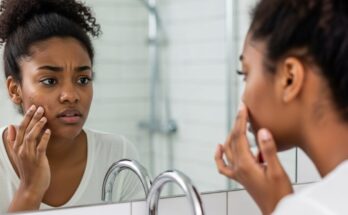
Finding the best microneedling for dark skin requires careful consideration of treatment methods, skin sensitivity, pigmentation concerns, and individual skincare goals. Microneedling is a minimally invasive cosmetic procedure that stimulates natural collagen production, improves skin texture, and may reduce the appearance of acne scars, fine lines, and uneven skin tone.
Unlike certain aggressive laser treatments and chemical peels, traditional microneedling does not rely on thermal energy, making it a potentially suitable option for darker skin tones. However, selecting the appropriate treatment and an experienced skincare professional is essential to minimize the risk of post-inflammatory hyperpigmentation.
We recommend personalized microneedling treatments that prioritize skin health, controlled collagen stimulation, and gradual improvement.
Is Microneedling Safe for Dark Skin?
Yes, professional microneedling can be safe and effective for dark skin when performed by a qualified practitioner. It works by creating controlled micro-injuries that activate the skin’s natural repair mechanisms and encourage collagen production.
Individuals with melanin-rich skin may be more susceptible to pigmentation changes following skin injuries. Therefore, we recommend conservative treatment settings, proper preparation, and a carefully planned aftercare routine.
Although microneedling is suitable for many darker skin tones, improper treatment can cause infection, scarring, and hyperpigmentation. American Academy of Dermatology
Best Types of Microneedling for Dark Skin
Choosing the right microneedling technique depends on the specific skin concern, treatment expectations, and individual sensitivity.
1. Traditional Microneedling
Traditional microneedling uses fine needles to stimulate the skin’s natural healing response without introducing heat. It is often a suitable starting option for individuals with darker complexions.
Traditional microneedling may help improve:
- Acne scars and uneven skin texture
- Fine lines and wrinkles
- The appearance of enlarged pores
- Mild skin laxity
- Overall skin smoothness
We recommend professional microneedling with adjustable treatment settings rather than aggressive at-home procedures.
2. Radiofrequency Microneedling
Radiofrequency (RF) microneedling combines controlled needle penetration with radiofrequency energy to stimulate tissue remodeling. It may help address skin laxity, acne scars, wrinkles, and uneven texture.
However, RF microneedling carries additional risks. The FDA has reported serious complications, including burns, scarring, facial fat loss, and nerve damage. We recommend discussing these risks with an experienced dermatologist before proceeding. FDA
3. Microneedling with PRP
Microneedling with platelet-rich plasma (PRP) combines conventional microneedling with a preparation derived from the patient’s blood.
Some clinical studies suggest that combining these treatments may improve acne scar outcomes. However, results vary, and the FDA has not approved microneedling devices for delivering PRP into the skin.
4. Professional Microneedling Pens
Professional microneedling pens offer adjustable needle settings, allowing practitioners to customize treatment according to skin thickness, sensitivity, and specific concerns.
Their controlled application and disposable needle cartridges make them a preferable option to reusable home dermarollers when professional skin remodeling is required.
Benefits of Microneedling for Dark Skin
Professional microneedling offers several potential cosmetic benefits for individuals with darker complexions.
Reduces the Appearance of Acne Scars
Microneedling encourages collagen remodeling beneath depressed acne scars. Over multiple sessions, treated areas may become smoother and less noticeable.
Improves Uneven Skin Tone
Microneedling may improve certain pigmentation concerns and contribute to a more balanced complexion. However, conditions such as melasma require careful dermatological assessment because excessive inflammation can worsen discoloration.
Minimizes the Appearance of Enlarged Pores
Improved collagen support around pores may make them appear less prominent, creating a smoother and more refined skin texture.
Reduces Fine Lines and Wrinkles
Collagen stimulation may gradually soften fine lines and improve the appearance of aging skin.
Improves Skin Firmness
Microneedling encourages tissue remodeling, which may improve mild skin laxity and support a firmer appearance.
Best Microneedling Treatment for Different Dark Skin Concerns
Different skin concerns require different treatment approaches. We recommend selecting a procedure based on clinical assessment rather than popularity alone.
| Skin Concern | Potential Treatment Option |
|---|---|
| Depressed acne scars | Traditional microneedling |
| Mild uneven skin texture | Professional microneedling |
| Enlarged pores | Traditional microneedling |
| Fine lines and wrinkles | Collagen induction therapy |
| Skin laxity | Traditional or carefully assessed RF microneedling |
| Dark spots | Dermatologist-guided pigmentation treatment |
| Melasma | Individualized dermatological treatment |
| Raised scars and keloids | Specialist scar management rather than routine microneedling |
Microneedling for Dark Skin Before and After
Microneedling results develop gradually as the skin repairs itself and produces new collagen. While some individuals notice improvements in skin texture within several weeks, more substantial changes may take several months.
Immediately following treatment, darker skin may appear temporarily discolored, swollen, or irritated. These reactions should gradually improve during recovery.
Consistent sun protection and appropriate skincare can help support recovery and reduce the likelihood of pigmentation complications.
How Many Microneedling Sessions Are Needed for Dark Skin?
The number of microneedling sessions required depends on the severity of the skin concern and the individual’s healing response.
| Treatment Concern | Typical Estimated Sessions |
|---|---|
| General skin rejuvenation | 3–4 sessions |
| Enlarged pores | 3–4 sessions |
| Mild acne scars | 3–6 sessions |
| Moderate acne scars | 4–6 or more sessions |
| Fine lines | 3–6 sessions |
These estimates are general guidelines rather than guaranteed treatment requirements. Sessions are commonly scheduled several weeks apart to allow adequate recovery.
We recommend evaluating the skin’s response before increasing treatment intensity or scheduling additional procedures.
How to Prepare Dark Skin for Microneedling
Proper preparation can help reduce irritation and improve treatment safety. Before undergoing microneedling, we recommend avoiding excessive sun exposure, aggressive exfoliation, and irritating skincare products as directed by the treatment provider.
Individuals should disclose any history of keloids, pigmentation disorders, active acne, skin infections, or medication use during their consultation.
A comprehensive skin assessment allows the dermatologist to determine whether microneedling is appropriate or whether another treatment would provide better results.
Microneedling Aftercare for Dark Skin
Effective aftercare is essential for protecting melanin-rich skin and minimizing post-treatment complications.
Protect the Skin from Sun Exposure
Use broad-spectrum sunscreen with SPF 30 or higher once the treatment provider confirms that it is appropriate to apply. Excessive ultraviolet exposure may worsen pigmentation during recovery.
Maintain Skin Hydration
Use gentle, fragrance-free moisturizers recommended by the practitioner to support the skin barrier.
Avoid Aggressive Skincare Products
Temporarily discontinue retinoids, exfoliating acids, harsh scrubs, and other potentially irritating ingredients until the skin has recovered.
Allow the Skin to Heal Naturally
Avoid scratching, picking, or rubbing the treated area. Seek medical advice if severe pain, blistering, worsening discoloration, or signs of infection develop.
Professional Microneedling vs. At-Home Microneedling for Dark Skin
Professional microneedling provides greater control over treatment intensity, hygiene, and needle penetration.
At-home dermarollers may increase the risk of bacterial contamination, irritation, uneven skin injury, and pigmentation complications. They are particularly concerning for individuals with sensitive skin or existing pigmentation disorders. American Academy of Dermatology
We recommend professional treatment for significant acne scars, wrinkles, and persistent skin texture concerns.
How to Choose the Best Microneedling Clinic for Dark Skin
Selecting an experienced provider is one of the most important factors in achieving satisfactory results. We recommend choosing a dermatologist or appropriately qualified medical practitioner with demonstrated experience treating darker skin tones.
A reputable clinic should provide a comprehensive consultation, realistic treatment expectations, sterile equipment, individualized treatment settings, and detailed aftercare instructions.
Reviewing before-and-after photographs of patients with similar complexions can also help evaluate a provider’s experience.
Who Should Avoid Microneedling for Dark Skin?
Microneedling may not be appropriate for individuals with active skin infections, inflammatory acne, poor wound healing, bleeding disorders, or a tendency to develop keloids.
People experiencing active eczema, psoriasis, or significant skin inflammation should seek medical advice before undergoing treatment. Certain medications and underlying medical conditions may also affect eligibility.
FAQs about the Best Microneedling for Dark Skin
1. Is microneedling safe for dark skin?
Yes, microneedling for dark skin is generally safe when performed by a qualified dermatologist or trained professional. It is suitable for darker skin tones, although improper treatment can cause irritation, scarring, or hyperpigmentation.
2. What is the best microneedling treatment for dark skin?
The best microneedling for dark skin depends on individual skin concerns. Professional microneedling with adjustable needle depths is often preferred because treatment can be customized to address acne scars, uneven texture, and fine lines.
3. Can microneedling cause hyperpigmentation on dark skin?
Yes. Darker skin tones are more susceptible to post-inflammatory hyperpigmentation (PIH). Choosing an experienced provider and following appropriate aftercare instructions can help minimize this risk.
4. Does microneedling help remove acne scars on dark skin?
Microneedling can improve the appearance of certain acne scars by stimulating collagen production. However, results depend on scar type, severity, and individual skin response.
5. How many microneedling sessions does dark skin need?
Most individuals require approximately three to six microneedling sessions, depending on their treatment goals. A dermatologist can recommend an appropriate schedule after evaluating the skin.
6. Is RF microneedling suitable for dark skin?
Radiofrequency (RF) microneedling may be suitable for darker skin tones, but it carries risks, including burns, pigmentation changes, and scarring. Treatment should be performed by an appropriately qualified professional.
7. How long does microneedling take to show results?
Initial improvements may become noticeable within several weeks. More significant changes generally develop over several months as collagen remodeling progresses.
8. What should we avoid after microneedling on dark skin?
We recommend avoiding direct sun exposure, harsh exfoliants, picking at the skin, and irritating skincare products during recovery. Gentle skincare and broad-spectrum SPF 30+ sunscreen help protect healing skin.
Conclusion
The best microneedling for dark skin combines professional expertise, appropriate treatment settings, personalized skincare, and consistent aftercare. Traditional microneedling is often a suitable option for improving depressed acne scars, fine lines, and uneven skin texture without introducing thermal energy.
We recommend prioritizing skin safety over aggressive treatments and choosing an experienced dermatologist who understands the unique characteristics of melanin-rich skin. With appropriate treatment and realistic expectations, microneedling can support a smoother, firmer, and healthier-looking complexion while minimizing the risk of unwanted pigmentation changes.