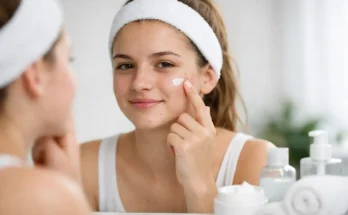
A dermatologist-recommended chemical peel is a professional skin resurfacing treatment designed to improve skin texture, reduce hyperpigmentation, minimise fine lines, and address various skin imperfections. Unlike conventional exfoliating products, professional chemical peels use carefully selected chemical solutions to remove damaged skin cells and promote skin renewal.
We recommend choosing a chemical peel based on individual skin type, sensitivity, existing skin conditions, and desired treatment outcomes. Whether the concern is acne, uneven skin tone, sun damage, or premature ageing, a dermatologist can develop a personalised treatment plan that prioritises safety and effectiveness.
What Is a Dermatologist-Recommended Chemical Peel?
A dermatologist-recommended chemical peel is a cosmetic dermatological procedure that involves applying a chemical solution to the skin to produce controlled exfoliation. Depending on the formulation and treatment depth, the procedure can target superficial skin imperfections or more pronounced signs of skin damage.
Professional chemical peels commonly contain ingredients such as glycolic acid, salicylic acid, lactic acid, mandelic acid, and trichloroacetic acid (TCA). Each ingredient offers different therapeutic benefits and is selected according to the patient’s dermatological needs.
Chemical peels may be recommended for the following skin concerns:
- Acne and clogged pores
- Post-inflammatory hyperpigmentation
- Uneven skin tone and texture
- Fine lines and superficial wrinkles
- Sun damage and age spots
- Certain types of acne scars
- Dull and rough-looking skin
- Melasma in appropriately selected patients
Professional assessment helps minimise complications while improving the likelihood of satisfactory treatment results.
Types of Chemical Peels Recommended by Dermatologists
Dermatologists classify chemical peels into three primary categories based on their depth of penetration. Selecting the appropriate treatment depends on the severity of skin damage, skin tone, medical history, and recovery expectations.
1. Superficial Chemical Peels
Superficial chemical peels, also known as light chemical peels, target the outermost layer of the skin. They are suitable for individuals seeking gradual skin rejuvenation with minimal downtime.
These treatments can improve mild pigmentation, superficial acne, dullness, and uneven skin texture. Multiple treatment sessions may be necessary to achieve noticeable results.
2. Medium-Depth Chemical Peels
Medium-depth chemical peels penetrate beyond the outermost skin layer to address more pronounced skin imperfections. Dermatologists may recommend these treatments for moderate sun damage, fine lines, pigmentation irregularities, and certain superficial acne scars.
Trichloroacetic acid is commonly used in medium-depth chemical peels. These procedures require more recovery time and careful post-treatment management.
3. Deep Chemical Peels
Deep chemical peels penetrate deeper into the skin and may be recommended for selected patients with significant sun damage and pronounced wrinkles.
These procedures require strict medical supervision, extensive recovery, and careful patient selection. Deep chemical peels are not suitable for everyone, particularly individuals at increased risk of permanent pigmentation changes.
Best Dermatologist-Recommended Chemical Peel Ingredients
The effectiveness of a professional chemical peel depends on its active ingredients, concentration, formulation, and suitability for individual skin concerns.
| Chemical peel ingredient | Recommended skin concerns |
|---|---|
| Glycolic acid | Dullness, fine lines and uneven texture |
| Salicylic acid | Acne, oily skin and clogged pores |
| Lactic acid | Mild pigmentation and superficial skin imperfections |
| Mandelic acid | Acne-prone skin and uneven pigmentation |
| Trichloroacetic acid (TCA) | Sun damage, fine lines and selected acne scars |
| Jessner’s solution | Acne, pigmentation and uneven skin texture |
We recommend professional skin assessment before selecting any chemical peel ingredient. Stronger formulations do not necessarily provide better results and may increase the risk of complications.
Benefits of Dermatologist-Recommended Chemical Peel Treatments
Professional chemical peels offer several cosmetic and therapeutic benefits when performed appropriately.
Reduces Hyperpigmentation and Dark Spots
Chemical peels can help improve the appearance of dark spots by encouraging the shedding of pigmented surface skin cells. Dermatologists may incorporate chemical peels into comprehensive treatment plans for post-inflammatory hyperpigmentation, sunspots, and melasma.
Improves Acne and Acne Scars
Salicylic acid and other professional peeling agents can help manage certain types of acne by exfoliating the skin and reducing pore congestion. Chemical peels may also soften the appearance of selected superficial acne scars, although deeper scars often require alternative or complementary treatments. American Academy of Dermatology+1
Minimises Fine Lines and Wrinkles
Appropriately selected chemical peels can improve superficial signs of ageing. Medium-depth treatments may encourage skin remodelling and improve the appearance of fine lines and sun-related skin damage.
Enhances Skin Texture and Radiance
Professional chemical exfoliation removes accumulated surface skin cells, helping improve roughness and dullness. As the skin recovers, it may appear smoother, brighter, and more even-toned.
Improves the Appearance of Sun-Damaged Skin
Chemical peels can address selected signs of photoageing, including uneven pigmentation, rough skin texture, and superficial wrinkles. However, suspicious skin lesions should undergo medical examination before cosmetic treatment.
Best Dermatologist Chemical Peel for Different Skin Types
Choosing the best dermatologist chemical peel requires understanding how different skin types respond to chemical exfoliation.
Chemical Peel for Oily and Acne-Prone Skin
Salicylic acid peels are frequently considered for oily and acne-prone skin because of their ability to penetrate oily pores and reduce congestion.
Chemical Peel for Dry and Sensitive Skin
Gentle superficial peels containing lactic acid or mandelic acid may be considered for suitable patients. Individuals with highly sensitive, irritated, or inflamed skin may need to postpone treatment.
Chemical Peel for Darker Skin Tones
Individuals with darker skin tones can benefit from chemical peels, but they require careful treatment selection to minimise the risk of post-inflammatory hyperpigmentation.
We recommend consulting a qualified dermatologist with experience treating melanin-rich skin. Superficial chemical peels are generally preferred when pigmentation complications are a significant concern. American Academy of Dermatology+1
How Dermatologists Perform Professional Chemical Peels
A professional chemical peel begins with a comprehensive consultation to evaluate skin health, previous treatments, medical history, medication use, and potential risk factors.
The dermatologist cleanses the treatment area before applying the selected chemical solution. Application techniques and exposure duration depend on the formulation and intended treatment depth.
Patients may experience temporary tingling, warmth, or discomfort during the procedure. Depending on the peeling agent, the solution may be neutralised or removed before appropriate post-treatment products are applied.
The dermatologist subsequently provides personalised recovery instructions and determines whether additional treatment sessions are necessary.
How to Prepare for a Dermatologist Chemical Peel
Proper preparation helps reduce unnecessary irritation and supports the healing process. We recommend discussing prescription medications, previous allergic reactions, cold sores, pregnancy, and any history of abnormal scarring during the initial consultation.
Patients should follow their dermatologist’s instructions regarding sun exposure, facial waxing, exfoliating products, retinoids, and other potentially irritating skincare ingredients.
Some individuals may require a prescribed preparatory skincare routine before undergoing treatment. American Academy of Dermatology
Dermatologist-Recommended Chemical Peel Aftercare
Effective chemical peel aftercare is essential for protecting the skin and supporting recovery.
We recommend using a gentle facial cleanser, dermatologist-approved moisturiser, and broad-spectrum sunscreen with SPF 30 or higher once appropriate for the healing skin.
Patients should avoid picking peeling skin, using abrasive scrubs, applying irritating skincare products prematurely, and exposing treated areas to excessive sunlight.
Following the recommended recovery routine can help minimise irritation, infection, scarring, and unwanted pigmentation changes.
Chemical Peel Recovery Time and Expected Results
Recovery time varies according to treatment depth and individual healing responses.
| Chemical peel type | Typical initial recovery time |
|---|---|
| Superficial chemical peel | 1–7 days |
| Medium-depth chemical peel | 7–14 days |
| Deep chemical peel | 14–21 days or longer |
Superficial treatments may require several sessions to achieve the desired improvement. Deeper treatments generally involve longer recovery periods, and residual redness may persist after initial healing.
Chemical peel results are not necessarily permanent. Consistent sun protection, appropriate skincare, and professionally recommended maintenance treatments can help preserve improvements.
Are Dermatologist-Recommended Chemical Peels Safe?
Professional chemical peels are generally considered safe for appropriately selected patients when performed by experienced practitioners. Nevertheless, potential complications include redness, swelling, infection, chemical burns, scarring, and temporary or permanent pigmentation changes.
We strongly recommend avoiding high-strength chemical peel products without professional supervision. The FDA warns that improperly used chemical peeling solutions can cause serious skin injuries requiring medical treatment. FDA
Patients experiencing severe pain, worsening swelling, discharge, or signs of infection following treatment should seek prompt medical attention.
How to Choose the Best Dermatologist for Chemical Peel Treatment
Selecting an experienced dermatologist is essential for achieving satisfactory results while reducing avoidable complications.
We recommend evaluating the practitioner’s professional qualifications, experience with different skin tones, treatment options, safety protocols, consultation process, and post-treatment support.
A reputable dermatologist should provide realistic expectations, explain potential risks, and recommend treatment according to clinical suitability rather than the strength or popularity of a particular chemical peel.
FAQs about Dermatologist Recommended Chemical Peel
1. What Is a Dermatologist Recommended Chemical Peel?
A dermatologist recommended chemical peel is a professional skin treatment that uses carefully selected chemical solutions to exfoliate damaged skin layers, improve skin texture, and address concerns such as acne, hyperpigmentation, and fine lines.
2. Which Chemical Peel Do Dermatologists Recommend Most?
Dermatologists commonly recommend glycolic acid, salicylic acid, lactic acid, and trichloroacetic acid (TCA) peels. The best option depends on your skin type, concerns, and treatment goals.
3. Are Dermatologist Chemical Peels Safe for All Skin Types?
Chemical peels can be suitable for many skin types when performed by qualified professionals. However, individuals with sensitive skin or darker skin tones may require specialized formulations to minimize irritation and pigmentation complications.
4. How Much Does a Dermatologist Chemical Peel Cost?
The cost of a dermatologist chemical peel varies depending on the peel’s depth, treatment location, provider’s expertise, and number of sessions required. Superficial peels generally cost less than medium or deep peels.
5. How Often Should You Get a Chemical Peel?
Superficial chemical peels may be repeated every 2–4 weeks, depending on the formulation and skin response. Medium and deep peels require longer recovery periods and less frequent treatments.
6. Can Chemical Peels Remove Acne Scars and Dark Spots?
Chemical peels can help reduce dark spots, mild acne scars, and uneven skin tone. However, deeper scars may require additional dermatological treatments.
7. How Long Does It Take to See Chemical Peel Results?
Results from superficial peels may become noticeable within several days to a week, while deeper peels require longer healing periods.
8. Is a Dermatologist Chemical Peel Worth It?
A professional chemical peel can improve skin appearance when appropriately selected and performed. We recommend consulting a qualified dermatologist to determine the safest and most effective treatment for your skin.
Conclusion
A dermatologist-recommended chemical peel offers an effective approach to managing various skin concerns, including acne, hyperpigmentation, uneven skin texture, fine lines, and sun damage.
We recommend choosing a personalised professional chemical peel treatment that complements individual skin characteristics and long-term skincare goals. With appropriate clinical assessment, carefully selected peeling agents, and consistent aftercare, patients can achieve healthier-looking, smoother, and more radiant skin while minimising unnecessary risks.