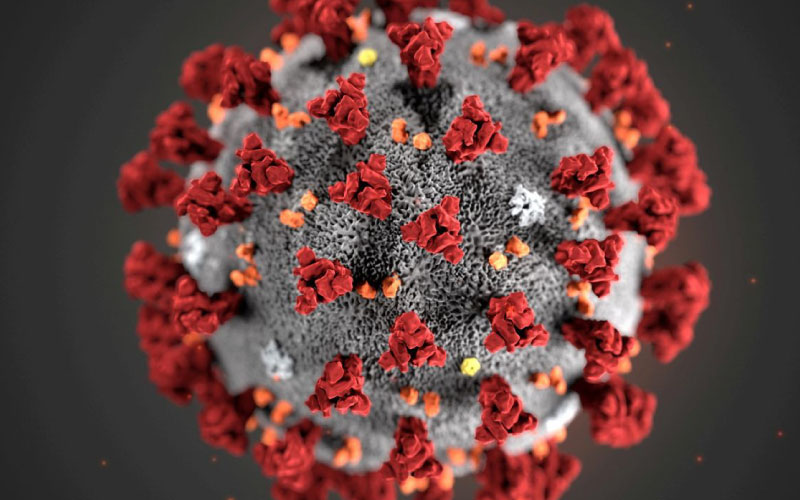
COVID-19 is an infectious respiratory disease caused by the SARS-CoV-2 virus. The symptoms of COVID-19 can range from mild discomfort to severe respiratory complications, depending on an individual’s age, immune response, vaccination status, and underlying health conditions. While some people experience noticeable symptoms, others may remain asymptomatic and still transmit the virus.
Recognizing the early signs of COVID-19 is essential for timely testing, appropriate treatment, and reducing the risk of transmission. We recommend paying close attention to changes in respiratory health, body temperature, energy levels, and overall well-being.
What Are the Early Symptoms of COVID-19?
Early COVID-19 symptoms may resemble those of the common cold, influenza, or other respiratory infections. Symptoms can develop gradually or appear suddenly following exposure to the virus.
Common early warning signs include a sore throat, mild fever, persistent cough, unusual fatigue, headache, and nasal congestion. Some individuals may also experience muscle aches or digestive discomfort before developing noticeable respiratory symptoms.
Early detection and appropriate medical care can help reduce the risk of serious complications, particularly among individuals who are more vulnerable to severe illness.
Common Symptoms of COVID-19
COVID-19 affects individuals differently, and symptoms may vary according to the severity of the infection. Understanding the following common symptoms can help individuals recognize a potential coronavirus infection.
1. Fever and Chills
Fever is one of the common signs of COVID-19. It develops when the immune system responds to the viral infection. Individuals may experience elevated body temperature, chills, excessive sweating, and general discomfort. However, COVID-19 can also occur without a fever.
2. Persistent Cough
A persistent cough is a frequently reported respiratory symptom of COVID-19. The cough may be dry or accompanied by mucus. Frequent coughing can cause throat irritation, chest discomfort, and difficulty sleeping.
3. Fatigue and Weakness
COVID-19 can cause significant physical exhaustion, even after minimal activity. Individuals may experience reduced energy levels, muscle weakness, and difficulty completing everyday tasks. Fatigue may continue after other symptoms have resolved.
4. Loss of Taste or Smell
A reduced or complete loss of taste or smell is a recognized symptom of coronavirus infection. Some individuals may experience these changes without significant nasal congestion. Although its frequency varies between variants, it remains a possible indication of COVID-19.
5. Shortness of Breath
Difficulty breathing may occur when COVID-19 affects the lungs. Individuals may experience breathlessness during physical activity or while resting. New or worsening breathing difficulties require immediate medical assessment.
6. Sore Throat
A sore throat is a common symptom of COVID-19. Individuals may experience throat irritation, dryness, pain when swallowing, and general discomfort. This symptom can easily be mistaken for a common cold.
7. Headaches
COVID-19-related headaches can range from mild discomfort to persistent pain. Headaches may occur alongside fever, fatigue, dehydration, or muscle aches.
8. Muscle and Joint Pain
Muscle aches, body pain, and joint discomfort may develop as the immune system responds to the infection. These symptoms can affect mobility, sleep quality, and daily activities.
9. Runny Nose and Nasal Congestion
A blocked or runny nose, sneezing, and nasal irritation are possible symptoms of COVID-19. These symptoms frequently overlap with seasonal allergies and other respiratory infections.
10. Nausea, Vomiting, and Diarrhea
COVID-19 can also affect the digestive system. Some individuals experience nausea, vomiting, diarrhea, abdominal discomfort, and reduced appetite, sometimes without prominent respiratory symptoms. CDC+2
Less Common Symptoms of COVID-19
Beyond the typical respiratory symptoms, coronavirus infection may cause dizziness, sleep disturbances, changes in appetite, skin rashes, and altered sensations of taste or smell.
The presence of unusual symptoms does not necessarily confirm COVID-19. We recommend diagnostic testing and professional medical evaluation when symptoms persist, worsen, or occur following exposure to an infected person.
Severe Symptoms of COVID-19 That Require Immediate Medical Attention
Severe coronavirus infections can lead to pneumonia, respiratory failure, and other potentially life-threatening complications.
Emergency warning signs of COVID-19 include:
- Severe breathing difficulties or breathlessness at rest.
- Ongoing chest pain or uncomfortable chest pressure.
- Sudden confusion or disorientation.
- Difficulty waking up or remaining conscious.
- Unusual blue, gray, or pale discoloration of the lips, skin, or nail beds.
- A significant deterioration in overall health.
Individuals experiencing these symptoms should seek emergency medical assistance immediately. Prompt intervention is particularly important for those with underlying medical conditions. American Lung Association+1
How Soon Do COVID-19 Symptoms Appear After Exposure?
COVID-19 symptoms can appear between 2 and 14 days after exposure, although many individuals develop symptoms within several days. The incubation period varies according to the coronavirus variant and individual immune response.
Some infected individuals may transmit the virus before developing noticeable symptoms. Others may remain asymptomatic throughout the infection.
We recommend testing when symptoms develop, especially following known exposure to someone with COVID-19.
Symptoms of COVID-19 in Children
Children can develop coronavirus symptoms similar to those experienced by adults. Fever, coughing, sore throat, fatigue, nasal congestion, vomiting, and diarrhea may occur.
Younger children may also demonstrate unusual irritability, reduced appetite, decreased activity, and difficulty feeding.
Although many children experience mild illness, serious complications remain possible. In rare cases, children may develop multisystem inflammatory syndrome in children (MIS-C) following COVID-19 infection. Persistent fever, abdominal pain, rash, and other concerning symptoms require medical assessment. World Health Organization+1
Symptoms of COVID-19 in Older Adults
Older adults face an increased risk of severe coronavirus infection, particularly when underlying health conditions are present.
COVID-19 in elderly individuals may present with unusual weakness, confusion, reduced appetite, excessive tiredness, and respiratory difficulties. Some older adults may not develop a noticeable fever despite having an infection.
We recommend early medical evaluation for older individuals experiencing suspected COVID-19 symptoms, as timely treatment may reduce the likelihood of hospitalization and severe complications.
COVID-19 Symptoms vs. Flu and Common Cold
COVID-19, influenza, and the common cold share several symptoms. However, their typical presentation may differ.
| Symptoms | COVID-19 | Influenza | Common Cold |
|---|---|---|---|
| Fever | Common | Common | Less common |
| Cough | Common | Common | Common |
| Fatigue | Common | Common | Usually mild |
| Loss of taste or smell | Possible | Less common | Possible with congestion |
| Muscle pain | Common | Common | Usually mild |
| Sneezing | Possible | Possible | Common |
| Shortness of breath | Possible | Possible | Uncommon |
Because these respiratory illnesses have overlapping symptoms, COVID-19 testing is important for accurate identification. Symptoms alone cannot reliably distinguish coronavirus infection from influenza.
Can You Have COVID-19 Without Symptoms?
Yes, individuals can become infected with coronavirus without developing noticeable symptoms. This condition is known as asymptomatic COVID-19 infection.
Asymptomatic individuals may still spread the virus to others. This makes testing and appropriate preventive measures particularly valuable following exposure or before interacting with vulnerable individuals.
Maintaining good respiratory hygiene, improving indoor ventilation, and wearing a well-fitting face mask in appropriate situations can help reduce transmission.
How Long Do COVID-19 Symptoms Last?
The duration of COVID-19 symptoms depends on infection severity, immune function, underlying medical conditions, and individual recovery patterns.
Many individuals with mild infections experience improvement within one to two weeks. However, symptoms such as persistent coughing, fatigue, and reduced stamina may continue for several weeks.
Individuals experiencing prolonged or worsening symptoms should consult a healthcare professional for further evaluation and appropriate treatment.
Long COVID Symptoms After Recovery
Long COVID, also known as post-COVID condition, occurs when symptoms persist or develop following the initial coronavirus infection.
Common long COVID symptoms include persistent exhaustion, difficulty concentrating, memory problems, breathlessness, sleep disturbances, heart palpitations, and muscle discomfort.
These symptoms can interfere with employment, physical activity, and overall quality of life. Long COVID can develop even after an initially mild infection.
We recommend professional medical assessment when persistent symptoms affect everyday functioning or prevent a complete recovery.
Who Is at Greater Risk of Severe COVID-19 Symptoms?
Certain individuals have an increased likelihood of developing serious coronavirus complications. Higher-risk groups include older adults, pregnant individuals, people with weakened immune systems, and individuals living with diabetes, obesity, cardiovascular disease, chronic kidney disease, or respiratory conditions.
Early diagnosis and access to appropriate antiviral treatment can be particularly beneficial for eligible high-risk individuals. Treatment should generally begin within the first several days of symptom onset. CDC+2
What to Do When You Experience COVID-19 Symptoms
Individuals experiencing suspected coronavirus symptoms should stay home and avoid close contact with others while unwell. We recommend taking a COVID-19 test, maintaining adequate hydration, getting sufficient rest, and monitoring symptoms regularly.
A negative rapid antigen test does not always exclude infection. Symptomatic individuals should repeat the test after 48 hours or consider a molecular test for confirmation.
Over-the-counter medications such as paracetamol may help relieve fever, headaches, and body aches when used appropriately. Antibiotics should not be used to treat coronavirus itself because COVID-19 is caused by a virus rather than bacteria.
Individuals at increased risk of severe illness should contact a healthcare professional promptly, even when symptoms appear mild. CDC+2
How to Reduce the Risk of COVID-19 Infection and Complications
We recommend staying up to date with applicable COVID-19 vaccination recommendations, practicing regular hand hygiene, improving indoor ventilation, and avoiding close contact with infected individuals.
Wearing a well-fitting mask in crowded or poorly ventilated environments can provide additional protection, especially for vulnerable individuals.
Maintaining a balanced diet, adequate sleep, and appropriate management of existing medical conditions supports general health but does not replace vaccination or other infection prevention measures.
When Should You See a Doctor for COVID-19 Symptoms?
Medical attention is advisable when symptoms become increasingly severe, fever persists, dehydration develops, or respiratory discomfort interferes with normal activities.
Individuals with chronic medical conditions should seek early medical guidance following suspected or confirmed coronavirus infection. Emergency symptoms such as severe breathing difficulties, chest pain, or altered consciousness require immediate medical intervention.
FAQs about Symptoms of COVID-19
1. What Are the Most Common Symptoms of COVID-19?
The most common symptoms of COVID-19 include fever, cough, sore throat, fatigue, headache, muscle aches, and nasal congestion. Some individuals may also experience a loss of taste or smell, although this is less common with some variants.
2. How Soon Do COVID-19 Symptoms Appear?
COVID-19 symptoms typically appear between 2 and 14 days after exposure to the virus. However, symptoms often develop within the first few days, depending on the variant and individual immune response.
3. Can You Have COVID-19 Without a Fever?
Yes. Many people experience COVID-19 without a fever. Symptoms such as coughing, fatigue, sore throat, and congestion may occur independently.
4. What Are the Early Warning Signs of COVID-19?
Early signs include sore throat, fatigue, headache, runny nose, and mild coughing. Symptoms can vary significantly between individuals.
5. How Can You Tell the Difference Between COVID-19 and the Flu?
COVID-19 and influenza share symptoms, including fever, coughing, and body aches. However, testing is the most reliable way to distinguish between these infections, as symptoms alone are insufficient.
6. What Are the Severe Symptoms of COVID-19?
Severe symptoms include difficulty breathing, persistent chest pain, new confusion, and difficulty staying awake. These warning signs require immediate emergency medical attention.
7. How Long Do COVID-19 Symptoms Usually Last?
Mild COVID-19 symptoms often improve within one to two weeks, although recovery varies. Some individuals experience lingering symptoms for weeks or months.
8. When Should You Get Tested for COVID-19?
We recommend COVID-19 testing when symptoms develop or after known exposure, following current public health guidance. If an initial antigen test is negative but symptoms persist, repeat testing may be necessary.
Conclusion
Recognizing the symptoms of COVID-19 is essential for early diagnosis, effective treatment, and preventing serious health complications. From fever, coughing, and fatigue to breathing difficulties and digestive disturbances, coronavirus symptoms can vary considerably between individuals.
We recommend timely testing, appropriate preventive measures, and professional medical care whenever concerning symptoms develop. Early intervention, responsible health practices, and proper symptom management can help protect individuals, families, and communities from the potentially serious effects of COVID-19.