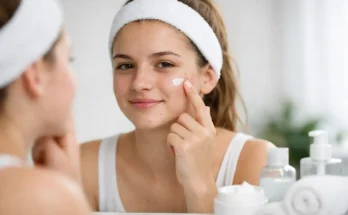
Finding the right dermatologist recommended chemical peel for sensitive skin requires careful consideration of skin type, ingredients, treatment strength, and potential irritation. Sensitive skin is more likely to develop redness, dryness, burning, and inflammation when exposed to harsh exfoliating treatments. However, choosing an appropriate chemical peel under professional supervision can help improve skin texture, reduce uneven pigmentation, and promote a smoother complexion.
We recommend prioritizing gentle chemical peels for sensitive skin that provide controlled exfoliation without unnecessarily compromising the skin’s protective barrier. Dermatologists commonly consider superficial treatments containing lactic acid, mandelic acid, or other carefully selected exfoliating ingredients, depending on individual skin concerns.
What Is a Dermatologist Recommended Chemical Peel for Sensitive Skin?
A dermatologist recommended chemical peel for sensitive skin is a professional exfoliating treatment selected to accommodate skin that reacts easily to environmental factors, skincare products, or active ingredients.
Chemical peels use specific acids to remove damaged surface skin cells and encourage skin renewal. Unlike aggressive exfoliating treatments, superficial chemical peels primarily target the outermost layers of the skin, making them a potential option for individuals with mild sensitivity.
We emphasize that treatment effectiveness depends on several factors, including acid concentration, formulation, application time, existing skin conditions, and the dermatologist’s expertise.
According to the American Academy of Dermatology, professional evaluation is important for selecting suitable chemical peel treatments and minimizing complications. American Academy of Dermatology+1
Best Dermatologist Recommended Chemical Peels for Sensitive Skin
Choosing the best chemical peel for sensitive skin involves identifying ingredients that provide effective exfoliation while limiting unnecessary irritation.
1. Lactic Acid Peel for Gentle Exfoliation
A lactic acid chemical peel is commonly considered for individuals seeking gentle exfoliation, improved skin texture, and a brighter complexion.
Lactic acid belongs to the alpha hydroxy acid (AHA) family. It helps loosen dead skin cells while also possessing humectant properties that support skin hydration.
We consider lactic acid peels a potential option for addressing:
- Mild skin discoloration and uneven skin tone.
- Rough or dull-looking skin.
- Superficial texture irregularities.
- Early signs of photoaging.
- Dry skin requiring carefully controlled exfoliation.
Although lactic acid is often better tolerated than some stronger exfoliating treatments, professional peel concentrations can still cause significant irritation.
2. Mandelic Acid Peel for Sensitive and Acne-Prone Skin
A mandelic acid chemical peel is another option dermatologists may consider for sensitive or acne-prone skin.
Mandelic acid has a larger molecular structure than glycolic acid, influencing how it penetrates the skin. It is frequently used in superficial peeling treatments for uneven pigmentation, acne, and minor texture concerns.
We recommend discussing mandelic acid with a dermatologist when seeking to improve:
- Mild acne and clogged pores.
- Post-inflammatory dark spots.
- Uneven skin texture.
- Dull complexion.
- Mild surface pigmentation.
Clinical literature suggests mandelic acid peels may produce less downtime than certain glycolic acid treatments, although individual reactions vary. PubMed Central (PMC)+1
3. Glycolic Acid Peel at Carefully Selected Strengths
Glycolic acid is a widely used AHA that promotes surface exfoliation and improves the appearance of uneven skin tone, fine lines, and rough skin.
However, glycolic acid can penetrate relatively quickly and may cause more noticeable irritation in reactive skin.
We recommend considering a superficial glycolic acid peel only after a dermatologist assesses skin tolerance and determines the appropriate formulation, concentration, and application time.
It may not be suitable for individuals experiencing active inflammation or a damaged skin barrier.
4. Salicylic Acid Peel for Sensitive, Oily Skin
Salicylic acid is a beta hydroxy acid (BHA) commonly used to address oily skin, clogged pores, and certain types of acne.
Unlike water-soluble AHAs, salicylic acid is oil-soluble, allowing it to act within oil-rich pores.
We recognize that salicylic acid may benefit selected patients with sensitive, acne-prone skin. However, it can also cause dryness, peeling, and irritation, particularly when applied in professional concentrations.
Dermatologist supervision is essential for determining whether this treatment is appropriate.
Benefits of Chemical Peels for Sensitive Skin
When carefully selected and professionally administered, chemical peel treatments for sensitive skin may offer several cosmetic improvements.
Key Skin Benefits of Gentle Chemical Peels
1. Improved skin texture: Gentle exfoliation removes accumulated surface cells, helping skin appear smoother.
2. Brighter complexion: Superficial peels can reduce dullness associated with uneven surface-cell buildup.
3. Reduced appearance of dark spots: Certain chemical peels may gradually improve superficial hyperpigmentation.
4. Improved acne management: Selected exfoliating acids can complement treatment plans for mild acne and congested pores.
5. Reduced appearance of fine lines: Repeated superficial treatments may improve minor signs of skin aging.
6. More even-looking skin tone: Controlled exfoliation can improve certain surface pigmentation irregularities.
We emphasize that chemical peels cannot guarantee permanent results or eliminate every skin concern. Treatment outcomes depend on individual skin characteristics, peel depth, and consistent aftercare.
How Dermatologists Choose Chemical Peels for Sensitive Skin
Selecting the right chemical peel requires more than choosing a popular exfoliating ingredient. Dermatologists assess several important factors before recommending treatment.
Important Factors Considered Before Treatment
Skin sensitivity and barrier condition: We prioritize identifying whether the skin is dry, reactive, inflamed, or experiencing an impaired protective barrier.
Existing skin conditions: Rosacea, eczema, active dermatitis, and certain infections may require treatment or stabilization before chemical peeling.
Skin tone and pigmentation risk: Individuals with darker skin tones may have an increased risk of post-inflammatory hyperpigmentation following excessive irritation or inappropriate treatment.
Treatment goals: Chemical peels targeting mild acne may differ from those intended to improve discoloration or early signs of aging.
Current skincare products: Retinoids, exfoliating acids, and certain acne medications may increase skin sensitivity and influence treatment preparation.
We recommend consulting an experienced dermatologist rather than selecting a professional-strength peel based solely on ingredient popularity. Cleveland Clinic+1
How to Prepare Sensitive Skin Before a Chemical Peel
Proper preparation plays an important role in minimizing irritation and improving treatment tolerance.
We recommend following a dermatologist-approved preparation routine that focuses on maintaining hydration and avoiding unnecessary skin stress.
Essential Pre-Peel Preparation Tips
- Use a gentle, fragrance-free facial cleanser.
- Apply a moisturizer suited to sensitive skin.
- Protect the skin daily with broad-spectrum SPF 30 or higher sunscreen.
- Avoid excessive exfoliation before treatment.
- Ask your dermatologist when to stop retinoids and other potentially irritating products.
- Disclose any history of cold sores, unusual scarring, or allergic reactions.
- Avoid scheduling treatment while experiencing active irritation or sunburn.
We also recommend informing the dermatologist about medications, previous cosmetic procedures, and any recent changes in skin condition.
Chemical Peel Aftercare for Sensitive Skin
Following a chemical peel, sensitive skin requires special attention because the protective barrier may temporarily become more vulnerable to irritation.
Appropriate aftercare helps support healing and reduce the risk of complications.
Best Aftercare Practices Following a Gentle Chemical Peel
1. Keep the skin moisturized
Use a gentle, dermatologist-approved moisturizer to maintain hydration and reduce uncomfortable dryness.
2. Avoid direct sun exposure
Apply broad-spectrum sunscreen as directed and use additional sun protection, including hats and shade.
3. Stop harsh exfoliating products temporarily
Avoid scrubs, strong acids, retinoids, and other potentially irritating ingredients until your dermatologist confirms that normal skincare can resume.
4. Do not peel or pick flaking skin
Allow shedding skin to separate naturally. Picking can increase inflammation, discoloration, and scarring risks.
5. Monitor unusual skin reactions
Mild redness, tightness, and temporary peeling can occur after superficial treatments. However, severe burning, blistering, worsening pain, or signs of infection require prompt medical assessment.
We recommend following individualized instructions because healing time varies with treatment depth and skin sensitivity. Mayo Clinic+1
Are Chemical Peels Safe for Extremely Sensitive Skin?
Chemical peels can be appropriate for some individuals with sensitive skin, but they are not universally safe.
Patients with extremely reactive skin, active rosacea flares, eczema, or an impaired skin barrier may need alternative treatments or medical management before undergoing exfoliation.
We recommend starting with a professional skin assessment to determine whether the expected benefits justify the potential risks.
Stronger chemical peels are not necessarily more effective for sensitive skin. In many cases, a carefully controlled superficial treatment provides a more appropriate balance between improvement and recovery.
Professional Chemical Peels vs. At-Home Chemical Peels
Professional chemical peels and at-home exfoliating products differ in formulation, concentration, application, and supervision.
Dermatologist-administered treatments allow greater control over peel selection, exposure time, and the management of adverse reactions.
At-home products are generally intended for milder cosmetic exfoliation, but they can still irritate sensitive skin. High-strength home peeling solutions carry additional risks, including chemical burns and pigmentation changes.
We recommend avoiding professional-strength chemical peel products without appropriate clinical supervision.
How Often Should Sensitive Skin Receive a Chemical Peel?
The appropriate treatment frequency depends on skin tolerance, peel depth, treatment goals, and recovery.
Superficial chemical peels may be performed as a series of treatments, with intervals determined by the dermatologist. Sensitive skin may require longer recovery periods between sessions.
We recommend allowing complete healing before considering another treatment. Repeated exfoliation before the skin has recovered can contribute to persistent irritation and worsening pigmentation.
Why Dermatologist Supervision Matters for Sensitive Skin
Professional supervision is especially important when treating skin that reacts easily to cosmetic ingredients.
A dermatologist can identify underlying skin conditions, choose an appropriate peel, adjust the procedure to minimize irritation, and provide individualized recovery instructions.
We also recognize that chemical peels for sensitive skin are not suitable for every individual. In some cases, non-exfoliating treatments, barrier-repair skincare, or prescription therapies may offer a safer starting point.
FAQs about Dermatologist Recommended Chemical Peel for Sensitive Skin
1. What is the best dermatologist-recommended chemical peel for sensitive skin?
Dermatologists often recommend gentle chemical peels, such as lactic acid, mandelic acid, and low-concentration polyhydroxy acid (PHA) peels. These options may provide mild exfoliation while reducing the risk of irritation compared with stronger treatments.
2. Are chemical peels safe for sensitive skin?
Yes, chemical peels for sensitive skin can be safe when carefully selected and administered by a qualified dermatologist. However, people with rosacea, eczema, or a damaged skin barrier may need to avoid peels until their skin condition is controlled.
3. Which chemical peel is the gentlest for sensitive skin?
Mandelic acid and low-strength lactic acid peels are commonly considered gentler options. Their suitability depends on skin condition, concentration, formulation, and treatment duration.
4. Can chemical peels help sensitive skin with acne scars?
Yes, superficial chemical peels may improve mild discoloration and uneven skin texture associated with acne. However, deep or pitted acne scars typically require other dermatological treatments.
5. How often should sensitive skin undergo chemical peels?
Treatment frequency depends on individual skin tolerance and the type of peel. Dermatologists may recommend spacing superficial treatments several weeks apart to allow adequate recovery.
6. What should we avoid after a chemical peel?
After treatment, we recommend avoiding direct sun exposure, harsh exfoliants, retinoids, and irritating skincare products until the skin heals. Gentle moisturizers and broad-spectrum SPF 30 or higher sunscreen are essential.
7. Can chemical peels cause redness or irritation?
Yes. Temporary redness, dryness, and mild peeling are possible. Stronger reactions, including burns or pigmentation changes, may occur, particularly with inappropriate treatment.
8. Should we consult a dermatologist before getting a chemical peel?
Absolutely. A dermatologist can evaluate skin sensitivity, identify underlying conditions, and recommend the most suitable chemical peel for sensitive skin while minimizing potential complications.
Conclusion
Lactic acid and mandelic acid peels are frequently considered among the gentler superficial treatment options, while glycolic acid and salicylic acid may be suitable for selected skin concerns under appropriate supervision.
We recommend focusing on gentle exfoliation, skin barrier protection, proper aftercare, and individualized treatment planning rather than pursuing aggressive peeling procedures.
With suitable professional guidance, chemical peels can help improve skin texture, brightness, and uneven pigmentation while reducing avoidable risks for sensitive skin.