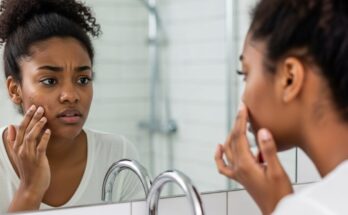
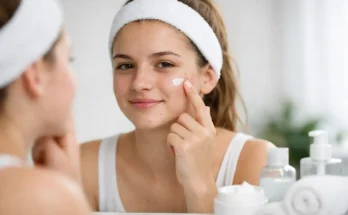
Finding the best chemical peel for sensitive skin requires careful consideration of skin type, product ingredients, acid concentration, and potential irritation. Unlike normal skin, sensitive skin is more likely to experience redness, dryness, burning, and discomfort when exposed to aggressive exfoliating treatments.
Fortunately, several gentle chemical peels for sensitive skin can improve skin texture, reduce dullness, address uneven pigmentation, and promote a brighter complexion without excessive irritation.
We recommend choosing mild exfoliating acids, starting with lower concentrations, and prioritizing treatments that protect the skin’s natural moisture barrier. With the right approach, chemical peels can support smoother, healthier-looking skin while minimizing unwanted reactions.
What Is a Chemical Peel for Sensitive Skin?
A chemical peel for sensitive skin is an exfoliating treatment that uses carefully selected acids to remove dead skin cells and encourage skin renewal. Unlike aggressive chemical peels, gentle formulations are designed to limit irritation while improving the skin’s overall appearance.
Chemical peels work by loosening the bonds between dead skin cells, allowing them to shed more effectively. Depending on the ingredients and concentration, these treatments may help address concerns such as uneven skin tone, rough texture, mild acne, and superficial pigmentation.
We emphasize that individuals with sensitive skin should avoid unnecessarily strong formulations. Even gentle acids can trigger irritation when used incorrectly or applied to a compromised skin barrier.
Best Types of Chemical Peels for Sensitive Skin
Selecting the right exfoliating acid is essential for achieving desirable results while maintaining skin comfort. Some chemical peels are generally better tolerated by sensitive skin than others.
1. Mandelic Acid Peel for Sensitive Skin
Mandelic acid is an alpha hydroxy acid (AHA) derived from bitter almonds. Its relatively large molecular structure contributes to slower penetration compared with some other AHAs.
This characteristic makes mandelic acid a popular option for individuals seeking gentle exfoliation.
Potential benefits include:
- Improving uneven skin texture and dullness.
- Reducing the appearance of certain dark spots.
- Supporting a more balanced complexion.
- Helping manage mild acne and clogged pores.
- Providing gradual exfoliation with potentially less irritation than stronger alternatives.
We consider mandelic acid peels a reasonable option for some sensitive skin types, particularly when professionally formulated at an appropriate concentration.
2. Lactic Acid Peel for Gentle Exfoliation
Lactic acid is another AHA commonly used in chemical peels. It helps remove dead skin cells and can support skin hydration when incorporated into suitable skincare formulations.
Lactic acid peels may improve superficial pigmentation, roughness, and dull-looking skin.
We often favor lower-strength lactic acid formulations for people seeking gradual exfoliation rather than intensive skin resurfacing.
However, higher concentrations can still cause significant irritation, making professional guidance important.
3. Polyhydroxy Acid (PHA) Peels
Polyhydroxy acids, including gluconolactone and lactobionic acid, are frequently used in skincare products developed for delicate or reactive skin.
PHAs generally provide mild surface exfoliation and may offer additional humectant benefits.
Their advantages include:
- Gentle removal of dead skin cells.
- Support for smoother skin texture.
- Moisture-attracting properties.
- Potentially better tolerability than some stronger exfoliating acids.
- Suitability for gradual introduction into a sensitive skincare routine.
We recommend considering PHA exfoliating formulations when traditional AHAs cause discomfort, although individual reactions remain possible.
4. Low-Strength Glycolic Acid Peel
Glycolic acid is widely recognized for its exfoliating properties and ability to improve uneven skin texture.
However, its relatively small molecular size allows it to penetrate efficiently, which can increase irritation risk.
For sensitive skin, we recommend caution with glycolic acid peels, particularly professional-strength treatments.
Low-strength glycolic acid may be appropriate for selected individuals, but it is not necessarily the safest starting option for highly reactive skin.
How to Choose the Best Chemical Peel for Sensitive Skin
Choosing a chemical peel involves more than selecting a popular ingredient. We assess several factors to determine whether exfoliation is appropriate and which treatment offers the most favorable balance between effectiveness and tolerability.
Important Factors to Consider Before Choosing a Chemical Peel
- Skin sensitivity level: Individuals experiencing persistent redness, burning, or irritation may require barrier repair before considering exfoliation.
- Type of exfoliating acid: Mandelic acid, lactic acid, and PHAs are often considered gentler options.
- Acid concentration and pH: Lower concentrations may be easier to tolerate, although formulation pH and exposure time also influence peel strength.
- Existing skin conditions: Rosacea, eczema, contact dermatitis, and active inflammation can increase the risk of adverse reactions.
- Skin pigmentation: Individuals prone to post-inflammatory hyperpigmentation require extra caution because irritation can worsen discoloration.
- Professional assessment: A qualified dermatologist can recommend suitable treatments based on individual skin characteristics.
We also recommend reviewing current skincare products before introducing chemical peels, particularly when using retinoids, benzoyl peroxide, or other exfoliating ingredients.
Benefits of Chemical Peels for Sensitive Skin
When correctly selected and administered, gentle chemical peels can offer several cosmetic benefits.
Improved Skin Texture
Mild exfoliating acids help remove accumulated dead skin cells, potentially leaving the skin smoother and improving the appearance of rough patches.
Brighter and More Even Skin Tone
Chemical peels may gradually reduce superficial discoloration and dullness. Results depend on the underlying cause of pigmentation and the specific treatment used.
Reduced Appearance of Mild Acne
Certain exfoliating acids can help maintain clearer pores and improve mild acne-related concerns. However, not every chemical peel is appropriate for inflamed or highly reactive skin.
Enhanced Appearance of Fine Lines
Superficial chemical peels may soften the appearance of minor textural irregularities and fine lines, although deeper wrinkles generally require different treatments.
Better Surface Exfoliation
Appropriate exfoliation can improve the appearance of skin smoothness without requiring abrasive physical scrubs.
Chemical Peel Ingredients Sensitive Skin Should Approach With Caution
Not every chemical peel marketed for facial rejuvenation is suitable for sensitive skin.
We recommend caution with the following treatments:
- High-concentration glycolic acid: May increase stinging, redness, and irritation.
- Strong trichloroacetic acid (TCA) peels: Can produce deeper skin injury and require experienced professional administration.
- Jessner’s solution: Traditional formulations contain multiple exfoliating ingredients and may be too irritating for some sensitive skin types.
- Deep chemical peels: Carry greater risks, require substantial recovery, and are generally unnecessary for routine sensitive skin exfoliation.
We advise against performing professional-strength chemical peels at home because incorrect application can cause chemical burns, scarring, or prolonged pigmentation changes.
How to Prepare Sensitive Skin Before a Chemical Peel
Proper preparation can reduce avoidable irritation and support more comfortable recovery.
We recommend maintaining a simple skincare routine before treatment, including a gentle cleanser, fragrance-free moisturizer, and broad-spectrum sunscreen.
Avoid introducing several new active skincare ingredients immediately before a peel. A dermatologist may also recommend temporarily stopping certain exfoliants or retinoids, depending on the procedure.
Individuals with active eczema flare-ups, sunburn, open wounds, or significant skin irritation should postpone treatment until their skin has recovered.
For those with a history of allergic reactions, professional evaluation and appropriate product testing may be necessary.
Aftercare Tips for Sensitive Skin Following a Chemical Peel
Post-treatment care is particularly important because chemical exfoliation temporarily makes the skin more vulnerable to irritation and environmental exposure.
Essential Chemical Peel Aftercare Steps
- Use a gentle cleanser: Avoid harsh soaps, scrubbing, and heavily fragranced products.
- Apply a suitable moisturizer: Choose barrier-supporting ingredients such as ceramides and glycerin.
- Protect against UV exposure: Use broad-spectrum SPF 30 or higher and limit direct sunlight.
- Avoid aggressive exfoliation: Do not immediately combine chemical peels with scrubs, strong acids, or retinoids unless directed by a professional.
- Do not pick peeling skin: Allow flaking or shedding to occur naturally.
- Follow professional instructions: Recovery requirements vary according to the type and depth of the peel.
We recommend seeking medical attention if symptoms include severe pain, blistering, increasing swelling, or signs of infection.
At-Home vs. Professional Chemical Peels for Sensitive Skin
Both at-home exfoliating products and professionally administered chemical peels can improve selected skin concerns, but they differ in strength, supervision, and potential risks.
| Feature | At-Home Gentle Exfoliants | Professional Chemical Peels |
|---|---|---|
| Strength | Generally lower | Variable, including stronger formulations |
| Application | Self-administered | Performed by trained professionals |
| Results | Usually gradual | May be more noticeable |
| Irritation risk | Depends on formulation and use | Depends on peel depth and technique |
| Customization | Limited | Based on clinical assessment |
| Recovery | Often minimal | Varies from minimal to substantial |
We generally recommend beginning with a conservative skincare approach, particularly for individuals who have never used exfoliating acids.
For persistent pigmentation, acne, or uneven skin texture, a dermatologist-recommended chemical peel for sensitive skin may offer a more personalized treatment strategy.
How Often Should Sensitive Skin Get a Chemical Peel?
The ideal frequency depends on the type of acid, formulation strength, skin response, and treatment objectives.
Mild at-home exfoliating products may be introduced infrequently before gradually adjusting usage according to tolerance and manufacturer guidance.
Professional superficial peels are commonly spaced several weeks apart, depending on the treatment plan.
We discourage excessive exfoliation because repeated irritation can weaken the skin barrier, worsen dryness, and contribute to post-inflammatory hyperpigmentation.
Sensitive skin benefits most from a gradual, consistent approach rather than aggressive treatment schedules.
Who Should Avoid Chemical Peels for Sensitive Skin?
Although gentle chemical peels may be suitable for some individuals with sensitive skin, certain conditions require additional precautions.
People experiencing active skin infections, significant inflammation, open wounds, or uncontrolled eczema should generally avoid chemical peeling until medically assessed.
Individuals taking medications that increase skin sensitivity or affect wound healing should also discuss their treatment options with a qualified healthcare professional.
We recommend particular caution for people with rosacea, frequent allergic reactions, or a history of developing dark marks after irritation.
Sensitive skin does not automatically rule out chemical peels, but it makes appropriate treatment selection especially important.
Which Chemical Peel Is Best for Different Sensitive Skin Concerns?
The best chemical peel for sensitive skin depends on the specific concern being addressed.
| Skin Concern | Potential Option |
|---|---|
| Dry, sensitive skin | Low-strength lactic acid or PHA formulation |
| Dull, sensitive skin | Mandelic acid or PHA |
| Sensitive, acne-prone skin | Mandelic acid under appropriate guidance |
| Mild uneven pigmentation | Carefully selected mandelic or lactic acid peel |
| Highly reactive skin | Barrier-focused skincare before exfoliation |
These recommendations are general rather than universal. Ingredient tolerance, formulation strength, and existing skin conditions can change which option is appropriate.
FAQs about Best Chemical Peel for Sensitive Skin
1. What Is the Best Chemical Peel for Sensitive Skin?
The best chemical peel for sensitive skin is typically a gentle, superficial peel containing mandelic acid, lactic acid, or polyhydroxy acids (PHAs). These ingredients exfoliate the skin while generally causing less irritation than stronger peeling agents.
2. Is a Chemical Peel Safe for Sensitive Skin?
Yes, chemical peels for sensitive skin can be safe when performed by a qualified dermatologist using appropriate ingredients and concentrations. However, sensitive skin requires careful assessment to minimize redness, irritation, and inflammation.
3. Which Acid Is Best for Sensitive Skin?
Mandelic acid is often considered a suitable option because its larger molecular size allows slower skin penetration. Lactic acid and PHAs may also provide gentle exfoliation.
4. Can Chemical Peels Cause Irritation on Sensitive Skin?
Yes. Chemical peels can cause temporary redness, dryness, peeling, and irritation. Choosing a mild formulation and following professional aftercare recommendations can help reduce these effects.
5. How Often Should Sensitive Skin Get a Chemical Peel?
The frequency depends on the peel’s strength and individual skin tolerance. Gentle chemical peels may be scheduled several weeks apart, depending on a dermatologist’s recommendation.
6. Can Chemical Peels Help Sensitive Skin With Acne and Dark Spots?
Yes. Certain superficial chemical peels may improve mild acne, uneven skin tone, and dark spots. However, inappropriate treatments can worsen irritation or pigmentation.
7. What Should We Avoid After a Chemical Peel?
We recommend avoiding harsh exfoliants, retinoids until cleared by your provider, excessive sun exposure, and irritating skincare products. Use a gentle moisturizer and broad-spectrum SPF 30 or higher.
8. Should We Consult a Dermatologist Before Getting a Chemical Peel?
Absolutely. A dermatologist-recommended chemical peel for sensitive skin should be selected based on skin type, sensitivity, medical history, and treatment goals to support safer, more effective results.
Conclusion
Choosing the best chemical peel for sensitive skin begins with understanding the skin’s limitations and selecting treatments that deliver gradual improvement without unnecessary irritation.
Mandelic acid, lactic acid, and polyhydroxy acids are among the options worth considering because suitable formulations can provide relatively gentle exfoliation. However, no chemical peel is completely irritation-free or appropriate for every sensitive skin type.
We recommend prioritizing skin barrier health, avoiding excessively strong acids, following proper aftercare, and seeking professional advice before undergoing intensive treatments.
With careful product selection and a personalized skincare approach, individuals with sensitive skin may achieve smoother texture, improved radiance, and a more even-looking complexion while reducing the risk of adverse reactions.