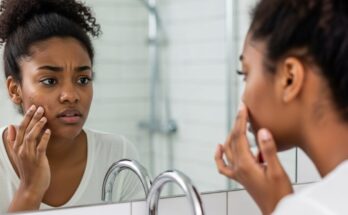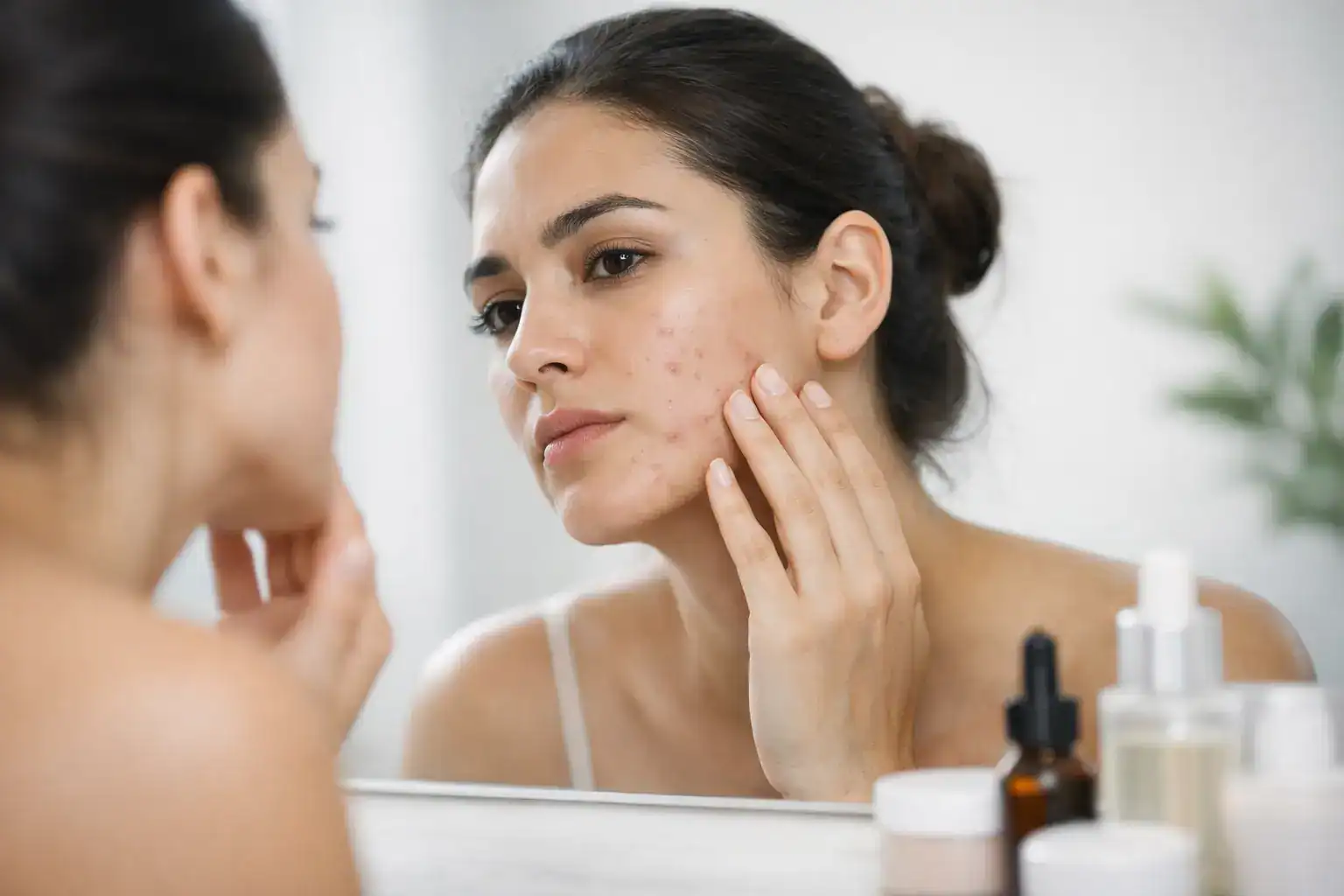
Acne scars can affect skin texture, complexion, and self-confidence, making professional skincare treatments an important consideration for individuals seeking smoother, healthier-looking skin. Finding an affordable chemical peel for acne scars near me is an excellent starting point for exploring treatments that may improve mild acne scarring, reduce post-acne discoloration, and promote a more even complexion.
We understand that choosing the right chemical peel involves balancing treatment effectiveness, skin safety, and affordability. With professional skin assessment and appropriate treatment selection, chemical peels can help address certain acne-related concerns without the higher costs associated with some advanced cosmetic procedures.
What Is a Chemical Peel for Acne Scars?
A chemical peel for acne scars is a cosmetic skin treatment that uses carefully selected chemical exfoliating agents to remove damaged surface skin cells and encourage skin renewal. Depending on the peeling agent and treatment depth, chemical peels may improve uneven skin tone, superficial textural irregularities, and certain shallow acne scars.
Common ingredients include glycolic acid, salicylic acid, lactic acid, and trichloroacetic acid (TCA). Each ingredient works differently, making professional assessment essential when selecting the most appropriate treatment.
Chemical peels are particularly useful for post-inflammatory hyperpigmentation, which appears as dark marks after acne heals. However, deeper pitted scars may require microneedling, laser resurfacing, subcision, or other dermatologist-recommended procedures.
Benefits of Choosing an Affordable Chemical Peel for Acne Scars
Professional chemical peels offer several potential benefits for individuals seeking cost-effective acne scar treatments.
Key Benefits of Chemical Peel Treatments
- Improved Skin Texture: Superficial and medium-depth peels may help smooth mild irregularities and improve overall skin appearance.
- Reduced Acne Marks: Chemical peels can gradually fade certain types of post-acne hyperpigmentation.
- Brighter Complexion: Exfoliation helps remove accumulated surface skin cells, promoting a fresher-looking complexion.
- Improved Appearance of Shallow Scars: Some carefully selected peels may soften the appearance of mild superficial acne scarring.
- Affordable Treatment Options: Superficial peels are often less expensive per session than certain laser-based treatments.
- Minimal Downtime for Light Peels: Many superficial chemical peels allow patients to resume normal activities relatively quickly.
We emphasize selecting treatments according to skin type, acne history, and scar severity rather than price alone.
Types of Affordable Chemical Peels for Acne Scars
Different chemical peels address different skincare concerns. Understanding the available options makes it easier to identify an effective and reasonably priced treatment.
Glycolic Acid Chemical Peel
A glycolic acid peel for acne scars is commonly used to improve uneven texture, dullness, and post-acne discoloration. Derived from sugar cane, glycolic acid belongs to the alpha-hydroxy acid family and promotes exfoliation.
Superficial glycolic acid peels may be appropriate for individuals experiencing mild textural changes and dark marks. Multiple sessions are often needed to achieve noticeable improvements.
Salicylic Acid Chemical Peel
Salicylic acid is a beta-hydroxy acid commonly recommended for oily and acne-prone skin. It helps exfoliate within pores and may reduce clogged pores and certain acne-related discoloration.
A salicylic acid chemical peel may be particularly suitable when active acne accompanies post-acne marks. However, treating ongoing acne and preventing new scars should remain priorities.
Lactic Acid Chemical Peel
Lactic acid provides relatively gentle exfoliation and may help improve uneven skin tone and mild discoloration.
A lactic acid peel for acne marks may be considered for individuals who need a superficial treatment, although suitability depends on skin sensitivity, formulation, and treatment strength.
TCA Chemical Peel
Trichloroacetic acid peels can penetrate more deeply, depending on concentration and technique. Dermatologists sometimes use specialized TCA CROSS treatment to target selected ice-pick acne scars.
Unlike routine facial chemical peels, TCA CROSS requires precise application to individual scars. It carries risks of pigmentation changes and further scarring, particularly when performed incorrectly.
We recommend specialist supervision for medium-depth peels and targeted scar procedures.
How Much Does an Affordable Chemical Peel for Acne Scars Cost?
The cost of a chemical peel for acne scars varies depending on the treatment depth, clinic location, professional qualifications, and number of sessions required.
A superficial chemical peel generally costs less per appointment than a medium-depth peel or specialized acne scar procedure. However, the overall expense may increase when several treatments are necessary.
Factors That Influence Chemical Peel Prices
- Type of Chemical Peel: Superficial treatments are often more affordable than deeper chemical peels.
- Skin Condition: Extensive pigmentation or more complex scarring may require a different treatment approach.
- Treatment Area: Full-face treatments may cost differently from targeted procedures.
- Clinic Expertise: Dermatologist-led treatments may have different pricing structures from routine cosmetic services.
- Number of Sessions: Multiple appointments can increase total treatment costs.
- Aftercare Products: Sunscreen, moisturizers, and prescribed skincare products may add to the overall expense.
We recommend requesting a written treatment estimate that includes consultation charges, the expected number of sessions, and aftercare requirements.
How to Find an Affordable Chemical Peel for Acne Scars Near Me
Searching for a reliable local clinic requires more than comparing advertised prices. Treatment safety, practitioner experience, and appropriate patient assessment are equally important.
Important Factors to Consider Before Booking
1. Choose a Qualified Skin Professional
Look for a dermatologist or appropriately trained medical professional experienced in chemical peel treatments, particularly if you have deeper acne scars or a history of pigmentation problems.
2. Check Clinic Reviews and Credentials
Read independent patient reviews and verify professional qualifications. Before-and-after photographs may provide useful context, although results vary between individuals.
3. Ask About Chemical Peel Options
A reputable provider should explain which peeling agent is appropriate for your skin and whether the treatment is likely to improve your specific type of acne scarring.
4. Compare Complete Treatment Costs
Request details about consultation fees, individual session prices, package discounts, and follow-up appointments. Avoid assuming that the cheapest advertised session represents the best overall value.
5. Prioritize Skin Safety
Choose clinics that provide proper skin assessment, clear aftercare instructions, and realistic expectations about treatment outcomes.
Are Chemical Peels Effective for Deep Acne Scars?
Chemical peels can improve certain superficial acne scars, but deep acne scars typically respond less effectively to routine chemical peels alone.
Acne scars are commonly classified into several categories:
- Ice-Pick Scars: Narrow, deep depressions that may benefit from specialized treatments such as TCA CROSS.
- Boxcar Scars: Depressed scars with defined edges that may require resurfacing or other targeted procedures.
- Rolling Scars: Broad, wave-like depressions often associated with tissue tethering and sometimes treated with subcision.
- Post-Acne Dark Marks: Flat areas of discoloration that are not true scars and may respond well to appropriate superficial chemical peels.
We encourage proper scar classification before treatment because the best procedure depends on the structure and depth of the affected skin.
What to Expect During a Professional Chemical Peel Treatment
A professional chemical peel typically begins with a consultation to assess skin type, active acne, pigmentation concerns, and medical history.
The skin is then cleansed before the chosen chemical solution is applied under controlled conditions. Patients may experience mild tingling, warmth, or a temporary stinging sensation.
The treatment is completed according to the peeling agent and clinical protocol. Some formulations require neutralization, while others do not.
Following a superficial peel, patients may notice temporary redness, dryness, or light flaking. Medium-depth peels generally require longer recovery and more intensive aftercare.
We recommend following professional instructions carefully and avoiding unnecessary exfoliation while the skin heals.
How Many Chemical Peel Sessions Are Needed for Acne Scars?
The number of sessions depends on the treatment type, skin condition, and desired improvement.
Superficial peels commonly require a series of treatments spaced several weeks apart. Improvements in acne marks and overall complexion may become more noticeable as treatment progresses.
Deep acne scars may show limited improvement even after multiple routine peels, making alternative procedures more appropriate.
We recommend establishing realistic treatment goals during the initial consultation rather than expecting complete scar removal after one appointment.
Chemical Peel Aftercare for Better Results
Appropriate aftercare helps protect the skin barrier and reduce the risk of complications, including prolonged irritation and post-inflammatory hyperpigmentation.
Essential Aftercare Recommendations
- Apply Broad-Spectrum Sunscreen: Use SPF 30 or higher as directed and limit unnecessary sun exposure.
- Moisturize Regularly: Select gentle, fragrance-free products that support skin barrier recovery.
- Avoid Picking or Peeling Skin: Allow exfoliating skin to shed naturally.
- Temporarily Avoid Harsh Products: Follow professional guidance on when to restart retinoids, scrubs, and exfoliating acids.
- Avoid Excessive Heat: Limit activities that may worsen irritation during early recovery.
- Attend Recommended Follow-Ups: Professional monitoring helps assess progress and identify complications.
We place particular importance on pigmentation prevention for individuals with darker skin tones, as irritation and overly aggressive treatments can cause persistent darkening or, less commonly, lightening of treated areas.
Why Professional Chemical Peels Are Worth Considering
Although inexpensive chemical peel kits are widely available, professional treatments offer important advantages.
Qualified providers can assess skin sensitivity, identify contraindications, and select appropriate treatment strengths. They can also distinguish between acne scars, enlarged pores, pigmentation, and other conditions that may require different therapies.
High-strength chemical peeling agents used without proper training can cause burns, infections, pigment changes, and permanent scarring.
We therefore recommend prioritizing professional care over potentially unsafe at-home chemical peel procedures.
Who Is a Good Candidate for an Affordable Acne Scar Chemical Peel?
Chemical peels may be suitable for individuals with mild superficial acne scarring, uneven skin tone, and post-acne discoloration.
However, not everyone is an appropriate candidate. Patients with active skin infections, impaired skin barriers, recent significant sun exposure, or certain medical conditions may need to postpone treatment or consider alternatives.
Individuals with a history of abnormal scarring, persistent pigmentation problems, or recent use of medications affecting skin healing should discuss these factors with their dermatologist.
We support individualized treatment planning to improve results while minimizing avoidable risks.
Affordable Chemical Peel vs. Other Acne Scar Treatments
Chemical peels are only one option within professional acne scar management.
For mild pigmentation and superficial texture concerns, chemical peels may offer a relatively accessible starting point. Microneedling can be more suitable for certain depressed scars, while laser resurfacing may improve selected textural abnormalities.
Subcision is often considered for rolling scars, whereas TCA CROSS may be recommended for specific ice-pick scars.
Treatment combinations can sometimes produce better results than a single procedure. However, combining treatments may increase costs, recovery requirements, and potential complications.
We recommend choosing procedures according to clinical suitability and expected benefit rather than selecting the most expensive treatment.
How to Get the Best Value From Your Chemical Peel Treatment
Affordable acne scar treatment should deliver appropriate care without unnecessary procedures or excessive expense.
Before committing to a treatment package, we recommend confirming the diagnosis, discussing the expected improvement, and understanding whether other treatments may provide better value.
For patients with primarily dark acne marks, superficial chemical peels combined with sun protection and dermatologist-recommended skincare may be sufficient to improve appearance over time.
For individuals with deeper scars, paying for repeated superficial peels may be less cost-effective than choosing a treatment specifically designed for depressed scarring.
A realistic treatment plan helps patients make informed decisions about both results and long-term expenses.
Conclusion
Finding an affordable chemical peel for acne scars near me involves selecting a qualified provider, understanding available treatment options, and choosing a procedure suited to your individual skin concerns.
Professional chemical peels can improve post-acne discoloration, promote smoother-looking skin, and reduce certain superficial imperfections. However, deeper scars often require specialized dermatological treatments for more meaningful results.
We recommend beginning with a professional skin consultation, comparing transparent treatment prices, and following a personalized aftercare routine. With the right approach, achieving clearer, more even-looking skin can become a practical and cost-conscious skincare goal.