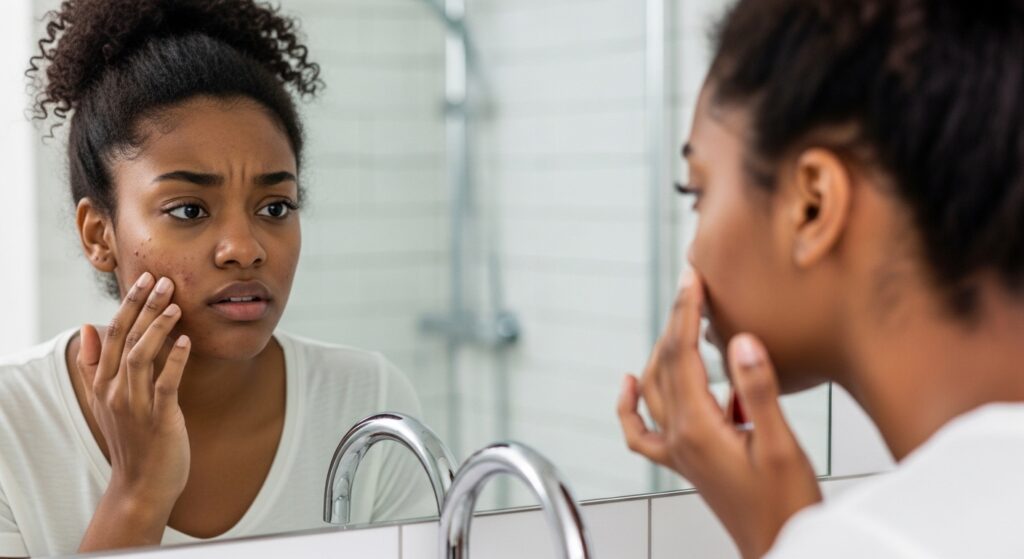
Choosing the best chemical peel for acne can make a significant difference in managing breakouts, improving uneven skin texture, and reducing post-acne dark spots. However, with several chemical peel treatments available, understanding which option suits your skin type and acne concerns is essential for achieving effective results.
At our clinic, we believe that successful acne treatment begins with a personalized skincare approach. Whether you struggle with oily skin, clogged pores, persistent breakouts, or acne-related hyperpigmentation, selecting the right chemical peel for acne-prone skin can help improve your complexion while minimizing irritation.
This guide explains how to choose chemical peel treatments for acne, the different types available, and the important factors to consider before undergoing treatment.
Understanding Chemical Peels for Acne Treatment
A chemical peel for acne is a professional skincare treatment that uses carefully selected chemical solutions to exfoliate the skin and encourage the removal of damaged surface cells. Depending on the peeling agent, chemical peels can help unclog pores, reduce excess oil, and improve certain types of acne.
Chemical peels are particularly beneficial for individuals experiencing mild acne, blackheads, whiteheads, and post-inflammatory hyperpigmentation.
Some chemical peels can also improve superficial acne-related textural changes. However, deeper acne scars generally require additional treatments, such as microneedling or laser resurfacing.
We recommend professional skin assessment before selecting a chemical peel to ensure the treatment matches your skin condition, sensitivity, and skincare goals.
How to Choose the Best Chemical Peel for Acne
Selecting the right chemical peel for acne requires careful consideration of your skin type, acne severity, and treatment expectations. Different peeling agents offer distinct benefits, making professional guidance essential.
Important Factors to Consider Before Choosing a Chemical Peel
Before beginning treatment, we recommend evaluating the following factors:
1. Identify Your Skin Type: Oily, dry, sensitive, and combination skin may respond differently to chemical peeling agents. Understanding your skin type helps determine an appropriate treatment.
2. Consider Your Acne Severity: Mild acne and clogged pores may respond well to superficial peels, while moderate or severe inflammatory acne often requires additional medical treatment.
3. Choose the Appropriate Peeling Acid: Salicylic acid, glycolic acid, lactic acid, and mandelic acid have different properties that influence their suitability for acne-prone skin.
4. Evaluate Skin Sensitivity: Individuals with sensitive skin should discuss gentler peeling options and suitable treatment concentrations with a qualified professional.
5. Assess Hyperpigmentation Concerns: If acne leaves dark spots, certain superficial chemical peels may help improve uneven pigmentation over time.
6. Consider Recovery Time: Superficial chemical peels generally involve less downtime than medium-depth or deep peels.
7. Consult a Qualified Dermatologist: Professional evaluation helps identify contraindications, reduce complications, and establish realistic treatment expectations.
By considering these factors, we can help patients make informed decisions about their acne chemical peel treatment.
Types of Chemical Peels for Acne-Prone Skin
Understanding the different types of chemical peels is essential when determining which treatment best addresses your acne concerns.
Salicylic Acid Peel for Acne and Oily Skin
A salicylic acid chemical peel is a commonly used option for oily and acne-prone skin. As a beta-hydroxy acid (BHA), salicylic acid helps penetrate oil-filled pores and loosen debris that contributes to clogged pores.
Its benefits may include:
- Reducing blackheads and whiteheads.
- Improving clogged pores.
- Helping control excess surface oil.
- Supporting the management of mild acne.
- Improving overall skin texture.
We often consider salicylic acid peels for individuals with oily skin and comedonal acne, provided there are no relevant contraindications.
Glycolic Acid Peel for Acne Marks and Uneven Texture
A glycolic acid peel for acne uses an alpha-hydroxy acid (AHA) to exfoliate the skin’s surface and promote smoother-looking skin.
Glycolic acid peels may help improve mild acne, superficial discoloration, and rough skin texture.
However, stronger glycolic acid formulations can cause irritation, particularly in sensitive skin or skin prone to post-inflammatory hyperpigmentation.
We recommend selecting the appropriate concentration and treatment frequency through professional assessment rather than using stronger formulations without supervision.
Lactic Acid Peel for Sensitive Acne-Prone Skin
A lactic acid chemical peel provides surface exfoliation and may be considered for individuals who require a gentler approach.
Lactic acid can help improve dullness, uneven texture, and superficial pigmentation. Its role in treating active acne is less established than that of salicylic acid.
For patients with sensitive or dry skin, we assess whether a superficial lactic acid peel is appropriate or whether another treatment would provide better results.
Mandelic Acid Peel for Acne and Hyperpigmentation
A mandelic acid peel is another AHA-based treatment sometimes used for acne-prone skin and uneven pigmentation.
Because mandelic acid penetrates the skin relatively slowly, it may be better tolerated by some individuals compared with certain other exfoliating acids.
Potential benefits include improvements in mild acne, superficial discoloration, and uneven skin texture.
However, tolerance varies, and mandelic acid can still cause irritation or pigmentation changes when used incorrectly.
Which Chemical Peel Is Best for Different Acne Concerns?
The most appropriate chemical peel treatment for acne depends on the specific skin concern being addressed.
| Skin concern | Chemical peel option to discuss |
|---|---|
| Oily skin and clogged pores | Salicylic acid peel |
| Blackheads and whiteheads | Salicylic acid peel |
| Superficial acne marks | Glycolic or mandelic acid peel |
| Sensitive, uneven-textured skin | Superficial lactic or mandelic acid peel |
| Post-acne hyperpigmentation | Carefully selected superficial AHA peel |
| Deep acne scars | Alternative or combination treatments may be necessary |
We emphasize that no single chemical peel is suitable for everyone. Individuals with severe inflammatory acne, active skin infections, or significantly impaired skin barriers may need to postpone chemical peeling or pursue alternative treatments.
How to Choose a Chemical Peel for Acne Scars and Dark Spots
Acne scars and post-acne dark spots are different skin concerns, and they require different treatment approaches.
Post-inflammatory hyperpigmentation develops when inflammation triggers excess pigment production, leaving flat dark marks after acne heals. Superficial chemical peels may help improve these marks when used appropriately.
Atrophic acne scars, on the other hand, involve changes in the skin’s structure that create depressions or indentations.
Although chemical peels can improve superficial texture, they are generally less effective for deep, pitted acne scars.
We recommend assessing the type and depth of acne scarring before selecting a treatment. Depending on the findings, other dermatological procedures may be more appropriate.
Patients with darker skin tones should also consider the risk of post-inflammatory hyperpigmentation, which can occur following excessive peeling or irritation.
What to Expect During a Professional Chemical Peel for Acne
Understanding the treatment process helps patients prepare for a safer and more comfortable experience.
During a professional chemical peel for acne-prone skin, the dermatologist or trained clinician first evaluates the skin and reviews relevant skincare products, medications, and medical history.
The treatment area is then cleansed before an appropriately selected peeling solution is applied.
Depending on the solution and concentration, patients may experience mild tingling, warmth, or temporary stinging.
The peeling agent is neutralized or removed according to the specific treatment protocol, and suitable post-treatment products are applied.
Mild redness, dryness, and flaking may occur afterward. Recovery varies with the depth of the peel, the individual’s skin characteristics, and the treatment used.
Superficial peels usually require less recovery time than medium-depth or deep chemical peels.
Essential Chemical Peel Aftercare for Acne-Prone Skin
Proper aftercare plays an important role in protecting the skin and supporting treatment results.
Tips for Maintaining Healthy Skin After a Chemical Peel
We recommend following these essential aftercare practices:
- Apply broad-spectrum sunscreen: Use SPF 30 or higher and limit unnecessary sun exposure.
- Keep the skin moisturized: Choose gentle, fragrance-free products that support the skin barrier.
- Avoid harsh exfoliation: Temporarily discontinue scrubs, exfoliating acids, and other irritating products as directed.
- Do not pick peeling skin: Allow flaking skin to shed naturally to reduce the risk of irritation and scarring.
- Follow professional instructions: Resume acne treatments, including retinoids or benzoyl peroxide, only when advised by your clinician.
- Monitor unusual reactions: Seek medical advice for severe pain, blistering, increasing swelling, or signs of infection.
Consistent skincare and appropriate sun protection can help maintain improvements while reducing the likelihood of unwanted pigmentation changes.
How Often Should You Get a Chemical Peel for Acne?
The ideal frequency of chemical peel treatments for acne depends on the peeling agent, skin sensitivity, acne severity, and treatment goals.
Some superficial chemical peels are performed at intervals of approximately two to four weeks, although the recommended schedule varies.
Repeated treatments may improve certain acne-related concerns, but undergoing peels too frequently can damage the skin barrier and increase irritation.
We recommend establishing an individualized treatment schedule rather than pursuing aggressive exfoliation for faster results.
Chemical peels are also commonly used alongside appropriate acne skincare and prescribed treatments when clinically indicated.
Why Professional Chemical Peels Are Better Than Choosing Treatments Without Guidance
Professional evaluation is particularly important when dealing with persistent acne, sensitive skin, or pigmentation concerns.
Although at-home exfoliating products may improve mild skin concerns, they are not equivalent to professional chemical peels.
Professional treatments involve stronger formulations or controlled application techniques that require specific knowledge of skin responses and potential complications.
We prioritize skin assessment, appropriate product selection, and post-treatment care to help reduce unnecessary risks.
Choosing a qualified dermatologist is especially important for individuals with darker skin tones, a history of abnormal scarring, recurrent hyperpigmentation, or active inflammatory acne.
A personalized treatment plan provides a more reliable approach than choosing a peel solely because it is popular or advertised as highly effective.
Common Mistakes to Avoid When Choosing Chemical Peels for Acne
Many individuals experience avoidable irritation because they select treatments without considering their skin’s needs.
One common mistake is assuming that a stronger chemical peel automatically produces better results. In reality, excessive exfoliation can worsen inflammation and increase the risk of discoloration.
Another mistake is using multiple exfoliating products immediately before or after treatment.
We also advise against relying entirely on chemical peels for severe cystic acne or deep acne scars, as these concerns often require alternative dermatological treatments.
Finally, neglecting sun protection after a chemical peel can contribute to persistent pigmentation and delayed recovery.
Choosing an appropriate treatment and following professional instructions are essential for achieving satisfactory results.
When Should You Consult a Dermatologist for Acne Chemical Peels?
A dermatologist consultation is recommended when acne persists despite regular skincare or when breakouts are accompanied by scarring, significant inflammation, or recurring dark spots.
Professional assessment is also important if you have sensitive skin, eczema, active infections, a history of keloid scarring, or previous complications from chemical peels.
We recommend discussing all prescription medications, topical retinoids, recent cosmetic procedures, and pregnancy or breastfeeding status before treatment.
These considerations help determine whether a chemical peel is appropriate and which treatment offers the most suitable balance of potential benefits and risks.
FAQs about How to Choose Chemical Peel for Acne
1. What Is the Best Chemical Peel for Acne?
The best chemical peel for acne depends on your skin type, acne severity, and treatment goals. Salicylic acid peels are commonly recommended for oily and acne-prone skin, while glycolic and mandelic acid peels may help improve skin texture and post-acne marks.
2. How Do I Choose the Right Chemical Peel for My Skin?
To choose the right chemical peel for acne, consider your skin sensitivity, acne type, and pigmentation concerns. We recommend consulting a qualified dermatologist to determine the safest and most effective treatment.
3. Is Salicylic Acid Peel Good for Active Acne?
Yes. Salicylic acid chemical peels can help unclog pores, reduce excess oil, and improve certain types of acne, particularly blackheads and whiteheads.
4. Can Chemical Peels Remove Acne Scars?
Chemical peels can improve superficial acne marks and uneven skin texture. However, deeper acne scars may require treatments such as microneedling, laser resurfacing, or other dermatologist-recommended procedures.
5. How Many Chemical Peel Sessions Are Needed for Acne?
Most patients require multiple sessions for noticeable improvement. The number depends on acne severity, peel strength, skin response, and individual treatment goals.
6. Are Chemical Peels Safe for Sensitive Skin?
Chemical peels for sensitive skin can be appropriate when carefully selected and professionally administered. Mild formulations may reduce irritation risks, although redness, peeling, and pigmentation changes remain possible.
7. What Should I Avoid After a Chemical Peel for Acne?
Avoid excessive sun exposure, harsh exfoliants, picking at peeling skin, and irritating skincare products. Use gentle moisturizers and broad-spectrum sunscreen as directed.
8. Are Chemical Peels Suitable for Dark Skin?
Yes, but careful peel selection is essential because darker skin tones have a higher risk of post-inflammatory hyperpigmentation. We recommend professional assessment before treatment.
Conclusion
Salicylic acid peels may be particularly useful for oily skin and clogged pores, while glycolic, lactic, and mandelic acid peels offer different benefits for superficial texture and pigmentation concerns.
At our clinic, we recommend a personalized approach that considers skin type, acne severity, sensitivity, and long-term skincare goals.
By combining professional assessment, appropriate treatment selection, and consistent aftercare, we can help patients work toward clearer, smoother, and healthier-looking skin while maintaining realistic expectations about treatment outcomes.

