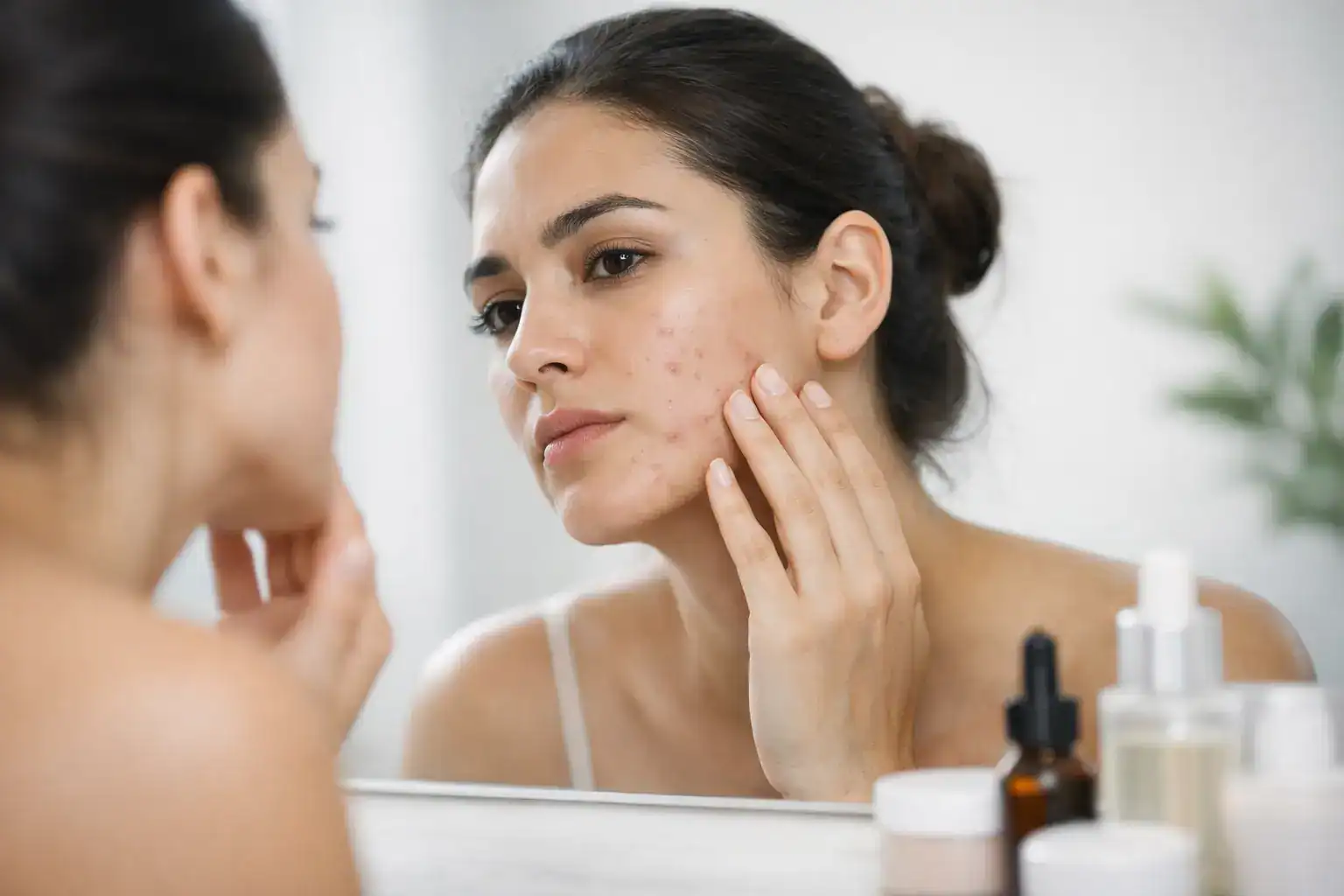
Choosing the right fractional laser skin treatment is an important step toward achieving smoother, firmer, and more youthful-looking skin. Whether you want to reduce acne scars, minimize wrinkles, improve uneven skin tone, or address sun damage, fractional laser technology offers an effective approach to skin rejuvenation.
However, not every fractional laser treatment delivers the same results. Different laser technologies target specific skin concerns, and the ideal treatment depends on your skin type, treatment goals, budget, and recovery preferences.
We believe that understanding how to choose fractional laser skin treatment helps patients make informed decisions, minimize potential risks, and achieve realistic, long-lasting improvements.
What Is Fractional Laser Skin Treatment?
Fractional laser skin treatment is a cosmetic dermatology procedure that uses concentrated laser energy to create microscopic treatment zones within the skin while leaving surrounding tissue relatively unaffected.
These controlled treatment zones stimulate the skin’s natural repair process and encourage collagen remodeling, which can gradually improve skin texture, fine lines, scars, and other visible imperfections.
Unlike traditional full-field laser resurfacing, fractional laser technology treats only a portion of the skin during each session. This approach can support faster healing and reduce downtime compared with more extensive resurfacing procedures.
We recommend fractional laser skin resurfacing for appropriately selected patients seeking improvements in:
- Fine lines and wrinkles
- Acne scars and certain surgical scars
- Uneven skin texture
- Sun-damaged skin
- Enlarged-looking pores
- Certain pigmentation irregularities
- Mild skin laxity
Treatment results vary depending on the laser type, skin condition, treatment settings, and individual healing response.
Key Factors to Consider When Choosing Fractional Laser Skin Treatment
Selecting the best fractional laser skin treatment requires careful consideration of several factors. We recommend evaluating the following before scheduling your procedure.
1. Identify Your Primary Skin Concerns
The first step in choosing fractional laser treatment is identifying the specific skin problems you want to address.
For example, individuals with deep acne scars may benefit from a different laser approach than those seeking treatment for early wrinkles or uneven pigmentation.
We recommend a professional skin assessment to determine whether fractional laser resurfacing is appropriate for concerns such as acne scarring, aging skin, or sun damage.
2. Understand the Different Types of Fractional Laser Treatments
Fractional laser treatments generally fall into two main categories.
Ablative Fractional Laser Treatment
Ablative lasers, including fractional CO2 and Er:YAG lasers, remove microscopic columns of skin tissue while delivering controlled thermal energy.
These treatments may provide more noticeable improvements for deeper wrinkles, significant texture irregularities, and certain acne scars.
However, they generally involve more downtime and a greater risk of complications than gentler non-ablative options.
Non-Ablative Fractional Laser Treatment
Non-ablative fractional lasers heat targeted areas beneath the skin without intentionally removing the outer skin surface.
They are commonly used to improve mild wrinkles, skin texture, and selected pigmentation concerns.
We often consider non-ablative treatment when patients prefer less downtime and are comfortable with gradual improvement over multiple sessions.
3. Consider Your Skin Type and Skin Tone
Skin type and pigmentation play important roles in selecting an appropriate fractional laser.
People with darker skin tones may face a higher risk of post-inflammatory hyperpigmentation, particularly with aggressive laser settings.
We recommend consulting an experienced dermatologist who understands laser treatment for different skin tones and can adjust the technology, energy settings, and treatment plan accordingly.
For some patients, an alternative procedure may offer a more favorable balance of benefits and risks.
4. Evaluate Treatment Safety and Professional Expertise
Choosing a qualified provider is one of the most important aspects of successful fractional laser skin rejuvenation.
We recommend selecting a dermatologist or appropriately trained medical professional with experience treating your skin type and specific concerns.
Before treatment, confirm that your provider conducts a detailed consultation, reviews your medical history, explains possible side effects, and provides clear aftercare instructions.
An experienced practitioner should also discuss realistic expectations rather than guarantee flawless skin or permanent results.
5. Compare Recovery Time and Downtime
Recovery time varies considerably between fractional laser technologies.
Non-ablative procedures may cause temporary redness and swelling that typically improve within a few days.
More intensive ablative treatments can require approximately one to two weeks of initial recovery, with lingering redness sometimes lasting longer.
We recommend considering your work schedule, social commitments, and ability to follow aftercare instructions before selecting a treatment.
6. Review Fractional Laser Treatment Cost
The cost of fractional laser skin treatment depends on several factors, including the technology used, treatment area, clinic location, practitioner expertise, and number of sessions required.
Although affordability matters, choosing the lowest-priced procedure without evaluating provider qualifications can increase the risk of disappointing outcomes or complications.
We encourage patients to request a detailed quotation covering consultation fees, treatment sessions, prescribed skincare products, and possible follow-up appointments.
7. Understand the Expected Results
Fractional laser resurfacing can improve various skin concerns, but results are not immediate or identical for everyone.
Collagen remodeling develops gradually over several weeks to months, and some individuals require multiple sessions to reach their treatment goals.
We recommend discussing expected improvement, maintenance requirements, and treatment limitations with your dermatologist before proceeding.
How to Prepare for Fractional Laser Skin Treatment
Proper preparation can help reduce complications and support better treatment outcomes.
Before undergoing fractional laser resurfacing, we recommend following your clinician’s personalized preparation instructions.
Common recommendations include avoiding excessive sun exposure, using broad-spectrum sunscreen, and disclosing all medications and skincare products.
Patients should also inform their dermatologist about active skin infections, a history of cold sores, recent tanning, pregnancy, or previous pigmentation problems.
Certain skincare ingredients, including retinoids and exfoliating acids, may need to be temporarily discontinued according to medical guidance.
We also recommend asking whether antiviral medication, pigmentation-prevention measures, or a test treatment is appropriate for your circumstances.
Important Questions to Ask Before Choosing Fractional Laser Treatment
A thorough consultation allows patients to understand the procedure and make confident treatment decisions.
We encourage asking the following questions:
- Which fractional laser is best for my skin type and concerns?
- How many treatment sessions will I need?
- What results can I realistically expect?
- What are the possible side effects and complications?
- How long will recovery take?
- What is the total cost of my treatment plan?
- How can I protect my skin after treatment?
- Do you have experience treating patients with my skin tone?
These questions help patients compare treatment options and identify providers who prioritize safety, transparency, and individualized care.
Fractional Laser Skin Treatment Aftercare for Better Results
Following appropriate aftercare instructions is essential for supporting healing and maintaining the improvements achieved through fractional laser resurfacing.
We recommend using gentle skincare products, avoiding unnecessary irritation, and protecting treated skin from direct sunlight.
Daily use of broad-spectrum SPF 30 or higher sunscreen, once appropriate for the healing stage, helps protect against additional sun damage and pigmentation changes.
Patients should avoid picking, scratching, or prematurely exfoliating healing skin.
After ablative procedures, specific cleansing, moisturizing, and wound-care instructions are especially important.
We also advise contacting the treating clinician if unusual pain, spreading redness, increasing swelling, discharge, or other concerning symptoms develop.
Who Is a Good Candidate for Fractional Laser Skin Treatment?
Fractional laser treatment may be appropriate for individuals experiencing acne scars, fine lines, uneven texture, or selected signs of sun damage.
However, suitability depends on overall skin health, medical history, pigmentation tendencies, and individual treatment expectations.
People with active infections, certain inflammatory skin conditions, or a history of problematic scarring may require additional evaluation or alternative treatments.
We recommend a personalized dermatology consultation to determine whether laser resurfacing is a suitable option and which technology offers the most appropriate risk-benefit profile.
How to Find the Best Fractional Laser Skin Treatment Near You
Finding a reputable clinic is essential when researching fractional laser skin treatment near me.
We recommend comparing clinics based on professional credentials, relevant treatment experience, available laser technologies, consultation quality, and transparent pricing.
Verified patient reviews and authentic before-and-after photographs may provide useful information, although individual results can vary significantly.
A reliable clinic should explain the benefits and limitations of treatment, offer individualized recommendations, and provide comprehensive follow-up care.
Rather than focusing exclusively on promotional offers, we encourage prioritizing clinical expertise, proper equipment maintenance, and patient safety.
FAQs about How to Choose Fractional Laser Skin Treatment
1. What Is Fractional Laser Skin Treatment?
Fractional laser skin treatment is a cosmetic procedure that targets small areas of skin to stimulate collagen production and improve skin texture, acne scars, fine lines, and pigmentation.
2. How Do I Choose the Best Fractional Laser Skin Treatment?
To choose the best fractional laser skin treatment, consider your skin type, concerns, treatment goals, recovery time, and budget. We recommend consulting a qualified dermatologist for a personalized assessment.
3. What Are the Different Types of Fractional Laser Treatments?
The two main types include ablative fractional lasers, which provide more intensive resurfacing, and non-ablative fractional lasers, which typically involve less downtime and more gradual improvements.
4. Is Fractional Laser Treatment Suitable for All Skin Types?
Fractional laser treatment can benefit many skin types. However, individuals with darker skin tones may face a higher risk of pigmentation changes. We recommend professional evaluation before treatment.
5. How Much Does Fractional Laser Skin Treatment Cost?
The cost of fractional laser skin treatment varies depending on the laser technology, treatment area, clinic location, and number of sessions required.
6. How Many Fractional Laser Sessions Will I Need?
The number of sessions depends on your skin condition and desired results. Some patients benefit from one intensive treatment, while others require multiple sessions.
7. What Should I Look for in a Fractional Laser Clinic?
We recommend choosing a clinic with qualified dermatologists, appropriate laser technology, strong safety protocols, and transparent pricing.
8. Are There Any Side Effects of Fractional Laser Treatment?
Common side effects include temporary redness, swelling, and peeling. Less common risks include infection, scarring, and pigmentation changes.
9. Is Fractional Laser Skin Treatment Worth It?
Fractional laser skin treatment can be worthwhile for improving skin texture and appearance when performed by an experienced professional. Results vary depending on individual skin concerns and treatment selection.
Conclusion
Understanding how to choose fractional laser skin treatment allows you to select a procedure that aligns with your skin concerns, recovery preferences, and desired results.
The most important factors include identifying your treatment goals, comparing ablative and non-ablative technologies, considering your skin tone, evaluating practitioner experience, and understanding treatment costs and recovery requirements.
We believe that successful fractional laser skin rejuvenation begins with professional assessment, realistic expectations, and personalized treatment planning.
By choosing an experienced provider and following appropriate skincare guidance, you can work toward smoother, healthier-looking skin while minimizing avoidable risks and supporting long-term results.