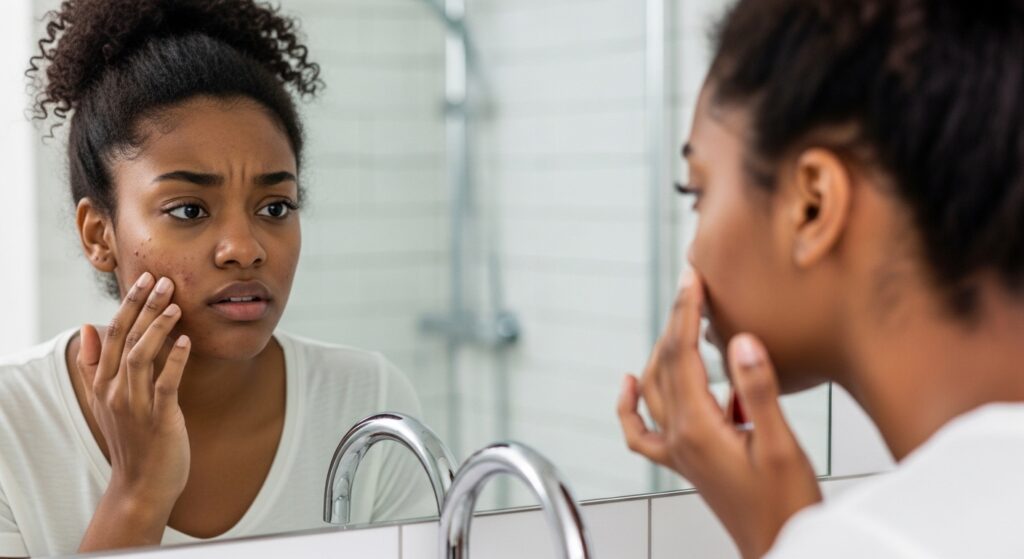
Aging, sun exposure, and declining collagen production can gradually cause the skin to lose its firmness and elasticity. Fortunately, dermatologist recommended laser skin tightening treatment offers a non-surgical approach to improving mild skin laxity, reducing fine lines, and restoring a smoother, more youthful appearance.
We understand that achieving firmer skin requires more than choosing a popular cosmetic procedure. The most effective approach involves identifying the right laser technology, evaluating individual skin concerns, and developing a personalized treatment plan under professional dermatological supervision.
In this comprehensive guide, we explore the best laser skin tightening treatments, their benefits, expected results, potential risks, costs, and important considerations for long-lasting skin rejuvenation.
What Is Dermatologist Recommended Laser Skin Tightening Treatment?
Laser skin tightening treatment is a cosmetic dermatology procedure that uses controlled light energy to heat targeted layers of the skin, stimulating collagen remodeling and improving skin firmness.
Collagen is an essential structural protein responsible for maintaining the skin’s strength, elasticity, and youthful appearance. As collagen production declines with age, the skin becomes thinner, less resilient, and more susceptible to wrinkles and sagging.
Laser treatments address these concerns by delivering carefully controlled thermal energy into the skin. Depending on the technology, this process can stimulate new collagen production, remodel existing collagen fibers, and improve overall skin texture.
Dermatologists may recommend laser skin tightening for individuals experiencing mild to moderate signs of aging who want noticeable improvements without undergoing surgical procedures.
However, results depend on the laser system, treatment depth, skin characteristics, and severity of skin laxity.
Best Dermatologist Recommended Laser Skin Tightening Treatments
Different laser technologies offer distinct advantages for skin rejuvenation. We recommend understanding their capabilities before selecting a procedure.
1. Fractional CO2 Laser Skin Tightening
Fractional CO2 laser treatment is a commonly used option for improving wrinkles, uneven skin texture, acne scars, and certain signs of photoaging.
This ablative laser creates microscopic treatment zones in the skin while leaving surrounding tissue relatively intact. The controlled injury stimulates healing and collagen remodeling.
Key benefits include:
- Improvement in fine lines and deeper wrinkles.
- Smoother skin texture and reduced acne scarring.
- Enhanced collagen remodeling.
- Some improvement in mild skin laxity.
- Reduction in visible signs of sun damage.
Fractional CO2 lasers can provide substantial resurfacing benefits, but they generally involve more downtime than non-ablative treatments.
2. Erbium:YAG Laser Skin Rejuvenation
Erbium:YAG laser treatment is another dermatologist-used option for addressing skin aging and surface irregularities.
This laser removes controlled layers of damaged skin, helping improve wrinkles, pigmentation irregularities, and overall texture.
Compared with traditional CO2 resurfacing, certain erbium laser treatments may produce less surrounding thermal injury and allow faster recovery.
Dermatologists may recommend this technology for patients seeking skin resurfacing with a treatment intensity appropriate to their skin condition.
3. Non-Ablative Fractional Laser Treatment
Non-ablative fractional lasers stimulate collagen remodeling without removing the entire outer skin surface.
These treatments deliver controlled energy beneath the skin, encouraging gradual improvements in texture and firmness.
Potential advantages include:
- Minimal to moderate recovery time.
- Gradual improvement in fine lines.
- Improved skin texture and elasticity.
- Reduced appearance of some acne scars.
- Lower downtime than many ablative resurfacing procedures.
Multiple sessions are often necessary because results develop progressively.
4. Nd:YAG Laser Skin Tightening
Certain 1064 nm Nd:YAG laser systems can deliver controlled heating to deeper skin layers, supporting collagen remodeling and modest improvements in skin firmness.
Dermatologists may consider suitable Nd:YAG protocols for selected patients, particularly when treatment parameters must account for higher skin pigmentation.
However, not every Nd:YAG laser or treatment setting is intended for skin tightening. Results vary, and patients should confirm the device’s intended application with their dermatologist.
Benefits of Dermatologist Recommended Laser Skin Tightening Treatment
Professional laser treatments provide several potential cosmetic advantages when performed on appropriately selected patients.
Improved Skin Firmness and Elasticity
Laser-induced collagen remodeling can help improve skin firmness, particularly in areas experiencing early signs of laxity.
Reduced Fine Lines and Wrinkles
By encouraging collagen renewal and resurfacing damaged skin, certain laser treatments can soften fine lines and reduce the appearance of wrinkles.
Improved Skin Texture
Laser resurfacing can improve roughness, enlarged-looking pores, acne scars, and uneven skin texture, depending on the treatment selected.
Non-Surgical Skin Rejuvenation
Many laser procedures do not require surgical incisions, making them appealing to patients seeking cosmetic improvement without a facelift.
Nevertheless, aggressive ablative laser treatments can require substantial healing time.
Long-Term Collagen Remodeling
Collagen production and remodeling may continue for several months following treatment, allowing improvements to develop gradually.
Which Areas Can Laser Skin Tightening Treat?
Dermatologists use appropriate laser technologies to address skin concerns across several areas of the face and body.
Common treatment areas include:
- Face: Mild sagging, fine lines, and uneven texture.
- Neck: Early skin laxity and visible aging.
- Jawline: Mild loss of definition.
- Around the eyes: Fine lines and selected skin texture concerns.
- Chest: Wrinkles and sun-related skin damage.
- Abdomen: Selected cases of mild skin laxity, depending on the device.
The suitability of each treatment area depends on skin thickness, underlying anatomy, treatment objectives, and the technology available.
For pronounced sagging or significant excess skin, laser treatment generally cannot reproduce the lifting effects of surgery.
How Dermatologists Choose the Right Laser Skin Tightening Treatment
Selecting an appropriate treatment requires a professional assessment rather than relying exclusively on advertised results.
Skin Type and Pigmentation
Skin pigmentation plays an important role in laser safety. Individuals with darker skin tones may face a greater risk of post-inflammatory hyperpigmentation or other pigment changes with certain laser procedures.
We emphasize selecting an experienced dermatologist who understands different skin tones and can adjust treatment settings accordingly.
Severity of Skin Laxity
Mild skin looseness may respond to collagen-stimulating treatments, while advanced sagging may require alternative procedures.
Treatment Goals
Patients primarily concerned about wrinkles and uneven texture may benefit from fractional resurfacing, whereas patients seeking modest firmness improvements may be evaluated for other energy-based treatments.
Recovery Preferences
Ablative lasers typically require more recovery time than non-ablative treatments. Dermatologists should explain expected redness, swelling, peeling, and healing periods before treatment.
What to Expect During Laser Skin Tightening Treatment
Understanding the treatment process helps patients prepare and maintain realistic expectations.
Initial Dermatology Consultation
Before treatment, the dermatologist evaluates skin health, medical history, medications, pigmentation, and cosmetic concerns.
Patients should disclose recent tanning, active infections, previous scarring problems, and any history of pigmentation changes.
Laser Treatment Procedure
During the procedure, the skin is cleansed and appropriate protective eyewear is provided.
Depending on the laser system, a topical anesthetic, cooling method, or other pain-management technique may be used.
The dermatologist then delivers controlled laser energy to the designated treatment areas.
Treatment duration varies according to the technology, treated surface area, and procedure intensity.
Recovery and Aftercare
After treatment, temporary redness, swelling, warmth, or sensitivity may occur.
Ablative resurfacing procedures may also cause peeling, crusting, and a longer recovery period.
Dermatologists generally recommend gentle skincare, avoiding unnecessary irritation, and following a personalized aftercare routine.
Daily broad-spectrum sunscreen with SPF 30 or higher is particularly important for protecting treated skin and reducing additional sun damage.
How Long Does Laser Skin Tightening Take to Show Results?
Results vary significantly between technologies and individuals.
Some patients notice early improvements in skin smoothness after healing, while collagen-related tightening generally develops over several weeks to months.
Non-ablative procedures may require a series of treatments to achieve the intended outcome.
Ablative resurfacing can produce more pronounced improvements in skin texture and wrinkles following recovery, but it also involves greater downtime and potential risks.
We encourage patients to view laser skin tightening as a gradual rejuvenation process rather than an immediate substitute for surgery.
Dermatologist Recommended Laser Skin Tightening Treatment Cost
The cost of laser skin tightening treatment depends on multiple factors, including the type of laser, treatment location, practitioner expertise, and number of sessions required.
Factors That Influence Laser Skin Tightening Prices
Several considerations affect the overall treatment cost:
- Laser technology: Fractional CO2, erbium, and non-ablative systems have different pricing structures.
- Treatment area: Full-face procedures may cost more than smaller targeted areas.
- Number of sessions: A complete treatment series increases the overall expense.
- Dermatologist experience: Specialist expertise and clinical facilities can influence pricing.
- Geographic location: Costs vary between cities, countries, and clinics.
- Aftercare requirements: Prescribed skincare products and follow-up appointments may add to the total.
Before committing to treatment, we recommend requesting an itemized quotation covering consultations, procedure fees, follow-up visits, and aftercare.
Potential Risks and Side Effects of Laser Skin Tightening
Although dermatologist-supervised laser procedures can be effective, they are not completely risk-free.
Possible side effects include temporary redness, swelling, irritation, and skin sensitivity. More significant complications can include:
- Hyperpigmentation or hypopigmentation.
- Burns and blistering.
- Infection.
- Prolonged inflammation.
- Scarring.
- Reactivation of cold sores in susceptible patients.
Risks vary according to the laser technology, treatment intensity, patient characteristics, and practitioner experience.
Individuals with darker skin tones, recent tanning, certain medications, or a history of abnormal scarring require particularly careful evaluation.
A qualified dermatologist can assess these factors and explain whether the expected benefits justify the potential risks.
How to Maintain Laser Skin Tightening Results
Maintaining healthy skin after treatment can help preserve improvements and reduce additional visible aging.
Follow a Consistent Skincare Routine
We recommend gentle cleansing, appropriate moisturizing, and skincare products selected according to individual skin needs.
Protect the Skin From Sun Exposure
Consistent sunscreen use, protective clothing, and reduced excessive sun exposure help limit photoaging and pigmentation changes.
Support Healthy Skin Habits
Adequate sleep, balanced nutrition, avoiding smoking, and maintaining overall skin health may support long-term skin quality.
Attend Recommended Follow-Up Sessions
Some patients benefit from maintenance treatments depending on the original laser procedure, individual response, and ongoing skin aging.
Dermatologists should determine maintenance intervals based on clinical assessment rather than a fixed schedule for everyone.
Who Is an Ideal Candidate for Laser Skin Tightening Treatment?
Dermatologist recommended laser skin tightening treatment may be suitable for adults with mild to moderate skin laxity, fine lines, uneven texture, or early signs of photoaging.
The strongest candidates generally have realistic expectations, understand treatment limitations, and can follow recommended aftercare.
Patients with active skin infections, recent significant sun exposure, certain medical conditions, or elevated risks of pigmentation changes may need to postpone treatment or consider alternatives.
We recommend a thorough consultation before selecting any cosmetic laser procedure.
Laser Skin Tightening vs. Other Non-Surgical Skin Tightening Treatments
Laser technology is not the only option for improving skin firmness.
Radiofrequency skin tightening uses electrical energy to generate heat in targeted tissues, while microfocused ultrasound treatments deliver focused ultrasound energy beneath the skin surface.
These technologies differ from lasers in energy delivery, treatment depth, recovery time, and clinical indications.
For some patients, radiofrequency or ultrasound-based treatments may be more suitable for addressing skin laxity, while laser resurfacing may be preferred when wrinkles, scars, and surface texture are the primary concerns.
Treatment choice should depend on professional evaluation rather than assuming one technology works best for every patient.
FAQs about Dermatologist Recommended Laser Skin Tightening Treatment
1. What is the best dermatologist recommended laser skin tightening treatment?
The best laser skin tightening treatment depends on your skin type, age, and degree of skin laxity. Dermatologists may recommend fractional laser treatments, including non-ablative or ablative options, to stimulate collagen production and improve skin firmness.
2. Is laser skin tightening treatment safe?
Yes, dermatologist recommended laser skin tightening treatments are generally safe when performed by qualified professionals. However, temporary redness, swelling, pigmentation changes, and other complications may occur.
3. How long does laser skin tightening last?
Results typically last several months to a few years, depending on the laser technology, skin condition, lifestyle, and skincare routine. Maintenance treatments may help preserve improvements.
4. How many laser skin tightening sessions are needed?
Most patients require approximately 1–4 sessions, although the number varies depending on the treatment type and desired results. A dermatologist can recommend an appropriate treatment schedule.
5. Is laser skin tightening painful?
Laser skin tightening usually causes mild to moderate discomfort. Dermatologists may apply topical numbing cream or use cooling technology to improve comfort during treatment.
6. Can laser skin tightening remove wrinkles?
Laser skin tightening treatments can reduce the appearance of fine lines and wrinkles by stimulating collagen production. However, they may not completely eliminate deep wrinkles or significant skin sagging.
7. Who is a good candidate for laser skin tightening?
People experiencing mild to moderate skin laxity, fine lines, or early signs of aging may benefit. A dermatologist should assess skin tone, medical history, and treatment suitability.
8. Is dermatologist recommended laser skin tightening worth it?
Laser skin tightening can be worthwhile for individuals seeking non-surgical skin rejuvenation and improved skin texture. Results vary, making professional consultation essential for realistic expectations.
Conclusion
Dermatologist recommended laser skin tightening treatment provides a valuable non-surgical option for improving skin texture, reducing wrinkles, and achieving modest improvements in skin firmness.
From fractional CO2 and erbium laser resurfacing to non-ablative fractional technologies, different procedures address different aspects of skin aging.
We recommend prioritizing qualified dermatological care, appropriate technology, personalized treatment planning, and realistic expectations when considering laser skin rejuvenation.
With professional assessment, careful treatment selection, and consistent aftercare, patients can achieve smoother, healthier-looking skin while minimizing avoidable complications.