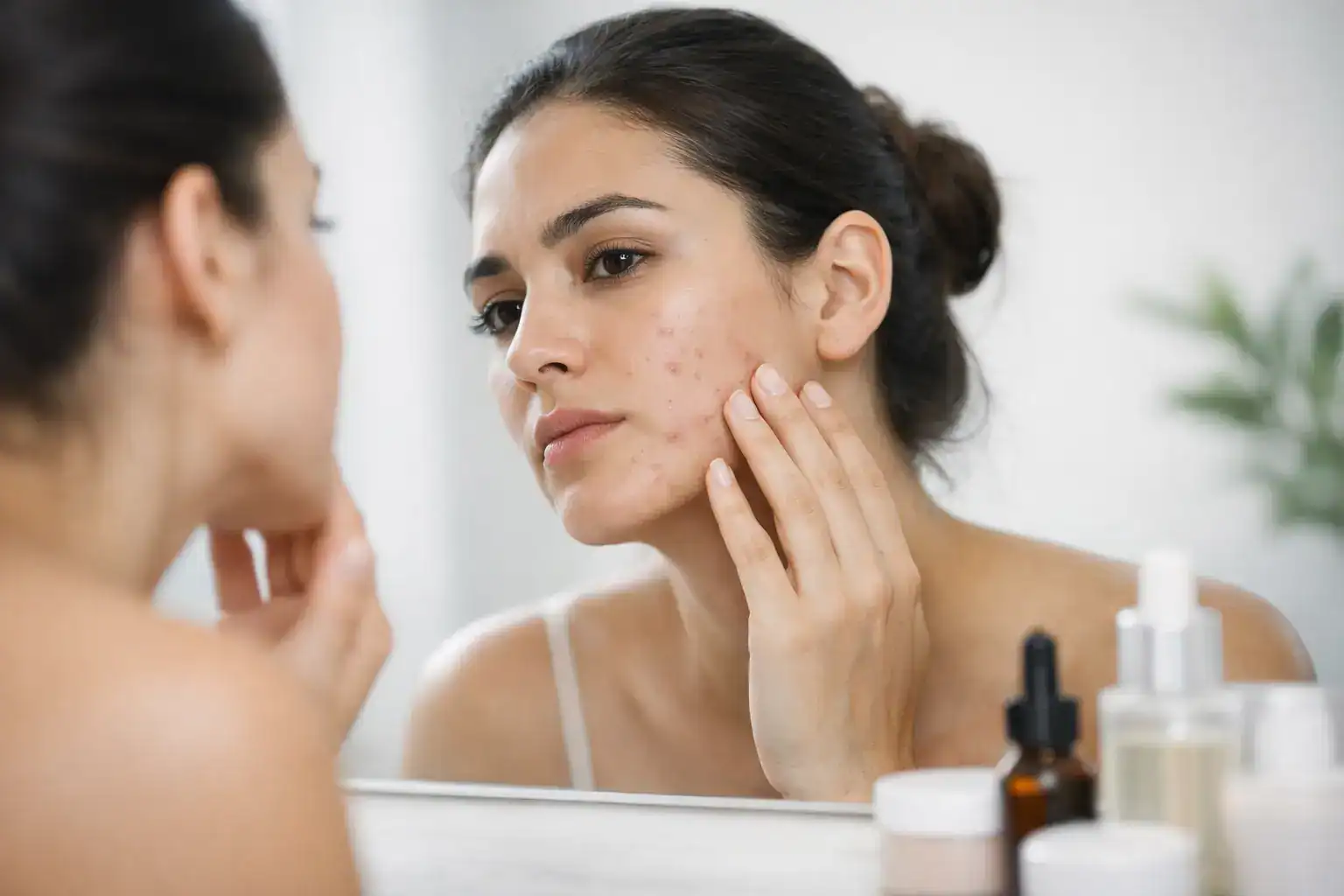
Sun exposure can significantly affect the appearance and health of our skin, causing dark spots, uneven pigmentation, fine lines, wrinkles, and premature aging. While sunscreen and skincare products help prevent further damage, they may not effectively reverse existing skin concerns. Fortunately, advanced laser treatments offer targeted solutions for improving sun-damaged skin.
The best laser treatment for sun damage depends on the severity of pigmentation, skin type, treatment goals, and individual concerns. From fractional laser resurfacing to intense pulsed light (IPL) therapy, modern cosmetic procedures can reduce visible discoloration, improve skin texture, and stimulate collagen production.
In this comprehensive guide, we explore the most effective laser treatments for sun-damaged skin, their benefits, costs, recovery periods, and essential considerations for achieving smoother, more youthful-looking skin.
What Is Sun Damage, and How Does It Affect the Skin?
Sun damage, medically known as photoaging, develops when prolonged exposure to ultraviolet (UV) radiation affects skin cells and supporting structures. Over time, UV exposure contributes to collagen breakdown, abnormal pigmentation, reduced elasticity, and visible signs of premature aging.
Common signs of sun-damaged skin include:
- Sunspots and age spots: Flat brown patches caused by accumulated UV exposure.
- Hyperpigmentation: Areas of uneven skin tone resulting from excess melanin production.
- Fine lines and wrinkles: Visible signs of collagen degradation.
- Rough skin texture: Dryness, unevenness, and reduced skin smoothness.
- Redness and broken capillaries: Changes in superficial blood vessels associated with chronic sun exposure.
- Loss of elasticity: Reduced firmness caused by damage to collagen and elastin fibers.
Although many of these concerns are cosmetic, prolonged UV exposure also increases the risk of skin cancer. Therefore, we recommend professional skin evaluation before undergoing cosmetic laser treatment, especially when suspicious or changing skin lesions are present.
Best Laser Treatments for Sun Damage
Different laser technologies target specific signs of sun damage. Some focus on pigmentation, while others improve wrinkles, skin texture, and collagen production.
1. Fractional CO2 Laser for Severe Sun Damage
Fractional carbon dioxide (CO2) laser resurfacing is one of the most effective treatments for significant photoaging, particularly when sun damage involves deep wrinkles, rough texture, and substantial skin aging.
The procedure creates microscopic treatment zones in the skin, stimulating a healing response and encouraging collagen remodeling.
Benefits of fractional CO2 laser treatment include:
- Reduces the appearance of deeper wrinkles and fine lines.
- Improves uneven skin texture and roughness.
- Helps diminish certain pigmentation irregularities.
- Stimulates collagen production for firmer-looking skin.
- Provides substantial skin resurfacing results.
However, fractional CO2 treatment generally requires more downtime than non-ablative procedures. Patients may experience redness, swelling, peeling, and temporary skin sensitivity during recovery.
It also carries a higher risk of post-inflammatory hyperpigmentation, particularly in darker skin tones. Careful patient selection and experienced treatment providers are essential.
2. Fraxel Laser for Sunspots and Uneven Skin Texture
Fraxel is a well-known brand of fractional laser technology used to treat visible signs of photoaging. Different Fraxel devices use different wavelengths and treatment approaches, making it important to identify the specific system being recommended.
Certain non-ablative fractional lasers are particularly useful for improving sunspots, uneven pigmentation, fine lines, and skin texture.
Key benefits include:
- Improves the appearance of sun-induced pigmentation.
- Reduces fine lines and mild wrinkles.
- Encourages skin renewal and collagen remodeling.
- Improves overall skin texture.
- Offers a less intensive recovery than many ablative resurfacing procedures.
Patients may require multiple sessions depending on the severity of their skin concerns.
We consider fractional non-ablative treatment a valuable option when patients want meaningful skin improvement without the longer recovery associated with aggressive resurfacing.
3. IPL Photofacial for Sunspots and Redness
Intense Pulsed Light (IPL) is a popular treatment for sun damage, although it is technically a light-based procedure rather than a laser.
IPL delivers multiple wavelengths of light to target excess pigmentation and certain superficial blood vessels. This makes it particularly suitable for patients experiencing brown spots, uneven skin tone, and redness.
Advantages of IPL photofacial treatment include:
- Reduces visible sunspots and freckles.
- Improves certain types of facial redness.
- Creates a more even-looking complexion.
- Requires relatively little downtime.
- Treats multiple areas of discoloration during a single session.
IPL is often most suitable for lighter skin tones because darker skin contains more melanin, which can increase the risk of burns or unwanted pigment changes.
It is also not appropriate for every pigmentation disorder. For example, melasma may worsen following some light-based treatments.
4. Pico Laser Treatment for Sun-Induced Pigmentation
Pico lasers deliver extremely short pulses of energy that target pigment particles within the skin. Depending on the device and settings, they may help reduce selected pigmented lesions caused by sun exposure.
Pico laser technology is commonly considered for specific pigmentation concerns where precise energy delivery is desirable.
Potential benefits include:
- Targets selected areas of excess pigmentation.
- Improves the appearance of certain sunspots.
- May involve less surface disruption than ablative resurfacing.
- Offers treatment options for various skin types when appropriately selected.
- Can provide gradual improvement through multiple sessions.
However, outcomes vary according to the laser wavelength, skin tone, pigmentation depth, and diagnosis.
We recommend professional assessment before choosing pico laser therapy, particularly for individuals with darker skin or recurring pigmentation.
5. Erbium YAG Laser for Sun-Damaged Skin
Erbium YAG laser resurfacing is another effective option for addressing visible skin aging.
This ablative laser removes controlled layers of damaged skin, encouraging the development of smoother skin during the healing process.
Compared with traditional CO2 resurfacing, erbium treatment may produce less surrounding thermal injury, depending on the treatment settings and depth.
Benefits of erbium laser treatment include:
- Reduces fine lines and superficial wrinkles.
- Improves rough, sun-damaged skin.
- Enhances skin smoothness.
- Addresses selected superficial pigmentation concerns.
- May offer shorter recovery than more aggressive CO2 resurfacing.
Erbium laser treatment is particularly useful when texture improvement is a primary concern, although recovery and pigment-related risks still require careful consideration.
How to Choose the Best Laser Treatment for Sun Damage
Selecting the right treatment requires more than identifying the most powerful laser. We recommend evaluating individual skin concerns, pigmentation patterns, and recovery expectations before proceeding.
Important Factors to Consider Before Laser Treatment
- Skin type and tone: Different skin tones respond differently to laser energy. Darker skin requires particular attention to pigmentation risks.
- Severity of sun damage: Mild sunspots may respond to targeted pigment treatments, while deeper wrinkles may require resurfacing.
- Primary treatment goals: Pigmentation, redness, wrinkles, and texture irregularities often require different technologies.
- Expected downtime: Non-ablative treatments typically involve shorter recovery than ablative resurfacing.
- Provider experience: A qualified dermatologist or appropriately trained medical professional should assess treatment suitability.
- Budget and treatment sessions: Some treatments require multiple appointments, increasing the overall cost.
We also emphasize the importance of identifying the underlying pigmentation disorder before treatment. Melasma, post-inflammatory hyperpigmentation, and solar lentigines can look similar but may require very different approaches.
Laser Treatment for Sun Damage: Cost and Options
The cost of laser treatment for sun damage varies according to the technology used, treatment area, clinic location, provider expertise, and number of sessions required.
The following figures represent broad illustrative price ranges in US dollars rather than verified local clinic quotations.
| Laser Treatment | Approximate Cost Per Session (USD) | Typical Downtime |
|---|---|---|
| Fractional CO2 laser | $1,000–$3,500+ | 1–2 weeks or longer |
| Non-ablative fractional laser | $500–$1,500 | 2–7 days |
| IPL photofacial | $300–$700 | Minimal to a few days |
| Pico laser | $300–$1,000 | Usually minimal |
| Erbium YAG laser | $800–$2,500+ | Several days to 2 weeks |
Actual pricing varies considerably, and more intensive treatments may exceed these estimates.
For patients seeking affordable laser treatment for sun damage, we recommend comparing the total treatment plan rather than focusing exclusively on individual session prices.
A lower-cost procedure requiring numerous sessions may not necessarily provide better value than a carefully selected alternative.
Benefits of Laser Treatment for Sun-Damaged Skin
Professional laser treatments can improve several visible signs of photoaging simultaneously. When appropriately selected, these procedures offer benefits beyond what ordinary skincare products can achieve.
Why Laser Skin Rejuvenation Is Worth Considering
- Improved skin tone: Reduces selected dark spots and uneven pigmentation.
- Smoother skin texture: Helps improve roughness and superficial irregularities.
- Reduced wrinkles: Encourages collagen remodeling to soften fine lines.
- Enhanced skin appearance: Promotes a more even, refreshed complexion.
- Long-lasting improvements: Results may persist for months or years, depending on treatment type, maintenance, and ongoing sun exposure.
Although laser therapy can improve visible damage, it cannot completely reverse UV-related cellular changes or eliminate future skin cancer risk.
What to Expect During and After Laser Treatment
Understanding the treatment process helps patients prepare for their appointments and recovery.
Before Laser Treatment
We recommend consulting a qualified dermatologist to assess skin condition, medical history, medications, and treatment suitability.
Patients may need to avoid tanning, excessive sunlight, and certain irritating skincare ingredients before treatment. Specific instructions depend on the laser system and individual skin condition.
During the Procedure
The provider may apply topical anesthesia or use cooling techniques to improve comfort.
Treatment duration varies according to the technology and size of the area being treated. Patients may experience warmth, tingling, or temporary discomfort.
After Laser Treatment
Following the procedure, patients may experience redness, swelling, dryness, or mild peeling.
Ablative treatments can produce more significant recovery symptoms and require careful wound care.
We recommend following the provider’s aftercare instructions, using gentle skincare products, avoiding unnecessary irritation, and protecting treated skin from ultraviolet exposure.
Potential Side Effects of Laser Treatment for Sun Damage
Although laser treatments are generally well tolerated when performed appropriately, they carry potential risks.
These include temporary redness, swelling, acne flare-ups, infection, burns, scarring, and changes in skin pigmentation.
Post-inflammatory hyperpigmentation is an especially important concern for patients with medium to darker skin tones.
We recommend choosing a provider experienced in treating the patient’s specific skin type and using appropriate laser technology.
Patients with suspicious moles, changing dark spots, active infections, or certain medical conditions should receive medical evaluation before cosmetic treatment.
How to Maintain Results After Laser Sun Damage Treatment
Successful treatment requires ongoing skin protection and consistent skincare.
Essential Skincare Tips for Long-Term Results
- Apply broad-spectrum SPF 30 or higher sunscreen daily to protect against UVA and UVB radiation.
- Reapply sunscreen regularly, particularly when spending extended periods outdoors.
- Use gentle moisturizers to support the skin barrier during recovery.
- Avoid tanning beds and excessive sun exposure to reduce additional photodamage.
- Consider antioxidant skincare products when recommended by a dermatologist.
- Attend follow-up appointments to monitor treatment progress and determine whether additional sessions are necessary.
For improved long-term results, we encourage combining professional treatments with consistent sun protection, protective clothing, and dermatologist-recommended skincare.
Is Laser Treatment the Best Solution for Sun Damage?
Laser treatment can be highly effective for improving sunspots, wrinkles, and uneven texture, but the ideal approach depends on the skin concern.
For superficial pigmentation and redness, IPL or selected pigment-targeting lasers may be appropriate. For fine lines and texture irregularities, non-ablative fractional lasers offer another option. More advanced photoaging may benefit from fractional CO2 or erbium laser resurfacing.
However, not every form of sun damage requires laser therapy. Topical treatments, chemical peels, and other dermatological procedures may be more appropriate for certain patients.
A professional consultation remains essential for determining the safest and most effective treatment strategy.
FAQs about Best Laser Treatment for Sun Damage
1. What Is the Best Laser Treatment for Sun Damage?
The best laser treatment for sun damage depends on your skin type and concerns. Fractional CO2 lasers, Erbium YAG lasers, and pigment-targeting lasers can improve sunspots, uneven skin tone, and damaged skin texture.
2. Can Laser Treatment Remove Sun Damage Permanently?
Laser treatment for sun damage can significantly reduce pigmentation and improve skin appearance. However, new sun damage can develop without proper sun protection and skincare.
3. How Many Laser Sessions Are Needed for Sun Damage?
Most patients require 1–4 laser treatment sessions, depending on the laser technology, severity of sun damage, and individual skin response.
4. Is Laser Treatment for Sun Damage Safe?
Yes, laser treatment is generally safe when performed by a qualified dermatologist. However, potential risks include redness, irritation, burns, and pigmentation changes, particularly in darker skin tones.
5. Which Laser Is Best for Sunspots and Pigmentation?
Pigment-targeting lasers, including certain Q-switched and picosecond lasers, may effectively treat selected sunspots. The appropriate device depends on the pigmentation type and skin tone.
6. How Long Does Recovery Take After Laser Treatment?
Recovery varies by treatment. Non-ablative lasers may require minimal downtime, while fractional CO2 laser treatments can involve several days to weeks of healing.
7. Is Laser Treatment Better Than Chemical Peels for Sun Damage?
Laser treatments can target specific pigmentation and texture concerns, while chemical peels improve superficial skin damage. The better option depends on individual skin conditions.
8. How Can We Maintain Results After Laser Treatment?
We recommend daily broad-spectrum SPF 30+ sunscreen, avoiding excessive sun exposure, and following dermatologist-approved skincare routines to maintain healthier-looking skin.
9. Who Should Avoid Laser Treatment for Sun Damage?
Individuals with active skin infections, recent tanning, or certain pigmentation conditions may need to postpone treatment or consider alternatives. A dermatologist should assess suspicious skin lesions before laser treatment.
Conclusion
Choosing the best laser treatment for sun damage involves understanding the condition of the skin, the severity of visible damage, and the benefits of different laser technologies.
Fractional CO2, Fraxel, pico lasers, erbium YAG, and IPL each offer distinct advantages for improving selected signs of sun exposure.
We recommend prioritizing professional dermatological assessment, personalized treatment planning, and consistent sun protection to achieve healthier-looking skin while minimizing complications.
With the right treatment approach and proper aftercare, laser skin rejuvenation for sun damage can significantly improve skin tone, texture, and overall appearance, helping restore a smoother and more radiant complexion.