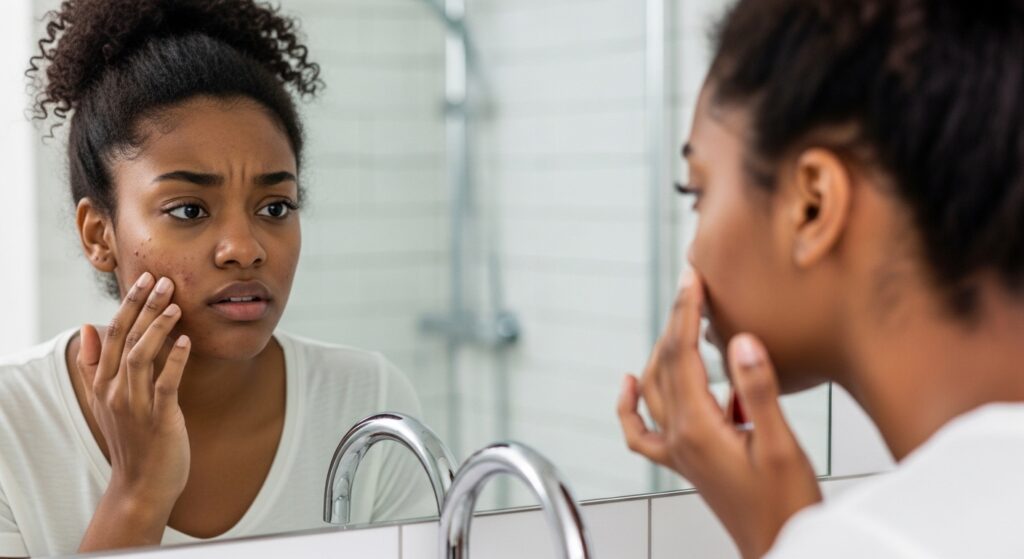
Dark spots, hyperpigmentation, and uneven skin tone are common skin concerns that can affect confidence and appearance. Whether caused by sun exposure, acne scars, hormonal changes, or aging, stubborn pigmentation can be difficult to eliminate with skincare products alone. Fortunately, advanced dermatological procedures offer effective solutions for reducing unwanted discoloration and restoring a more balanced complexion.
The best laser treatment for dark spots targets excess melanin in the skin, helping to fade pigmentation and improve skin clarity. With several laser technologies available, choosing the right procedure depends on skin type, pigmentation depth, and individual treatment goals.
We explore the most effective laser treatments for dark spots, their benefits, expected results, potential risks, and essential factors to consider before undergoing treatment.
What Is Laser Treatment for Dark Spots?
Laser treatment for dark spots is a dermatological procedure that uses concentrated light energy to target unwanted pigmentation. Depending on the technology, laser energy breaks down excess pigment or creates controlled microscopic skin injuries that stimulate renewal and improve skin appearance.
Dark spots often develop when the skin produces excessive melanin, the natural pigment responsible for skin color. Factors such as ultraviolet radiation, inflammation, hormonal fluctuations, and aging can trigger this process.
Laser treatments may help improve several pigmentation concerns, including:
- Sunspots: Dark patches caused by prolonged ultraviolet exposure.
- Age spots: Flat brown spots commonly appearing on sun-exposed skin.
- Post-inflammatory hyperpigmentation: Discoloration remaining after acne, irritation, or skin injuries.
- Freckles: Small pigmented spots that may become more noticeable with sun exposure.
- Certain pigmentation irregularities: Selected superficial or deeper pigment changes that respond to specialized laser procedures.
However, not every dark spot should be treated with a laser. Conditions such as melasma may worsen with inappropriate treatment, while suspicious pigmented lesions require medical evaluation before any cosmetic procedure.
Types of Laser Treatment for Dark Spots
Different laser technologies address pigmentation through distinct mechanisms. Understanding these options helps us identify which treatments may be appropriate for specific skin concerns.
1. Pico Laser Treatment for Dark Spots
Pico laser treatment uses extremely short pulses of energy to target unwanted pigmentation. These pulses produce a predominantly photoacoustic effect, helping fragment pigment particles so the body can gradually clear them.
Pico lasers are frequently considered for selected pigmentation problems because they can deliver energy with relatively limited heat exposure compared with some older technologies.
Key benefits include:
- Targeted treatment of certain superficial and deeper pigmentation concerns.
- Minimal disruption to surrounding tissue with appropriate settings.
- Potential improvement in skin tone and texture.
- Relatively short treatment sessions.
- Limited downtime for some procedures.
Pico laser treatment may be suitable for selected sunspots and other pigmented lesions. However, outcomes depend on the diagnosis, laser wavelength, settings, and skin type.
2. Q-Switched Laser Treatment for Hyperpigmentation
Q-switched lasers deliver powerful pulses of light within nanoseconds to break down excess pigmentation.
Dermatologists commonly use different Q-switched wavelengths depending on the depth of pigment and the patient’s skin characteristics.
This approach may improve:
- Certain age spots and sunspots.
- Selected freckles.
- Specific dermal pigmentation disorders.
- Other appropriately diagnosed pigmented lesions.
Although Q-switched lasers can produce noticeable results, inappropriate treatment may cause temporary inflammation, rebound pigmentation, or hypopigmentation.
3. Fractional Laser Skin Resurfacing
Fractional laser treatment works by treating small, controlled sections of the skin while leaving surrounding areas relatively intact.
This technology stimulates skin repair and collagen remodeling, making it useful for patients experiencing pigmentation concerns alongside textural irregularities.
Fractional lasers may help improve:
- Certain types of uneven skin pigmentation.
- Acne-related skin texture changes.
- Fine lines and superficial wrinkles.
- Selected acne scars.
- Overall skin texture and appearance.
Fractional treatments include ablative and non-ablative options. Ablative procedures generally involve more downtime, while non-ablative treatments often require multiple sessions and produce gradual improvements.
4. Alexandrite Laser for Pigmented Spots
The 755 nm alexandrite laser is another technology used to treat selected pigmented lesions.
Its wavelength interacts strongly with melanin, making it useful for particular superficial pigmentation concerns.
However, because melanin also exists naturally in healthy skin, alexandrite lasers require careful assessment, especially in people with medium to deep skin tones.
5. Nd:YAG Laser Treatment for Dark Spots
The 1064 nm Nd:YAG laser penetrates relatively deeply into the skin and is often considered when treating certain pigmentation conditions in darker skin tones.
Its wavelength is absorbed less strongly by epidermal melanin than shorter wavelengths, which can offer advantages in appropriately selected patients.
Nevertheless, treatment safety depends on the laser settings, pigmentation diagnosis, and practitioner’s experience. Even long-wavelength lasers can cause burns or pigmentation changes when used incorrectly.
Which Laser Treatment Is Best for Different Types of Dark Spots?
The most suitable laser depends on the underlying cause of discoloration rather than the darkness of the spot alone.
| Pigmentation concern | Laser options that may be considered |
|---|---|
| Sunspots and age spots | Pico, Q-switched, or selected pigment-targeting lasers |
| Freckles | Pico, Q-switched, or alexandrite lasers |
| Post-acne dark spots | Selected fractional or pigment-targeting lasers when appropriate |
| Melasma | Carefully selected low-energy treatments in limited cases |
| Pigmentation with acne scars | Fractional laser resurfacing |
| Certain deeper pigmentation disorders | Specialized pico or Q-switched laser treatments |
We recommend a professional skin assessment before choosing any treatment. In many cases, topical medications, sunscreen, or other dermatological procedures may be more appropriate than laser therapy.
Benefits of Laser Treatment for Dark Spots
Laser therapy offers a targeted approach to improving certain pigmentation concerns. When performed by a qualified dermatologist, it can provide several benefits.
Why Laser Treatments Are Popular for Hyperpigmentation
- Targeted pigment reduction: Laser energy can focus on unwanted pigmentation while limiting exposure to surrounding skin.
- Faster visible improvement: Some superficial sunspots respond after one or two sessions, although other conditions require longer treatment.
- Improved skin appearance: Certain laser procedures help create a more even-looking complexion.
- Long-lasting results: Successfully treated spots may remain lighter for extended periods, although new pigmentation can develop.
- Personalized treatment: Dermatologists can adjust wavelengths, energy levels, and treatment intervals according to individual skin characteristics.
According to the American Academy of Dermatology, laser procedures can improve age spots relatively quickly compared with topical treatments, although they also carry greater risks of side effects. American Academy of Dermatology+1
How Many Laser Sessions Are Needed to Remove Dark Spots?
The number of sessions required depends on the pigmentation type, treatment technology, skin tone, and response to therapy.
Some superficial age spots may improve after one or two laser sessions, while more extensive pigmentation can require multiple appointments.
Deeper pigmentation and recurrent conditions, including melasma, may require ongoing management rather than a single corrective treatment.
We emphasize that treatment success should be measured by gradual improvement, skin safety, and reduced pigmentation rather than promises of permanent removal.
Laser Treatment for Dark Spots on Dark Skin
Choosing the best laser treatment for dark skin requires particular care because melanin-rich skin can be more susceptible to post-inflammatory hyperpigmentation after irritation or excessive heat exposure.
Some dermatologists consider appropriately configured 1064 nm Nd:YAG lasers or selected picosecond devices for particular pigmentation disorders.
However, no laser is completely risk-free for darker skin tones.
A suitable treatment plan should include a precise diagnosis, conservative treatment settings when indicated, sun protection, and experienced clinical supervision.
We recommend consulting a dermatologist familiar with treating Fitzpatrick skin types IV–VI before proceeding with laser pigmentation removal. American Academy of Dermatology+1
What to Expect Before and After Laser Treatment
Understanding the treatment process helps patients prepare appropriately and establish realistic expectations.
Before Laser Treatment
A dermatologist should evaluate the pigmentation, review medical history, assess skin sensitivity, and determine whether laser treatment is appropriate.
Patients may be advised to avoid excessive sun exposure, tanning, and certain irritating skincare products before their appointments.
During Laser Treatment
The dermatologist directs controlled laser pulses toward the targeted areas. Patients may experience mild snapping sensations, warmth, or temporary discomfort.
Depending on the treatment, topical anesthetic or cooling techniques may improve comfort.
After Laser Treatment
Temporary redness, swelling, darkening, or mild crusting may occur. Recovery varies significantly depending on whether the procedure is ablative or non-ablative.
We recommend following all individualized aftercare instructions, including avoiding picking at treated areas and using suitable moisturizers.
How to Maintain Results After Dark Spot Laser Removal
Long-term pigmentation management requires consistent skincare and protection against environmental triggers.
Essential Aftercare Tips for Clearer Skin
- Apply broad-spectrum sunscreen: Use SPF 30 or higher daily and reapply as directed.
- Avoid excessive sun exposure: Protective clothing and shade help reduce recurring pigmentation.
- Use gentle skincare products: Avoid harsh exfoliation while the skin heals.
- Manage acne and inflammation: Treating underlying skin conditions helps prevent additional dark spots.
- Follow prescribed treatments: Dermatologists may recommend azelaic acid, retinoids, or other pigmentation treatments.
- Attend follow-up appointments: Professional monitoring helps assess progress and identify complications early.
For melasma, tinted sunscreens containing iron oxides may provide additional protection against visible light, which can contribute to pigmentation. American Academy of Dermatology+1
How to Choose the Best Laser Treatment for Dark Spots
Finding the most suitable laser procedure involves more than comparing technologies or treatment prices.
We recommend prioritizing the following considerations:
- Dermatologist qualifications: Choose a licensed medical professional with appropriate laser treatment experience.
- Skin type compatibility: Ensure the selected technology is suitable for your natural skin tone.
- Pigmentation diagnosis: Identify whether the discoloration results from sun damage, acne, melasma, or another condition.
- Treatment safety: Discuss possible burns, scarring, and changes in skin pigmentation.
- Realistic expectations: Understand the likely number of sessions, recovery time, and maintenance requirements.
- Transparent treatment costs: Request a clear explanation of consultation fees, procedures, and follow-up expenses.
Importantly, any new, changing, irregular, bleeding, or otherwise suspicious pigmented lesion should be assessed for skin cancer before cosmetic laser treatment. Wiley Online Library+1
Is Laser Treatment for Dark Spots Worth It?
Laser treatment can be a worthwhile option for individuals with appropriately diagnosed pigmentation concerns that have not responded sufficiently to conventional skincare.
Its main advantage is the ability to target selected pigmented areas using specialized technology. However, suitability varies, and some conditions respond better to topical medications or combination therapies.
We encourage patients to prioritize professional assessment, safe technology, and consistent aftercare rather than choosing treatments solely because they promise rapid results.
FAQs about Best Laser Treatment for Dark Spots
1. What is the best laser treatment for dark spots?
The best laser treatment for dark spots depends on your skin type, pigmentation depth, and underlying cause. Pico lasers, Q-switched lasers, and fractional lasers may help reduce certain types of pigmentation.
2. Can laser treatment permanently remove dark spots?
Laser treatment can significantly reduce dark spots and hyperpigmentation, but results are not always permanent. Sun exposure, hormonal changes, and skin inflammation may cause pigmentation to return.
3. How many laser sessions are needed to remove dark spots?
The number of sessions varies depending on the severity of pigmentation, laser technology, and skin response. Some patients notice improvements after one session, while others require multiple treatments.
4. Is laser treatment safe for dark skin?
Yes, certain laser treatments can be suitable for darker skin tones when performed by an experienced dermatologist. However, improper settings can increase the risk of burns, scarring, or post-inflammatory hyperpigmentation.
5. Is laser treatment for dark spots painful?
Most patients experience mild discomfort, often described as a snapping or warming sensation. Cooling techniques and topical numbing creams may improve comfort during treatment.
6. How long does it take to see results?
Visible improvements may appear within a few weeks, although deeper pigmentation can require additional sessions. Results depend on the treatment method and individual skin response.
7. What is the best laser treatment for dark spots on the face?
Pico lasers and Q-switched lasers are commonly considered for certain facial pigmentation concerns. However, conditions such as melasma may worsen with laser treatment, making professional assessment essential.
8. How can we maintain results after laser treatment?
We recommend daily broad-spectrum SPF 30 or higher sunscreen, gentle skincare, avoiding excessive sun exposure, and following dermatologist-approved aftercare instructions to maintain clearer, healthier-looking skin.
Conclusion
The best laser treatment for dark spots depends on the cause of pigmentation, skin type, treatment goals, and dermatologist expertise. Pico lasers, Q-switched lasers, fractional resurfacing, alexandrite lasers, and Nd:YAG technology offer different approaches to improving selected pigmentation concerns.
While laser procedures can noticeably reduce certain dark spots, successful treatment requires accurate diagnosis, appropriate settings, and careful aftercare.
By combining professional dermatological guidance with consistent sun protection and an individualized skincare routine, we can support healthier-looking skin, improve uneven pigmentation, and maintain a clearer, more radiant complexion.

