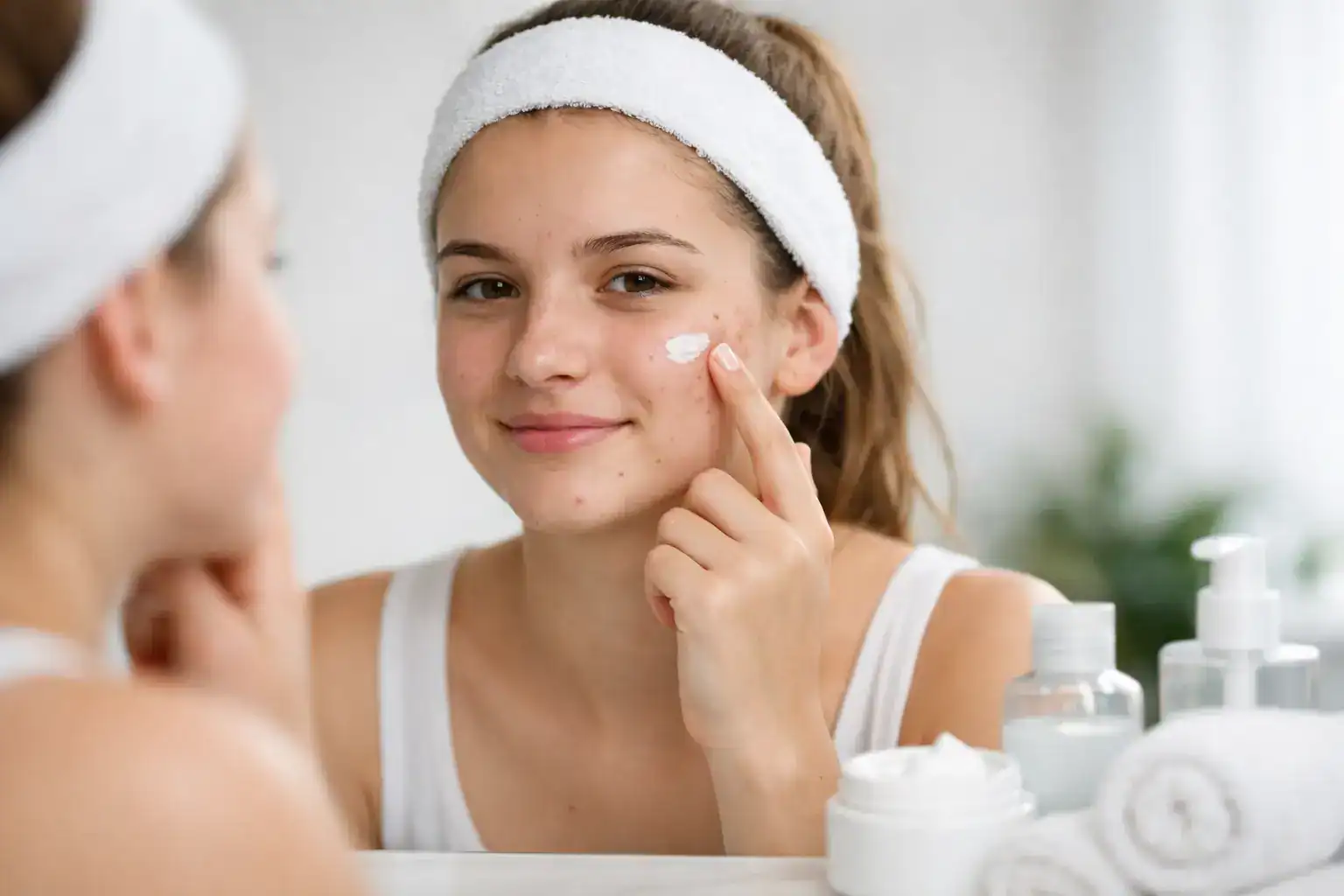
Laser skin treatments have become a popular solution for individuals seeking smoother, clearer, and healthier-looking skin. From reducing acne scars and wrinkles to treating pigmentation and sun damage, modern laser technology offers several options for improving skin appearance without traditional surgery. However, understanding laser skin treatment costs and options is essential before choosing a procedure.
We believe that effective skincare begins with selecting the right treatment for individual skin concerns, skin types, and budgets. The cost of laser skin treatment varies depending on the technology used, treatment area, provider’s expertise, and number of sessions required.
In this guide, we explore the different types of laser skin treatments, their estimated prices, benefits, potential risks, and factors to consider when choosing an affordable and effective solution.
How Much Does Laser Skin Treatment Cost?
The average cost of laser skin treatment depends on the specific procedure and the complexity of the skin condition being treated. Some treatments require only a single session, while others involve multiple appointments to achieve noticeable improvements.
For general comparison, laser skin procedures may cost approximately $150 to $3,000 or more per session in the United States. More extensive resurfacing procedures can exceed this range.
Average Laser Skin Treatment Prices by Procedure
| Laser treatment option | Estimated cost per session (USD) |
|---|---|
| Laser skin rejuvenation | $200–$800 |
| Fractional laser resurfacing | $500–$2,000 |
| CO2 laser resurfacing | $1,000–$3,000+ |
| Laser acne scar treatment | $300–$1,500 |
| Laser pigmentation treatment | $150–$800 |
| Laser treatment for wrinkles | $300–$1,500 |
| Laser hair removal | $100–$600 |
| Laser treatment for vascular lesions | $200–$800 |
These are broad illustrative price ranges, not verified clinic quotations. Actual charges vary significantly by location, equipment, treatment area, and provider. Consultation fees, medications, and follow-up care may be additional.
We recommend requesting a personalized treatment quotation that includes all expected sessions and aftercare expenses before proceeding.
Types of Laser Skin Treatments and Their Benefits
Different laser procedures address different skin concerns. Understanding the available options helps patients choose an appropriate treatment based on their desired results and recovery preferences.
1. Fractional Laser Skin Resurfacing
Fractional laser skin resurfacing treats microscopic sections of the skin while leaving surrounding areas untreated. This approach stimulates collagen remodeling and supports the skin’s natural healing process.
Fractional lasers may be ablative or non-ablative, with different levels of intensity and downtime.
We commonly consider fractional laser treatment for concerns such as:
- Fine lines and early wrinkles
- Mild to moderate acne scars
- Uneven skin texture
- Certain types of sun damage
- Enlarged-looking pores
Fractional laser procedures may require multiple sessions, depending on their intensity and the skin concern being treated.
2. CO2 Laser Skin Resurfacing
CO2 laser resurfacing is an ablative procedure that removes controlled layers of damaged skin and stimulates collagen remodeling.
It is commonly used for deeper wrinkles, acne scars, and certain types of uneven skin texture.
Although CO2 laser treatment can produce substantial improvements, it generally requires more recovery time than less aggressive laser procedures.
Potential side effects include prolonged redness, infection, scarring, and changes in pigmentation. We emphasize careful patient selection, particularly for individuals with darker skin tones who may face an increased risk of post-inflammatory hyperpigmentation.
3. Non-Ablative Laser Skin Rejuvenation
Non-ablative lasers deliver energy beneath the skin’s surface without removing its outer layer.
These treatments are generally less intensive and may be suitable for individuals who want gradual improvements with minimal downtime.
Non-ablative laser treatment benefits may include improved skin texture, reduced fine lines, and modest collagen stimulation.
Several treatment sessions are often necessary, and results may be less dramatic than those achieved with more aggressive resurfacing methods.
4. Laser Treatment for Acne Scars
Laser acne scar treatment focuses on improving the appearance of scars left by previous acne breakouts.
Depending on the type and severity of scarring, dermatologists may use fractional ablative or non-ablative laser technologies.
We recognize that different acne scar patterns respond differently to treatment. Deep ice-pick scars, rolling scars, and boxcar scars may require different procedures or combination therapies.
Laser treatment can improve scar appearance, but complete scar removal is not guaranteed.
5. Laser Treatment for Hyperpigmentation and Dark Spots
Laser treatment for dark spots targets excess pigment to improve the appearance of certain pigmented lesions.
Depending on the diagnosis, dermatologists may use pigment-targeting lasers, fractional lasers, or other appropriate technologies.
Common concerns include sunspots, selected age spots, and certain forms of uneven pigmentation.
However, not every pigmentation condition responds well to laser therapy. Melasma, for example, can worsen or recur after inappropriate laser treatment.
We recommend professional assessment before treating pigmentation, especially in darker skin tones.
What Factors Affect Laser Skin Treatment Costs?
Several factors influence the total price of laser skin treatment. Understanding these considerations makes it easier to compare treatment packages and avoid unexpected expenses.
Key Factors That Determine Laser Treatment Pricing
- Type of laser technology: Advanced or specialized laser systems may involve higher treatment costs.
- Size of the treatment area: Treating the entire face generally costs more than treating a small area.
- Severity of the skin concern: Extensive acne scars, deeper wrinkles, or significant sun damage may require more intensive treatment.
- Number of sessions: Multiple appointments increase the total cost.
- Dermatologist’s experience: Highly experienced specialists may charge more for their professional services.
- Clinic location: Treatment costs vary between cities, countries, and healthcare facilities.
- Aftercare requirements: Prescription products, follow-up appointments, and recovery supplies may increase expenses.
We advise evaluating the complete treatment plan rather than comparing session prices alone.
Affordable Laser Skin Treatment Options
Affordable laser skin treatment does not necessarily mean choosing the lowest-priced clinic. Instead, we focus on treatments that offer appropriate results, professional supervision, and reasonable long-term costs.
For mild skin concerns, non-ablative laser treatments may provide a less intensive starting point. Patients with more pronounced scarring or wrinkles may benefit from fractional or ablative procedures, although these generally involve higher costs and longer recovery periods.
We recommend discussing the following cost-saving approaches with a qualified dermatologist:
- Compare treatment packages: Ask whether multiple-session packages offer better value.
- Request a complete consultation: Identify the most appropriate procedure before committing to treatment.
- Prioritize necessary sessions: Avoid paying for procedures that do not address your primary skin concern.
- Consider alternative treatments: Chemical peels, microneedling, or prescription skincare may be suitable for certain conditions.
- Ask about payment options: Some clinics provide installment plans for cosmetic procedures.
The American Society of Plastic Surgeons reports average costs of approximately $697 for laser skin treatments and $1,829 for skin resurfacing, excluding certain additional expenses. American Society of Plastic Surgeons+1
These figures illustrate why personalized quotations are important.
Laser Skin Treatment Recovery Time and Expected Results
Recovery varies according to the laser technology, treatment intensity, and individual healing response.
Non-ablative procedures may produce temporary redness or swelling, with relatively limited downtime. Fractional ablative treatments often require several days to approximately two weeks of initial recovery, depending on the settings used.
More aggressive CO2 resurfacing may involve longer healing periods and persistent redness.
We emphasize the importance of following dermatologist-recommended aftercare, including gentle cleansing, prescribed skincare products, and consistent sun protection.
Patients should also understand that collagen remodeling takes time. While some improvements become noticeable after initial healing, additional changes may develop over several months.
How to Choose the Best Laser Skin Treatment for Your Budget
Choosing the best laser skin treatment involves balancing affordability, effectiveness, skin safety, and realistic expectations.
We recommend evaluating the provider’s professional qualifications, experience with similar skin conditions, and familiarity with different skin tones.
Before booking a procedure, patients should ask about the total treatment cost, expected number of sessions, recovery requirements, possible complications, and available alternatives.
A reliable provider should explain both the benefits and limitations of the recommended procedure rather than promising flawless skin or guaranteed results.
Why Professional Consultation Matters Before Laser Skin Treatment
A professional consultation helps determine whether laser therapy is appropriate for your skin type and condition.
We encourage patients to disclose relevant medical conditions, current medications, previous cosmetic procedures, and any history of abnormal scarring or pigmentation changes.
A dermatologist can also determine whether another treatment would provide comparable or better results at a lower overall cost.
FAQs about Laser Skin Treatment Cost and Options
Is laser skin treatment expensive?
Laser skin treatment prices vary widely. Smaller treatment areas and less intensive procedures may be relatively affordable, while extensive resurfacing can cost several thousand dollars.
How many laser skin treatment sessions are needed?
The number of sessions depends on the skin concern and laser technology. Some ablative resurfacing procedures involve one treatment, while non-ablative procedures frequently require several sessions.
Is laser skin treatment permanent?
Some improvements, particularly in scar texture, can be long-lasting. However, natural aging, sun exposure, and recurring pigmentation conditions may affect results over time.
Is laser skin treatment safe for dark skin?
Certain laser treatments can be performed safely on darker skin when suitable equipment, settings, and professional expertise are used. Nevertheless, pigmentation changes remain an important consideration.
Does health insurance cover laser skin treatment?
Most cosmetic laser procedures are not covered by health insurance. Coverage may be possible for specific medically necessary treatments, depending on the insurer and policy.
Conclusion
Understanding laser skin treatment cost and options allows patients to make informed decisions about improving their skin’s appearance. From fractional laser resurfacing and CO2 treatments to non-ablative rejuvenation and pigmentation procedures, each option offers different benefits, prices, and recovery requirements.
We believe the most effective approach combines professional assessment, appropriate laser technology, realistic expectations, and a clear understanding of total treatment expenses.
By prioritizing experienced providers, transparent pricing, and personalized treatment plans, patients can pursue safe, effective, and affordable laser skin treatments that support healthier-looking skin and lasting satisfaction.