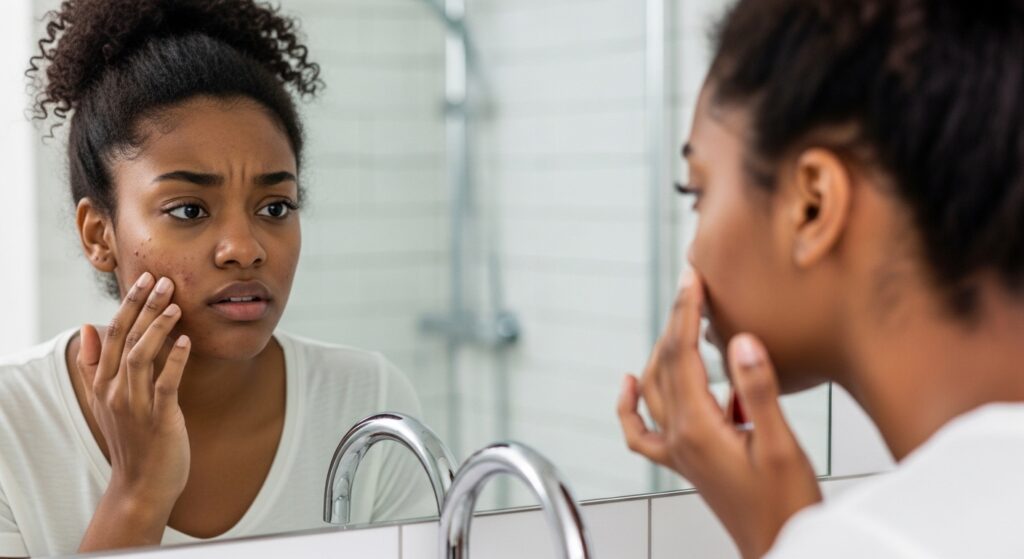
Finding a dermatologist recommended dermatologist for rosacea is an important step toward managing persistent facial redness, inflammation, visible blood vessels, and sensitive skin. Rosacea is a chronic inflammatory skin condition that requires professional diagnosis, appropriate treatment, and consistent skincare to control symptoms and reduce flare-ups.
We understand that choosing the best dermatologist for rosacea can feel challenging, especially when numerous skincare products and treatments promise quick results. However, working with a qualified dermatologist who specializes in inflammatory skin conditions can help patients achieve healthier-looking skin while minimizing irritation.
In this comprehensive guide, we explore how to identify a dermatologist-recommended rosacea specialist, the most effective medical treatments, essential skincare recommendations, and the factors that make professional dermatological care valuable.
Why You Need a Dermatologist for Rosacea Treatment
Rosacea commonly affects the cheeks, nose, forehead, and chin. Symptoms may include persistent redness, flushing, acne-like bumps, skin sensitivity, and visible facial blood vessels. Some individuals also experience eye irritation, burning, or dryness associated with ocular rosacea.
Although rosacea has no permanent cure, professional treatment can significantly improve symptom control and reduce the frequency and severity of flare-ups.
A qualified dermatologist for rosacea treatment can distinguish rosacea from other conditions, including acne, contact dermatitis, seborrheic dermatitis, and lupus-related skin changes.
We recommend seeking professional dermatological care because an experienced specialist can:
- Provide an accurate diagnosis: Identify rosacea symptoms and rule out similar skin conditions.
- Create personalized treatment plans: Recommend medications and skincare routines based on individual symptoms.
- Manage inflammation and redness: Prescribe evidence-based treatments that address different rosacea manifestations.
- Identify common triggers: Help patients recognize environmental, dietary, and lifestyle factors associated with flare-ups.
- Prevent avoidable complications: Monitor persistent inflammation, skin thickening, and eye-related symptoms.
- Provide long-term skin management: Adjust treatments as symptoms and skin sensitivity change.
Early dermatological assessment is particularly useful when facial redness persists, over-the-counter products cause irritation, or symptoms begin affecting daily activities.
What Makes a Dermatologist Recommended for Rosacea?
Not every dermatologist has the same level of clinical experience treating rosacea. When searching for a highly recommended dermatologist for rosacea, we encourage patients to evaluate professional qualifications, treatment experience, and the quality of patient care.
Essential Qualities of a Trusted Rosacea Dermatologist
The following characteristics can help patients choose an appropriate specialist:
- Recognized dermatology qualifications: Look for a licensed dermatologist with appropriate specialist certification or registration in their country.
- Experience treating rosacea: Choose a professional familiar with persistent redness, inflammatory lesions, skin sensitivity, and ocular symptoms.
- Evidence-based treatment methods: Prioritize dermatologists who recommend clinically supported medications and procedures.
- Personalized skincare guidance: Seek specialists who consider skin type, symptom severity, triggers, and treatment tolerance.
- Clear communication: A reliable dermatologist explains treatment benefits, possible side effects, and realistic expectations.
- Positive patient experiences: Verified reviews and recommendations may provide useful insights into accessibility and quality of care.
We recommend prioritizing medical expertise and individualized treatment rather than relying solely on online rankings, promotional claims, or social media popularity.
Dermatologist-Recommended Treatments for Rosacea
Effective rosacea treatment depends on the symptoms present. Some treatments primarily target inflammatory bumps, while others address persistent redness or visible blood vessels.
A dermatologist may recommend one treatment or combine several approaches to provide better symptom control.
1. Prescription Topical Medications
Topical medications are frequently recommended for mild to moderate rosacea.
Common options include:
- Metronidazole: Helps reduce inflammatory bumps and pustules associated with rosacea.
- Azelaic acid: Can improve inflammatory lesions and some associated redness.
- Ivermectin cream: Targets inflammatory rosacea lesions and may be particularly useful for papulopustular rosacea.
- Brimonidine gel: Temporarily reduces persistent facial redness by narrowing superficial blood vessels.
- Oxymetazoline cream: Provides temporary improvement in persistent facial erythema.
These medications have different purposes and potential side effects. We recommend using them under professional guidance rather than combining multiple prescription products without medical supervision.
2. Oral Medications for Moderate to Severe Rosacea
When topical treatments do not adequately control inflammatory symptoms, a dermatologist may prescribe oral medication.
Low-dose doxycycline is commonly used for inflammatory rosacea because of its anti-inflammatory properties.
In selected severe or treatment-resistant cases, a dermatologist may consider isotretinoin with appropriate medical monitoring.
Oral treatments are not suitable for everyone, and medication selection depends on medical history, pregnancy considerations, potential interactions, and symptom severity.
3. Laser and Light-Based Rosacea Treatments
For persistent redness and visible blood vessels, dermatologists may recommend professional procedures.
Common options include:
- Pulsed dye laser (PDL): Often used to reduce visible blood vessels and persistent facial redness.
- Intense pulsed light (IPL): May improve diffuse redness and certain superficial blood vessels.
- Other vascular lasers: Can target selected blood vessels depending on skin characteristics and treatment needs.
Results vary, and several treatment sessions may be required. We advise choosing an experienced dermatologist, particularly for patients with darker skin tones, because inappropriate device settings can increase the risk of burns or pigment changes.
4. Treatment for Thickened Skin and Ocular Rosacea
Some patients develop thickened skin, particularly around the nose, a condition known as rhinophyma. Dermatologists may recommend specialized procedures to reduce excess tissue when clinically appropriate.
Ocular rosacea requires additional attention. Patients experiencing irritated eyelids, dry eyes, or recurrent eye discomfort may benefit from coordinated care with an ophthalmologist.
Eye pain, light sensitivity, or changes in vision require prompt medical assessment, as these symptoms may indicate more serious eye involvement.
Dermatologist-Recommended Skincare Routine for Rosacea
A gentle daily skincare routine is essential for managing rosacea and supporting the skin’s protective barrier. Even effective prescription medications may cause unnecessary irritation when combined with harsh cleansers, aggressive exfoliation, or unsuitable cosmetics.
We recommend building a simple skincare routine around the following steps:
Morning Skincare Routine
- Gentle cleansing: Wash the face with a fragrance-free, non-abrasive cleanser and lukewarm water.
- Prescription treatment: Apply dermatologist-prescribed medication according to medical instructions.
- Hydrating moisturizer: Choose a lightweight or cream-based moisturizer formulated for sensitive skin.
- Daily sun protection: Apply broad-spectrum sunscreen with SPF 30 or higher, preferably using a well-tolerated mineral formula.
Evening Skincare Routine
- Remove makeup and impurities using a mild cleanser.
- Apply prescribed rosacea medication when directed.
- Use a soothing moisturizer to maintain skin hydration.
- Avoid harsh scrubs, exfoliating brushes, and irritating active ingredients.
We particularly recommend fragrance-free moisturizers containing skin-supporting ingredients such as ceramides and glycerin, provided the formulation is well tolerated. Consistency and minimal irritation are more important than using numerous products. American Academy of Dermatology+1
Common Rosacea Triggers Dermatologists Recommend Avoiding
Identifying personal triggers is another important aspect of successful rosacea management. Although triggers differ between individuals, certain environmental and lifestyle factors frequently contribute to flare-ups.
Common Factors That May Worsen Rosacea
- Excessive sun exposure: Ultraviolet radiation can increase facial redness and inflammation.
- Extreme temperatures: Hot weather, cold winds, and sudden temperature changes may trigger flushing.
- Spicy foods: Certain ingredients can worsen facial flushing in susceptible individuals.
- Alcohol consumption: Some alcoholic beverages may increase redness.
- Emotional stress: Stress-related flushing can aggravate symptoms.
- Hot beverages: High beverage temperatures may trigger facial warmth and redness.
- Harsh skincare products: Fragrances, abrasive exfoliants, and irritating formulations may damage the skin barrier.
We encourage patients to maintain a rosacea symptom diary to recognize patterns between daily activities and flare-ups. This allows dermatologists to recommend practical adjustments without requiring unnecessary lifestyle restrictions. Health+1
How to Find the Best Dermatologist for Rosacea Near Me
Searching online for a recommended dermatologist for rosacea near me can provide several options, but selecting a qualified specialist requires careful evaluation.
We suggest checking recognized medical directories, dermatology associations, licensed healthcare facilities, and verified patient reviews.
Before booking an appointment, consider asking whether the dermatologist regularly treats rosacea, provides personalized treatment plans, and offers appropriate follow-up consultations.
A reliable specialist should also explain the expected treatment timeline, potential side effects, and alternative options when initial therapy is unsuccessful.
For patients considering laser treatment, we recommend confirming that the dermatologist has experience treating their skin tone and particular type of rosacea.
When Should You See a Dermatologist for Rosacea?
Professional dermatological assessment is recommended when facial redness persists, inflammatory bumps repeatedly appear, or skincare products frequently cause burning and irritation.
Additional reasons to schedule an appointment include visible facial blood vessels, worsening flushing, progressive skin thickening, and symptoms that do not improve with gentle skincare.
We recommend seeking medical advice rather than repeatedly experimenting with over-the-counter acne treatments, as some products can aggravate rosacea.
Patients experiencing eye irritation should also mention these symptoms during consultation. Eye pain, light sensitivity, or blurred vision warrant prompt medical attention.
Benefits of Choosing a Dermatologist-Recommended Rosacea Specialist
Working with an experienced rosacea dermatologist offers benefits beyond temporarily reducing facial redness.
Professional treatment can help patients understand the specific manifestations of their condition, identify appropriate medications, and establish realistic expectations for long-term management.
We emphasize the importance of regular follow-up appointments because treatment requirements may change as inflammation, sensitivity, and environmental exposures fluctuate.
A personalized approach also reduces unnecessary product experimentation and supports more consistent symptom control.
FAQs about Dermatologist Recommended Dermatologist for Rosacea
1. What Type of Dermatologist Is Best for Rosacea?
The best dermatologist for rosacea is a board-certified dermatologist experienced in diagnosing and treating facial redness, inflammation, and sensitive skin. We recommend choosing a specialist who provides personalized treatment plans.
2. What Treatments Do Dermatologists Recommend for Rosacea?
Dermatologists commonly recommend topical medications, oral antibiotics, gentle skincare products, and laser therapy. Treatment depends on the severity of rosacea and individual skin concerns.
3. Can a Dermatologist Permanently Cure Rosacea?
Rosacea has no permanent cure, but professional dermatological treatments can effectively control symptoms. We recommend consistent skincare, appropriate medication, and regular follow-up appointments to manage flare-ups.
4. How Do I Find a Dermatologist Recommended for Rosacea?
We suggest searching for board-certified dermatologists specializing in rosacea, reviewing patient feedback, checking professional qualifications, and selecting specialists with experience treating sensitive skin conditions.
5. How Much Does Dermatologist Treatment for Rosacea Cost?
The cost of rosacea treatment varies depending on the dermatologist, location, consultation fees, and recommended procedures. Prescription medications are generally less expensive than laser treatments, although costs vary.
6. What Skincare Products Do Dermatologists Recommend for Rosacea?
Dermatologists typically recommend fragrance-free cleansers, gentle moisturizers, and broad-spectrum SPF 30 or higher sunscreen. We advise avoiding harsh exfoliants and products that trigger irritation.
7. When Should I See a Dermatologist for Rosacea?
We recommend consulting a dermatologist when persistent facial redness, visible blood vessels, bumps, or recurring irritation develop. Eye pain or changes in vision require prompt medical assessment.
8. Is Laser Treatment Effective for Rosacea?
Yes. Laser and light-based treatments can reduce persistent redness and visible blood vessels in suitable patients. Multiple sessions may be necessary, and results vary.
Conclusion
Finding a dermatologist recommended dermatologist for rosacea begins with identifying a qualified skin specialist who understands chronic facial inflammation, sensitive skin, and evidence-based treatment options.
We recommend prioritizing dermatological qualifications, clinical experience, personalized treatment plans, and ongoing patient support.
With appropriate medical care, gentle skincare, consistent sun protection, and trigger management, many individuals can achieve meaningful improvements in rosacea symptoms and overall skin comfort.
The best dermatologist for rosacea is one who provides an accurate diagnosis, recommends suitable treatments, and develops a sustainable management plan tailored to each patient’s needs.