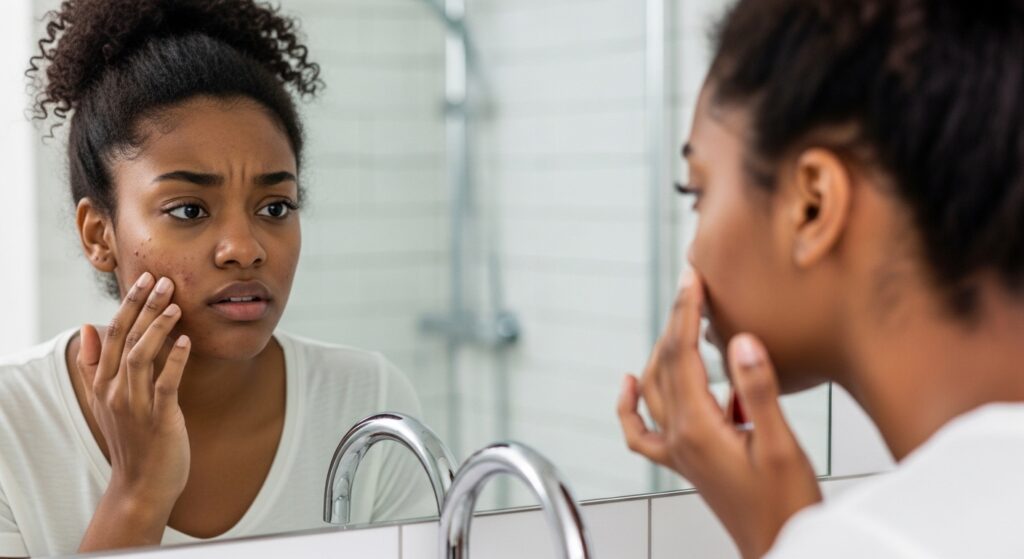
Melasma is a common skin pigmentation condition that causes dark, uneven patches on the face, particularly around the cheeks, forehead, nose, and upper lip. Although it is medically harmless, melasma can affect skin appearance and self-confidence. Understanding melasma pigmentation treatment cost and options is essential for choosing an effective, affordable, and long-term solution.
At our clinic, we believe successful pigmentation treatment begins with understanding individual skin concerns, identifying potential triggers, and selecting suitable treatments. From prescription creams to advanced dermatological procedures, several options can help reduce dark patches and improve skin tone.
What Is Melasma Pigmentation and What Causes It?
Melasma develops when melanocytes, the cells responsible for producing skin pigment, generate excessive melanin. This increased pigmentation creates brown, grey-brown, or darker patches, usually on areas exposed to sunlight.
Common factors associated with melasma include:
- Sun exposure: Ultraviolet radiation and visible light can stimulate excess pigmentation.
- Hormonal changes: Pregnancy, hormonal contraception, and hormonal fluctuations may contribute to melasma.
- Genetic predisposition: Individuals with a family history of melasma may have an increased risk.
- Skin irritation: Harsh skincare products and inflammatory reactions can worsen pigmentation.
- Heat and environmental exposure: These may aggravate melasma in susceptible individuals.
Understanding these factors helps us recommend appropriate treatment approaches while reducing the likelihood of pigmentation returning.
Best Melasma Pigmentation Treatment Options
Several dermatological treatments are available for managing melasma. The most suitable option depends on the severity of pigmentation, skin type, medical history, and previous treatment response.
1. Topical Melasma Treatment Creams
Topical creams are among the most commonly recommended and accessible treatments for melasma pigmentation.
These products contain ingredients that help regulate melanin production, support skin renewal, and gradually improve uneven skin tone.
Common ingredients include:
- Hydroquinone: A prescription depigmenting ingredient that helps reduce excess melanin production.
- Azelaic acid: Helps improve pigmentation and may be suitable for sensitive or acne-prone skin.
- Tretinoin: Supports skin cell turnover and can improve pigmentation when appropriately prescribed.
- Vitamin C: Provides antioxidant benefits and may help improve skin brightness.
- Kojic acid: Helps inhibit processes involved in melanin formation.
Dermatologists may also recommend triple-combination creams containing hydroquinone, tretinoin, and a corticosteroid for suitable patients.
These prescription combinations require medical supervision because prolonged or incorrect use can cause irritation and other adverse effects.
2. Chemical Peels for Melasma Pigmentation
Chemical peels involve applying carefully selected exfoliating solutions to the skin to help remove superficial pigmented cells.
Common options include glycolic acid, lactic acid, and other professionally administered superficial peels.
Potential benefits include improved skin texture, gradual reduction of visible pigmentation, and a more even complexion.
However, chemical peels are not suitable for everyone. Aggressive treatments can worsen pigmentation, particularly in darker skin tones. We recommend dermatologist-supervised procedures and careful assessment before treatment.
3. Laser Treatment for Melasma
Laser treatment is sometimes considered for persistent melasma that has not responded adequately to topical therapy.
Selected laser technologies target pigmentation or influence pigment-related processes within the skin.
However, laser treatment requires careful consideration because inappropriate settings or excessive heat can worsen melasma and cause post-inflammatory hyperpigmentation.
We recommend specialist assessment before pursuing laser therapy. It is generally considered an additional treatment rather than the first option for managing melasma.
4. Microneedling for Melasma
Microneedling is a dermatological procedure that creates controlled microscopic punctures in the skin.
When performed by a qualified professional, it may support the effectiveness of certain topical treatments and improve pigmentation in selected patients.
Although promising, microneedling is not universally effective and may cause irritation or additional pigmentation when performed incorrectly.
5. Oral and Topical Tranexamic Acid
Tranexamic acid is another treatment option sometimes considered for persistent or recurrent melasma.
It may be prescribed in topical or oral formulations, depending on individual requirements.
Oral tranexamic acid is an off-label treatment in many countries and is not appropriate for everyone. A dermatologist must assess potential contraindications, including blood-clotting risks, before recommending it.
These options are consistent with dermatological guidance supporting individualized treatment and careful selection of procedures. American Academy of Dermatology+1
How Much Does Melasma Pigmentation Treatment Cost?
The cost of melasma pigmentation treatment varies considerably depending on the chosen procedure, dermatologist’s experience, clinic location, medication requirements, and number of sessions.
Topical treatments generally involve lower initial costs than professional procedures. Chemical peels may require repeated appointments, while laser treatments often involve higher equipment and specialist fees.
The following comparison explains the main cost considerations.
| Treatment option | Relative cost | Typical cost considerations |
|---|---|---|
| Topical pigmentation creams | Low to moderate | Product type, prescription fees, and treatment duration |
| Dermatologist consultation | Variable | Initial assessment and follow-up appointments |
| Chemical peels | Moderate | Type of peel and number of sessions |
| Laser pigmentation treatment | High | Technology, treated area, and repeat sessions |
| Microneedling | Moderate to high | Provider expertise and treatment sessions |
| Tranexamic acid treatment | Variable | Formulation, medical evaluation, and monitoring |
Actual prices differ by country and provider. We recommend requesting a personalized quotation rather than relying on an advertised session price alone.
Factors That Influence Melasma Treatment Prices
Several factors determine the overall expense of pigmentation treatment.
- Severity of pigmentation: Persistent melasma may require a longer treatment plan.
- Type of treatment: Prescription skincare and specialist procedures have different costs.
- Number of sessions: Multiple treatments increase total expenditure.
- Dermatologist expertise: Specialist experience may affect consultation and procedure fees.
- Maintenance requirements: Sunscreen and ongoing skincare contribute to long-term expenses.
- Geographical location: Treatment costs vary between cities, countries, and healthcare providers.
A comprehensive treatment quotation should account for consultations, medications, procedures, follow-up visits, and maintenance products.
Affordable Melasma Pigmentation Treatment Options
Effective melasma management does not always require expensive cosmetic procedures.
For many individuals, a carefully selected skincare routine combined with consistent sun protection offers an appropriate starting point.
Cost-Effective Treatments Worth Considering
We recommend discussing the following approaches with a qualified dermatologist:
- Broad-spectrum sunscreen: Daily SPF 30 or higher, preferably tinted with iron oxides, helps protect against UV and visible light.
- Azelaic acid products: May offer an accessible option for suitable skin types.
- Prescription pigmentation creams: Can provide effective treatment without immediate investment in procedures.
- Gentle skincare: Helps protect the skin barrier and reduces irritation-related pigmentation.
- Consistent maintenance: Supports treatment results and may reduce the need for repeated corrective procedures.
Daily sun protection remains one of the most important components of treatment, regardless of the chosen option. DermNet®+1
How Long Does Melasma Pigmentation Treatment Take to Work?
Melasma treatment requires patience because pigmentation often responds gradually.
Some patients begin noticing improvement within several weeks, while more substantial results may take several months.
According to the American Academy of Dermatology, treatment results can take approximately three to twelve months, depending on individual circumstances. American Academy of Dermatology
Treatment success depends on consistent medication use, sun protection, skin sensitivity, and the underlying triggers contributing to pigmentation.
Because melasma can recur, maintenance skincare is often necessary even after visible improvement.
How to Choose the Best Melasma Pigmentation Treatment
Choosing the best treatment requires more than comparing prices. The goal should be to achieve noticeable improvement while protecting long-term skin health.
Important Considerations Before Starting Treatment
We encourage patients to consider several important factors before selecting a treatment.
- Professional diagnosis: Confirm that the pigmentation is melasma rather than another skin condition.
- Skin type compatibility: Choose treatments appropriate for individual skin tone and sensitivity.
- Clinical effectiveness: Prioritize options supported by dermatological evidence.
- Potential side effects: Understand the risks of irritation, rebound pigmentation, and skin damage.
- Treatment affordability: Consider the complete cost, including maintenance.
- Long-term management: Select an approach that can be maintained safely and consistently.
People who are pregnant or breastfeeding should consult their healthcare professional before using pigmentation medications. Retinoids should be avoided during pregnancy, and other prescriptions may require modification.
Why Professional Melasma Treatment Is Worth Considering
Professional dermatological care helps distinguish melasma from other pigmentation disorders and reduces the risk of choosing unsuitable products.
A dermatologist can evaluate pigmentation patterns, identify contributing factors, recommend appropriate medication, and monitor treatment response.
Professional assessment is particularly important for individuals with darker skin tones because aggressive procedures and irritation may trigger additional pigmentation.
We emphasize that the most expensive melasma treatment is not necessarily the most effective. A personalized plan combining suitable topical medications, sun protection, and appropriate follow-up may deliver better long-term value than unnecessary procedures.
FAQs about Melasma Pigmentation Treatment Cost and Options
1. How Much Does Melasma Pigmentation Treatment Cost?
The cost of melasma pigmentation treatment varies depending on the severity of pigmentation, treatment method, clinic location, and number of sessions required. Prescription creams are generally more affordable than laser treatments or professional chemical peels.
2. What Is the Best Treatment for Melasma Pigmentation?
The best melasma pigmentation treatment depends on individual skin needs. Common options include prescription hydroquinone, triple-combination creams, azelaic acid, chemical peels, and selected laser treatments. Dermatologists often recommend topical treatments alongside daily sun protection.
3. Are There Affordable Melasma Treatment Options?
Yes. Affordable melasma treatments include topical creams, azelaic acid, and dermatologist-recommended skincare products. Daily broad-spectrum sunscreen with SPF 30 or higher is essential for preventing pigmentation from worsening.
4. How Many Sessions Are Needed for Melasma Treatment?
Treatment duration depends on pigmentation severity and the chosen procedure. Topical treatments may show improvements within 8–12 weeks, while chemical peels and laser treatments may require multiple sessions.
5. Is Laser Treatment Effective for Melasma?
Laser treatment for melasma may improve stubborn pigmentation in selected patients. However, results vary, and lasers can sometimes worsen pigmentation, especially in darker skin tones. Professional dermatological assessment is essential.
6. Can Melasma Be Permanently Removed?
Melasma is a chronic pigmentation condition that can recur. Although treatments can significantly reduce dark patches, long-term maintenance and consistent sun protection are often necessary.
7. How Do We Choose the Right Melasma Treatment?
We recommend consulting a qualified dermatologist to evaluate skin type, pigmentation severity, medical history, and treatment budget. A personalized approach helps improve results while minimizing irritation and unwanted pigmentation changes.
Conclusion
Understanding melasma pigmentation treatment cost and options makes it easier to select a suitable approach for improving uneven skin tone.
Topical creams, chemical peels, laser procedures, microneedling, and selected prescription medications offer different benefits, costs, and limitations. However, effective treatment depends on professional assessment, consistent sun protection, and realistic expectations.
At our clinic, we believe personalized treatment planning is essential for achieving sustainable improvements in pigmentation. By prioritizing dermatologist-recommended solutions, appropriate skincare, and long-term maintenance, individuals can work toward clearer, more even-looking skin while minimizing unnecessary expenses.

