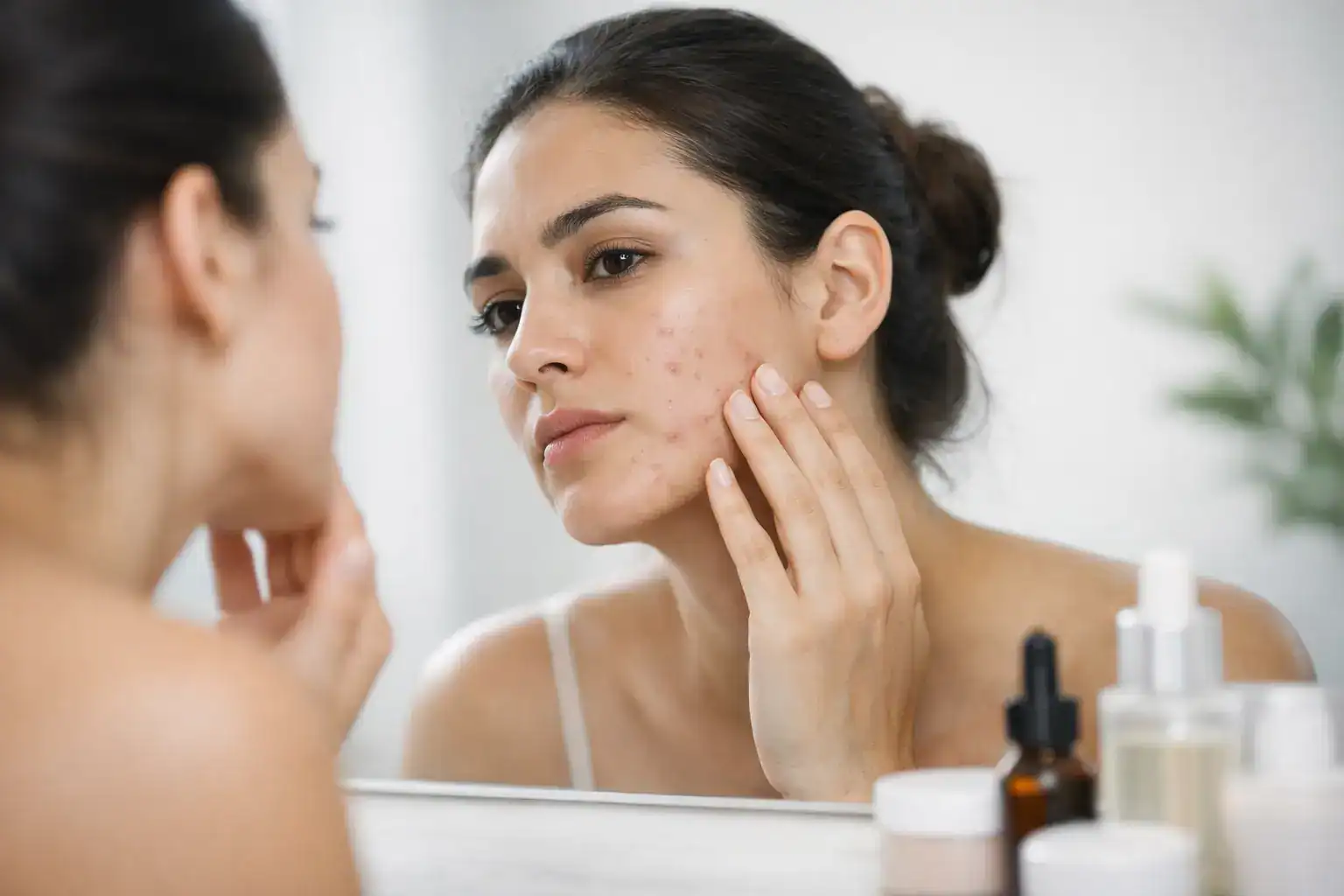
Melasma is a common skin pigmentation condition that causes dark, uneven patches, particularly on the face. Although it is harmless, persistent discoloration can affect skin appearance and confidence. Finding the best melasma pigmentation treatment is essential for reducing dark spots, improving skin tone, and maintaining healthier-looking skin.
At our dermatology-focused practice, we recognize that melasma requires a personalized treatment approach. Its development is influenced by several factors, including sun exposure, hormonal changes, genetics, and skin sensitivity. Effective management involves identifying these triggers and selecting treatments that address excessive pigmentation without damaging the skin.
From prescription pigmentation creams and chemical peels to advanced laser procedures, several treatment options can improve melasma. However, the most suitable solution depends on the severity of pigmentation, skin type, medical history, and individual treatment goals.
What Is Melasma Pigmentation?
Melasma is a chronic hyperpigmentation condition characterized by brown, gray-brown, or sometimes bluish patches on the skin. It typically develops on areas frequently exposed to sunlight, including the cheeks, forehead, nose, upper lip, and chin.
The condition occurs when melanocytes, the cells responsible for producing melanin, become overactive. This results in excess pigment accumulation and visible discoloration.
Melasma is particularly common among women and individuals with medium to darker skin tones, although anyone can develop it. Pregnancy, hormonal medications, ultraviolet radiation, visible light, and genetic predisposition can contribute to its development.
Unlike temporary dark spots, melasma often requires ongoing treatment because pigmentation can return when triggers are not adequately controlled.
What Is the Best Melasma Pigmentation Treatment?
The best treatment for melasma pigmentation generally combines medically appropriate topical treatments with consistent sun protection. Dermatologists may recommend additional procedures for stubborn pigmentation that does not respond sufficiently to first-line treatments.
Most Effective Treatments for Melasma Pigmentation
Several clinically established treatments can help reduce unwanted pigmentation and restore a more balanced complexion.
1. Hydroquinone Cream: A prescription skin-lightening treatment that reduces melanin production and gradually fades dark patches. It is commonly prescribed for limited treatment periods under medical supervision.
2. Triple Combination Cream: A prescription formula containing hydroquinone, tretinoin, and a mild corticosteroid. This combination is among the most effective short-term topical treatments for facial melasma.
3. Azelaic Acid: A pigmentation-reducing ingredient that can improve uneven skin tone. It may be suitable for individuals who cannot tolerate certain stronger treatments.
4. Tranexamic Acid: Available in topical preparations and, in selected cases, oral formulations. Dermatologists may consider it for persistent melasma, although oral treatment requires careful screening because of potential blood-clotting risks.
5. Chemical Peels: Carefully selected superficial chemical peels can improve discoloration by promoting controlled exfoliation. Professional assessment is essential to minimize irritation and post-inflammatory hyperpigmentation.
6. Laser and Light-Based Treatments: Certain specialized devices may help selected patients with resistant melasma. However, inappropriate treatment settings can worsen pigmentation, especially in darker skin tones.
7. Broad-Spectrum Sunscreen: Daily SPF 50+ sunscreen with strong UVA protection is a fundamental component of melasma care. Tinted formulations containing iron oxides can also protect against visible light that contributes to pigmentation.
For optimal outcomes, we recommend consulting a qualified dermatologist before combining prescription products or undergoing cosmetic procedures.
Best Melasma Pigmentation Treatment for Different Skin Types
Different skin types respond differently to pigmentation treatments. Selecting a suitable treatment helps improve results while reducing the risk of irritation, inflammation, and recurring discoloration.
Melasma Treatment for Dark Skin
Individuals with darker skin tones are more susceptible to post-inflammatory hyperpigmentation following aggressive cosmetic procedures.
We generally emphasize gentle treatments, including appropriately prescribed azelaic acid, carefully monitored hydroquinone, and tinted sunscreen. Chemical peels and laser procedures require particular caution and should be performed by professionals experienced in treating skin of color.
Melasma Treatment for Sensitive Skin
Sensitive skin requires a carefully balanced approach. Strong exfoliating products and multiple active ingredients can cause irritation that makes pigmentation more noticeable.
Gentle skincare routines, suitable moisturizers, and dermatologist-selected topical treatments can help manage pigmentation while protecting the skin barrier.
Melasma Treatment During Pregnancy
Pregnancy-related hormonal changes can trigger or worsen melasma. During pregnancy, sun protection is especially important.
We prioritize broad-spectrum sunscreen, protective clothing, and gentle skincare. Mineral sunscreens containing zinc oxide or titanium dioxide are useful options. Azelaic acid may be considered with medical guidance, while hydroquinone, topical retinoids, and oral tranexamic acid should generally be avoided during pregnancy.
How Long Does Melasma Pigmentation Treatment Take to Work?
The time required to achieve visible improvements depends on pigmentation severity, treatment selection, skin response, and consistency.
Most topical treatment plans require approximately 8–12 weeks before meaningful improvement can be assessed. Some individuals notice gradual fading earlier, while deeper or resistant pigmentation may require several months of treatment.
We emphasize that melasma management is a gradual process rather than an immediate cosmetic transformation. Successful treatment aims to reduce existing discoloration, prevent new pigmentation, and maintain long-term improvements.
Consistent use of sun protection is particularly important because even brief exposure can contribute to recurring dark patches.
How to Choose the Best Melasma Pigmentation Treatment
Choosing an effective melasma treatment requires more than selecting a popular skincare product. A professional skin assessment helps identify the pigmentation pattern, potential triggers, and most suitable therapeutic approach.
Important Factors to Consider Before Treatment
- Skin Type and Sensitivity: Choose treatments that suit your complexion and minimize irritation.
- Pigmentation Severity: Mild melasma may respond to topical products, while persistent cases may require additional medical intervention.
- Treatment Safety: Confirm that prescribed products are appropriate for your health history, particularly during pregnancy or breastfeeding.
- Dermatologist Experience: Select a qualified professional with experience managing pigmentation disorders and treating your skin tone.
- Treatment Costs: Consider consultation fees, medications, follow-up appointments, and maintenance expenses.
- Long-Term Management: Prioritize treatment plans that include sun protection and strategies to reduce recurrence.
We recommend avoiding unregulated bleaching creams, harsh exfoliating treatments, and unsupervised combinations of pigmentation products. These approaches can cause inflammation, skin damage, and more noticeable discoloration.
Daily Skincare Routine for Melasma Pigmentation
A consistent skincare routine supports the effectiveness of professional treatment and helps prevent additional pigmentation.
In the morning, we recommend cleansing the face with a gentle product, applying suitable treatment products as directed, and using a moisturizer that supports the skin barrier.
The most important final step is applying broad-spectrum SPF 50+ sunscreen, preferably a tinted formulation containing iron oxides. Sunscreen should be reapplied approximately every two hours during outdoor exposure.
At night, gently cleanse the skin and apply prescribed pigmentation treatments according to professional instructions. Follow with a moisturizer to reduce dryness and irritation.
Avoid introducing numerous active ingredients simultaneously, as excessive exfoliation and skin irritation can aggravate melasma.
Can Melasma Pigmentation Be Removed Permanently?
Melasma can improve significantly with appropriate treatment, but permanent removal cannot be guaranteed. The condition is frequently recurrent, particularly when sunlight, hormonal fluctuations, or other triggers remain present.
Some individuals experience prolonged improvement, while others require periodic maintenance therapy to control recurring pigmentation.
We focus on sustainable skin improvements through appropriate treatment, regular dermatological monitoring, and consistent preventive skincare.
Why Professional Dermatologist Treatment Is Important
Professional dermatological care provides a more reliable approach to identifying and managing persistent facial pigmentation.
Not every dark patch is melasma. Other conditions, including post-inflammatory hyperpigmentation and sun-related pigmentation, can appear similar but may require different treatments.
A qualified dermatologist can evaluate the skin, identify potential contributing factors, and recommend appropriate therapeutic options.
Professional supervision also reduces the likelihood of complications associated with prolonged hydroquinone use, inappropriate steroid-containing creams, aggressive chemical peels, or unsuitable laser procedures.
These precautions are particularly important for individuals with darker skin tones who may experience additional pigmentation following skin inflammation.
FAQs about Best Melasma Pigmentation Treatment
1. What Is the Best Melasma Pigmentation Treatment?
The best melasma pigmentation treatment depends on skin type, pigmentation severity, and underlying triggers. Dermatologists commonly recommend topical treatments, sun protection, and selected professional procedures to reduce dark patches.
2. Can Melasma Pigmentation Be Permanently Removed?
Melasma is a chronic skin condition that can improve significantly with appropriate treatment. However, pigmentation may return due to sunlight, hormonal changes, or other triggers. Consistent skincare and sun protection help maintain results.
3. Which Cream Is Best for Melasma Pigmentation?
Effective melasma treatment creams may contain hydroquinone, azelaic acid, tretinoin, or a prescription triple-combination formula. A dermatologist can recommend the most suitable option based on individual skin needs.
4. How Long Does Melasma Pigmentation Treatment Take to Work?
Most topical treatments require approximately 8–12 weeks to produce noticeable improvements. Results vary depending on pigmentation severity, treatment consistency, and sun exposure.
5. Is Laser Treatment Effective for Melasma?
Laser treatments may improve stubborn pigmentation in selected patients. However, they can sometimes worsen melasma, particularly in darker skin tones. Professional dermatological assessment is essential.
6. Can Melasma Be Treated Naturally?
Gentle skincare and consistent sun protection can help manage melasma. However, natural remedies have limited scientific evidence and may cause irritation that worsens pigmentation.
7. How Can We Prevent Melasma From Returning?
We recommend daily broad-spectrum SPF 30 or higher sunscreen, preferably tinted with iron oxides, alongside protective clothing and a dermatologist-approved skincare routine.
8. Should We Consult a Dermatologist for Melasma Treatment?
Yes. A qualified dermatologist can identify pigmentation triggers, recommend effective treatments, and develop a personalized plan for achieving healthier, more even-looking skin.
Conclusion
Finding the best melasma pigmentation treatment begins with understanding the underlying causes of discoloration and choosing clinically appropriate solutions. Prescription creams, azelaic acid, carefully selected procedures, and consistent sun protection can substantially improve the appearance of melasma.
We recommend a personalized treatment strategy that addresses existing pigmentation while reducing the risk of recurrence. With professional dermatological guidance, gentle skincare, and long-term preventive measures, individuals can achieve a clearer, healthier-looking, and more even complexion.
The most effective approach is not necessarily the strongest treatment available, but the one that delivers sustainable improvements while protecting the skin’s overall health.

