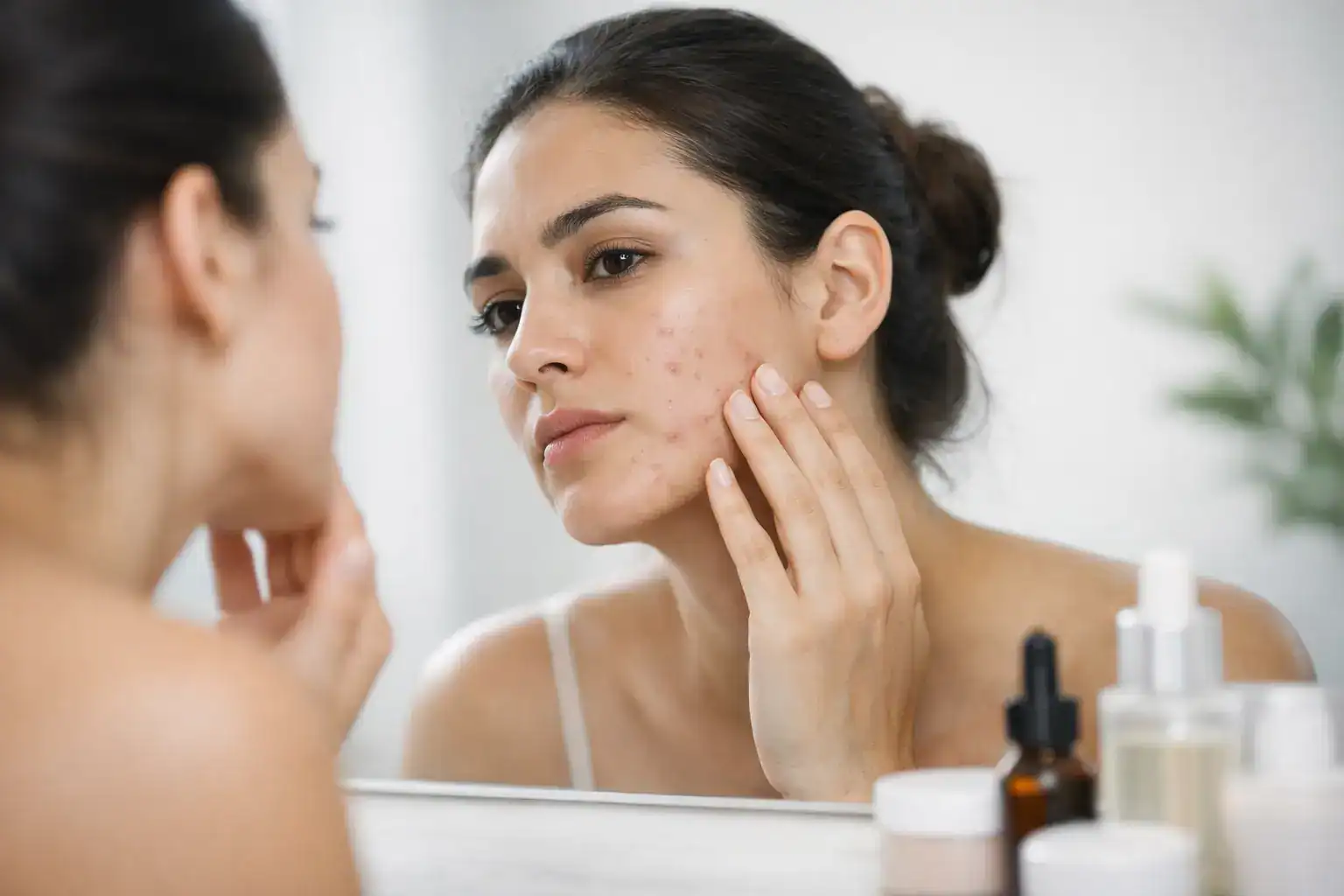
Sun spots are among the most common skin concerns affecting people who experience prolonged sun exposure. These dark patches can develop on the cheeks, forehead, nose, and other areas of the face, making the complexion appear uneven. Choosing the right sun spot treatment for face is essential for reducing visible pigmentation, improving skin tone, and maintaining healthier-looking skin.
With numerous skincare products and dermatological procedures available, finding an effective treatment requires careful consideration. We recommend understanding the causes of sun spots, identifying suitable ingredients, and selecting treatments that match individual skin needs.
Understanding Sun Spots and Their Causes
Sun spots, also known as solar lentigines or age spots, are flat, brown, or dark patches that develop primarily due to repeated exposure to ultraviolet (UV) radiation. Sun exposure stimulates melanin production, which can lead to concentrated areas of pigmentation.
Although sun spots are generally harmless, their appearance can become more noticeable over time. Factors such as skin type, cumulative sun exposure, and aging can influence their development.
Before choosing a facial sun spot removal treatment, we recommend consulting a dermatologist to confirm that the pigmentation is caused by sun exposure rather than melasma, post-inflammatory hyperpigmentation, or another skin condition.
Key Factors to Consider When Choosing Sun Spot Treatment for Face
Selecting the best treatment for sun spots on face involves evaluating several important factors. We recommend focusing on effectiveness, skin compatibility, safety, and long-term results.
1. Identify Your Skin Type
Different skin types respond differently to pigmentation treatments. Understanding whether the skin is oily, dry, sensitive, or combination helps determine which products and procedures are most appropriate.
For sensitive skin, we recommend gentle formulations containing niacinamide, azelaic acid, or vitamin C. Individuals with oily skin may benefit from lightweight products containing appropriate exfoliating ingredients.
2. Choose Products With Proven Ingredients
Effective sun spot treatments often contain ingredients that help reduce excess pigmentation and improve overall skin tone.
Some commonly recommended ingredients include:
- Vitamin C: An antioxidant that helps brighten the complexion and reduce the appearance of uneven pigmentation.
- Niacinamide: Supports the skin barrier and may help improve discoloration.
- Retinoids: Encourage skin cell turnover and can gradually improve certain pigmentation concerns.
- Azelaic Acid: Helps address uneven skin tone and can be suitable for various skin types.
- Hydroquinone: A dermatologist-supervised treatment that can reduce excess pigmentation.
- Alpha Hydroxy Acids (AHAs): Promote exfoliation and may gradually improve superficial discoloration.
We recommend introducing active ingredients gradually to minimize irritation and maintain skin health.
3. Consider the Severity of Sun Spots
The intensity and distribution of pigmentation influence treatment selection.
Mild discoloration may improve with topical skincare products, while more persistent sun spots may require professional procedures.
For deeper or stubborn pigmentation, dermatologists may recommend laser treatment, chemical peels, or other targeted skin procedures after evaluating the skin.
4. Prioritize Sun Protection
Daily sun protection is one of the most important steps when treating facial pigmentation.
We recommend using a broad-spectrum sunscreen with SPF 30 or higher every day. Sunscreen helps prevent existing sun spots from becoming darker and reduces the likelihood of developing additional spots.
Reapplication during prolonged outdoor exposure, alongside protective clothing and shade, further supports treatment results.
5. Evaluate Treatment Safety and Side Effects
Not every pigmentation treatment is suitable for every skin tone or condition.
Certain chemical peels and laser procedures can cause irritation, burns, or post-inflammatory hyperpigmentation, particularly when performed without appropriate expertise.
We recommend choosing qualified skincare professionals who understand how different treatments affect various skin tones.
6. Consider Treatment Cost and Maintenance
The cost of sun spot removal treatment for face varies depending on the procedure, number of sessions, location, and severity of pigmentation.
Topical products are often more affordable, while professional treatments may require a greater financial commitment.
We encourage considering both the initial treatment cost and ongoing skincare maintenance before making a decision.
Best Sun Spot Treatment Options for Different Skin Needs
There are several treatment approaches available for reducing the appearance of facial sun spots.
Topical Creams and Serums
Topical treatments are commonly recommended for mild pigmentation and individuals who prefer non-invasive skincare solutions.
Products containing retinoids, vitamin C, azelaic acid, or prescription pigmentation-reducing ingredients may gradually improve skin tone with consistent use.
Chemical Peels
Chemical peels use controlled exfoliation to improve the appearance of superficial discoloration.
We recommend professional assessment before undergoing chemical peels, especially for sensitive or darker skin tones, because inappropriate treatment can worsen pigmentation.
Laser Treatment for Sun Spots
Certain laser and light-based treatments target excess pigmentation and can be effective for confirmed solar lentigines.
However, professional evaluation is essential because treatment settings, skin tone, and pigmentation type influence both effectiveness and safety.
Professional Dermatological Care
A dermatologist can assess the appearance, depth, and potential causes of pigmentation before recommending a personalized treatment plan.
This approach is particularly beneficial when sun spots are widespread, persistent, or difficult to distinguish from other skin conditions.
How to Build an Effective Skincare Routine for Sun Spots
A consistent skincare routine can support professional treatments and help maintain an even-looking complexion.
We recommend a gentle morning routine that includes cleansing, an appropriate antioxidant or pigmentation-targeting serum, moisturizer, and broad-spectrum sunscreen.
At night, the routine may include gentle cleansing, moisturizer, and a suitable treatment ingredient such as a retinoid or azelaic acid.
Introducing multiple strong active ingredients simultaneously can increase irritation and worsen discoloration. We therefore recommend gradual product introduction and monitoring the skin’s response.
It is also important to understand that topical treatments often require several weeks or months of consistent use before noticeable improvement occurs.
Common Mistakes to Avoid When Treating Facial Sun Spots
Choosing an effective treatment also involves avoiding practices that may damage the skin or reduce treatment effectiveness.
Common mistakes include:
- Skipping sunscreen: Continued UV exposure can darken pigmentation and undermine treatment results.
- Using harsh exfoliants excessively: Over-exfoliation can irritate the skin and contribute to additional discoloration.
- Combining too many active ingredients: Aggressive skincare routines may weaken the skin barrier.
- Expecting immediate results: Pigmentation treatments typically require patience and consistency.
- Using unverified skin-lightening products: Some products contain harmful or undisclosed ingredients.
- Ignoring changing skin spots: New, irregular, bleeding, or rapidly changing spots require professional examination rather than cosmetic treatment.
We recommend prioritizing safe, evidence-based treatments rather than attempting rapid pigmentation removal through aggressive methods.
When to Consult a Dermatologist for Sun Spot Removal
Professional guidance is valuable when pigmentation does not respond to appropriate skincare or when the cause of a dark spot is uncertain.
A dermatologist can examine suspicious or unusual lesions, distinguish sun spots from other pigmentation disorders, and recommend suitable treatment options.
We particularly recommend seeking medical assessment for spots that change in shape, size, color, or texture, or that bleed or fail to heal. Such changes should not be assumed to be ordinary sun damage.
How to Maintain Results After Sun Spot Treatment
Maintaining an even-looking complexion requires ongoing skincare and preventive measures.
We recommend continuing daily sunscreen application, using gentle pigmentation-control products when appropriate, and avoiding unnecessary UV exposure.
Regular skin examinations and periodic reviews of skincare routines can also support long-term results.
Successful sun spot treatment for face should focus not only on reducing existing discoloration but also on preventing additional sun damage.
FAQs about How to Choose Sun Spot Treatment for Face
1. What Is the Best Treatment for Sun Spots on the Face?
The best sun spot treatment for face depends on your skin type, pigmentation severity, and treatment goals. Dermatologists may recommend vitamin C, retinoids, chemical peels, laser therapy, or prescription creams to reduce discoloration.
2. How Do I Choose the Right Sun Spot Treatment for My Skin Type?
We recommend considering your skin sensitivity, pigmentation level, and skin tone before choosing a treatment. Gentle brightening ingredients like niacinamide and vitamin C may suit many skin types, while stronger treatments require professional guidance.
3. Can Sun Spots Be Removed Permanently?
Sun spots can often be significantly reduced or removed with professional treatments. However, new pigmentation can develop with continued sun exposure. Daily sunscreen application helps maintain results.
4. What Ingredients Should I Look for in Sun Spot Treatment Products?
Effective ingredients include vitamin C, retinoids, azelaic acid, niacinamide, and glycolic acid. These ingredients can help improve uneven skin tone and reduce the appearance of dark spots over time.
5. How Long Does Sun Spot Treatment Take to Work?
Results vary depending on the treatment method. Topical skincare products may require several weeks to months, while professional procedures may produce faster improvements.
6. Is Laser Treatment Safe for Facial Sun Spots?
Laser treatment can be effective when performed by a qualified dermatologist. However, certain skin tones are more susceptible to post-inflammatory hyperpigmentation, making professional assessment essential.
7. How Can I Prevent Sun Spots From Returning?
We recommend applying broad-spectrum SPF 30 or higher sunscreen daily, avoiding excessive sun exposure, and maintaining a consistent skincare routine.
8. When Should I Consult a Dermatologist?
Consult a dermatologist if pigmentation persists, worsens, or changes in appearance. Any new, irregular, bleeding, or evolving spot should be evaluated before cosmetic treatment.
Conclusion
Choosing the right sun spot treatment for face requires an understanding of skin type, pigmentation severity, treatment ingredients, safety, and long-term maintenance.
We recommend combining consistent sun protection with evidence-based skincare products and professional dermatological guidance when necessary. Whether selecting topical creams, chemical peels, or laser treatments, the goal should be to achieve visible improvements without compromising skin health.
With a personalized approach and consistent care, it is possible to reduce the appearance of facial sun spots, improve uneven pigmentation, and maintain a clearer, more radiant-looking complexion.

