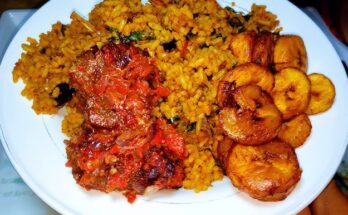
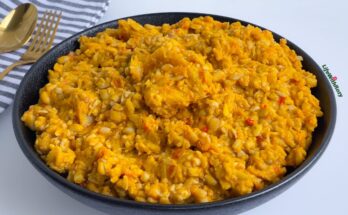
Palm Oil Rice is a rich, flavourful Nigerian rice dish prepared with red palm oil, peppers, onions, traditional seasonings, and optional proteins such as smoked fish, dried fish, or meat. It is loved for its deep colour, smoky aroma, and distinctive traditional taste.
Unlike regular Nigerian jollof rice, which is commonly prepared with vegetable oil and a tomato-based sauce, Nigerian Palm Oil Rice gets most of its character from good-quality red palm oil. When properly cooked, every grain of rice absorbs the seasoned sauce while remaining tender and delicious.
In this Palm Oil Rice recipe, we will prepare the dish using simple ingredients and an easy cooking method that delivers authentic Nigerian flavour.
Ingredients for Palm Oil Rice
Before we begin cooking, we recommend preparing all the ingredients so the cooking process remains smooth.
Main Ingredients
- 3 cups long-grain parboiled rice
- ½ to ¾ cup red palm oil
- 1 large onion, sliced
- 3 medium tomatoes
- 3 red bell peppers
- 2–3 Scotch bonnet peppers
- 2 tablespoons ground crayfish
- 2 seasoning cubes
- 1 teaspoon thyme
- 1 teaspoon curry powder, optional
- Salt to taste
- 4–5 cups meat, fish, or chicken stock
- 1 cup smoked fish or dried fish
- ½ cup cooked meat, optional
- 1 tablespoon locust beans, optional
- 1 handful sliced scent leaves or basil
The amount of pepper can be adjusted depending on how spicy we want the rice.
How to Prepare the Ingredients
Good preparation helps us achieve better flavour and texture.
First, we rinse the rice several times with clean water until the water becomes relatively clear. This removes excess starch and prevents the rice from becoming unnecessarily sticky.
Next, we blend the tomatoes, red bell peppers, Scotch bonnet peppers, and part of the onion. We do not need to make the mixture completely smooth. A slightly coarse pepper blend works particularly well for traditional Palm Oil Rice.
If we are using smoked fish or dried fish, we carefully clean it, remove the bones where necessary, and divide it into manageable pieces.
We also slice the remaining onion and prepare the crayfish, seasoning, stock, and herbs before placing the pot on the stove.
How to Make Palm Oil Rice Step by Step
Preparing delicious Nigerian Palm Oil Rice is straightforward when we build the flavour gradually.
Step 1: Wash the Rice
Rinse the rice thoroughly until the water runs fairly clear. Set it aside.
Step 2: Prepare the Palm Oil Base
Heat the palm oil in a pot over medium heat. Add the chopped onions and fry for about 1–2 minutes.
Step 3: Add Pepper and Seasoning
Add the blended pepper, crayfish, seasoning cube, salt, and smoked or dried fish. Stir and allow the mixture to cook for a few minutes.
Step 4: Add the Rice
Pour the washed rice into the sauce and stir well so every grain is coated with the palm oil mixture.
Step 5: Cook Until Tender
Add the stock and enough water to cook the rice. Cover the pot and cook over low to medium heat until the rice is soft and the liquid is absorbed.
Step 6: Add Scent Leaves
Stir in chopped scent leaves during the final few minutes of cooking.
Tips for Making the Best Nigerian Palm Oil Rice
Although this recipe is simple, a few cooking techniques can significantly improve the final result.
Use Good-Quality Palm Oil
Palm oil is the main flavour component of this dish. We should use fresh, good-quality red palm oil with a pleasant aroma rather than old or excessively processed oil.
Do Not Use Too Much Water
One of the easiest ways to ruin Palm Oil Rice is by adding excessive water. We recommend beginning with a moderate amount of stock and adding more only when necessary.
Allow the Pepper Sauce to Fry Properly
The pepper mixture should cook thoroughly before we add the rice. Proper frying creates a richer, deeper flavour and prevents the finished meal from tasting like raw tomatoes.
Use Stock Instead of Plain Water
While water can cook the rice, meat, chicken, or fish stock gives the dish significantly more flavour.
Do Not Over-Stir the Rice
Frequent stirring can break the grains and make the rice mushy. Once the rice begins cooking, we should stir only when necessary.
Best Proteins for Palm Oil Rice
One reason Palm Oil Rice remains such a versatile Nigerian meal is that we can prepare it with different proteins.
Traditional options include:
- Smoked mackerel
- Dried fish
- Stockfish
- Beef
- Goat meat
- Chicken
- Cow skin
- Prawns or shrimp
For a stronger traditional flavour, combining smoked fish, crayfish, and locust beans works particularly well.
For a simpler everyday version, we can prepare the rice with only smoked fish or even without meat.
What to Serve With Palm Oil Rice
Palm Oil Rice can be enjoyed as a complete meal, but several side dishes complement it beautifully.
We can serve it with:
- Fried plantain
- Boiled eggs
- Fried fish
- Grilled chicken
- Goat meat
- Beef
- Fresh vegetable salad
- Avocado
- Steamed vegetables
Fried ripe plantain is particularly popular because its sweetness balances the savoury and slightly spicy flavours of the rice.
How to Store Leftover Palm Oil Rice
If we have leftovers, we allow the rice to cool before transferring it into an airtight container.
Palm Oil Rice can be refrigerated and reheated when needed. When reheating, we can add one or two tablespoons of water before covering the pot. This creates steam and prevents the grains from becoming excessively dry.
For longer storage, portions can be kept in suitable freezer containers and frozen.
We should avoid repeatedly reheating the entire batch. Instead, we reheat only the amount we plan to eat.
Common Mistakes to Avoid When Making Palm Oil Rice
Achieving excellent results becomes easier when we avoid several common mistakes.
Using too much palm oil can make the rice unnecessarily greasy. We want enough oil to coat and flavour the grains without leaving excessive oil at the bottom of the plate.
Adding too much water can also make the rice soft and sticky. It is better to add liquid gradually than to attempt to remove excess water later.
Another common mistake is adding fresh herbs too early. Scent leaves provide their best aroma when added close to the end of cooking.
Finally, we should avoid cooking the rice continuously over very high heat. Once the mixture begins boiling, reducing the heat allows the grains to cook more evenly.
Why Palm Oil Rice Has Such a Distinctive Flavour
The unique character of traditional Palm Oil Rice comes from the combination of red palm oil, crayfish, peppers, smoked ingredients, and aromatic herbs.
Palm oil contributes richness and colour, while crayfish adds a deep savoury flavour. Smoked fish introduces another layer of aroma, and scent leaves provide freshness at the end of cooking.
Together, these ingredients transform ordinary rice into a deeply satisfying Nigerian dish that requires relatively simple preparation.
Easy Palm Oil Rice Recipe for Family Meals
This Palm Oil Rice recipe is an excellent option when we want a comforting Nigerian meal without preparing an overly complicated dish. Most ingredients are affordable and easily available, while the recipe can also be adjusted according to what we already have in the kitchen.
We can make the dish richer with several types of protein or keep it simple with crayfish and smoked fish. We can increase the peppers for a hotter version or reduce them when preparing the meal for children.
The important elements remain the same: quality palm oil, properly fried pepper sauce, well-seasoned stock, correctly cooked rice, and balanced seasoning.
FAQs about Palm Oil Rice Recipe
1. What is Palm Oil Rice?
Palm Oil Rice is a flavorful Nigerian rice dish cooked with red palm oil, peppers, onions, seasoning, and local spices. It has a rich colour and distinctive traditional taste.
2. What Type of Rice Is Best for Palm Oil Rice?
We can use long-grain parboiled rice because it cooks well without becoming too sticky. Local rice can also be used for a more traditional flavour.
3. Can We Add Protein to Palm Oil Rice?
Yes. Smoked fish, dried fish, stockfish, beef, chicken, or prawns can be added. Smoked fish is especially popular because it gives the rice a deeper, smoky flavour.
4. How Do We Prevent Palm Oil Rice From Becoming Soggy?
Use the correct amount of liquid and avoid adding too much water at once. We recommend cooking the rice on medium to low heat and allowing it to absorb the stock gradually.
5. What Vegetables Can We Add?
We can add scent leaves, spinach, ugu (pumpkin leaves), or basil. Scent leaves are particularly suitable because they complement the traditional palm oil flavour.
6. What Can We Serve With Palm Oil Rice?
Palm Oil Rice can be served with fried plantain, grilled fish, chicken, beef, boiled eggs, or fresh vegetables. It is also delicious on its own when prepared with enough fish and seasonings.
Final Thoughts
By frying our pepper sauce properly, seasoning it with crayfish and traditional ingredients, controlling the amount of liquid, and allowing the rice to cook gently, we can achieve excellent results every time.
Whether we serve it with smoked fish, fried plantain, chicken, beef, or boiled eggs, Palm Oil Rice remains a satisfying meal suitable for lunch, dinner, family gatherings, and everyday Nigerian cooking.
With this simple Palm Oil Rice step-by-step guide, we can prepare a delicious pot filled with authentic flavours using ingredients that are readily available in most Nigerian kitchens.