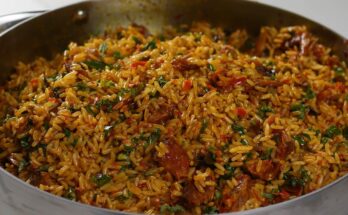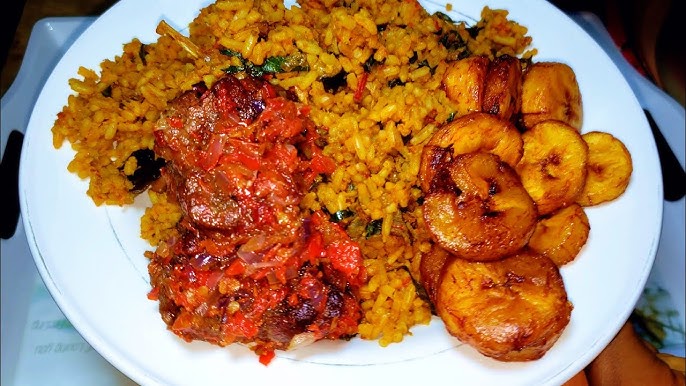
Native Jollof Rice is a deeply flavorful Nigerian rice dish prepared with traditional ingredients such as palm oil, smoked fish, dried fish, crayfish, fresh pepper, onions, and aromatic local seasonings. Unlike the popular tomato-based Nigerian Jollof Rice, Native Jollof Rice gets its distinctive taste, colour, and aroma mainly from palm oil and seafood.
This traditional dish is sometimes called Palm Oil Jollof Rice, and it remains a favourite in many Nigerian homes because it combines simple ingredients with bold, satisfying flavours. When we prepare it correctly, every grain of rice absorbs the rich palm oil sauce while the smoked fish, crayfish, and spices create an irresistible traditional aroma.
In this detailed Native Jollof Rice recipe, we will show how to prepare the dish step by step while keeping the rice flavourful, properly cooked, and perfectly textured.
What Is Native Jollof Rice?
Native Jollof Rice is a traditional Nigerian one-pot rice meal prepared primarily with palm oil instead of vegetable oil and tomato stew. Its ingredients may vary slightly depending on the region or household, but smoked fish, dried fish, crayfish, pepper, onions, and palm oil are commonly used.
What makes Native Jollof Rice special is its unmistakable smoky and earthy flavour. The combination of seafood and palm oil produces a rich sauce that penetrates the rice during cooking.
Some versions also include scent leaves, uziza leaves, locust beans, prawns, stockfish, or other traditional ingredients. We can adjust the recipe according to preference while preserving its authentic Nigerian character.
Ingredients for Native Jollof Rice
Before we begin cooking, we should prepare all the ingredients so the cooking process remains smooth.
Main Ingredients
- 3 cups long-grain parboiled rice
- ½ to ¾ cup red palm oil
- 1 medium smoked fish
- 1 cup dried fish, cleaned
- ½ cup ground or blended crayfish
- 1 large onion, chopped
- 4 fresh tomatoes, optional
- 4 fresh red peppers
- 2 Scotch bonnet peppers
- 2 seasoning cubes
- Salt to taste
- 4 to 5 cups fish stock or water
- 1 teaspoon ground pepper, optional
- 1 handful sliced scent leaves or uziza leaves
- ½ cup cooked prawns or shrimp, optional
The exact quantity of pepper can be adjusted according to how spicy we want the meal.
How to Prepare the Ingredients
Proper preparation makes a noticeable difference when cooking Native Jollof Rice.
First, we wash the rice thoroughly under clean running water until most of the excess starch is removed. We then drain it and set it aside.
Next, we clean the smoked fish carefully, removing the bones where necessary. Dried fish should also be soaked briefly in warm salted water before washing thoroughly.
We blend or roughly grind the fresh pepper, Scotch bonnet, and tomatoes if tomatoes are being used. The mixture should not necessarily be completely smooth because a slightly coarse texture gives the dish a more traditional appearance.
We also chop the onions, grind the crayfish, wash the vegetables, and prepare the fish stock before cooking.
How to Make Native Jollof Rice Step by Step
Following the correct cooking sequence allows the rice to absorb maximum flavour without becoming soggy.
Step 1: Prepare the Rice
Wash the rice thoroughly and set it aside. Clean the smoked or dried fish and remove any bones.
Step 2: Heat the Palm Oil
Place a pot over medium heat and add the palm oil. Allow it to heat gently without bleaching it.
Step 3: Prepare the Sauce
Add the chopped onions and fry briefly. Stir in the blended tomatoes and pepper. Cook until the mixture reduces slightly.
Step 4: Add Local Flavours
Add crayfish, locust beans, seasoning cubes, salt, smoked fish, and stock. Stir well and allow the mixture to simmer for about 5 minutes.
Step 5: Cook the Rice
Add the washed rice and mix until evenly coated with the sauce. Cover and cook over low to medium heat until the rice becomes tender. Add a little water or stock if necessary.
Step 6: Add Scent Leaves
When the rice is almost ready, stir in sliced scent leaves and cook for another 2–3 minutes.
How to Get the Best Native Jollof Rice Flavour
The quality of our ingredients plays an important role in the final result.
Using good-quality palm oil gives the rice its authentic colour and rich flavour. Freshly ground crayfish also provides a stronger aroma than crayfish that has been stored for a long period.
Smoked fish should have a pleasant smoky flavour without tasting excessively salty or bitter.
We should also avoid adding too much water. Native Jollof Rice tastes best when the grains remain separated rather than becoming overly soft.
Cooking the rice slowly allows it to absorb the flavour of the fish, crayfish, pepper, and palm oil.
Optional Ingredients We Can Add
One advantage of Native Jollof Rice is that it can easily be customised.
We can add ingredients such as:
- Stockfish
- Fresh prawns
- Dried prawns
- Locust beans
- Scent leaves
- Uziza leaves
- Ugu leaves
- Cow skin, also known as ponmo
- Snails
- Smoked prawns
However, we should avoid overcrowding the dish with too many ingredients. The goal is to maintain a balanced flavour where the palm oil, seafood, rice, and spices complement each other.
Native Jollof Rice Without Tomatoes
Traditional Native Jollof Rice can be prepared completely without tomatoes.
In fact, many people prefer the tomato-free version because it allows the palm oil, pepper, crayfish, and smoked fish flavours to stand out more clearly.
To prepare it without tomatoes, we simply blend fresh red peppers, Scotch bonnet peppers, and onions. We then fry the mixture in palm oil before continuing with the remaining ingredients.
This produces a darker, richer, and strongly traditional Native Jollof Rice.
What to Serve With Native Jollof Rice
Native Jollof Rice is already a complete meal, especially when prepared with generous portions of fish.
However, we can serve it with:
- Fried plantain
- Grilled fish
- Fried fish
- Peppered chicken
- Boiled eggs
- Fresh vegetable salad
- Moi Moi
- Avocado slices
- Chilled Nigerian drinks
Fried plantain is particularly popular because its natural sweetness balances the spicy and smoky flavour of the rice.
Common Mistakes to Avoid When Cooking Native Jollof Rice
One common mistake is using excessive palm oil. Although palm oil is essential, too much can make the dish unnecessarily greasy.
Another mistake is adding too much water. We should add liquid gradually and allow the rice to steam rather than boil excessively.
We should also avoid constantly stirring the rice during cooking. Frequent stirring releases starch and may cause the grains to become sticky.
Adding scent leaves too early can reduce their aroma. They are best added toward the end of the cooking process.
Finally, seasoning should be balanced carefully because smoked fish, dried fish, crayfish, and seasoning cubes may already contain significant amounts of salt.
How to Store Leftover Native Jollof Rice
Leftover Native Jollof Rice should be allowed to cool before being transferred into a clean airtight container.
We can refrigerate it and reheat only the portion we intend to eat.
When reheating, adding a tablespoon or two of water before covering the pot helps restore moisture without making the rice soggy.
For the best flavour and texture, Native Jollof Rice should be enjoyed while still fresh.
Why This Native Jollof Rice Recipe Works
This recipe balances the major flavours that make traditional Native Jollof Rice memorable: rich palm oil, smoky fish, spicy peppers, aromatic crayfish, onions, and fresh herbs.
By frying the pepper mixture first, we create a concentrated base. Allowing the smoked and dried fish to simmer in the sauce transfers their flavour into the cooking liquid before the rice is added.
Cooking over moderate heat then gives the rice enough time to absorb those flavours properly.
The final addition of scent leaves or uziza provides an aromatic freshness that completes the dish.
Tips for Perfect Native Jollof Rice
For consistently delicious results, we should remember a few important points.
Use fresh palm oil with a clean aroma. Wash smoked and dried fish thoroughly before adding them. Season the cooking liquid before adding the rice, and avoid adding excessive water.
Most importantly, we should allow the rice to cook gradually so it absorbs the traditional flavours rather than simply boiling in liquid.
A slight smoky flavour from the bottom of the pot can even enhance the authentic character of the dish, provided the rice is not allowed to burn.
FAQs About Native Jollof Rice Recipe
1. What is Native Jollof Rice?
Native Jollof Rice is a traditional Nigerian rice dish prepared with local ingredients such as palm oil, smoked fish, crayfish, pepper, onions, and seasoning. It has a rich, smoky flavour that distinguishes it from regular Jollof Rice.
2. What type of rice is best for Native Jollof Rice?
We can use long-grain parboiled rice because it cooks well without becoming too soft. Local rice can also be used for a more traditional taste and texture.
3. Can we make Native Jollof Rice without smoked fish?
Yes. Smoked fish adds depth and flavour, but we can substitute it with dried fish, fresh fish, stockfish, chicken, or prawns depending on preference.
4. Why is palm oil used in Native Jollof Rice?
Palm oil gives Native Jollof Rice its distinctive colour, aroma, and traditional flavour. It is one of the main ingredients that separates it from tomato-based Nigerian Jollof Rice.
5. How do we prevent Native Jollof Rice from becoming soggy?
We should use the correct amount of liquid and cook the rice over medium to low heat. Avoid adding too much water at once and stir only when necessary.
6. What can we serve with Native Jollof Rice?
Native Jollof Rice can be enjoyed alone or served with fried plantain, grilled fish, chicken, beef, salad, or steamed vegetables. It is perfect for family meals, parties, and traditional Nigerian occasions.
Conclusion
Preparing Native Jollof Rice at home is simple when we combine quality ingredients with the correct cooking technique. Palm oil provides the signature colour and richness, while smoked fish, dried fish, crayfish, pepper, and traditional herbs create the bold flavour that distinguishes this dish from regular Jollof Rice.
By preparing the sauce properly, controlling the amount of liquid, and allowing the rice to cook slowly, we can achieve tender, flavourful grains without making them mushy.
Whether we serve it for lunch, dinner, family gatherings, or special occasions, this Native Jollof Rice recipe delivers the comforting taste of traditional Nigerian cooking in one satisfying pot.