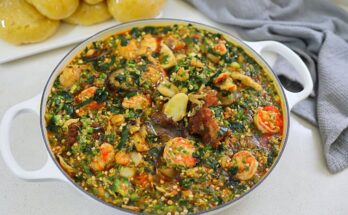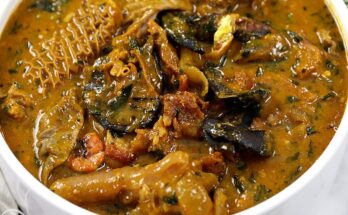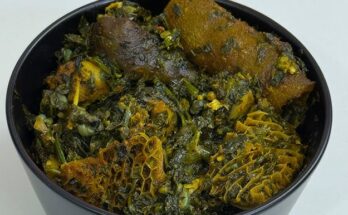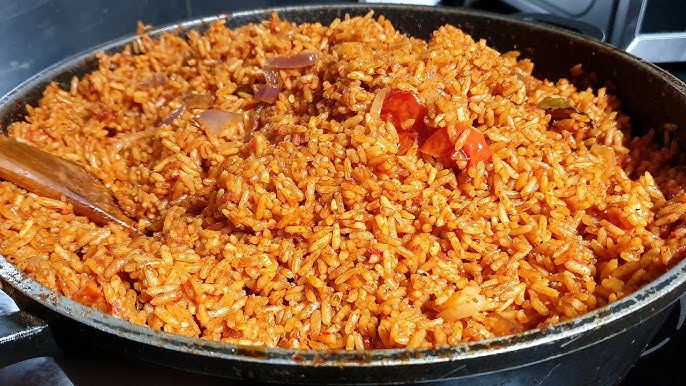
Nigerian Jollof Rice is one of the most celebrated dishes in West African cuisine. Known for its deep red colour, rich tomato flavour, smoky aroma, and perfectly seasoned rice, it is a favourite at weddings, birthdays, family gatherings, festive celebrations, and everyday meals.
With the right ingredients and cooking technique, we can prepare authentic Nigerian Jollof Rice at home with the same bold flavour associated with classic Nigerian party Jollof. The secret lies in creating a concentrated pepper and tomato base, frying it properly, using a flavourful stock, and allowing the rice to cook slowly so that every grain absorbs the sauce.
Ingredients for Nigerian Jollof Rice
Before cooking, we recommend preparing all the ingredients so the process remains simple and organised.
Main Ingredients
- 4 cups long-grain parboiled rice
- 5 large red bell peppers
- 3 medium tomatoes
- 2–3 Scotch bonnet peppers
- 2 large onions
- 3 tablespoons tomato paste
- ½ cup vegetable oil
- 3 cups chicken or beef stock
- 2 teaspoons curry powder
- 2 teaspoons dried thyme
- 2–3 bay leaves
- 1 teaspoon white pepper or black pepper
- 1 teaspoon paprika
- 2 seasoning cubes
- Salt to taste
- 1 tablespoon butter, optional
- Extra stock or water as needed
The amount of Scotch bonnet pepper can be adjusted according to the desired level of heat.
How to Prepare the Jollof Rice Pepper Base
The quality of the pepper base has a major influence on the final flavour of Nigerian Jollof Rice.
We begin by washing the red bell peppers, tomatoes, Scotch bonnet peppers, and one onion. We cut them into smaller pieces and blend them until smooth.
For a richer Jollof flavour, we can roast the peppers, tomatoes, and onions before blending. Roasting removes some excess moisture while developing a slightly caramelised flavour that complements the smoky taste of the rice.
After blending, we pour the mixture into a pot and allow it to boil until much of the excess liquid evaporates. The result should be a noticeably thicker pepper mixture rather than a watery sauce.
This step helps prevent soggy Jollof Rice.
How to Make Nigerian Jollof Rice Step by Step
Step 1: Wash the Rice
We rinse the rice several times with clean water until the water becomes relatively clear.
Washing removes excess surface starch, helping the grains remain separate during cooking. We then drain the rice completely and set it aside.
Step 2: Fry the Onions and Tomato Paste
We place a large heavy-bottomed pot over medium heat and add the vegetable oil.
Next, we slice the remaining onion and fry it until slightly soft and fragrant.
We add the tomato paste and fry it for several minutes, stirring frequently. Properly frying tomato paste reduces its sharp, raw taste and creates the rich foundation that gives Nigerian Jollof Rice its distinctive flavour.
The paste should become slightly darker without burning.
Step 3: Add the Blended Pepper Mixture
We pour the reduced pepper mixture into the fried tomato paste.
At this stage, we cook the sauce over medium heat, stirring occasionally. The sauce needs enough time to reduce and develop a concentrated flavour.
We know the sauce is properly fried when it becomes thicker and the oil begins appearing around the edges.
Rushing this stage can result in Jollof Rice that tastes strongly of raw tomatoes.
Step 4: Season the Jollof Sauce
We add:
- Curry powder
- Thyme
- Bay leaves
- Paprika
- White or black pepper
- Seasoning cubes
- Salt
We stir everything together before adding the chicken or beef stock.
A well-seasoned stock is particularly important because the rice absorbs most of its flavour directly from the cooking liquid.
We taste the sauce before adding the rice. It should taste slightly stronger than we want the finished rice because the rice will absorb and dilute some of the seasoning.
Cooking the Rice in the Jollof Sauce
We add the washed rice directly into the sauce and stir gently until every grain is coated.
The liquid should be slightly above the level of the rice. We avoid adding excessive water because Jollof Rice cooks best with controlled amounts of liquid.
We cover the pot tightly.
For even better results, we can place a sheet of aluminium foil or parchment paper underneath the lid. This traps steam inside the pot and allows the rice to cook efficiently without requiring excessive water.
We reduce the heat to low or medium-low and allow the rice to cook gradually.
Instead of stirring constantly, we check the rice occasionally. Too much stirring can break the grains and make the final dish mushy.
If the rice remains hard after most of the liquid has been absorbed, we add a small amount of stock or hot water, cover the pot again, and continue steaming.
How to Get the Smoky Nigerian Party Jollof Flavour
One of the most desirable characteristics of Nigerian Party Jollof Rice is its unmistakable smoky flavour.
Traditionally, large portions of party Jollof are cooked over firewood, which naturally creates that characteristic aroma. At home, we can reproduce a similar effect through controlled cooking.
Once the rice is nearly cooked, we allow it to remain over very low heat with the pot tightly covered. A thin layer may begin to toast at the bottom of the pot.
This creates the smoky aroma that gradually travels through the rice.
However, we do not allow the rice to burn aggressively. The goal is a gently toasted bottom rather than completely burnt rice.
For additional richness, we can stir in a tablespoon of butter shortly before serving.
Secrets to Perfect Nigerian Jollof Rice
Several simple techniques can significantly improve the final result.
Use Long-Grain Parboiled Rice
Traditional Nigerian Jollof Rice is commonly prepared with long-grain parboiled rice because it holds its shape well and absorbs flavour without becoming excessively sticky.
Reduce the Pepper Mixture
A watery pepper mixture introduces unnecessary liquid into the dish. Reducing it first gives us better control over the texture.
Fry the Tomato Base Properly
The tomato paste and pepper mixture should be thoroughly cooked before the rice is added. This creates a deeper, sweeter, and more balanced flavour.
Use Flavourful Stock
Chicken or beef stock contributes significantly more flavour than plain water. Homemade stock can make the dish especially rich.
Control the Liquid
Too much liquid is one of the most common reasons Jollof Rice becomes soggy. We can always add a little more stock later if necessary.
Cook on Low Heat
Once the rice is added, lower heat helps it cook gradually through steam while absorbing the Jollof sauce.
Common Nigerian Jollof Rice Mistakes to Avoid
Even a good recipe can produce disappointing results when a few important cooking principles are overlooked.
Adding too much water can leave the rice soft and mushy.
Undercooking the tomato sauce can create a sour or raw tomato flavour.
Using excessive heat too early may burn the bottom before the rice becomes tender.
Constant stirring can damage the grains and create a sticky texture.
Adding too little seasoning can also make the rice taste flat, particularly because rice absorbs a considerable amount of flavour during cooking.
We therefore season the sauce carefully before adding the rice and adjust only when necessary.
What to Serve With Nigerian Jollof Rice
Nigerian Jollof Rice works beautifully as a complete meal when paired with protein, vegetables, and traditional side dishes.
Popular accompaniments include:
- Fried chicken
- Grilled chicken
- Peppered beef
- Fried turkey
- Grilled fish
- Fried plantain
- Moi Moi
- Nigerian salad
- Coleslaw
- Steamed vegetables
- Peppered goat meat
For the classic Nigerian celebration experience, we can serve Jollof Rice with fried plantain, chicken, salad, and Moi Moi.
How to Store Leftover Nigerian Jollof Rice
Leftover Jollof Rice should be allowed to cool before being transferred into an airtight container.
We can keep it refrigerated and reheat only the quantity required for serving.
When reheating on the stovetop, adding a very small splash of water or stock and covering the pot helps create steam and prevents the rice from drying excessively.
Jollof Rice can also be portioned into suitable freezer-safe containers for longer storage.
How to Make Nigerian Jollof Rice More Flavourful
For a richer result, we can customise the recipe without losing its traditional Nigerian character.
Fresh ginger and garlic may be blended into the pepper mixture for additional depth. Smoked paprika can strengthen the smoky profile, while quality chicken stock adds savoury richness.
We can also add sliced fresh tomatoes, onions, or bell peppers during the final few minutes of cooking for extra colour and texture.
The important point is balance. The tomato, pepper, stock, spices, heat, and smoky notes should complement one another rather than allowing one ingredient to dominate.
Nigerian Jollof Rice for Parties and Family Meals
When preparing a larger quantity of Nigerian Jollof Rice, maintaining the correct rice-to-liquid ratio becomes especially important.
We recommend using a sufficiently large pot so the rice has enough room to steam evenly. Overcrowding a small pot can cause uneven cooking, with some grains becoming soft while others remain firm.
For party-style Jollof, the pepper sauce can also be prepared in advance. This makes large-batch cooking easier and gives us better control over seasoning and consistency.
The distinctive party flavour develops when the rice cooks slowly in a concentrated sauce and finishes with gentle bottom-of-the-pot toasting.
Why Nigerian Jollof Rice Has Its Signature Red Colour
The attractive orange-red colour of Nigerian Jollof Rice comes primarily from the combination of red bell peppers, tomatoes, and fried tomato paste.
Using enough red bell pepper helps create vibrant colour without depending entirely on tomatoes. Tomato paste adds both colour and concentration, while proper frying deepens the final shade.
We avoid using excessive tomato puree simply to make the rice red, as too much can overpower the dish with acidity.
Final Tips for Authentic Nigerian Jollof Rice
The best Nigerian Jollof Rice recipe combines good ingredients with careful cooking. We prepare a rich pepper base, fry the tomato sauce thoroughly, season the stock generously, control the amount of liquid, and allow the rice to steam slowly.
For authentic party-style flavour, we finish the rice over low heat so that a slight toasted layer develops at the bottom of the pot. This simple technique adds the familiar smoky aroma associated with traditional Nigerian celebrations.
When properly prepared, each grain should be flavourful, well coated, tender but not mushy, richly coloured, and slightly smoky.
FAQs about Nigerian Jollof Rice Recipe
1. What is Nigerian Jollof Rice?
Nigerian Jollof Rice is a popular West African dish made by cooking rice in a rich tomato, pepper, onion, and spice sauce. It is known for its vibrant colour, smoky aroma, and savoury flavour.
2. What type of rice is best for Nigerian Jollof Rice?
Long-grain parboiled rice is commonly used because it remains firm while absorbing the flavours of the Jollof sauce.
3. What ingredients are needed for Nigerian Jollof Rice?
Common ingredients include rice, tomatoes, red bell peppers, onions, tomato paste, vegetable oil, stock, thyme, curry powder, bay leaves, seasoning, and salt.
4. How do I make Nigerian Jollof Rice smoky?
For a traditional smoky Jollof flavour, cook the rice over low heat in a tightly covered pot and allow the bottom layer to toast slightly without excessively burning the rice.
5. Why does my Jollof Rice become soggy?
Jollof Rice can become soggy when too much water or stock is added. Use liquid gradually and allow the rice to cook mainly with steam and tomato sauce.
6. Can I make Nigerian Jollof Rice without meat?
Yes. Nigerian Jollof Rice can be prepared as a vegetarian dish using vegetable stock and served with vegetables, plantain, or salad.
7. What can I serve with Nigerian Jollof Rice?
It pairs perfectly with fried plantain, grilled chicken, beef, fish, coleslaw, moi moi, or fresh salad.
8. How long does Nigerian Jollof Rice take to cook?
Depending on the quantity and cooking method, it generally takes around 40–60 minutes to prepare and cook.
Conclusion
Nigerian Jollof Rice is more than rice cooked in tomato sauce. Its distinctive character comes from the careful combination of peppers, tomatoes, onions, spices, stock, seasoning, and slow cooking.
By properly reducing and frying the pepper sauce, controlling the cooking liquid, and allowing the rice to steam gently, we can achieve delicious homemade Nigerian Jollof Rice with the colour, aroma, texture, and smoky flavour expected from a classic plate of Nigerian party Jollof.
Served with fried plantain, grilled or fried chicken, beef, fish, Moi Moi, or Nigerian salad, this timeless dish remains an excellent choice for family meals, celebrations, and special occasions.