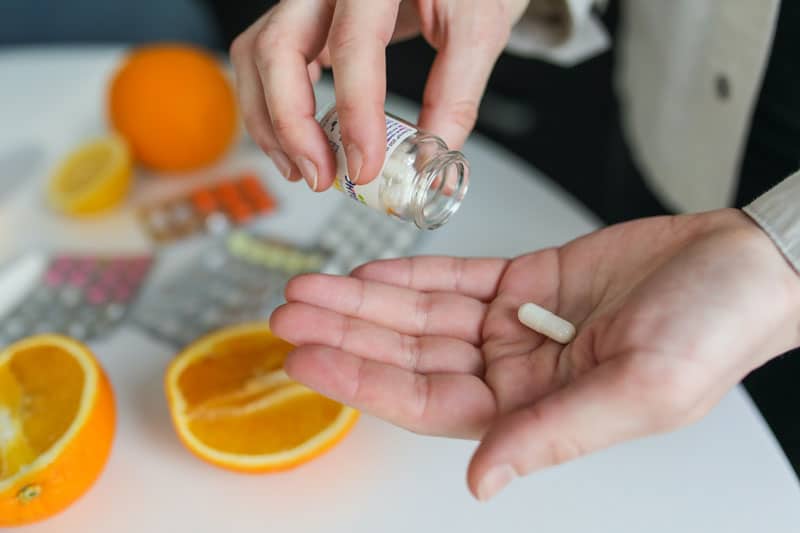
Anxiety has become one of the most common mental health challenges affecting millions of people worldwide. While medication can be an effective treatment for many individuals, it is not the only solution. Many people successfully manage anxiety through natural lifestyle changes, therapeutic techniques, healthy habits, and evidence-based coping strategies.
If you are looking for how to treat anxiety without medication, this comprehensive guide explores practical, research-supported methods that can help reduce anxiety naturally, improve emotional resilience, and restore balance to your daily life.
Understanding Anxiety
Anxiety is the body’s natural response to stress or perceived danger. It can become problematic when feelings of worry, fear, or nervousness become excessive, persistent, or interfere with everyday activities.
Common symptoms include:
- Persistent worrying
- Restlessness
- Racing thoughts
- Increased heart rate
- Muscle tension
- Trouble sleeping
- Difficulty concentrating
- Fatigue
- Irritability
- Panic attacks
Recognizing these symptoms early allows individuals to take proactive steps before anxiety becomes overwhelming.
Practice Deep Breathing Every Day
One of the fastest ways to calm an anxious mind is controlled breathing. Anxiety activates the body’s fight-or-flight response, causing rapid breathing and increased heart rate.
Deep breathing activates the parasympathetic nervous system, encouraging relaxation.
Popular breathing techniques include:
- Box Breathing (4-4-4-4)
- 4-7-8 Breathing
- Diaphragmatic Breathing
- Alternate Nostril Breathing
Practicing deep breathing for just 10 minutes daily can significantly reduce stress hormones.
Exercise Regularly to Reduce Anxiety Naturally
Physical activity remains one of the most effective natural anxiety treatments.
Exercise increases:
- Endorphins
- Serotonin
- Dopamine
These chemicals naturally improve mood while reducing cortisol, the primary stress hormone.
Excellent exercises include:
- Walking
- Running
- Swimming
- Cycling
- Yoga
- Strength training
- Dancing
Aim for at least 150 minutes of moderate exercise every week.
Improve Sleep Quality
Poor sleep and anxiety often reinforce one another. Better sleep can dramatically reduce anxious thoughts and improve emotional regulation.
Healthy sleep habits include:
- Going to bed at the same time every night
- Limiting caffeine in the afternoon
- Avoiding screens before bedtime
- Keeping the bedroom cool and quiet
- Establishing a relaxing bedtime routine
Adults generally benefit from 7–9 hours of quality sleep each night.
Eat a Nutrient-Rich Diet
Nutrition plays a vital role in brain health and emotional well-being.
Foods that may support mental health include:
Leafy Green Vegetables
Rich in magnesium, which supports healthy nerve function.
Fatty Fish
Salmon, sardines, and mackerel provide omega-3 fatty acids that may support mood regulation.
Whole Grains
Help stabilize blood sugar and maintain steady energy levels.
Nuts and Seeds
Contain healthy fats, magnesium, and zinc that support brain function.
Fermented Foods
Yogurt, kefir, kimchi, and sauerkraut promote a healthy gut microbiome, which is increasingly linked to mental health.
Reduce Caffeine Intake
Excess caffeine may increase:
- Nervousness
- Restlessness
- Rapid heartbeat
- Panic attacks
- Difficulty sleeping
If anxiety worsens after drinking coffee, energy drinks, or highly caffeinated beverages, consider gradually reducing your intake or switching to lower-caffeine alternatives.
Limit Alcohol Consumption
Although alcohol may initially seem calming, it can worsen anxiety symptoms over time and interfere with restorative sleep.
Reducing alcohol intake often leads to improved mood, better sleep, and enhanced emotional stability.
Practice Mindfulness Meditation
Mindfulness encourages focusing on the present moment rather than dwelling on worries about the future.
Regular meditation has been associated with:
- Reduced stress
- Improved concentration
- Greater emotional resilience
- Better sleep
- Lower anxiety levels
Even 10–20 minutes of daily mindfulness practice can make a meaningful difference over time.
Challenge Negative Thinking Patterns
Anxiety often involves repetitive negative thoughts and catastrophic thinking.
Helpful cognitive strategies include:
- Identifying irrational thoughts
- Examining the evidence for those thoughts
- Replacing them with more balanced perspectives
- Avoiding all-or-nothing thinking
- Practicing self-compassion
Keeping a journal can help identify recurring thought patterns and track progress.
Spend Time Outdoors
Nature offers a calming environment that can reduce mental fatigue and stress.
Activities include:
- Walking in a park
- Gardening
- Hiking
- Sitting near water
- Spending time in green spaces
Exposure to natural light may also help regulate sleep cycles and improve mood.
Build Strong Social Connections
Supportive relationships can help reduce feelings of isolation and anxiety.
Stay connected by:
- Talking with trusted friends
- Spending time with family
- Joining community groups
- Participating in hobbies
- Seeking peer support
Meaningful conversations often provide reassurance and emotional relief.
Practice Progressive Muscle Relaxation
This technique involves gently tensing and relaxing different muscle groups throughout the body.
Benefits include:
- Reduced muscle tension
- Lower stress levels
- Increased body awareness
- Better relaxation before sleep
Practicing progressive muscle relaxation several times a week can complement other anxiety management strategies.
Create a Structured Daily Routine
Uncertainty can intensify anxiety. A consistent daily schedule provides predictability and reduces decision fatigue.
Include time for:
- Work or study
- Physical activity
- Healthy meals
- Relaxation
- Social interaction
- Sleep
Small routines can contribute to a greater sense of stability and control.
Reduce Screen Time
Constant exposure to news, social media, and digital notifications can heighten stress and anxiety.
Helpful habits include:
- Scheduling regular breaks from screens
- Limiting exposure to distressing news
- Turning off unnecessary notifications
- Avoiding screens before bedtime
Creating technology-free periods each day can improve focus and emotional well-being.
Use Journaling to Process Emotions
Writing down thoughts and feelings can help organize emotions and identify sources of stress.
Consider journaling about:
- Daily experiences
- Gratitude
- Personal goals
- Challenges
- Positive achievements
- Coping strategies that worked
Over time, journaling can increase self-awareness and emotional resilience.
Practice Gratitude Daily
Focusing on positive experiences can gradually shift attention away from persistent worry.
Simple gratitude practices include:
- Writing three things you appreciate each day
- Expressing thanks to others
- Reflecting on personal strengths
- Celebrating small successes
Consistent gratitude exercises may improve overall emotional health.
Learn Healthy Stress Management Skills
Managing everyday stress reduces the likelihood that anxiety will escalate.
Healthy coping strategies include:
- Time management
- Relaxation techniques
- Regular breaks
- Creative hobbies
- Listening to music
- Reading
- Spending time with loved ones
Developing these habits creates a stronger foundation for emotional well-being.
Consider Professional Therapy
Treating anxiety without medication does not mean facing it alone.
Evidence-based therapies can provide practical tools to manage symptoms effectively. Cognitive Behavioral Therapy (CBT), Acceptance and Commitment Therapy (ACT), mindfulness-based therapies, and other approaches have helped many people develop healthier coping strategies and improve their quality of life.
Seeking professional support is a proactive step toward long-term emotional health.
Know When to Seek Immediate Help
Natural approaches can be highly beneficial, but some situations require prompt professional evaluation.
Seek medical or mental health support if anxiety:
- Prevents normal daily functioning
- Causes frequent panic attacks
- Persists for weeks or months despite self-care
- Leads to severe sleep disruption
- Results in thoughts of self-harm or suicide
Early intervention can improve outcomes and help individuals access the most appropriate care.
FAQs about How to Treat Anxiety without Medication
Can anxiety go away naturally?
Yes. Many people experience significant improvement through lifestyle changes, stress management, therapy, regular exercise, healthy sleep, and mindfulness practices. Recovery varies from person to person.
What is the fastest natural way to calm anxiety?
Deep breathing, grounding exercises, progressive muscle relaxation, and mindfulness meditation can often help reduce anxiety symptoms in the moment.
Can exercise replace anxiety medication?
For some individuals with mild anxiety, regular exercise may substantially reduce symptoms. Others may benefit from combining exercise with therapy or medication under the guidance of a healthcare professional.
Which foods help reduce anxiety?
A balanced diet rich in vegetables, fruits, whole grains, lean proteins, nuts, seeds, fatty fish, and fermented foods may support overall mental well-being.
How long does it take for natural anxiety treatments to work?
Some techniques, such as deep breathing and grounding exercises, may provide immediate relief. Lifestyle changes like exercise, improved sleep, and mindfulness often produce noticeable benefits over several weeks when practiced consistently.
Final Thoughts
Learning how to treat anxiety without medication involves building consistent habits that support both mental and physical health. Regular exercise, quality sleep, balanced nutrition, mindfulness, relaxation techniques, supportive relationships, and professional therapy when needed can work together to reduce anxiety and improve overall well-being.
Progress is often gradual rather than immediate. By practicing these evidence-based strategies consistently, many individuals can develop greater emotional resilience, experience fewer anxiety symptoms, and enjoy a healthier, more balanced life. If anxiety becomes severe, persistent, or begins to interfere with daily functioning, consulting a qualified healthcare or mental health professional is an important step toward receiving personalized care and support.

