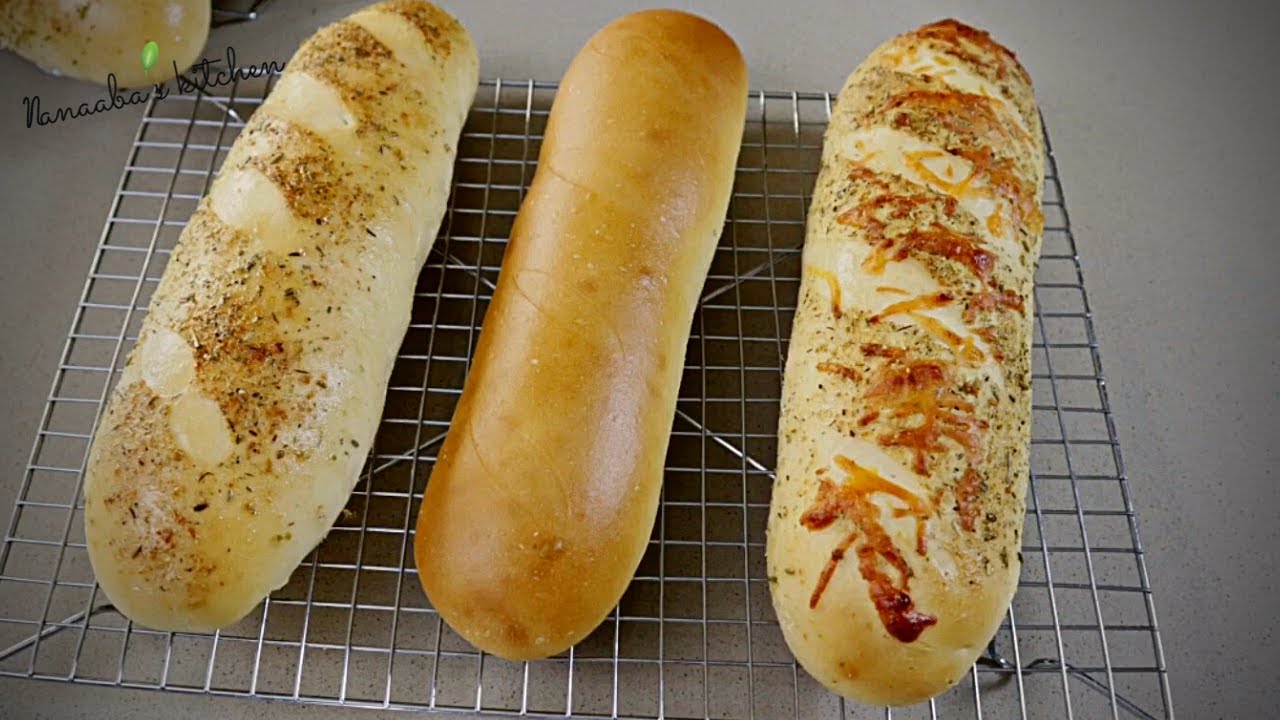
Subway Bread Recipe: A soft, fluffy, golden loaf is the heart of a great sandwich, and this Subway bread recipe helps us recreate that familiar bakery-style texture at home. The bread is light on the inside, slightly chewy on the outside, gently sweet, and perfect for building footlong-style sandwiches, subs, hoagies, and deli rolls.
This recipe focuses on a Subway-style sandwich bread, not an official restaurant formula. We are making a homemade version that delivers the same soft bite, mild flavor, and long roll shape that works beautifully with fillings like chicken, turkey, meatballs, tuna, cheese, vegetables, sauces, and toasted toppings.
The best part is that we do not need special bakery equipment. With simple ingredients like flour, yeast, warm water, sugar, oil, and salt, we can prepare fresh homemade sandwich bread that tastes better than store-bought rolls and gives us full control over texture, flavor, and freshness.
Ingredients You’ll Need
To make soft and fluffy Subway-style bread, we need basic pantry ingredients that work together to create structure, rise, tenderness, and flavor.
Main Bread Ingredients
- 4 cups all-purpose flour or bread flour
- 1 ½ cups warm water
- 2 ¼ teaspoons active dry yeast or instant yeast
- 2 tablespoons granulated sugar
- 1 ½ teaspoons salt
- 3 tablespoons vegetable oil or olive oil
- 1 tablespoon softened butter for brushing after baking
Optional Toppings
- Sesame seeds
- Italian herbs
- Parmesan cheese
- Garlic powder
- Oregano
- Poppy seeds
- Everything bagel seasoning
Optional Herb and Cheese Bread Add-Ins
- 1 teaspoon dried oregano
- 1 teaspoon dried basil
- ½ teaspoon garlic powder
- ½ cup shredded cheese
These add-ins are useful when we want to make an Italian herb and cheese Subway-style bread at home.
Best Flour for Subway-Style Bread
For a soft but slightly chewy sandwich roll, bread flour gives the best structure because it contains more protein than all-purpose flour. This helps the dough rise higher and creates a better chew. However, all-purpose flour also works well and produces a softer, lighter bread.
If we want a bread that feels closer to sandwich shop bread, we can use:
- Bread flour for a stronger, chewier texture
- All-purpose flour for a softer homemade roll
- Half bread flour and half all-purpose flour for a balanced result
The flour should be measured correctly. Too much flour makes the bread dense and dry. For best results, we should spoon the flour into the measuring cup and level it off instead of packing it tightly.
Step-by-Step Guide to Making Subway Bread
Step 1: Activate the Yeast
In a large mixing bowl, combine warm water, sugar, and yeast. Stir gently and allow the mixture to sit for about 5 to 10 minutes until it becomes foamy.
The water should be warm, not hot. If the water is too hot, it can damage the yeast. If it is too cold, the yeast may not activate properly. The ideal temperature is comfortably warm to the touch.
A foamy yeast mixture means the yeast is alive and ready to help the dough rise. If the mixture does not foam after 10 minutes, the yeast may be expired, and it is better to start again with fresh yeast.
Step 2: Mix the Dough
Add oil, salt, and about 3 cups of flour to the yeast mixture. Mix with a wooden spoon or dough hook until the dough starts to come together.
Gradually add the remaining flour, a little at a time, until a soft dough forms. The dough should be slightly tacky but not overly sticky. We should avoid adding too much flour too quickly because soft dough produces softer bread.
At this stage, the dough may look rough, but kneading will smooth it out and develop the gluten structure needed for fluffy sandwich rolls.
Step 3: Knead the Dough Until Smooth
Transfer the dough to a lightly floured surface and knead for about 8 to 10 minutes. If using a stand mixer with a dough hook, knead on medium-low speed for about 5 to 7 minutes.
The dough is ready when it becomes smooth, elastic, and slightly springy. When pressed with a finger, it should slowly bounce back.
Kneading is important because it develops gluten, which gives the bread its shape and soft chew. Under-kneaded dough may produce flat or crumbly bread, while properly kneaded dough rises beautifully and holds its structure.
Step 4: Let the Dough Rise
Place the kneaded dough in a lightly oiled bowl. Turn the dough once so the surface is lightly coated with oil. Cover the bowl with a clean kitchen towel or plastic wrap.
Let the dough rise in a warm place for about 1 hour, or until it doubles in size.
A warm environment helps the yeast work properly. If the kitchen is cool, we can place the bowl inside an oven that is turned off with the oven light on. This creates a gentle warm space for rising.
The first rise gives the bread flavor, volume, and a soft texture.
Step 5: Shape the Bread Rolls
After the dough has doubled, gently punch it down to release excess air. Transfer it to a lightly floured surface and divide it into 4 equal pieces for large sandwich rolls or 6 pieces for smaller subs.
Shape each piece into a long roll, about 8 to 10 inches in length. Roll the dough tightly but gently, sealing the seam underneath.
Place the shaped rolls on a baking sheet lined with parchment paper. Leave enough space between each roll because they will expand during the second rise and baking.
For a more classic sandwich-shop appearance, shape the rolls evenly and slightly flatten the tops with your hand.
Step 6: Second Rise for Soft Bread
Cover the shaped rolls with a clean towel and let them rise for another 30 to 45 minutes, or until puffy.
This second rise is what gives the bread its light and fluffy interior. Skipping this step can make the rolls dense. The dough should look noticeably larger and soft before baking.
While the rolls are rising, preheat the oven to 375°F / 190°C.
Step 7: Add Toppings Before Baking
Before baking, brush the tops of the rolls lightly with water or a little oil. This helps toppings stick and gives the crust a better finish.
Sprinkle with sesame seeds, Italian herbs, garlic powder, or grated Parmesan cheese, depending on the flavor we want.
For a homemade Italian herb and cheese bread, sprinkle the tops with dried oregano, basil, garlic powder, and shredded cheese before baking.
Step 8: Bake the Subway-Style Bread
Bake the rolls in the preheated oven for 18 to 22 minutes, or until the tops are lightly golden and the bread sounds hollow when tapped.
The bread should not become too dark or crusty. Subway-style bread is usually soft with only a gentle golden crust, so we should avoid overbaking.
Once baked, remove the rolls from the oven and immediately brush the tops with softened butter. This keeps the crust tender and gives the bread a rich bakery-style finish.
Let the rolls cool on a wire rack before slicing.
How to Make Italian Herb and Cheese Subway Bread
To make a flavorful Italian herb and cheese Subway-style bread, add herbs directly into the dough and top the rolls before baking.
Add to the Dough
- 1 teaspoon dried oregano
- 1 teaspoon dried basil
- ½ teaspoon garlic powder
- ½ teaspoon onion powder
Add to the Top
- ½ cup shredded mozzarella or cheddar
- 1 tablespoon grated Parmesan
- Extra oregano
- A pinch of garlic powder
This version is excellent for toasted sandwiches, chicken subs, meatball sandwiches, and spicy deli-style fillings.
How to Make Soft Bread Like Subway
The secret to soft sandwich bread is proper hydration, enough kneading, and careful baking. The dough should stay soft and slightly tacky. If we add too much flour, the bread becomes heavy.
Brushing the bread with butter after baking also helps create a tender crust. Covering the bread with a clean towel while it cools can keep it even softer.
For extra softness, we can replace ¼ cup of the warm water with warm milk. Milk adds richness and gives the bread a softer crumb. We can also add one extra tablespoon of oil for a more tender texture.
Best Sandwich Fillings for Subway-Style Bread
This homemade bread works well with many classic sandwich fillings. We can use it for cold subs, toasted sandwiches, or loaded deli rolls.
Popular Filling Ideas
- Grilled chicken, lettuce, tomato, cucumber, and mayo
- Turkey, cheese, onions, pickles, and mustard
- Tuna salad with lettuce and sweet corn
- Meatballs with marinara sauce and melted cheese
- Egg mayo with fresh vegetables
- Steak strips with peppers, onions, and cheese
- Roasted vegetables with garlic sauce
- Chicken teriyaki with lettuce and sweet onion sauce
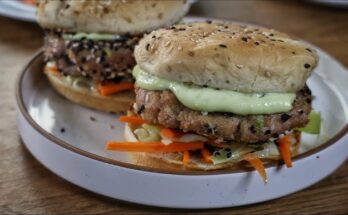
The bread is soft enough for fresh sandwiches but strong enough to hold sauces, meats, cheese, and vegetables without falling apart.
How to Store Homemade Subway Bread
Once the bread has cooled completely, store it in an airtight bag or container at room temperature for up to 3 days.
For longer storage, freeze the rolls. Wrap each roll tightly in plastic wrap, then place them in a freezer bag. They can be frozen for up to 2 months.
To reheat, thaw at room temperature and warm in the oven for a few minutes. We can also slice and toast the bread before filling it for a warm sandwich.
Avoid storing fresh bread in the refrigerator because it can dry out faster.
Tips for the Best Homemade Subway Bread
For the best result, always use fresh yeast and warm water. Let the dough rise fully during both rising stages. Do not rush the process because good bread needs time to develop texture and flavor.
Keep the dough soft. A slightly sticky dough is better than a dry dough. Flour should be added gradually only until the dough is workable.
Bake until lightly golden, not deeply browned. The goal is a soft sandwich roll, not a hard crusty loaf.
Brush the bread with butter immediately after baking. This small step makes the crust softer and gives the bread a delicious finish.
Let the bread cool before slicing so the inside stays fluffy and does not become gummy.
Common Mistakes to Avoid
One common mistake is using water that is too hot. Hot water can kill the yeast and stop the bread from rising. Another mistake is adding too much flour, which makes the bread dense.
We should also avoid skipping the second rise. This step helps create the light, airy texture that makes sandwich bread enjoyable.
Overbaking is another issue. Subway-style bread should be soft and pale golden, not hard or deeply browned.
Finally, slicing the bread while it is too hot can damage the crumb. Cooling allows the bread to finish setting properly.
Subway Bread Recipe Card
Ingredients
- 4 cups flour
- 1 ½ cups warm water
- 2 ¼ teaspoons yeast
- 2 tablespoons sugar
- 1 ½ teaspoons salt
- 3 tablespoons oil
- 1 tablespoon butter for brushing
Instructions
- Mix warm water, sugar, and yeast. Let it foam for 5 to 10 minutes.
- Add oil, salt, and flour gradually. Mix into a soft dough.
- Knead for 8 to 10 minutes until smooth and elastic.
- Place in an oiled bowl, cover, and rise for 1 hour.
- Divide into rolls and shape into long sandwich loaves.
- Let rise again for 30 to 45 minutes.
- Add toppings if desired.
- Bake at 375°F / 190°C for 18 to 22 minutes.
- Brush with butter and cool before slicing.
FAQs about Subway Bread Recipe
1. What makes Subway-style bread soft and fluffy?
Subway-style bread is usually soft because it uses yeast, warm water, a little sugar, oil, and enough kneading time to develop a smooth dough. Allowing the dough to rise properly also helps create a light, fluffy texture.
2. Can we make Subway bread at home without a bread machine?
Yes, we can make Subway bread at home without a bread machine. All we need is a mixing bowl, flour, yeast, warm water, sugar, salt, and oil. The dough can be kneaded by hand until smooth and elastic.
3. What type of flour is best for Subway bread?
Bread flour is the best option because it has more protein, which helps create a chewy and soft bread texture. However, all-purpose flour can also work if bread flour is not available.
4. How long should Subway bread dough rise?
The dough should usually rise for about 1 hour, or until it doubles in size. After shaping the loaves, we should let them rise again for about 30 to 45 minutes before baking.
5. Can we add toppings to homemade Subway bread?
Yes. We can add toppings like Italian herbs, sesame seeds, oats, parmesan cheese, garlic powder, or shredded cheese before baking. Brushing the dough lightly with water or egg wash helps the toppings stick better.
6. How do we store homemade Subway bread?
Once cooled, we can store the bread in an airtight bag or container at room temperature for 2 to 3 days. For longer storage, we can freeze it and reheat when needed.
Conclusion
This Subway bread recipe gives us soft, fluffy, homemade sandwich rolls with a light golden crust and tender inside. With simple ingredients and careful rising, we can make fresh bread that is perfect for subs, deli sandwiches, toasted rolls, and loaded homemade meals. Whether we keep it plain, top it with sesame seeds, or turn it into Italian herb and cheese bread, this recipe delivers a delicious bakery-style result from our own kitchen.