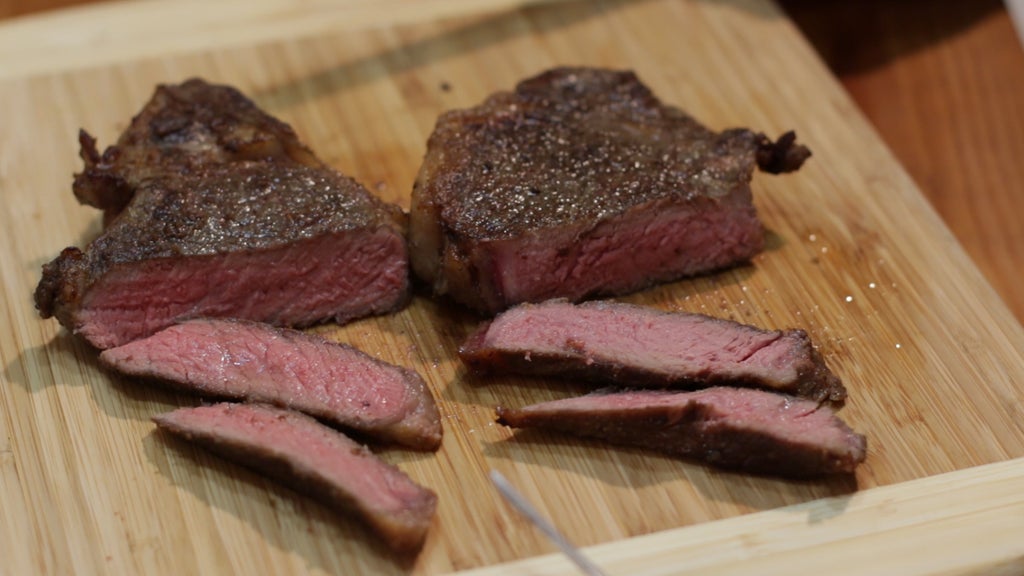
A steak sous vide recipe gives us one of the most reliable ways to cook steak with restaurant-quality precision. Instead of guessing when the steak is ready, we cook it slowly in a temperature-controlled water bath until it reaches the exact doneness we want. The result is a steak that is evenly cooked from edge to center, tender inside, beautifully seared outside, and full of rich beef flavor.
With traditional pan-searing or grilling, steak can easily become overcooked on the outside before the inside reaches the right temperature. Sous vide solves that problem by allowing us to control the cooking temperature carefully. Once the steak finishes in the water bath, we quickly sear it in a hot pan to create a flavorful crust.
This method works beautifully for ribeye steak, New York strip steak, filet mignon, sirloin steak, T-bone steak, porterhouse steak, and flank steak. Whether we want a juicy medium-rare steak or a firm medium-well steak, sous vide gives us consistent results every time.
Ingredients You’ll Need
To make a perfect sous vide steak, we need simple ingredients that allow the natural flavor of the beef to stand out.
Main Ingredients
- 2 thick-cut steaks, about 1½ to 2 inches thick
- 1½ teaspoons kosher salt
- 1 teaspoon freshly ground black pepper
- 1 tablespoon olive oil
- 2 tablespoons unsalted butter
- 2 garlic cloves, lightly crushed
- 2 sprigs fresh rosemary
- 2 sprigs fresh thyme
Optional Flavor Additions
- ½ teaspoon smoked paprika
- ½ teaspoon garlic powder
- ½ teaspoon onion powder
- 1 teaspoon Dijon mustard
- 1 tablespoon Worcestershire sauce
- A pinch of crushed red pepper flakes
- Fresh parsley for garnish
Best Steak Cuts for Sous Vide
For the best result, we should choose thick steaks with good marbling. Ribeye gives us rich flavor and tenderness because of its fat content. New York strip offers a strong beefy taste with a firm texture. Filet mignon is very tender and elegant. Sirloin is leaner but still works well when seasoned properly. The steak should be at least 1½ inches thick so it can cook evenly and develop a proper seared crust after the water bath.
Kitchen Tools Needed for Sous Vide Steak
To prepare this recipe properly, we need a few basic tools:
- Sous vide immersion circulator
- Large pot or sous vide container
- Vacuum-seal bag or heavy-duty zip-top freezer bag
- Cast iron skillet or heavy stainless-steel pan
- Tongs
- Paper towels
- Meat thermometer, optional for checking after searing
A cast iron skillet is highly recommended because it holds heat well and creates a strong crust on the steak.
Recommended Sous Vide Steak Temperature Guide
Choosing the right temperature is the most important part of this recipe.
| Doneness | Temperature | Texture |
|---|---|---|
| Rare | 120°F–125°F / 49°C–52°C | Very red, soft, cool center |
| Medium-Rare | 129°F–134°F / 54°C–57°C | Warm red center, juicy and tender |
| Medium | 135°F–144°F / 57°C–62°C | Pink center, slightly firmer |
| Medium-Well | 145°F–155°F / 63°C–68°C | Light pink, firm texture |
| Well-Done | 156°F+ / 69°C+ | Little to no pink, firm |
For the best balance of tenderness, juiciness, and flavor, we recommend cooking steak sous vide at 130°F / 54°C for medium-rare.
Step-by-Step Guide to Making Steak Sous Vide
Step 1: Prepare the Steak
We begin by patting the steaks dry with paper towels. Removing surface moisture helps the seasoning stick better and prepares the steak for a better sear later. We then season both sides generously with kosher salt and freshly ground black pepper.
For deeper flavor, we can add garlic powder, onion powder, or smoked paprika. However, simple seasoning is often best because sous vide enhances the natural taste of the steak.
After seasoning, we allow the steak to rest for about 10 to 15 minutes while setting up the sous vide water bath.
Step 2: Set the Sous Vide Temperature
We fill a large pot or sous vide container with water and attach the immersion circulator. Then we set the temperature based on our preferred doneness.
For a classic juicy steak, we set the water bath to 130°F / 54°C for medium-rare. Once the water reaches the correct temperature, we can add the steak.
Step 3: Seal the Steak in a Bag
We place the seasoned steak into a vacuum-seal bag or a heavy-duty zip-top freezer bag. If desired, we can add fresh rosemary, thyme, and a small drizzle of olive oil.
If using a vacuum sealer, we seal the bag tightly. If using a zip-top bag, we use the water displacement method. To do this, we slowly lower the bag into the water, allowing the pressure to push air out of the bag. Once most of the air is removed, we seal the top carefully.
The steak should be fully submerged in the water bath. If the bag floats, we can weigh it down with a spoon or clip it to the side of the container.
Step 4: Cook the Steak Sous Vide
We cook the steak in the sous vide water bath for 1½ to 2 hours. This gives the steak enough time to reach the target temperature evenly.
For thicker steaks, we can cook for up to 3 hours without losing quality. The beauty of sous vide is that the steak will not overcook as long as the water temperature remains controlled. The inside will stay at the exact doneness we selected.
Step 5: Remove and Dry the Steak
Once the cooking time is complete, we remove the steak from the bag and discard the herbs and juices. The steak may look pale at this stage, but that is normal. The final crust will come from searing.
We pat the steak completely dry with paper towels. This step is very important. A wet steak will steam in the pan instead of searing. For the best crust, the surface must be as dry as possible.
Step 6: Heat the Pan for Searing
We place a cast iron skillet over high heat and let it become very hot. Then we add a small amount of olive oil with a high smoke point. The oil should shimmer before the steak goes into the pan.
A hot pan creates the golden-brown crust that makes sous vide steak taste complete. Since the inside is already cooked, we only need a quick sear.
Step 7: Sear the Steak
We place the steak in the hot skillet and sear for about 45 to 60 seconds per side. We do not move the steak too much because direct contact with the pan helps form a better crust.
After flipping the steak, we add butter, crushed garlic, rosemary, and thyme to the pan. As the butter melts, we spoon it over the steak repeatedly. This adds richness, aroma, and a classic steakhouse flavor.
We can also sear the edges for a few seconds by holding the steak upright with tongs.
Step 8: Rest and Slice the Steak
Unlike traditionally cooked steak, sous vide steak does not need a long rest because the internal temperature is already evenly distributed. Still, we can let it rest for 3 to 5 minutes before slicing.
We slice the steak against the grain to keep each bite tender. Then we serve it immediately with our favorite sides.
Best Side Dishes for Sous Vide Steak
A perfectly cooked steak pairs well with many side dishes. For a complete meal, we can serve it with:
- Garlic mashed potatoes
- Creamed spinach
- Roasted asparagus
- Buttered green beans
- Macaroni and cheese
- Roasted mushrooms
- Caesar salad
- Baked potatoes
- Grilled corn
- Herb rice
For a lighter plate, we can pair the steak with a crisp salad and roasted vegetables. For a richer steakhouse-style meal, mashed potatoes, mushrooms, and creamed spinach are excellent choices.
Tips for the Best Sous Vide Steak
For the best steak sous vide recipe, we should use thick-cut steak because thin steak can overcook quickly during searing. A steak between 1½ and 2 inches thick gives the best balance of tender interior and crisp crust.
We should also avoid adding too much butter inside the sous vide bag. Butter can dilute the beef flavor during the cooking process. It works better during the final sear, where it adds richness and aroma.
Drying the steak properly before searing is another key step. Even a perfectly cooked steak can fail to develop a crust if the surface is wet. A dry steak and a very hot pan are the secrets to a beautiful finish.
Fresh herbs, garlic, and butter should be added during searing for the strongest flavor. This gives the steak a deep, savory aroma without overpowering the natural beef taste.
How Long to Sous Vide Steak
Most steaks cook well in 1½ to 2 hours. The time depends on thickness and texture preference.
A 1-inch steak usually needs about 1 hour. A 1½-inch steak works best at 1½ to 2 hours. A 2-inch steak may need 2 to 3 hours. Tender cuts like ribeye, strip steak, and filet mignon do not need very long cooking times. Tougher cuts can benefit from longer sous vide cooking to improve tenderness.
Can We Sous Vide Steak Ahead of Time?
Yes, we can cook steak sous vide ahead of time. After cooking, we keep the steak sealed in the bag and chill it quickly in an ice bath. Then we store it in the refrigerator for up to 3 days.
When ready to serve, we remove the steak from the bag, pat it dry, and sear it in a very hot pan. This makes sous vide steak a great option for meal prep, dinner parties, and special occasions.
How to Store and Reheat Sous Vide Steak
Leftover steak should be stored in an airtight container in the refrigerator. It is best eaten within 3 days.
To reheat, we can place the steak back into a sous vide bath set slightly below the original cooking temperature for about 30 minutes. After warming, we quickly sear it again for a fresh crust. This method helps preserve the steak’s tenderness and prevents it from drying out.
Common Mistakes to Avoid
One common mistake is searing the steak for too long. Since the steak is already cooked, long searing can raise the internal temperature and reduce the perfect doneness achieved through sous vide.
Another mistake is using a pan that is not hot enough. A low-temperature pan will not create a proper crust. The steak may become gray and greasy instead of browned and flavorful.
We should also avoid overcrowding the pan. If cooking multiple steaks, it is better to sear them one at a time so the pan stays hot.
Serving Suggestions for Steak Sous Vide
We can serve sous vide steak whole, sliced, or plated with sauce. A simple finishing sprinkle of flaky sea salt makes the flavor stronger and more balanced. For extra richness, we can serve it with garlic butter, peppercorn sauce, chimichurri, mushroom sauce, or red wine reduction.
For an elegant presentation, we place sliced steak on a warm plate, spoon melted herb butter over the top, and garnish with fresh parsley. The steak should be served immediately while the crust is still hot and crisp.
FAQs About Steak Sous Vide Recipe
1. What is steak sous vide?
Steak sous vide is a cooking method where steak is sealed in a bag and cooked slowly in a water bath at a controlled temperature. This helps the steak cook evenly from edge to center, giving it a tender and juicy texture.
2. What temperature is best for sous vide steak?
The best temperature depends on how you like your steak. For medium-rare, cook it at about 129°F to 134°F. For medium, use around 135°F to 144°F. Always choose the temperature based on your preferred doneness.
3. How long should steak cook sous vide?
Most steaks cook well in 1 to 3 hours, depending on thickness. A thicker steak may need more time, while a thinner steak can finish faster. Sous vide gives you more control and reduces the chance of overcooking.
4. Do we need to sear steak after sous vide?
Yes. After sous vide cooking, the steak should be quickly seared in a hot pan or grill. This gives the outside a rich brown crust while keeping the inside juicy and perfectly cooked.
5. Can we season steak before sous vide?
Yes. We can season the steak with salt, black pepper, garlic, rosemary, thyme, or butter before sealing it. Simple seasoning works best because the sous vide process helps the flavors absorb gently into the meat.
Conclusion
This steak sous vide recipe gives us a dependable way to prepare tender, juicy, and flavorful steak with precise doneness every time. By cooking the steak slowly in a controlled water bath and finishing it with a fast, high-heat sear, we get the best of both worlds: a perfectly cooked interior and a rich, golden crust.
With simple ingredients, the right temperature, and proper searing technique, we can make steak that feels special enough for celebrations but easy enough for a regular dinner. Whether we choose ribeye, filet mignon, sirloin, or New York strip, sous vide helps us cook steak with confidence, consistency, and excellent flavor.