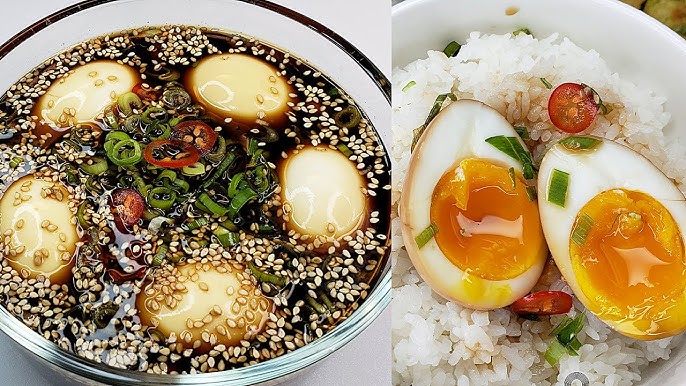
Soy-Marinated Eggs Recipe: Soy-marinated eggs are one of the most irresistible additions to ramen bowls, rice dishes, salads, and savory snacks. These rich, silky, umami-packed eggs combine the softness of perfectly cooked eggs with the deep flavor of a soy-based marinade infused with garlic, ginger, and aromatic seasonings. Whether we serve them alongside noodles or enjoy them as a protein-rich snack, these eggs deliver restaurant-quality flavor with minimal ingredients.
This detailed guide walks through everything needed to create the perfect soy-marinated eggs at home, including ingredient selection, cooking techniques, marinating secrets, storage tips, and serving suggestions.
What Are Soy-Marinated Eggs?
Soy-marinated eggs are soft or medium-boiled eggs soaked in a savory marinade made primarily from soy sauce. Popular in Japanese and Korean cuisine, these eggs are commonly served with ramen and rice bowls. The eggs absorb the rich marinade over several hours, creating a creamy center and intensely flavorful outer layer.
The balance of saltiness, sweetness, and umami makes this recipe one of the easiest ways to elevate simple eggs into a gourmet dish.
Why This Soy-Marinated Eggs Recipe Works Perfectly
This recipe creates eggs that are:
- Soft and jammy inside
- Packed with deep savory flavor
- Easy to prepare ahead
- Perfect for meal prep
- Versatile for many dishes
- Rich in protein
- Restaurant-quality at home
The marinade penetrates the egg whites beautifully while preserving the creamy yolk texture that makes these eggs unforgettable.
Ingredients You’ll Need
To make authentic Soy-Marinated Eggs, gather these simple pantry ingredients.
For the Eggs
- 6 large eggs
- Water for boiling
- Ice water for cooling
For the Soy Marinade
- ½ cup low-sodium soy sauce
- ½ cup water
- 2 tablespoons mirin
- 1 tablespoon rice vinegar
- 2 tablespoons brown sugar or honey
- 2 garlic cloves, minced
- 1 teaspoon fresh ginger, sliced
- 1 teaspoon sesame oil
- 1 green onion, chopped
- ½ teaspoon chili flakes (optional)
Best Ingredients for Maximum Flavor
Soy Sauce
Using low-sodium soy sauce allows better flavor control while preventing the eggs from becoming overly salty. Japanese soy sauce provides the best balanced taste.
Mirin
Mirin adds subtle sweetness and authentic Japanese flavor. It also balances the saltiness of the soy sauce.
Fresh Ginger and Garlic
Fresh aromatics add warmth and complexity to the marinade, making the eggs taste richer and more fragrant.
Brown Sugar or Honey
Sweetness helps round out the umami flavors while enhancing the glossy finish of the eggs.
Step-by-Step Guide to Making Soy-Marinated Eggs
1. Boil the Eggs Properly
Place eggs in a pot and cover them with water. Bring the water to a gentle boil and cook for 6–8 minutes, depending on how soft you want the yolk. Transfer the eggs immediately into ice water to stop the cooking process.
2. Peel the Eggs Carefully
Once the eggs are cool, gently crack and peel off the shells. Peeling under running water helps remove stubborn shell pieces without damaging the eggs.
3. Prepare the Soy Marinade
In a bowl, combine soy sauce, water, a little sugar or honey, minced garlic, and sliced green onions. You can also add sesame oil or chili flakes for extra flavor. Stir until the sugar dissolves completely.
4. Marinate the Eggs
Place the peeled eggs into a container or zip bag and pour the marinade over them. Make sure the eggs are fully covered. Refrigerate for at least 4 hours, though overnight gives the richest flavor and darker color.
5. Serve and Enjoy
Slice the eggs in half and serve with rice, noodles, ramen, or salads. Sprinkle sesame seeds or chopped onions on top for a delicious finishing touch. The eggs stay flavorful in the refrigerator for up to 3 days.
How Long Should Soy-Marinated Eggs Sit?
The longer the eggs marinate, the stronger the flavor becomes. Overnight marination is ideal because it allows the soy mixture to fully infuse into the egg whites without overpowering the yolk.
For the perfect balance of texture and flavor, we recommend marinating for 8 to 12 hours.
Tips for Perfect Soy-Marinated Eggs
Use Room Temperature Eggs
Cold eggs can crack when added directly to boiling water. Let them sit at room temperature for 15 minutes first.
Do Not Overcook
Overcooked eggs develop dry yolks and gray rings. Timing is critical for creamy centers.
Use an Ice Bath Immediately
This preserves the silky texture and stops residual cooking.
Marinate in a Zip Bag
A zip-top bag allows the eggs to remain fully submerged using less marinade.
Turn the Eggs Occasionally
Rotating the eggs during marination creates more even flavor and color.
Best Ways to Serve Soy-Marinated Eggs
These flavorful eggs pair beautifully with many dishes.
Ramen Bowls
The most popular serving method. Slice the eggs in half and place over hot ramen noodles.
Rice Bowls
Serve with steamed rice, sesame seeds, and sautéed vegetables.
Avocado Toast
Add sliced soy-marinated eggs to avocado toast for a protein-rich breakfast.
Salads
These eggs bring incredible flavor to green salads and grain bowls.
Snacks
Enjoy them chilled directly from the refrigerator as a savory high-protein snack.
How to Store Soy-Marinated Eggs
Store the eggs in an airtight container in the refrigerator.
Storage Guidelines
- Best flavor within 3 days
- Safe for up to 5 days refrigerated
- Keep submerged in marinade for maximum freshness
Avoid freezing because the egg whites become rubbery after thawing.
Can We Reuse the Marinade?
The marinade can be reused once if properly handled.
To safely reuse:
- Bring the marinade to a boil
- Simmer for several minutes
- Cool completely before using again
The reused marinade works well for tofu, chicken, or vegetables.
Nutritional Benefits of Soy-Marinated Eggs
Soy-marinated eggs are nutrient-dense and satisfying.
High in Protein
Eggs provide essential amino acids that support muscle recovery and fullness.
Healthy Fats
Egg yolks contain beneficial fats and fat-soluble vitamins.
Low-Carb Friendly
This recipe fits well into low-carb and high-protein meal plans.
Rich in Vitamins
Eggs contain vitamin B12, vitamin D, selenium, and choline.
Flavor Variations to Try
Spicy Soy-Marinated Eggs
Add extra chili oil or Korean gochugaru flakes.
Garlic Lover’s Version
Double the garlic for bold savory flavor.
Sweet Teriyaki Style
Increase honey and add a touch of teriyaki sauce.
Smoky Flavor
Add smoked paprika or a few drops of liquid smoke.
Citrus Infused Eggs
Include orange peel or yuzu zest for brightness.
Common Mistakes to Avoid
Over-Marinating
Leaving eggs too long can make them overly salty.
Skipping the Ice Bath
Without rapid cooling, the eggs continue cooking internally.
Using Dark Soy Sauce Only
Dark soy sauce alone can overpower the flavor and color.
Not Submerging the Eggs Fully
Partial exposure leads to uneven marination.
FAQs about Soy-Marinated Eggs Recipe
1. What are soy-marinated eggs?
Soy-marinated eggs are soft-boiled eggs soaked in a savory mixture of soy sauce, water, sugar, garlic, ginger, and sometimes mirin or rice vinegar. They are flavorful, tender, and commonly served with ramen, rice bowls, or noodles.
2. How long should we marinate soy-marinated eggs?
We should marinate the eggs for at least 4 hours, but for deeper flavor, 8 to 12 hours is best. Avoid marinating for too long because the eggs can become overly salty.
3. Can we use hard-boiled eggs instead?
Yes, we can use hard-boiled eggs, but soft-boiled eggs are preferred because the creamy yolk pairs better with the salty-sweet marinade.
4. How long do soy-marinated eggs last?
Soy-marinated eggs can last about 3 to 4 days in the refrigerator when stored in an airtight container.
5. What can we eat with soy-marinated eggs?
We can serve them with ramen, fried rice, steamed rice, noodles, salads, toast, or rice bowls for extra protein and rich flavor.
Final Thoughts
Soy-marinated eggs combine simplicity with extraordinary flavor. Their silky texture, rich umami taste, and versatility make them one of the most satisfying additions to countless meals. With the right cooking time and a balanced marinade, we can create authentic restaurant-style eggs right in our own kitchen.
Whether paired with ramen, rice bowls, salads, or enjoyed alone, these savory marinated eggs deliver bold flavor in every bite.