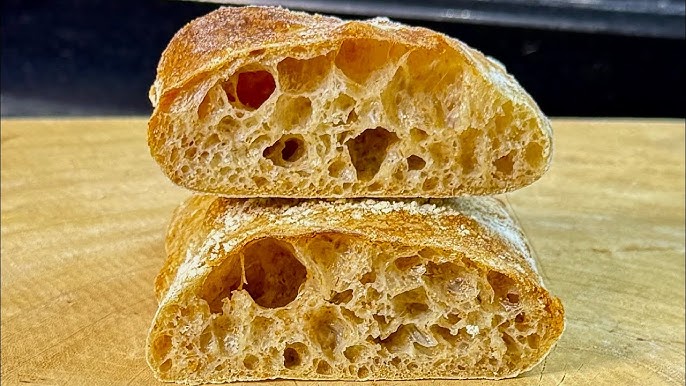
Sourdough Ciabatta Bread Recipe: Few homemade breads compare to the flavor, texture, and aroma of a perfectly baked Sourdough Ciabatta Bread. With its signature open crumb, chewy crust, and rich sourdough flavor, this rustic Italian bread has become a favorite among artisan bread lovers worldwide. Combining the traditional fermentation process of sourdough with the airy structure of ciabatta creates a loaf that is deeply flavorful, light inside, and beautifully crisp outside.
This complete guide walks through every stage of making authentic sourdough ciabatta bread from scratch, including ingredients, fermentation techniques, shaping methods, baking tips, and storage recommendations for bakery-quality results at home.
What Makes Sourdough Ciabatta Bread Special
Unlike standard white bread, sourdough ciabatta relies on natural fermentation instead of commercial yeast alone. The wild yeast and beneficial bacteria inside a mature sourdough starter create a deeper flavor profile and improve the bread’s texture naturally.
Ciabatta bread itself is known for:
- Large airy holes
- Thin crispy crust
- Soft chewy interior
- High hydration dough
- Rustic artisan appearance
When sourdough fermentation is added, the bread develops:
- Better digestibility
- Enhanced flavor complexity
- Longer shelf life
- Superior crust texture
- Natural tangy notes
The result is a bakery-style artisan loaf perfect for sandwiches, dipping in olive oil, bruschetta, toast, or serving alongside soups and pasta dishes.
Ingredients You’ll Need
To make the perfect homemade Sourdough Ciabatta Bread, gather the following ingredients:
For the Sourdough Starter
- 100g active sourdough starter
- 100g bread flour
- 100g water
Your starter should be bubbly, active, and recently fed before beginning the dough.
For the Dough
- 500g bread flour
- 400g warm water
- 100g active sourdough starter
- 10g sea salt
- 10g olive oil
Best Flour for Sourdough Ciabatta
Choosing the right flour is critical for achieving the classic ciabatta texture.
Recommended Flour Types
Bread Flour
High-protein bread flour produces the best gluten structure and helps create large air pockets.
Tipo 00 Flour
Italian-style flour creates a softer crumb and delicate texture.
Whole Wheat Flour
Adding a small amount introduces nuttiness and depth without making the loaf dense.
For the best results, many bakers combine:
- 80% bread flour
- 20% whole wheat or Tipo 00 flour
Essential Equipment
To make artisan-quality sourdough ciabatta bread, prepare the following tools:
- Large mixing bowl
- Dough scraper
- Kitchen scale
- Banneton or proofing basket
- Baking stone or Dutch oven
- Parchment paper
- Bench scraper
- Spray bottle
- Cooling rack
Using a digital scale improves consistency and hydration accuracy significantly.
How to Prepare the Sourdough Starter
A healthy starter determines the success of the bread.
Step 1: Feed the Starter
Feed your sourdough starter about 4–6 hours before mixing the dough.
Step 2: Check Activity
The starter should:
- Double in size
- Appear bubbly
- Smell slightly tangy
- Float in water
An active starter ensures strong fermentation and excellent oven spring.
Step-by-Step Guide to Making Sourdough Ciabatta Bread
1. Prepare the Starter and Dough
In a large bowl, mix active sourdough starter, bread flour, water, and salt. Ciabatta dough should be very wet and sticky, so avoid adding too much extra flour.
2. Rest and Stretch the Dough
Cover the bowl and let the dough rest for about 30 minutes. Then perform gentle stretch and folds every 30 minutes for 2–3 hours. This helps build strength without heavy kneading.
3. Let the Dough Ferment
Allow the dough to rise at room temperature until it becomes bubbly, airy, and slightly increased in size. This slow fermentation gives sourdough ciabatta its deep flavor and open crumb.
4. Shape the Ciabatta
Transfer the dough onto a well-floured surface. Handle it gently to keep the air bubbles inside. Divide into rectangular pieces and place them on parchment paper or a floured baking tray.
5. Bake Until Golden
Bake in a hot oven at 220°C–230°C until the bread is golden brown with a crisp crust. Let it cool before slicing so the inside stays soft, chewy, and airy.
Tips for Perfect Sourdough Ciabatta Bread
Use High Hydration Dough
Wet dough creates the open crumb ciabatta is known for.
Do not add excessive flour during mixing.
Avoid Overhandling
Gentle handling preserves the internal air pockets.
Use Steam During Baking
Steam helps produce:
- Thin crust
- Better expansion
- Glossy exterior
Allow Long Fermentation
Slow fermentation enhances flavor complexity significantly.
Preheat Thoroughly
An adequately heated oven creates proper oven spring and crust formation.
Common Mistakes to Avoid
Using Weak Starter
Inactive starter leads to dense bread and poor rise.
Adding Too Much Flour
Dry dough destroys ciabatta’s signature airy texture.
Skipping Stretch and Folds
Folding builds gluten naturally without heavy kneading.
Overproofing
Excessive proofing weakens dough structure and causes collapse.
Cutting Bread Too Early
Fresh bread continues setting internally while cooling.
How to Store Sourdough Ciabatta Bread
Proper storage keeps bread fresh longer.
Room Temperature
Store in a paper bag or bread box for:
- Up to 2 days
Freezing
Wrap tightly and freeze for:
- Up to 3 months
Reheat directly in the oven for fresh-baked texture.
Serving Ideas for Sourdough Ciabatta
This artisan bread pairs beautifully with many dishes.
Best Ways to Serve
- Olive oil and balsamic vinegar
- Gourmet sandwiches
- Garlic bread
- Bruschetta
- Soup accompaniment
- Toast with avocado
- Paninis
- Breakfast toast
Its chewy texture and crisp crust make it versatile for countless recipes.
Nutritional Benefits of Sourdough Bread
Naturally fermented bread offers several benefits compared to conventional bread.
Advantages Include
- Easier digestion
- Reduced phytic acid
- Better nutrient absorption
- Lower glycemic response
- Natural preservation
- Rich flavor without additives
Sourdough fermentation also contributes beneficial organic acids that improve shelf life naturally.
Why Homemade Sourdough Ciabatta Is Better Than Store-Bought
Homemade artisan bread delivers:
- Superior flavor
- Better texture
- No preservatives
- Fresh ingredients
- Authentic fermentation
- Customizable hydration and flour blends
Many commercial ciabatta breads use shortcuts that sacrifice flavor and texture.
Authentic sourdough ciabatta remains unmatched in both quality and taste.
FAQs about Sourdough Ciabatta Bread Recipe
1. What makes sourdough ciabatta different from regular ciabatta?
Sourdough ciabatta uses a natural sourdough starter instead of commercial yeast. This gives the bread a deeper flavor, slightly tangy taste, chewy texture, and beautiful open crumb.
2. Why is my ciabatta dough so wet and sticky?
Ciabatta dough has high hydration, meaning it contains a lot of water. This wet dough helps create large air holes and a light, airy texture. Avoid adding too much flour.
3. How long does sourdough ciabatta take to make?
It usually takes 12 to 24 hours, depending on your starter strength and room temperature. Most of the time is for fermentation, not active work.
4. Can I make sourdough ciabatta without a stand mixer?
Yes. You can use the stretch-and-fold method by hand. This helps build gluten strength without heavy kneading.
5. How do I store sourdough ciabatta?
Store it at room temperature in a paper bag or wrapped in a clean towel for 1–2 days. For longer storage, slice and freeze it.
Final Thoughts
Mastering Sourdough Ciabatta Bread transforms ordinary homemade bread into true artisan baking. With its airy crumb, crispy crust, and naturally fermented flavor, this rustic Italian loaf delivers exceptional texture and taste that rivals professional bakeries.
By using quality ingredients, practicing gentle dough handling, and allowing proper fermentation, we can consistently create beautiful sourdough ciabatta bread with outstanding flavor and structure. Whether served fresh with olive oil, turned into sandwiches, or toasted for breakfast, this bread remains one of the most rewarding recipes for any home baker seeking authentic artisan results.