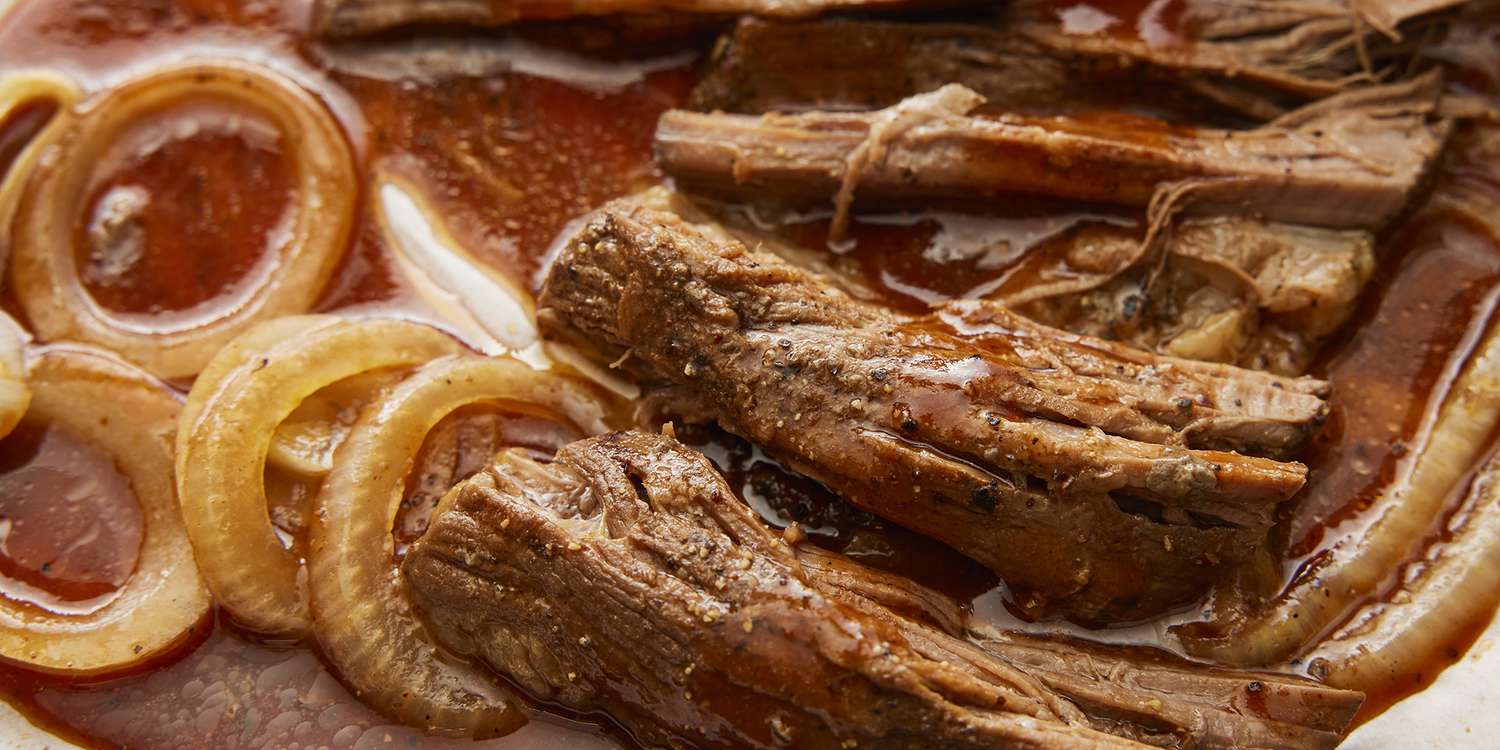
Smoked Brisket Recipe: A perfectly cooked smoked brisket delivers deep smoky flavor, a rich bark, and melt-in-your-mouth tenderness that makes every bite unforgettable. Whether we are preparing brisket for a backyard barbecue, family gathering, or weekend cookout, mastering the smoking process transforms a tough cut of beef into a legendary dish packed with flavor.
This complete guide covers everything needed to create the best Texas-style smoked brisket recipe, from choosing the right cut to seasoning, smoking, wrapping, resting, and slicing like a professional pitmaster.
Ingredients You’ll Need for Smoked Brisket
To make the perfect homemade Smoked Brisket, gather the following ingredients:
Main Ingredients
- 1 whole beef brisket (10–14 pounds)
- 2 tablespoons kosher salt
- 2 tablespoons coarse black pepper
- 1 tablespoon garlic powder
- 1 tablespoon onion powder
- 1 teaspoon smoked paprika
- 1 teaspoon cayenne pepper (optional for heat)
- 2 tablespoons yellow mustard or olive oil (binder)
Wood for Smoking
Choose hardwoods for authentic barbecue flavor:
- Oak wood
- Hickory wood
- Mesquite wood
- Pecan wood
- Cherry wood
Optional Spritz
- Apple cider vinegar
- Beef broth
- Apple juice
How to Choose the Best Brisket
Selecting the right brisket is the foundation of a successful smoked brisket recipe.
Look for Prime or Choice Grade Beef
Higher-quality brisket contains better marbling, which creates tenderness and moisture during the long smoking process.
Pick a Full Packer Brisket
A whole brisket includes:
- The flat – lean and slices beautifully
- The point – fattier and more flavorful
Check Flexibility
A brisket that bends easily usually contains excellent fat distribution and cooks more evenly.
Preparing the Brisket Before Smoking
Step 1: Trim the Fat
Use a sharp knife to trim excess hard fat. Leave approximately ¼ inch of fat cap to keep the brisket moist during smoking.
Remove:
- Thick hard fat
- Silver skin
- Loose edges that may burn
Step 2: Apply the Binder
Coat the brisket lightly with yellow mustard or olive oil. This helps the seasoning stick evenly without affecting flavor.
Step 3: Season Generously
Combine:
- Salt
- Black pepper
- Garlic powder
- Onion powder
- Paprika
- Cayenne
Cover every side of the brisket evenly for a bold bark and balanced flavor.
Allow the brisket to rest at room temperature for about 30–45 minutes before placing it on the smoker.
Best Smoker Temperature for Brisket
Maintaining the correct smoker temperature is essential for tender smoked brisket.
Ideal Smoking Temperature
Keep the smoker between:
- 225°F to 250°F
Low and slow cooking breaks down connective tissue gradually, producing juicy and tender meat.
Step-by-Step Guide to Smoking Brisket
Step 1: Preheat the Smoker
Preheat the smoker to 225°F.
Add hardwood chunks or pellets to generate steady smoke. Thin blue smoke creates the best flavor without bitterness.
Step 2: Place the Brisket on the Smoker
Place the brisket:
- Fat side up for offset smokers
- Fat side down if heat comes from below
Insert a meat thermometer into the thickest section of the flat.
Smoke uncovered for several hours until the bark develops.
Step 3: Spritz the Brisket
After the first 3–4 hours, lightly spritz the brisket every hour using:
- Apple cider vinegar
- Beef broth
- Apple juice
This helps maintain moisture and enhances bark development.
Step 4: Smoke Until the Stall
The brisket temperature will rise steadily until it reaches approximately:
- 160°F to 170°F
At this stage, evaporation causes the internal temperature to stall for several hours.
This is completely normal during brisket smoking.
Step 5: Wrap the Brisket
Wrap the brisket tightly using:
- Pink butcher paper for better bark
- Aluminum foil for faster cooking
Wrapping helps preserve moisture and pushes the brisket through the stall.
Return the wrapped brisket to the smoker.
Step 6: Continue Smoking Until Tender
Continue cooking until the internal temperature reaches:
- 200°F to 205°F
More important than exact temperature is tenderness. A probe should slide into the meat with almost no resistance.
Step 7: Rest the Brisket
Resting is one of the most critical steps.
Place the wrapped brisket inside a cooler or warm oven and let it rest for:
- 1 to 2 hours
This allows juices to redistribute evenly throughout the meat.
Skipping the resting stage may result in dry brisket.
How to Slice Smoked Brisket Properly
Slice Against the Grain
Always slice against the grain to maximize tenderness.
For the Flat
Cut thin slices approximately pencil-width thick.
For the Point
Slice slightly thicker or cube for burnt ends.
How to Make Smoked Brisket Burnt Ends
Burnt ends are flavorful cubes made from the brisket point.
Steps for Burnt Ends
- Cut point meat into cubes
- Toss with barbecue sauce
- Return to smoker
- Smoke for another 1–2 hours
The result is sticky, smoky, caramelized beef bites loaded with flavor.
Best Side Dishes for Smoked Brisket
A rich brisket pairs perfectly with classic barbecue sides.
Popular Side Dishes
- Mac and cheese
- Coleslaw
- Baked beans
- Potato salad
- Cornbread
- Grilled vegetables
- Pickles and onions
- Creamy mashed potatoes
Common Smoked Brisket Mistakes to Avoid
Cooking at High Temperatures
High heat dries out brisket and toughens the meat.
Skipping the Resting Stage
Resting is essential for juicy brisket.
Using Too Much Smoke
Heavy smoke creates bitterness instead of balanced flavor.
Slicing With the Grain
Incorrect slicing makes even perfectly cooked brisket chewy.
Underseasoning
Brisket requires generous seasoning because of its size.
How Long Does It Take to Smoke Brisket?
Cooking time depends on:
- Size of brisket
- Smoker temperature
- Weather conditions
Average Smoking Time
Estimate approximately:
- 1 to 1.5 hours per pound at 225°F
A 12-pound brisket may require:
- 12–18 hours total
Patience is essential for authentic barbecue results.
Best Wood for Smoked Brisket
Oak
Balanced smoke flavor ideal for Texas barbecue.
Hickory
Strong smoky taste with bold aroma.
Mesquite
Intense earthy smoke best used moderately.
Pecan
Mild nutty flavor that complements beef beautifully.
Cherry
Adds subtle sweetness and rich color to the bark.
Storage and Reheating Tips
How to Store Smoked Brisket
Store leftovers in an airtight container for:
- Up to 4 days in the refrigerator
How to Freeze Brisket
Wrap tightly and freeze for:
- Up to 3 months
Best Way to Reheat
Reheat slowly at:
- 275°F in the oven
Add a little beef broth to maintain moisture.
Why This Smoked Brisket Recipe Works
This smoked brisket recipe creates:
- Deep smoky flavor
- Perfect bark formation
- Tender slices
- Juicy texture
- Authentic barbecue taste
The combination of low temperatures, proper seasoning, wrapping, and resting produces restaurant-quality brisket every time.
FAQs about Smoked Brisket Recipe
1. What is the best cut of beef for smoked brisket?
The best cut is a whole packer brisket, which includes both the flat and point. It gives the best balance of tenderness, juiciness, and flavor.
2. How long does it take to smoke brisket?
Smoked brisket usually takes 10 to 16 hours, depending on the size of the meat, smoker temperature, and thickness of the brisket.
3. What temperature should brisket be smoked at?
We recommend smoking brisket at 225°F to 250°F for slow, even cooking and deep smoky flavor.
4. When is smoked brisket done?
Brisket is done when it reaches about 195°F to 205°F internal temperature and feels tender when probed.
5. Should brisket rest after smoking?
Yes. Resting brisket for at least 1 hour helps the juices redistribute, making the meat more tender, moist, and easier to slice.
Final Thoughts
A perfectly prepared smoked brisket represents true barbecue craftsmanship. From selecting a well-marbled brisket to maintaining steady smoker temperatures and allowing enough resting time, every step contributes to rich smoky flavor and exceptional tenderness.
Once mastered, this recipe becomes the centerpiece of unforgettable cookouts, family gatherings, and special occasions. The irresistible bark, juicy interior, and authentic wood-smoked aroma make homemade brisket one of the most rewarding barbecue dishes we can prepare.