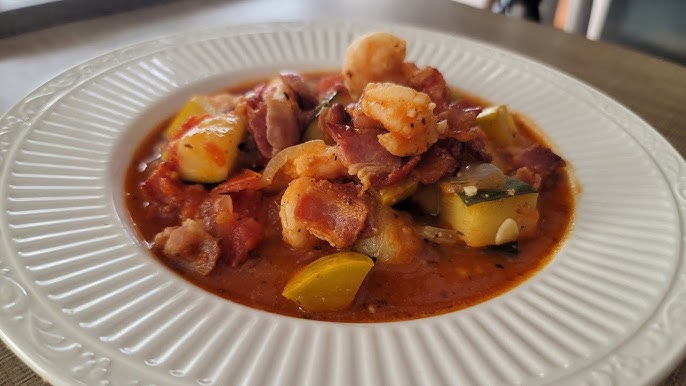
Shrimp Stew Recipe: A rich and flavorful shrimp stew is one of the most satisfying seafood dishes we can prepare at home. Packed with juicy shrimp, aromatic vegetables, bold seasonings, and a thick savory broth, this comforting meal delivers restaurant-quality flavor in every spoonful. Whether served with white rice, crusty bread, mashed potatoes, or pasta, shrimp stew creates a hearty and unforgettable dining experience.
This recipe combines fresh shrimp with tomatoes, garlic, onions, herbs, and spices to produce a deeply seasoned stew that tastes slow-cooked and authentic. The balance of sweetness from shrimp and acidity from tomatoes creates a rich flavor profile that works perfectly for lunch or dinner.
Why This Shrimp Stew Recipe Stands Out
This shrimp stew recipe is:
- Rich and deeply flavorful
- Easy to prepare
- Perfect for weeknight dinners
- Loaded with protein
- Customizable with vegetables and spices
- Ideal for family meals or special occasions
The secret to an excellent shrimp stew lies in layering flavors gradually. We sauté the aromatics first, build a savory tomato base, season generously, and finally cook the shrimp just until tender and juicy.
Ingredients You’ll Need
To make the best homemade Shrimp Stew, gather the following ingredients:
Main Ingredients
- 1½ pounds large shrimp, peeled and deveined
- 2 tablespoons olive oil
- 1 medium onion, finely chopped
- 1 red bell pepper, diced
- 1 green bell pepper, diced
- 4 cloves garlic, minced
- 2 celery stalks, chopped
- 1 can crushed tomatoes (14 ounces)
- 2 tablespoons tomato paste
- 3 cups seafood stock or chicken broth
- 1 teaspoon paprika
- 1 teaspoon smoked paprika
- ½ teaspoon cayenne pepper
- 1 teaspoon dried thyme
- 1 teaspoon oregano
- 1 bay leaf
- Salt and black pepper to taste
- 1 teaspoon Worcestershire sauce
- 1 teaspoon hot sauce (optional)
- 2 tablespoons fresh parsley, chopped
- 1 tablespoon lemon juice
Optional Additions for Extra Flavor
We can elevate the stew further with:
- Corn kernels
- Okra slices
- Potatoes
- Carrots
- Coconut milk
- Sausage slices
- Fresh basil
- Red pepper flakes
These additions create different regional variations and richer textures.
Best Shrimp for Shrimp Stew
Fresh or frozen shrimp both work beautifully. The best choices include:
Large Shrimp
Large shrimp remain juicy and tender during cooking while adding a satisfying bite.
Wild-Caught Shrimp
Wild-caught shrimp often have a sweeter and cleaner flavor.
Raw Shrimp
Raw shrimp absorb the stew’s seasonings much better than pre-cooked shrimp.
How to Prepare Shrimp Properly
Before cooking, we should:
- Peel the shrimp
- Remove the vein
- Rinse gently under cold water
- Pat dry with paper towels
- Season lightly with salt, pepper, and paprika
Proper preparation ensures the shrimp remain tender and flavorful.
Step-by-Step Guide to Making Shrimp Stew
1. Prepare the Ingredients
Wash and season fresh shrimp with salt, black pepper, garlic, and paprika. Chop onions, tomatoes, bell peppers, and fresh herbs. Gather tomato paste, stock, and cooking oil for a rich and flavorful stew base.
2. Cook the Vegetables
Heat oil in a pot over medium heat. Add chopped onions and cook until soft and fragrant. Stir in garlic, tomatoes, bell peppers, and tomato paste. Allow the mixture to simmer for a few minutes until thick and well combined.
3. Add Seasoning and Stock
Pour in seafood or chicken stock and season with thyme, curry powder, chili flakes, and a little salt. Stir thoroughly and let the sauce simmer gently so the flavors blend together perfectly.
4. Cook the Shrimp
Add the seasoned shrimp into the simmering sauce. Cook for about 5–7 minutes until the shrimp turn pink and tender. Avoid overcooking to keep the shrimp juicy and flavorful.
5. Garnish and Serve
Finish the stew with fresh parsley or green onions for extra freshness. Serve hot with white rice, bread, boiled yam, or pasta for a delicious and satisfying meal.
How to Serve Shrimp Stew
This shrimp stew pairs perfectly with many side dishes.
Best Serving Options
Steamed White Rice
Rice absorbs the flavorful broth beautifully.
Crusty Bread
Bread helps scoop up every drop of the savory stew.
Mashed Potatoes
Creamy potatoes complement the spicy tomato base.
Pasta
Serve the stew over linguine or spaghetti for a seafood pasta variation.
Cornbread
Southern-style cornbread adds sweetness and texture.
Tips for the Best Shrimp Stew
Use Fresh Aromatics
Fresh onions, garlic, and herbs dramatically improve the final flavor.
Do Not Overcook the Shrimp
Cook shrimp only until pink and opaque.
Simmer Slowly
Allowing the broth to simmer slowly develops deeper flavors.
Season in Layers
Adding seasoning throughout cooking creates a balanced stew.
Use Seafood Stock
Seafood stock intensifies the ocean flavor and richness.
Delicious Variations of Shrimp Stew
Spicy Cajun Shrimp Stew
Add:
- Cajun seasoning
- Andouille sausage
- Extra cayenne pepper
This version delivers bold Southern flavor.
Creamy Coconut Shrimp Stew
Add one cup of coconut milk for a rich tropical twist.
The coconut balances spicy ingredients beautifully.
Mediterranean Shrimp Stew
Include:
- Olives
- Basil
- Feta cheese
- White wine
This variation creates a bright and elegant flavor profile.
West African-Style Shrimp Stew
Use:
- Scotch bonnet peppers
- Curry powder
- Bell peppers
- Palm oil
Serve with rice or yam for an authentic African-inspired meal.
How to Store Shrimp Stew
Refrigerator Storage
Store in an airtight container for up to 3 days.
Freezer Storage
Freeze for up to 2 months.
For best texture, slightly undercook the shrimp before freezing.
How to Reheat Shrimp Stew
Reheat gently over low heat on the stove.
Avoid boiling because it can overcook the shrimp and toughen them.
Add a splash of broth if the stew becomes too thick.
Nutritional Benefits of Shrimp Stew
Shrimp stew is packed with nutrients.
High Protein Content
Shrimp provides lean protein that supports muscle growth and repair.
Rich in Vitamins
Vegetables add vitamins A, C, and K.
Low in Calories
Shrimp is naturally low in calories while remaining filling and nutritious.
Omega-3 Fatty Acids
Seafood contains beneficial fatty acids that support heart health.
Common Mistakes to Avoid
Overcooking the Shrimp
The most common mistake results in tough shrimp.
Using Too Much Salt Early
Broth reduces during simmering, intensifying saltiness.
Skipping the Simmering Process
Proper simmering develops deeper flavor.
Using Watery Tomatoes
High-quality tomatoes create a richer and thicker stew.
FAQs about Shrimp Stew Recipe
1. Can we use frozen shrimp for shrimp stew?
Yes, we can use frozen shrimp, but we should thaw it properly and pat it dry before cooking. This helps the shrimp cook evenly and prevents excess water from thinning the stew.
2. How long should shrimp cook in stew?
Shrimp cooks very quickly. We should add it near the end and cook for about 3–5 minutes, or until it turns pink and firm. Overcooking can make shrimp rubbery.
3. What can we serve with shrimp stew?
Shrimp stew pairs well with white rice, pasta, mashed potatoes, boiled yam, plantain, or crusty bread. Rice is one of the best options because it absorbs the rich sauce beautifully.
4. How can we make shrimp stew thicker?
To thicken shrimp stew, we can simmer the tomato sauce longer, use less water or stock, or add a small amount of tomato paste. Cooking uncovered also helps reduce excess liquid.
5. Can shrimp stew be stored?
Yes. We can store shrimp stew in an airtight container in the refrigerator for up to 2–3 days. Reheat gently on low heat so the shrimp does not become tough.
Final Thoughts
A warm bowl of homemade shrimp stew delivers incredible comfort, bold seafood flavor, and satisfying richness. With tender shrimp, perfectly seasoned broth, and fresh vegetables, this dish becomes an instant favorite for seafood lovers.
Whether prepared as a quick family dinner or a special weekend meal, shrimp stew remains one of the most versatile and delicious seafood recipes we can make from scratch. The combination of savory broth, aromatic herbs, and juicy shrimp creates a deeply comforting dish that tastes both hearty and elegant.