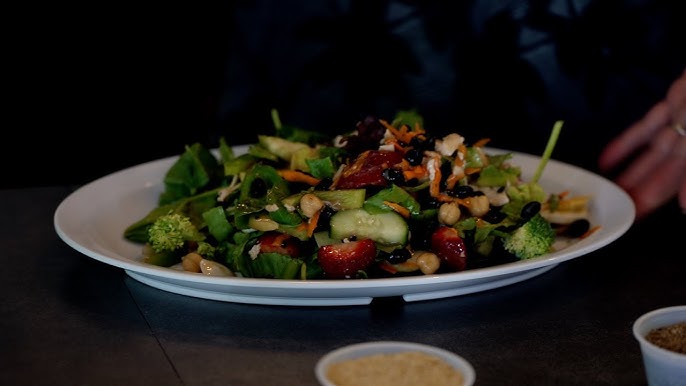
Sesame Salad Dressing Recipe: Sesame salad dressing is a rich, nutty, flavorful dressing that instantly transforms ordinary salads into restaurant-quality dishes. With its smooth texture, balanced sweetness, and deep toasted sesame flavor, this dressing works perfectly for fresh vegetable salads, noodle bowls, grilled chicken salads, seafood dishes, and Asian-inspired meals. The combination of sesame oil, soy sauce, rice vinegar, and honey creates a savory and slightly sweet profile that coats every ingredient beautifully.
This homemade sesame salad dressing recipe is quick to prepare, healthier than many store-bought options, and packed with authentic flavor. Once we make it from scratch, it becomes easy to customize the texture, sweetness, saltiness, and intensity according to personal taste.
Why Homemade Sesame Salad Dressing Is Better
Making sesame salad dressing at home gives us complete control over the quality of ingredients and flavor balance. Many bottled dressings contain preservatives, artificial flavors, excess sodium, and unnecessary sugars. Homemade dressing tastes fresher, richer, and more vibrant.
The natural nuttiness of toasted sesame oil combined with roasted sesame seeds creates a deeply aromatic dressing that enhances vegetables without overpowering them. Fresh garlic and ginger add brightness, while soy sauce contributes savory umami flavor.
Homemade sesame dressing is also incredibly versatile. We can use it as:
- A salad dressing
- A dipping sauce
- A marinade for chicken or fish
- A drizzle for rice bowls
- A noodle sauce
- A topping for roasted vegetables
Ingredients You’ll Need
To prepare the perfect Sesame Salad Dressing, we gather the following ingredients:
Main Ingredients
- 3 tablespoons toasted sesame oil
- 2 tablespoons soy sauce
- 2 tablespoons rice vinegar
- 1 tablespoon honey
- 1 tablespoon mayonnaise
- 1 tablespoon toasted sesame seeds
- 1 teaspoon fresh grated ginger
- 1 garlic clove, minced
- 1 teaspoon Dijon mustard
- 2 tablespoons olive oil
- 1 teaspoon sugar
- 2 tablespoons water
Optional Ingredients for Extra Flavor
- Red pepper flakes for heat
- Lime juice for brightness
- Green onions for freshness
- Peanut butter for a creamier texture
- Mirin for authentic Japanese sweetness
- Chili oil for spicy sesame dressing
Choosing the Best Sesame Oil
The quality of sesame oil significantly affects the final flavor of the dressing. Toasted sesame oil has a darker color and a stronger nutty aroma compared to regular sesame oil. For the best results, we use toasted sesame oil because it delivers a deeper and more authentic flavor.
A little sesame oil goes a long way due to its concentrated richness. Combining it with olive oil helps balance the intensity while keeping the dressing smooth and light.
How to Toast Sesame Seeds Properly
Freshly toasted sesame seeds enhance both flavor and texture. Although pre-toasted sesame seeds work well, lightly toasting them at home releases natural oils and boosts aroma.
Simple Toasting Method
- Heat a dry skillet over medium heat.
- Add sesame seeds in a single layer.
- Stir continuously for 2–3 minutes.
- Remove once golden brown and fragrant.
Avoid overcooking because sesame seeds burn quickly and develop bitterness.
Step-by-Step Guide to Making Sesame Salad Dressing
1. Gather Your Ingredients
We start by preparing all the ingredients needed. You will need sesame seeds, soy sauce, sesame oil, mayonnaise, rice vinegar, honey, and a little water. Using fresh toasted sesame seeds gives the dressing a rich and nutty flavor.
2. Toast and Crush the Sesame Seeds
Lightly toast the sesame seeds in a dry pan for 2–3 minutes until fragrant. Allow them to cool slightly, then crush them using a mortar and pestle or blender. This helps release the natural oils and boosts the flavor.
3. Mix the Liquid Ingredients
In a medium bowl, combine soy sauce, sesame oil, rice vinegar, mayonnaise, and honey. Whisk everything together until the mixture becomes smooth and creamy.
4. Add the Crushed Sesame Seeds
Stir the crushed sesame seeds into the dressing mixture. Add a small amount of water if the dressing feels too thick. Continue whisking until all ingredients are evenly blended.
5. Chill and Serve
Place the dressing in the refrigerator for about 10–15 minutes before serving. This allows the flavors to combine beautifully. Drizzle it over fresh salads, grilled vegetables, or chicken for a delicious meal.
Best Salads to Pair with Sesame Dressing
Sesame salad dressing pairs perfectly with many ingredients and cuisines. Its savory-sweet profile complements fresh vegetables, proteins, and grains exceptionally well.
Fresh Green Salad
Use the dressing with:
- Lettuce
- Cucumbers
- Carrots
- Cherry tomatoes
- Avocado
The dressing enhances the crisp freshness of vegetables without overwhelming them.
Asian Chicken Salad
Combine:
- Shredded cabbage
- Grilled chicken
- Carrots
- Bell peppers
- Crispy wontons
The sesame dressing creates a bold restaurant-style flavor.
Cold Noodle Salad
Drizzle the dressing over:
- Soba noodles
- Rice noodles
- Cucumbers
- Green onions
- Edamame
This creates a refreshing and satisfying meal.
Seafood Salad
Sesame dressing complements seafood beautifully, especially:
- Shrimp
- Seared tuna
- Salmon
- Crab
The nutty flavor balances delicate seafood textures perfectly.
Tips for the Best Sesame Salad Dressing
Use Fresh Ginger
Fresh ginger delivers brighter flavor than powdered ginger. It adds warmth and freshness that bottled dressings often lack.
Balance Sweetness Carefully
Honey adds natural sweetness, but the amount can be adjusted depending on preference. For a sweeter dressing, add extra honey or mirin.
Whisk Thoroughly
Proper whisking creates a smooth and creamy dressing. Oil and vinegar naturally separate, so emulsifying them correctly improves texture.
Store Properly
Store the dressing in an airtight container or glass jar in the refrigerator for up to one week.
Shake well before serving because natural separation may occur.
Healthy Benefits of Sesame Dressing
Sesame seeds and sesame oil contain beneficial nutrients that support overall wellness.
Rich in Healthy Fats
Sesame oil contains heart-friendly unsaturated fats that support balanced nutrition.
Contains Antioxidants
Sesame seeds contain antioxidants that help protect cells from oxidative stress.
Good Source of Minerals
Sesame seeds provide:
- Calcium
- Magnesium
- Iron
- Zinc
These nutrients contribute to bone health and immune support.
Common Mistakes to Avoid
Using Too Much Sesame Oil
Sesame oil is powerful. Excessive amounts can overpower the dressing and make it taste bitter.
Skipping the Emulsification
Failing to whisk the dressing properly results in oily separation and uneven flavor.
Overloading with Soy Sauce
Too much soy sauce makes the dressing overly salty. Balance is essential for a smooth flavor profile.
Using Untoasted Sesame Seeds
Untoasted sesame seeds lack the rich nutty aroma that defines authentic sesame dressing.
Variations of Sesame Salad Dressing
Creamy Sesame Dressing
Add:
- Extra mayonnaise
- Greek yogurt
- Peanut butter
This version works beautifully as a dipping sauce.
Spicy Sesame Dressing
Mix in:
- Chili flakes
- Sriracha
- Chili oil
Perfect for spicy noodle bowls and grilled meats.
Japanese-Style Sesame Dressing
Use:
- Mirin
- White miso paste
- Japanese mayonnaise
This creates a deeply authentic restaurant-style flavor.
How to Serve Sesame Salad Dressing
This dressing tastes best when chilled for at least 20 minutes before serving. Chilling allows the flavors to blend fully and intensify.
Serve it with:
- Fresh salads
- Rice bowls
- Grilled vegetables
- Chicken skewers
- Sushi bowls
- Roasted broccoli
- Cabbage slaw
The creamy, nutty flavor instantly enhances almost any savory dish.
FAQs about Sesame Salad Dressing Recipe
1. What is sesame salad dressing made of?
Sesame salad dressing is commonly made with sesame oil, soy sauce, rice vinegar, honey or sugar, garlic, ginger, and toasted sesame seeds. Some versions also include mayonnaise or tahini for a creamier texture.
2. Can we make sesame salad dressing without soy sauce?
Yes. We can replace soy sauce with coconut aminos or a light mix of salt and water. This keeps the dressing flavorful while reducing the strong soy taste.
3. How long does sesame salad dressing last?
Homemade sesame salad dressing can last about 5 to 7 days in the refrigerator when stored in a clean, airtight jar. Shake well before using because the ingredients may separate.
4. What salads go best with sesame dressing?
Sesame dressing works well with green salads, cabbage slaw, cucumber salad, chicken salad, noodle salad, and Asian-inspired vegetable bowls. It adds a nutty, slightly sweet, and savory flavor.
5. Can sesame salad dressing be used as a marinade?
Yes. Sesame salad dressing can also be used as a marinade for chicken, beef, tofu, fish, or vegetables. The vinegar and soy sauce help add flavor, while sesame oil gives a rich aroma.
Final Thoughts
Homemade sesame salad dressing delivers bold flavor, creamy texture, and incredible versatility using simple pantry ingredients. The combination of toasted sesame oil, soy sauce, garlic, ginger, and sesame seeds creates a balanced dressing that works for salads, noodles, vegetables, and proteins.
Once we prepare this dressing from scratch, it becomes a reliable recipe that elevates everyday meals with authentic flavor and freshness. With the perfect balance of savory, sweet, tangy, and nutty notes, sesame salad dressing remains one of the most delicious homemade dressings for modern kitchens.