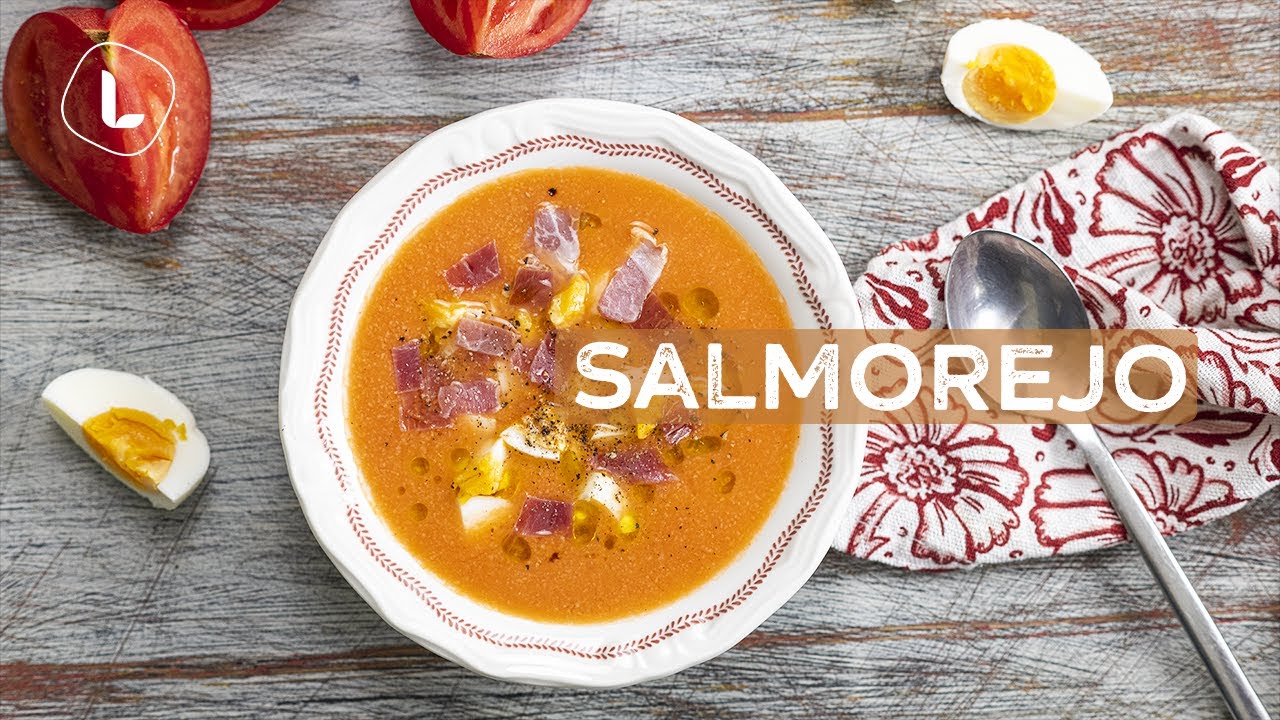
Salmorejo Recipe: Salmorejo is one of Spain’s most beloved cold soups, originating from Córdoba in the Andalusia region. Rich, creamy, refreshing, and deeply flavorful, this tomato-based dish is thicker than gazpacho and is traditionally served chilled with hard-boiled eggs and cured ham. Its velvety texture and vibrant taste make it an exceptional appetizer, light lunch, or refreshing summer dinner.
This authentic salmorejo recipe combines ripe tomatoes, crusty bread, extra virgin olive oil, garlic, and simple garnishes to create a dish bursting with Mediterranean flavor. With the right ingredients and technique, we can prepare restaurant-quality salmorejo right at home.
What Is Salmorejo?
Salmorejo is a traditional Spanish cold soup known for its smooth texture and intense tomato flavor. Unlike gazpacho, salmorejo contains more bread and olive oil, resulting in a creamy consistency similar to a chilled tomato purée.
This iconic dish is usually served cold and topped with:
- Diced jamón serrano
- Hard-boiled eggs
- Extra virgin olive oil
The simplicity of salmorejo is what makes it extraordinary. Every ingredient contributes directly to the flavor and texture, making ingredient quality essential.
Ingredients You’ll Need
To prepare authentic salmorejo, gather the following ingredients:
Main Ingredients
- 1 kg ripe tomatoes
- 200 g crusty white bread
- 100 ml extra virgin olive oil
- 1 garlic clove
- 1 teaspoon salt
- 1 tablespoon sherry vinegar (optional)
Traditional Garnishes
- 2 hard-boiled eggs
- 50 g jamón serrano
- Extra olive oil for drizzling
Best Tomatoes for Salmorejo
The tomatoes are the heart of this recipe. We achieve the best results using:
- Roma tomatoes
- Vine-ripened tomatoes
- Pear tomatoes
- Heirloom tomatoes
Choose tomatoes that are:
- Deep red
- Juicy
- Sweet
- Fully ripe
Avoid underripe tomatoes because they create an acidic and less flavorful soup.
How to Prepare the Bread Properly
Bread gives salmorejo its famous creamy consistency. Traditional Spanish recipes use stale rustic bread with the crust removed.
Best Bread Options
- Rustic country bread
- French baguette
- Ciabatta
- White artisan bread
Preparation Tips
- Remove tough crusts if desired.
- Tear the bread into chunks.
- Let it soak in tomato juice before blending.
This technique creates the silky texture associated with authentic Andalusian salmorejo.
Step-by-Step Guide to Making Salmorejo
Step 1: Gather Your Ingredients
We begin by preparing fresh ingredients. You will need ripe tomatoes, stale bread, garlic, olive oil, salt, and hard-boiled eggs with ham for garnish. Using quality olive oil gives the dish its authentic Spanish flavor.
Step 2: Prepare the Tomatoes
Wash and chop the tomatoes into small pieces. Blend them until smooth. For an extra silky texture, we can strain the mixture to remove seeds and skin, although this step is optional.
Step 3: Add Bread and Garlic
Place the bread and garlic into the blended tomatoes. Let the bread soak for a few minutes so it softens completely. Blend again until the mixture becomes thick and creamy.
Step 4: Mix in Olive Oil
Slowly pour olive oil into the blender while mixing continuously. This creates the rich, velvety texture that makes Salmorejo famous. Add salt to taste and refrigerate for at least one hour before serving.
Step 5: Garnish and Serve
Pour the chilled Salmorejo into bowls. Top with chopped hard-boiled eggs and diced cured ham for traditional flavor. Drizzle a little olive oil on top and serve cold with crusty bread for a refreshing Spanish meal.
How to Serve Salmorejo
Traditional Spanish Garnishes
Serve salmorejo chilled in bowls or small glasses.
Top with:
- Chopped hard-boiled eggs
- Diced jamón serrano
- A drizzle of olive oil
These toppings add texture, richness, and savory depth.
Tips for the Perfect Salmorejo
Use High-Quality Olive Oil
Extra virgin olive oil is one of the defining flavors in salmorejo.
Choose fruity, smooth, high-quality olive oil for the best result.
Do Not Skip the Chilling Time
Cold salmorejo tastes significantly better than freshly blended soup.
Allowing it to chill enhances:
- Flavor balance
- Texture
- Freshness
Blend Thoroughly
The smoother the blend, the creamier the soup becomes.
A high-speed blender creates the most authentic texture.
Balance Acidity Carefully
If the tomatoes are too acidic:
- Add a tiny pinch of sugar
- Use sweeter tomatoes
This balances the flavor naturally.
Authentic Salmorejo Variations
Avocado Salmorejo
Blend avocado into the soup for an extra creamy version with healthy fats and a buttery flavor.
Watermelon Salmorejo
Replace part of the tomatoes with watermelon for a sweet and refreshing summer twist.
Beetroot Salmorejo
Add cooked beetroot for an earthy flavor and vibrant pink-red color.
Spicy Salmorejo
Incorporate chili flakes or smoked paprika for a spicy Andalusian-inspired variation.
Difference Between Salmorejo and Gazpacho
Gazpacho and salmorejo are both cold Spanish soups, but they differ significantly.
| Feature | Salmorejo | Gazpacho |
|---|---|---|
| Texture | Thick and creamy | Light and drinkable |
| Bread Content | High | Low |
| Vegetables | Mostly tomatoes | Mixed vegetables |
| Olive Oil | More abundant | Moderate |
| Served As | Soup/appetizer | Drink or soup |
Salmorejo offers a richer, denser, and more indulgent eating experience.
Health Benefits of Salmorejo
Rich in Antioxidants
Tomatoes contain lycopene, a powerful antioxidant associated with heart health.
Healthy Fats
Extra virgin olive oil provides beneficial monounsaturated fats that support overall wellness.
Hydrating and Refreshing
Because it is served cold and contains fresh vegetables, salmorejo is ideal during warm weather.
Natural Energy Source
Bread and olive oil provide satisfying carbohydrates and healthy fats for sustained energy.
What to Serve with Salmorejo
Salmorejo pairs beautifully with many Mediterranean dishes.
Excellent Pairings
- Grilled seafood
- Spanish tapas
- Garlic shrimp
- Manchego cheese
- Crusty bread
- Roasted vegetables
- Grilled chicken
It also works wonderfully as a starter before paella or roasted meats.
How to Store Salmorejo
Store leftover salmorejo in an airtight container in the refrigerator.
Storage Guidelines
- Refrigerate up to 3 days
- Stir before serving
- Serve chilled
Avoid freezing because the texture may separate after thawing.
Common Mistakes to Avoid
Using Watery Tomatoes
Watery tomatoes dilute the flavor and reduce creaminess.
Adding Too Much Garlic
Garlic should enhance the soup without overpowering the tomato flavor.
Using Low-Quality Olive Oil
Since olive oil is central to the recipe, poor-quality oil negatively affects the final taste.
Serving Immediately
Freshly blended salmorejo lacks the depth achieved after chilling.
FAQs about Salmorejo Recipe
1. What is salmorejo?
Salmorejo is a traditional Spanish cold tomato soup made with ripe tomatoes, bread, olive oil, garlic, vinegar, and salt. It is thicker and creamier than gazpacho.
2. What is the difference between salmorejo and gazpacho?
Salmorejo is thicker, smoother, and creamier, while gazpacho is usually lighter and more drinkable. Salmorejo also uses more bread and olive oil.
3. Can we make salmorejo without bread?
Yes, but bread gives salmorejo its classic thick and creamy texture. Without bread, the soup will be thinner and closer to gazpacho.
4. How long can salmorejo last in the fridge?
Salmorejo can last for about 2 to 3 days in the refrigerator when stored in an airtight container. Stir well before serving.
5. What can we serve with salmorejo?
We can serve salmorejo chilled with toppings like hard-boiled eggs, diced ham, olive oil, croutons, or fresh herbs.
Final Thoughts
Spanish cuisine offers many refreshing dishes, but salmorejo remains one of the most comforting and elegant classics. Its creamy texture, vibrant tomato flavor, and simple preparation make it a timeless Mediterranean recipe enjoyed worldwide.
Whether served as a light appetizer, healthy lunch, or sophisticated starter, this authentic salmorejo recipe delivers bold flavor with minimal ingredients. By using ripe tomatoes, excellent olive oil, and traditional garnishes, we can recreate the true taste of Andalusia in every spoonful.