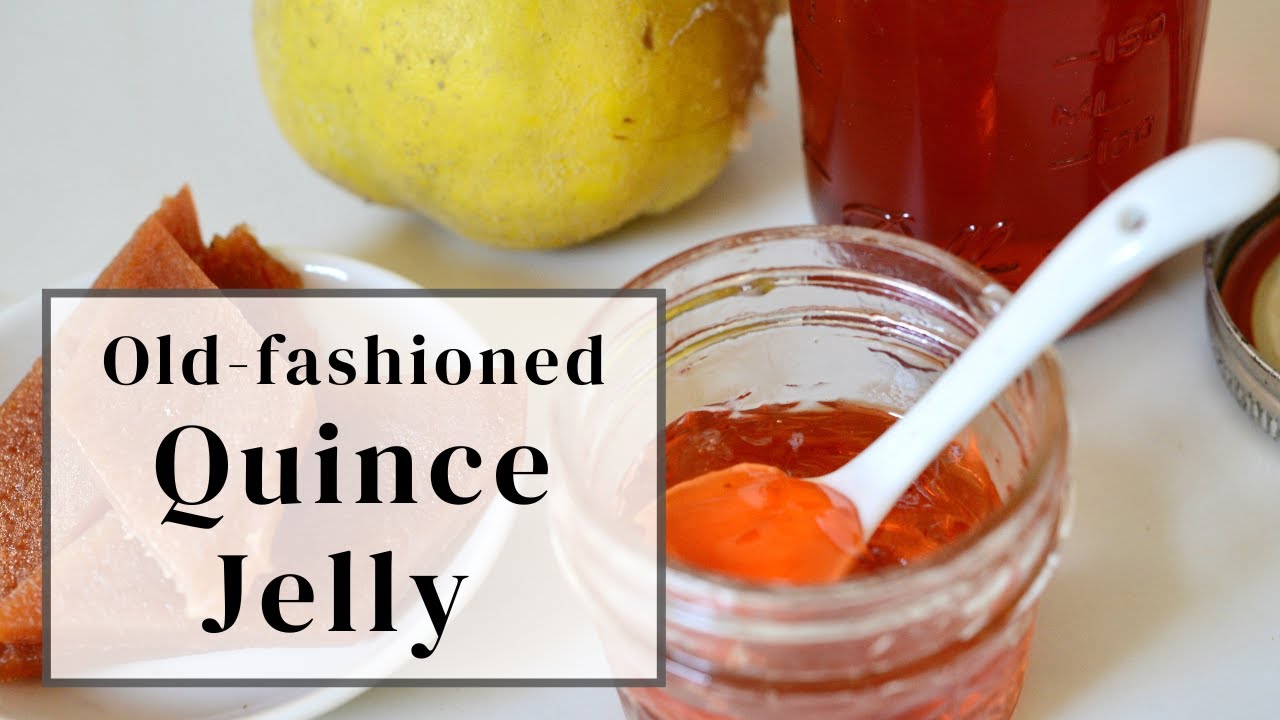
Making a rich and flavorful quince preserve recipe at home is one of the most rewarding traditional cooking experiences. Quince transforms from a hard, pale yellow fruit into a beautifully fragrant ruby-colored preserve with deep floral notes and a naturally sweet taste. Whether served on toast, paired with cheese, layered into pastries, or spooned over desserts, homemade quince preserves deliver exceptional flavor and texture.
This detailed guide walks through everything needed to create a professional-quality quince preserve with simple ingredients and reliable techniques.
What Is Quince Preserve?
Quince preserve is a thick fruit spread made from ripe Quince, sugar, water, and lemon juice. Unlike many fruits, quince cannot usually be eaten raw because of its hardness and tartness. However, once slowly cooked, the fruit softens dramatically and develops a luxurious aroma and vibrant reddish-pink color.
Homemade preserves are prized for their:
- Deep fruit flavor
- Smooth texture
- Long shelf life
- Natural fragrance
- Elegant appearance
Ingredients You’ll Need
To prepare this authentic quince preserve recipe, gather the following ingredients:
Main Ingredients
- 2 kg ripe quince
- 1.5 kg granulated sugar
- 6 cups water
- Juice of 2 lemons
- 1 teaspoon lemon zest (optional)
- 1 cinnamon stick (optional)
- 2 cloves (optional)
Optional Flavor Enhancers
- Vanilla bean
- Star anise
- Honey
- Orange peel
These ingredients create a rich preserve with balanced sweetness and natural tartness.
How to Choose the Best Quince
For the best preserve results, choose quinces that are:
- Bright golden yellow
- Firm but fragrant
- Free from deep bruises
- Heavy for their size
Avoid green quinces because they are underripe and lack full flavor.
Ripe quince should have a floral aroma similar to pear and apple combined.
Preparing the Quince Properly
Before cooking, the fruit must be carefully prepared.
Step 1 – Wash the Fruit
Rinse the quince thoroughly under cold water to remove the fuzzy outer coating.
Step 2 – Peel the Quince
Use a vegetable peeler or sharp knife to remove the skin.
Step 3 – Remove the Core
Cut each quince into quarters and remove the tough core and seeds.
Step 4 – Slice the Fruit
Dice or thinly slice the quince depending on your preferred preserve texture.
Place cut pieces immediately into water with lemon juice to prevent browning.
Step-by-Step Guide to Making Quince Preserve
Step 1 – Cook the Quince
Place the chopped quince into a large heavy-bottomed pot.
Add:
- Water
- Lemon juice
- Optional spices
Bring everything to a gentle boil over medium heat.
Reduce heat and simmer for 40–50 minutes until the quince softens.
At this stage, the fruit will begin changing color from pale yellow to soft amber.
Step 2 – Add the Sugar
Once the quince becomes tender:
- Add the sugar gradually
- Stir continuously until dissolved completely
Allow the mixture to simmer slowly.
Do not rush this process because slow cooking develops the signature deep ruby color.
Cook for another 45–60 minutes.
Step 3 – Monitor the Texture
As the preserve thickens:
- Stir frequently
- Prevent sticking
- Remove foam from the surface
To test readiness:
- Place a small spoonful on a chilled plate
- Let it cool briefly
- Push with your finger
If wrinkles form, the preserve is ready.
Step 4 – Sterilize the Jars
Proper jar sterilization helps preserve freshness.
How to Sterilize Jars
- Wash jars with hot soapy water
- Rinse thoroughly
- Place in oven at 120°C for 15 minutes
- Boil lids separately for 5 minutes
Always fill jars while both the preserve and jars are still hot.
Step 5 – Fill and Seal
Carefully spoon the hot preserve into sterilized jars.
Leave about ½ inch headspace at the top.
Seal tightly and turn jars upside down for several minutes to help create a vacuum seal.
Allow jars to cool completely before storage.
Why Quince Turns Red During Cooking
One of the most fascinating aspects of quince preserves is the dramatic color transformation.
As quince cooks slowly with sugar and acid, natural compounds oxidize and caramelize, creating:
- Deep pink tones
- Amber shades
- Rich ruby-red coloring
Longer slow cooking usually produces darker and richer colors.
Best Ways to Serve Quince Preserve
Homemade quince preserve is incredibly versatile.
Breakfast Ideas
- Spread on toast
- Served with croissants
- Mixed into yogurt
- Added to oatmeal
Dessert Pairings
- Cheesecake topping
- Cake filling
- Ice cream garnish
- Tart glaze
Savory Pairings
- Cheese boards
- Roasted meats
- Crackers
- Artisan bread
Quince preserve pairs especially well with:
- Brie
- Manchego
- Goat cheese
Storage Tips for Homemade Quince Preserve
For maximum freshness:
- Store unopened jars in a cool dark place
- Refrigerate after opening
- Use clean dry spoons
- Avoid moisture contamination
Properly sealed preserves can last up to one year.
Opened jars are best consumed within 3–4 weeks.
Common Mistakes to Avoid
Using Underripe Fruit
Underripe quince lacks aroma and sweetness.
Cooking on High Heat
Rapid cooking can burn sugar and ruin flavor.
Skipping Lemon Juice
Acid balances sweetness and improves preservation.
Not Sterilizing Jars
Improper storage can reduce shelf life.
Overcooking
Excessive cooking creates overly stiff preserves.
Expert Tips for the Best Quince Preserve Recipe
Use a Wide Pot
A wider pot allows moisture to evaporate evenly.
Cook Slowly
Patience develops richer flavor and color.
Add Spices Carefully
Too many spices overpower quince’s floral aroma.
Save the Peels
Quince peels contain natural pectin that improves texture.
Use Fresh Lemon Juice
Fresh juice delivers cleaner flavor than bottled versions.
Nutritional Benefits of Quince
Quince contains:
- Dietary fiber
- Vitamin C
- Potassium
- Antioxidants
Homemade preserves also avoid unnecessary artificial additives commonly found in commercial products.
FAQs about Quince Preserve Recipe
1. What is quince preserve?
Quince preserve is a sweet fruit spread made by cooking quince fruit with sugar and lemon juice until it becomes soft, glossy, and thick. It is similar to jam but often has a richer texture.
2. Do we need to peel quince before making preserve?
Yes, we usually peel quince before cooking because the skin can be tough. However, the peel contains natural pectin, so some people cook the peel separately and use the liquid to help the preserve set.
3. Why does quince preserve turn pink or red?
Quince naturally changes color when cooked slowly. The longer we cook it, the deeper the color becomes, often turning pink, amber, or ruby-red.
4. How long does quince preserve last?
When stored in a clean, sterilized jar, quince preserve can last for several months in a cool, dark place. After opening, we should keep it in the refrigerator.
5. What can we eat quince preserve with?
We can enjoy quince preserve with bread, toast, biscuits, pancakes, yogurt, cheese, or desserts. It also pairs beautifully with soft cheeses and pastries.
Conclusion
This homemade quince preserve recipe creates a luxurious spread filled with rich fruit flavor, beautiful color, and irresistible aroma. With proper preparation, slow cooking, and quality ingredients, homemade quince preserve becomes far superior to store-bought versions.
Whether enjoyed at breakfast, served with cheese, or used in desserts, this traditional preserve delivers exceptional taste and elegance in every spoonful.
Bookmark this recipe, share it with fellow food lovers, and enjoy the timeless flavor of homemade quince preserves.