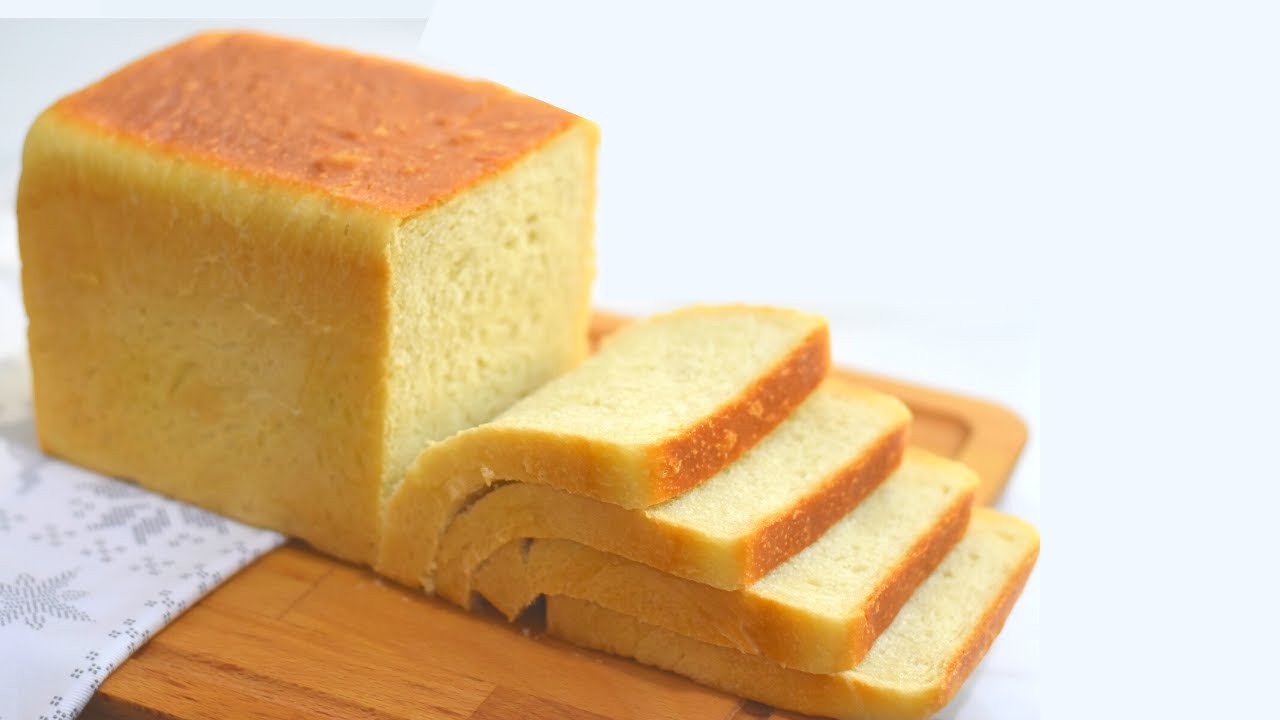
Pullman Bread Recipe: Few homemade breads are as elegant, soft, and versatile as Pullman Bread. Known for its perfectly square shape, fine crumb, and incredibly tender texture, this classic loaf is ideal for sandwiches, toast, French toast, and even breadcrumbs. Whether we want bakery-style sandwich bread or a professional loaf with a soft crust and uniform slices, this recipe delivers exceptional results every time.
Traditionally baked in a special lidded pan called a Pullman loaf pan, this bread develops its iconic square shape while maintaining a delicate, fluffy interior. The result is a smooth-textured bread that slices beautifully and stays soft for days.
In this complete guide, we will cover everything needed to create the perfect homemade Pullman loaf from scratch.
What Is Pullman Bread?
Pullman Bread, also called Pain de Mie, is a classic soft white bread with a tight crumb and thin crust. It originated from railway dining cars where uniformly shaped bread was easier to store and slice efficiently.
Unlike rustic artisan bread, Pullman bread focuses on:
- Soft texture
- Fine crumb
- Square shape
- Even slices
- Thin crust
- Excellent sandwich structure
Because of its structure and softness, it is one of the best breads for:
- Sandwiches
- Grilled cheese
- Toast
- French toast
- Tea sandwiches
- Bread pudding
Ingredients You’ll Need
To create a perfectly soft and fluffy Pullman loaf, we use simple pantry staples.
For the Dough
- 4 cups bread flour
- 2¼ teaspoons instant yeast
- 2 tablespoons granulated sugar
- 1½ teaspoons salt
- 1 cup warm milk
- ½ cup warm water
- 4 tablespoons unsalted butter, softened
- 1 large egg
Essential Equipment
For authentic Pullman bread, these tools help achieve the best results:
- Pullman loaf pan with lid
- Large mixing bowl
- Dough scraper
- Measuring cups
- Kitchen scale
- Rolling pin
- Wire cooling rack
If we do not have a Pullman pan, a standard loaf pan can still work, though the bread will have a rounded top instead of a square shape.
Why Bread Flour Works Best
Using bread flour creates a stronger gluten structure that gives Pullman bread its soft yet structured texture.
Bread flour helps produce:
- Better rise
- Chewier texture
- Stable crumb
- Professional bakery feel
All-purpose flour can be used, but bread flour delivers superior results.
Step-by-Step Guide to Making Pullman Bread
Step 1: Prepare the Dough
In a mixing bowl, combine warm milk, sugar, and yeast. Let it sit for about 5–10 minutes until foamy. Add flour, salt, and butter, then mix until a soft dough forms. Knead for 8–10 minutes until smooth and elastic.
Step 2: First Rise
Place the dough in a lightly greased bowl, cover it, and let it rise in a warm place for about 1–1.5 hours, or until it doubles in size. This step develops the bread’s structure and flavor.
Step 3: Shape the Dough
Punch down the risen dough to release air. Roll it into a rectangle, then tightly roll it into a log shape. Place it into a greased Pullman loaf pan, ensuring it fits evenly.
Step 4: Second Rise
Cover the pan and let the dough rise again for 30–45 minutes, until it fills about ¾ of the pan. If using a lid, ensure the dough does not over-expand before baking.
Step 5: Bake to Perfection
Preheat your oven to 180°C (350°F). Cover the Pullman pan with its lid and bake for 25–30 minutes. Remove from the oven, let it cool slightly, then take the bread out of the pan. Allow it to cool completely before slicing for clean, square edges.
Result: Soft, evenly textured, perfectly square Pullman bread—ideal for sandwiches.
Tips for Ultra-Soft Pullman Bread
Use Warm Liquids
Warm milk and water help activate yeast effectively while encouraging a softer crumb.
Do Not Over-Flour the Dough
A slightly sticky dough creates lighter, fluffier bread.
Dry dough leads to dense bread.
Knead Thoroughly
Proper kneading develops gluten for a smooth and elastic texture.
Under-kneaded dough results in poor structure.
Use the Lid Properly
The Pullman pan lid creates the iconic square loaf by controlling oven expansion.
This produces:
- Flat sides
- Flat top
- Uniform slices
Common Pullman Bread Mistakes to Avoid
Over-Proofing the Dough
If the dough rises too much before baking, it may collapse or become dense.
Using Cold Ingredients
Cold milk or butter slows yeast activity and affects texture.
Always use room-temperature ingredients whenever possible.
Skipping the Second Rise
The second proof creates a lighter loaf and improves crumb structure.
How to Store Pullman Bread
To maintain freshness:
- Store in an airtight bag
- Keep at room temperature for up to 4 days
- Freeze for up to 2 months
For freezing:
- Slice the bread first
- Wrap tightly
- Freeze in portions
This makes it easy to toast individual slices later.
Best Ways to Use Pullman Bread
This bread is extremely versatile.
Classic Sandwiches
Its square shape makes it ideal for:
- Turkey sandwiches
- Ham and cheese
- Peanut butter and jelly
- Club sandwiches
French Toast
The soft crumb absorbs custard beautifully without falling apart.
Grilled Cheese
Pullman bread creates crisp edges while remaining soft inside.
Tea Sandwiches
Its smooth texture and thin crust make elegant finger sandwiches effortless.
Variations of Pullman Bread
Whole Wheat Pullman Bread
Replace part of the bread flour with whole wheat flour for a heartier flavor.
Milk Bread Style Pullman Loaf
Add extra milk and butter for an ultra-soft Japanese-inspired texture.
Honey Pullman Bread
Swap sugar for honey to create a richer sweetness.
Seeded Pullman Bread
Add sesame, flaxseed, or sunflower seeds for texture and nutrition.
Why Homemade Pullman Bread Is Better Than Store-Bought
Homemade Pullman bread offers:
- Better flavor
- Fresher texture
- Fewer preservatives
- Superior softness
- Custom ingredients
Unlike commercial sandwich bread, homemade versions provide rich buttery flavor and a natural aroma that transforms every meal.
FAQs about Pullman Bread Recipe
1. What makes Pullman bread different from regular bread?
Pullman bread is baked in a special lidded loaf pan, which gives it a perfectly square shape, soft crumb, and thin crust. It is ideal for sandwiches, toast, and French toast.
2. Do we need a Pullman loaf pan to make Pullman bread?
Yes, for the classic square shape, we need a Pullman loaf pan with a lid. However, we can still bake the dough in a regular loaf pan, though the bread will have a rounded top.
3. Why is my Pullman bread dense?
Pullman bread may become dense if the dough is not kneaded enough, the yeast is old, or the dough does not rise properly. We should knead until smooth and elastic and allow enough time for proofing.
4. Can we make Pullman bread without milk?
Yes, we can make it without milk by using water instead. However, milk gives the bread a softer texture, richer flavor, and better browning.
5. How should we store Pullman bread?
We should let the bread cool completely, then store it in an airtight bag or container at room temperature for 2–3 days. For longer storage, we can slice and freeze it.
Final Thoughts
Mastering homemade Pullman Bread transforms ordinary sandwiches and toast into something truly exceptional. With its buttery flavor, delicate crumb, and perfectly square slices, this bread delivers bakery-quality results right from the home kitchen.
By following this detailed step-by-step guide, we can consistently create soft, fluffy, and beautifully structured Pullman loaves ideal for everyday use. Whether served toasted with butter or stacked high with sandwich fillings, this classic bread remains one of the most satisfying homemade baking projects possible.