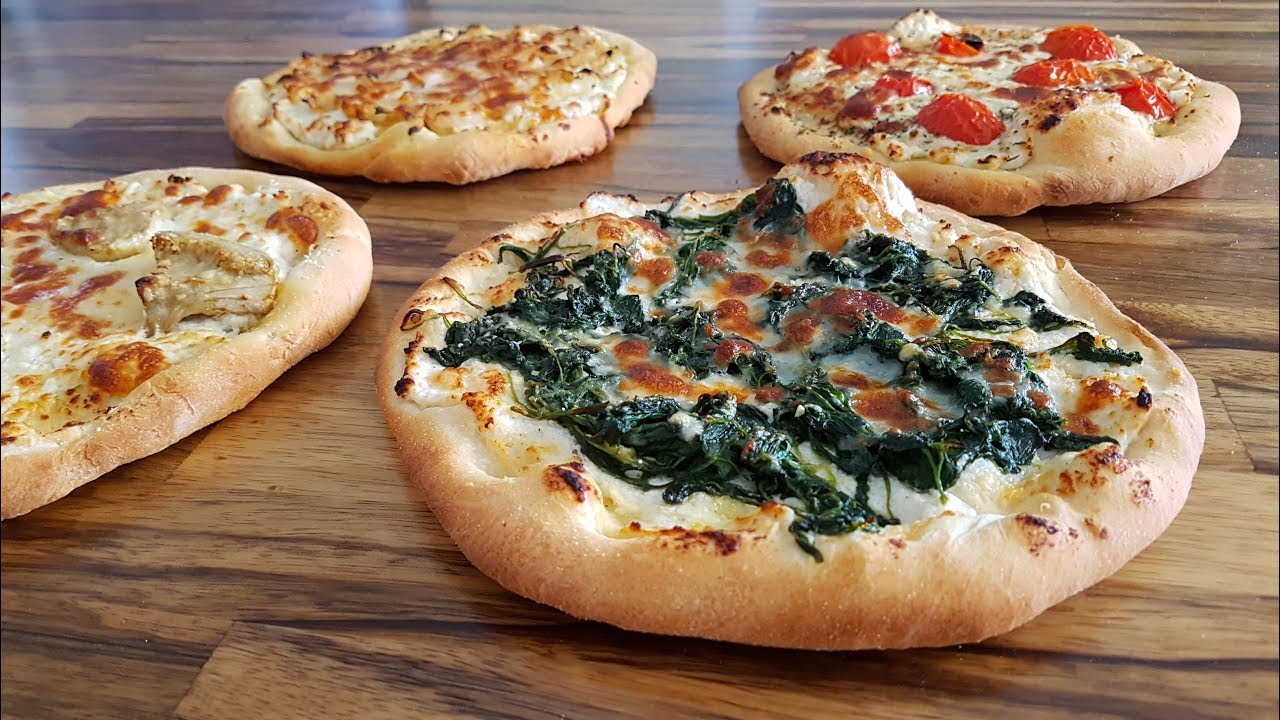
Pizza Bianca Recipe: Pizza Bianca, also known as white pizza, is a beautifully simple Italian-style pizza made without traditional tomato sauce. Instead of relying on red sauce for flavor, we build richness through olive oil, creamy cheese, garlic, herbs, and a crisp, airy crust. The result is a pizza that feels elegant, comforting, and deeply satisfying, with a golden base, creamy topping, and fragrant finish.
This Pizza Bianca recipe is perfect for anyone who loves a lighter yet flavorful pizza. It delivers everything we want in a homemade pizza: a chewy crust, a crisp bottom, melted cheese, aromatic garlic, and a balanced savory flavor. Whether we serve it as a family dinner, appetizer, weekend treat, or homemade Italian-style meal, this recipe gives us a dependable way to prepare a restaurant-quality white pizza at home.
What Is Pizza Bianca?
Pizza Bianca means “white pizza” in Italian. Unlike classic pizza that uses tomato sauce as the base, Pizza Bianca is prepared with olive oil, cheese, garlic, herbs, and sometimes cream or ricotta. It can be made in different styles, from the Roman flatbread version brushed with olive oil and salt to the richer cheese-based white pizza popular in many homes and pizzerias.
In this recipe, we create a delicious homemade version using a soft pizza dough, a fragrant garlic olive oil base, creamy ricotta, melted mozzarella, Parmesan, and fresh herbs. The flavor is clean, savory, and slightly nutty, while the texture is crisp on the outside and tender inside.
Ingredients You’ll Need
To make the best homemade Pizza Bianca, we use simple ingredients that work together beautifully. Each ingredient plays an important role in creating the right flavor, texture, and aroma.
For the Pizza Dough
- 3 cups all-purpose flour or bread flour
- 1 teaspoon instant yeast
- 1 teaspoon sugar
- 1 teaspoon salt
- 1 cup warm water
- 2 tablespoons olive oil
- Extra flour for dusting
For the White Pizza Base
- 3 tablespoons extra virgin olive oil
- 2 cloves garlic, finely minced
- ½ teaspoon dried oregano
- ¼ teaspoon black pepper
- ¼ teaspoon sea salt
- A pinch of red pepper flakes optional
For the Cheese Topping
- 1 cup ricotta cheese
- 1½ cups shredded mozzarella cheese
- ½ cup grated Parmesan cheese
- ½ cup shredded provolone cheese optional, for extra flavor
- 1 tablespoon fresh parsley or basil, chopped
- 1 teaspoon lemon zest optional, for brightness
Optional Toppings
- Thinly sliced mushrooms
- Fresh spinach
- Caramelized onions
- Roasted garlic
- Fresh arugula
- Prosciutto
- Sun-dried tomatoes
- Thinly sliced zucchini
- Fresh rosemary
Best Flour for Pizza Bianca Dough
For a chewy and structured crust, bread flour is an excellent choice because it has a higher protein content. This helps create a stronger gluten network, giving the pizza crust a pleasant chew and a crisp edge. However, all-purpose flour also works well and produces a softer, lighter crust.
If we want a more traditional Italian-style texture, we can use 00 flour, which creates a delicate, tender crust with a smooth bite. The key is not only the flour but also proper kneading, resting, and baking at high heat.
How to Make Pizza Bianca Dough
Step 1: Combine the Dry Ingredients
In a large mixing bowl, we add flour, instant yeast, sugar, and salt. We stir everything together until evenly combined. The sugar helps activate the yeast and encourages gentle browning, while the salt adds flavor and strengthens the dough.
Step 2: Add Water and Olive Oil
We pour in the warm water and olive oil, then mix until a rough dough forms. The dough should feel slightly sticky but not wet. If it feels too dry, we add a small splash of water. If it feels too sticky, we add a little flour, one tablespoon at a time.
Step 3: Knead the Dough
We transfer the dough to a lightly floured surface and knead for about 8 to 10 minutes. The dough should become smooth, elastic, and soft. Proper kneading helps develop the gluten, which gives the crust its chewy texture.
If using a stand mixer, we knead the dough with a dough hook on medium-low speed for about 5 to 6 minutes.
Step 4: Let the Dough Rise
We place the dough in a lightly oiled bowl, cover it with a clean towel or plastic wrap, and let it rise in a warm area for about 1 to 1½ hours, or until doubled in size. A slow rise gives the dough better flavor and texture.
For deeper flavor, we can refrigerate the dough overnight after mixing. This slow fermentation creates a more complex, pizzeria-style crust.
How to Prepare the Garlic Olive Oil Base
A good Pizza Bianca base should be flavorful but not too heavy. Since we are not using tomato sauce, the olive oil mixture becomes the foundation of the pizza.
In a small bowl, we combine extra virgin olive oil, minced garlic, dried oregano, black pepper, sea salt, and red pepper flakes. We stir well and allow it to sit for a few minutes. This helps the garlic release its flavor into the oil.
For a softer garlic flavor, we can gently warm the olive oil and garlic in a small pan for 1 to 2 minutes. We should not brown the garlic because burnt garlic can taste bitter.
How to Shape the Pizza Dough
Once the dough has doubled in size, we gently punch it down to release excess air. We transfer it to a floured surface and shape it into a round or rectangular pizza.
For a thinner crust, we stretch the dough wider. For a thicker, softer crust, we keep it slightly smaller and thicker. We can use our hands to stretch the dough from the center outward, leaving a slightly thicker edge around the border.
We avoid overusing a rolling pin because hand-stretching preserves air bubbles in the dough, creating a lighter and more rustic crust.
Step-by-Step Guide to Make Pizza Bianca
Step 1: Preheat the Oven
We preheat the oven to 475°F to 500°F. A hot oven is essential for a crisp bottom and beautifully melted cheese. If using a pizza stone or steel, we place it in the oven while it preheats for at least 30 minutes.
A hot baking surface helps the dough cook quickly and gives us a crust that is crisp outside and tender inside.
Step 2: Prepare the Baking Surface
We lightly dust a pizza peel, baking sheet, or parchment paper with flour or cornmeal. This prevents sticking and makes it easier to transfer the pizza.
If using parchment paper, we place the stretched dough directly on it for easy handling.
Step 3: Brush the Dough with Garlic Olive Oil
We brush the stretched pizza dough generously with the garlic olive oil mixture, making sure to cover the center and edges. This creates a fragrant, flavorful base and helps the crust turn golden.
We should not overload the dough with too much oil. A thin, even layer is enough to bring flavor without making the pizza greasy.
Step 4: Add the Ricotta Cheese
We spoon small dollops of ricotta cheese across the surface of the pizza. Ricotta gives Pizza Bianca its creamy texture and mild, slightly sweet flavor. We do not need to spread it completely; leaving small pockets of ricotta creates a beautiful creamy bite.
For extra flavor, we can mix the ricotta with a pinch of salt, black pepper, lemon zest, and chopped herbs before adding it to the dough.
Step 5: Add Mozzarella and Parmesan
Next, we sprinkle shredded mozzarella cheese evenly over the pizza. Mozzarella gives the pizza its classic melted, stretchy texture. Then we add grated Parmesan cheese for a sharper, salty, nutty flavor.
If we are using provolone, we add it at this stage as well. Provolone adds depth and a slightly smoky taste that pairs beautifully with garlic and olive oil.
Step 6: Add Optional Toppings
If we want to customize the pizza, we add toppings such as mushrooms, spinach, caramelized onions, roasted garlic, or zucchini. We keep toppings light so the crust stays crisp and the cheese remains the main focus.
For delicate toppings like arugula or fresh basil, we add them after baking to keep them fresh and vibrant.
Step 7: Bake the Pizza Bianca
We transfer the pizza to the hot oven and bake for 10 to 14 minutes, depending on the oven temperature and crust thickness. The pizza is ready when the crust is golden, the cheese is melted, and the edges are lightly crisp.
If using a pizza stone or steel, the baking time may be shorter. We keep an eye on the pizza during the final minutes to avoid overbrowning.
Step 8: Finish with Fresh Herbs
After baking, we remove the pizza from the oven and let it rest for 2 to 3 minutes. Then we sprinkle it with fresh basil, parsley, or rosemary. A light drizzle of olive oil can also be added for extra richness.
For a brighter flavor, we add a small amount of lemon zest or a few cracks of black pepper before slicing.
Tips for the Best Pizza Bianca
To make the best Pizza Bianca recipe, we focus on balance. Since there is no tomato sauce, every ingredient must be flavorful but not overpowering.
We use good-quality olive oil because it forms the base of the pizza. Extra virgin olive oil gives the pizza a rich, fruity aroma that pairs perfectly with garlic and cheese.
We also avoid adding too much cheese. While Pizza Bianca should be creamy and cheesy, too much cheese can make it heavy and oily. A balanced layer of mozzarella, ricotta, and Parmesan gives the best texture.
The oven must be very hot. High heat helps the dough rise quickly and creates a crisp crust. A low oven temperature can make the pizza soft and pale instead of golden and crisp.
Finally, we allow the pizza to rest briefly before slicing. This helps the cheese settle and keeps the toppings from sliding off.
Delicious Pizza Bianca Variations
Mushroom Pizza Bianca
For an earthy version, we add thinly sliced mushrooms before baking. Mushrooms pair beautifully with garlic, ricotta, and Parmesan. For deeper flavor, we can sauté the mushrooms first to remove excess moisture.
Spinach and Ricotta Pizza Bianca
We add fresh spinach over the cheese before baking or stir chopped spinach into the ricotta. This creates a creamy, green, and flavorful white pizza that feels fresh and satisfying.
Garlic and Rosemary Pizza Bianca
For a more classic Italian-style version, we keep the toppings simple with olive oil, garlic, rosemary, sea salt, and Parmesan. This version is fragrant, crisp, and perfect as a side bread or appetizer.
Prosciutto and Arugula Pizza Bianca
After baking, we top the pizza with thin slices of prosciutto and fresh arugula. The salty prosciutto and peppery arugula create a beautiful contrast with the creamy cheese.
Caramelized Onion Pizza Bianca
Caramelized onions add sweetness and depth. They work especially well with ricotta, mozzarella, Parmesan, and a touch of black pepper.
What to Serve with Pizza Bianca
Pizza Bianca pairs well with light and fresh sides. A crisp green salad with lemon vinaigrette balances the richness of the cheese. We can also serve it with roasted vegetables, tomato salad, soup, or marinated olives.
For a simple meal, we serve Pizza Bianca with a side of arugula tossed in olive oil, lemon juice, salt, and pepper. The fresh greens add brightness and make the meal feel complete.
How to Store Pizza Bianca
Leftover Pizza Bianca can be stored in an airtight container in the refrigerator for up to 3 days. To keep the crust from becoming soggy, we allow the pizza to cool completely before storing it.
For best results, we reheat it in an oven or skillet instead of the microwave. The oven helps restore crispness, while the skillet creates a golden bottom.
How to Reheat Pizza Bianca
To reheat in the oven, we place the pizza on a baking sheet and warm it at 375°F for about 6 to 8 minutes. For a crispier crust, we place it directly on the oven rack.
To reheat in a skillet, we place a slice over medium-low heat for a few minutes until the bottom becomes crisp and the cheese softens. Covering the skillet briefly helps melt the cheese without burning the crust.
Common Mistakes to Avoid
One common mistake is using too much oil. While olive oil is important, too much can make the pizza greasy. We use enough to coat the dough lightly and flavor the crust.
Another mistake is overloading the pizza with toppings. Pizza Bianca works best when the toppings are simple and balanced. Too many ingredients can weigh down the dough and prevent it from baking properly.
We should also avoid baking at a low temperature. Pizza needs strong heat to develop a proper crust. A hot oven gives us better texture, better color, and better flavor.
Why This Pizza Bianca Recipe Works
This recipe works because it keeps the focus on simple ingredients and proper technique. The dough is soft and chewy, the garlic olive oil adds fragrance, the ricotta gives creaminess, the mozzarella melts beautifully, and the Parmesan brings savory depth.
Instead of covering the pizza with heavy sauce, we allow the flavor of the crust, cheese, herbs, and olive oil to shine. Every bite is rich but not overwhelming, crisp but tender, and flavorful without being complicated.
FAQs about Pizza Bianca Recipe
1. What is Pizza Bianca?
Pizza Bianca means “white pizza” in Italian. It is a pizza made without traditional tomato sauce. Instead, it usually features olive oil, cheese, garlic, herbs, and sometimes cream or ricotta for a rich, savory flavor.
2. What cheese is best for Pizza Bianca?
The best cheeses for Pizza Bianca are mozzarella, ricotta, parmesan, and pecorino romano. Mozzarella gives a soft, stretchy texture, while ricotta adds creaminess. Parmesan or pecorino brings a salty, sharp finish.
3. Can we make Pizza Bianca without ricotta?
Yes, we can make Pizza Bianca without ricotta. We can use mozzarella, cream cheese, mascarpone, or a light béchamel sauce as an alternative. The goal is to keep the pizza creamy, flavorful, and balanced.
4. What toppings go well with Pizza Bianca?
Popular toppings include mushrooms, spinach, arugula, caramelized onions, prosciutto, roasted garlic, chicken, zucchini, and fresh basil. For the best result, we should avoid overloading the pizza so the white sauce and cheese remain the main flavors.
5. How do we keep Pizza Bianca from becoming soggy?
To prevent sogginess, we should preheat the oven properly, use a hot pizza stone or baking tray, avoid too much oil or sauce, and drain watery toppings like mushrooms or spinach before adding them. Baking at a high temperature helps create a crisp crust.
Final Thoughts
Pizza Bianca is one of the most satisfying homemade pizzas we can prepare when we want something elegant, creamy, and full of Italian-inspired flavor. With a golden crust, garlic olive oil base, creamy ricotta, melted mozzarella, and fresh herbs, this white pizza delivers a beautiful balance of texture and taste.
By using quality ingredients, stretching the dough carefully, baking at high heat, and finishing with fresh herbs, we create a homemade Pizza Bianca recipe that tastes fresh, comforting, and restaurant-worthy. Whether we keep it simple or customize it with mushrooms, spinach, caramelized onions, or prosciutto, this recipe gives us a reliable foundation for a delicious white pizza every time.