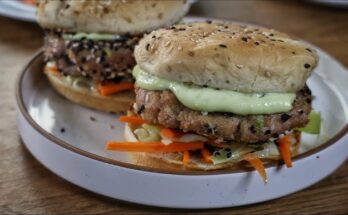
Pickled Daikon Radish Recipe: Pickled daikon radish is a crisp, refreshing, tangy, slightly sweet, and beautifully simple condiment that brings brightness to many meals. With its clean crunch and sharp-sweet flavor, pickled daikon works perfectly with rice bowls, grilled meats, noodles, sandwiches, tacos, salads, sushi, and Asian-inspired dishes. This pickled daikon radish recipe gives us a reliable homemade method using basic ingredients, clear measurements, and an easy step-by-step process that produces a balanced pickle with excellent texture.
Daikon radish has a mild peppery bite when fresh, but once pickled, it becomes pleasantly crisp, lightly sweet, and deeply flavorful. The vinegar softens the sharpness, the sugar rounds out the acidity, and the salt helps season the radish while preserving its crunch. Whether we want a quick refrigerator pickle or a make-ahead condiment for weekly meals, this recipe gives us a clean, dependable result every time.
Ingredients You’ll Need for Pickled Daikon Radish
To make a flavorful and well-balanced homemade pickled daikon radish, we need simple pantry ingredients. The quality of the daikon matters because fresh radish gives the best crunch and cleanest flavor.
Main Ingredients
- 1 large daikon radish, peeled and cut into matchsticks, rounds, cubes, or thin slices
- 1 cup rice vinegar
- ½ cup water
- ⅓ cup granulated sugar
- 1 tablespoon salt
- 1 small piece fresh ginger, thinly sliced
- 1 garlic clove, lightly crushed
- ½ teaspoon turmeric, optional, for color
- ½ teaspoon red pepper flakes, optional, for mild heat
Optional Flavor Additions
For deeper flavor, we can add a few extra ingredients depending on the taste we want:
- Black peppercorns for gentle spice
- Mustard seeds for a stronger pickled aroma
- Bay leaf for earthy depth
- Chili slices for heat
- Lemon peel for brightness
- Sesame seeds for serving
- Carrot strips for color and sweetness
The base recipe is flexible, but the most important balance comes from vinegar, sugar, salt, and water. These ingredients create the classic pickling liquid that turns fresh daikon into a crisp, tangy condiment.
Choosing the Best Daikon Radish
For the best pickled daikon radish recipe, we should begin with a fresh, firm daikon. A good daikon should feel heavy for its size, have smooth skin, and show no deep cracks, soft spots, or signs of dryness. Smaller and medium daikon radishes are often sweeter and less woody than very large ones.
If the daikon feels spongy or looks wrinkled, it may produce a softer pickle. Fresh daikon should have a clean, mild aroma. A strong, overly sharp smell may mean the radish is older. Since pickling highlights texture, choosing a firm daikon is one of the simplest ways to improve the final result.
How to Cut Daikon for Pickling
The cut shape affects both texture and serving style. For rice bowls and banh mi-style sandwiches, thin matchsticks work beautifully because they are easy to layer and absorb flavor quickly. For bento boxes, salads, and side dishes, thin rounds or half-moons look clean and elegant. For a crunchier snack-style pickle, small cubes or thick sticks are ideal.
If we want the daikon to pickle quickly, thinner cuts are best. If we prefer a stronger crunch, thicker cuts should be used. A mandoline can help create even slices, but a sharp knife also works well. Consistent cutting helps the radish absorb the brine evenly.
Step-by-Step Guide to Make Pickled Daikon Radish
Step 1: Wash and Peel the Daikon
First, rinse the daikon radish under cool running water to remove dirt. Trim off the top and bottom ends. Peel the outer skin using a vegetable peeler. Although daikon skin is edible, peeling creates a cleaner texture and smoother taste for pickling.
Once peeled, pat the radish dry with a clean towel. Removing excess water helps keep the pickling liquid properly balanced.
Step 2: Cut the Daikon into Your Preferred Shape
Slice the daikon into matchsticks, rounds, half-moons, or cubes. For a classic quick pickle, matchsticks are one of the best options because they absorb the brine quickly and stay pleasantly crisp.
If making pickled daikon for sandwiches or rice bowls, cut the pieces thin enough to bite easily. If making a side dish, thicker slices provide a satisfying crunch.
Step 3: Salt the Daikon Briefly
Place the sliced daikon in a mixing bowl. Sprinkle with a small amount of salt from the measured quantity and toss gently. Let it sit for about 10 to 15 minutes. This step helps draw out excess moisture and lightly softens the raw bite of the radish.
After resting, rinse the daikon lightly under cool water if it tastes too salty, then drain well. Pat dry with a paper towel or clean kitchen towel. This step helps create a cleaner, better-textured pickle.
Step 4: Prepare the Pickling Brine
In a small saucepan, combine rice vinegar, water, sugar, salt, ginger, garlic, turmeric, and red pepper flakes. Warm the mixture over medium heat, stirring until the sugar and salt dissolve completely.
The brine does not need to boil aggressively. A gentle heat is enough to dissolve everything and release the aroma from the ginger and garlic. Once dissolved, remove the saucepan from the heat and allow the brine to cool slightly.
Step 5: Pack the Daikon into a Clean Jar
Place the prepared daikon into a clean glass jar. Pack it firmly but not too tightly. The brine needs enough space to move around the pieces and coat them evenly.
If using additional ingredients such as chili, peppercorns, mustard seeds, or carrot strips, layer them between the daikon pieces. This helps distribute flavor throughout the jar.
Step 6: Pour the Brine Over the Daikon
Pour the warm pickling liquid over the daikon until all pieces are fully covered. Use a clean spoon to press the daikon down gently if needed. The radish should remain submerged in the brine for even pickling.
Leave a little space at the top of the jar, then seal with a lid. Let the jar cool to room temperature before placing it in the refrigerator.
Step 7: Chill Until Flavorful
Refrigerate the pickled daikon for at least 2 hours before serving. For better flavor, let it chill for 24 hours. The longer it sits, the more balanced and developed the flavor becomes.
Quick pickled daikon can be enjoyed the same day, but the taste is usually best after one full day. The texture remains crisp, while the vinegar, sugar, and salt settle into the radish.
Best Vinegar for Pickled Daikon Radish
Rice vinegar is the best choice for this recipe because it has a mild, clean acidity that pairs beautifully with daikon. It gives the pickle a gentle tang without overpowering the natural flavor of the radish.
White vinegar can also be used, but it has a sharper taste. Apple cider vinegar adds fruitiness, while seasoned rice vinegar creates a sweeter pickle. If using seasoned rice vinegar, reduce the sugar slightly because it already contains sweetness.
For the most balanced result, plain rice vinegar gives the best flavor.
How Long Does Pickled Daikon Last?
This refrigerator pickled daikon radish can last for about 2 to 3 weeks when stored properly in a clean, sealed jar in the refrigerator. Always use a clean spoon or fork when removing pieces from the jar. This helps prevent contamination and keeps the pickle fresh longer.
The flavor may become stronger over time. The daikon may also soften slightly after several days, but it should still remain pleasantly crisp if it was fresh and properly prepared.
If the pickle develops an unusual smell, cloudy mold, slimy texture, or off flavor, it should be discarded.
How to Serve Pickled Daikon Radish
Pickled daikon is one of the most useful condiments because it adds acidity, crunch, and freshness to rich or savory dishes. It works especially well with meals that need contrast.
Serve pickled daikon radish with:
- Rice bowls
- Sushi rolls
- Grilled chicken
- Roasted pork
- Banh mi sandwiches
- Tacos
- Noodle bowls
- Fried rice
- Ramen
- Korean-style meals
- Japanese curry
- Salads
- Lettuce wraps
The pickle cuts through rich flavors and refreshes the palate. It is especially good with spicy, smoky, fried, or fatty foods because the vinegar and crunch balance the meal.
Tips for the Best Pickled Daikon Radish
For the best result, keep the daikon pieces evenly sliced. Uneven pieces will pickle at different speeds, which may create inconsistent texture. Thin slices absorb flavor quickly, while thicker pieces stay crunchier.
Do not overboil the brine. Heating is only needed to dissolve the sugar and salt. If the brine is too hot when poured over the daikon, it may soften the radish more than desired. Warm brine is fine, but very hot brine can reduce crunch.
Use a glass jar instead of plastic. Vinegar can hold strong aromas, and glass keeps the flavor cleaner. A jar with a tight-fitting lid also helps preserve freshness in the refrigerator.
For a brighter yellow color, turmeric is useful. It gives the daikon a golden appearance often seen in some Asian-style pickles. Use only a small amount because too much turmeric can overpower the flavor.
Common Mistakes to Avoid
One common mistake is using old or soft daikon. Pickling improves flavor, but it cannot fully fix poor texture. Fresh daikon gives the best crunch.
Another mistake is adding too much salt without balancing it with sugar and vinegar. A good pickled daikon should taste tangy, lightly sweet, and savory, not harshly salty.
Do not skip refrigeration. This is a quick refrigerator pickle, not a shelf-stable canned pickle. It should be stored cold and eaten within a reasonable time.
Also, avoid packing the jar too tightly. If the brine cannot move between the pieces, some daikon may remain unevenly flavored.
Flavor Variations for Pickled Daikon
Sweet Pickled Daikon
Increase the sugar slightly for a sweeter pickle that works well with spicy food, fried chicken, and rice bowls.
Spicy Pickled Daikon
Add sliced fresh chili, chili flakes, or a small amount of chili oil after pickling. This creates a bold condiment with heat and crunch.
Ginger Pickled Daikon
Add extra fresh ginger for a sharper, aromatic flavor. This version pairs well with sushi, noodles, and grilled fish.
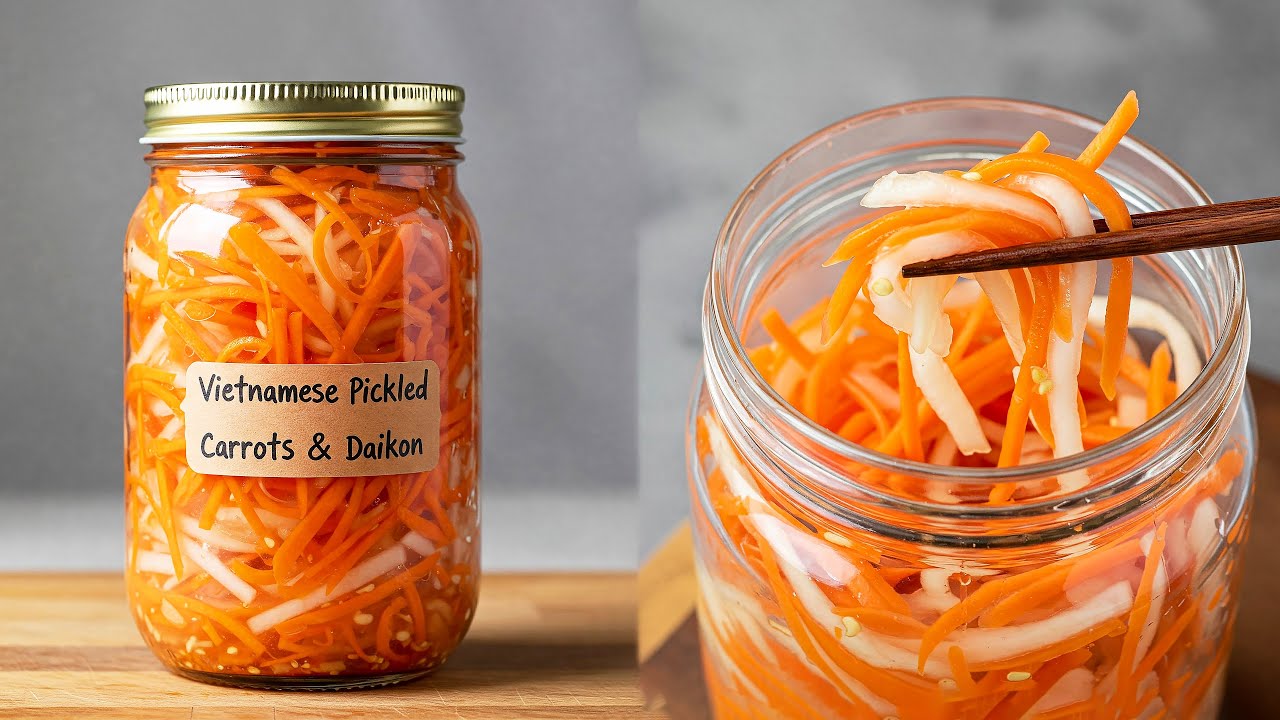
Carrot and Daikon Pickle
Add thin carrot strips to the jar for color, sweetness, and a classic combination often used in Vietnamese-style dishes.
Garlic Daikon Pickle
Add one extra crushed garlic clove for a stronger savory flavor. This works well with grilled meats and hearty rice dishes.
Why This Pickled Daikon Radish Recipe Works
This recipe works because it keeps the flavor balanced and the method simple. The vinegar brings brightness, the sugar softens the acidity, the salt seasons the radish, and the water keeps the brine from becoming too sharp. Ginger and garlic add depth without making the pickle heavy.
The quick salting step improves texture and reduces harshness. The short chilling time makes the recipe convenient, while a full day in the refrigerator creates a deeper, more rounded flavor.
With only a few ingredients and a clean method, we get a crisp, refreshing pickle that can be used throughout the week.
Storage Instructions
Store the pickled daikon in a clean, airtight glass jar in the refrigerator. Keep the radish fully submerged in the brine. After each use, close the jar tightly and return it to the fridge.
For best flavor and texture, enjoy within the first 7 to 14 days. It may last up to 3 weeks, but the texture is usually crispest during the first week.
Do not leave the jar at room temperature for long periods. Since this is not a canned recipe, refrigeration is necessary.
FAQs about Pickled Daikon Radish Recipe
1. What is pickled daikon radish?
Pickled daikon radish is a tangy, slightly sweet, and crunchy side dish made by soaking sliced daikon radish in a vinegar-based brine. It is popular in many Asian cuisines and is often served with rice dishes, grilled meats, sushi, sandwiches, or noodle bowls.
2. What ingredients do we need to make pickled daikon radish?
To make a simple pickled daikon radish recipe, we usually need fresh daikon radish, rice vinegar or white vinegar, sugar, salt, and water. Some recipes may also include turmeric for color, chili flakes for heat, or garlic for extra flavor.
3. How long does pickled daikon radish take to prepare?
The preparation is quick and usually takes about 10 to 15 minutes. However, the daikon needs time to absorb the brine. For the best flavor, we should let it sit in the refrigerator for at least 24 hours before serving.
4. How long can pickled daikon radish last?
When stored properly in a clean, airtight jar in the refrigerator, pickled daikon radish can last for about 2 to 3 weeks. Always use clean utensils when serving to keep the pickles fresh and safe to eat.
5. What can we serve with pickled daikon radish?
We can serve pickled daikon radish with rice bowls, Korean fried chicken, banh mi sandwiches, sushi, grilled fish, noodles, tacos, or roasted meats. Its crisp texture and tangy flavor help balance rich, spicy, or savory dishes.
Conclusion
Before serving, remove the amount needed from the jar with a clean utensil. Let excess brine drip off slightly, then add the pickled daikon directly to the dish. For extra flavor, sprinkle with sesame seeds, chopped green onions, or a small drizzle of sesame oil.
This pickled daikon radish recipe is simple, bright, and incredibly useful. It gives us a crisp condiment that can transform everyday meals with freshness, acidity, and clean flavor. Whether served with rice bowls, sandwiches, grilled dishes, noodles, or salads, homemade pickled daikon adds the perfect finishing touch.