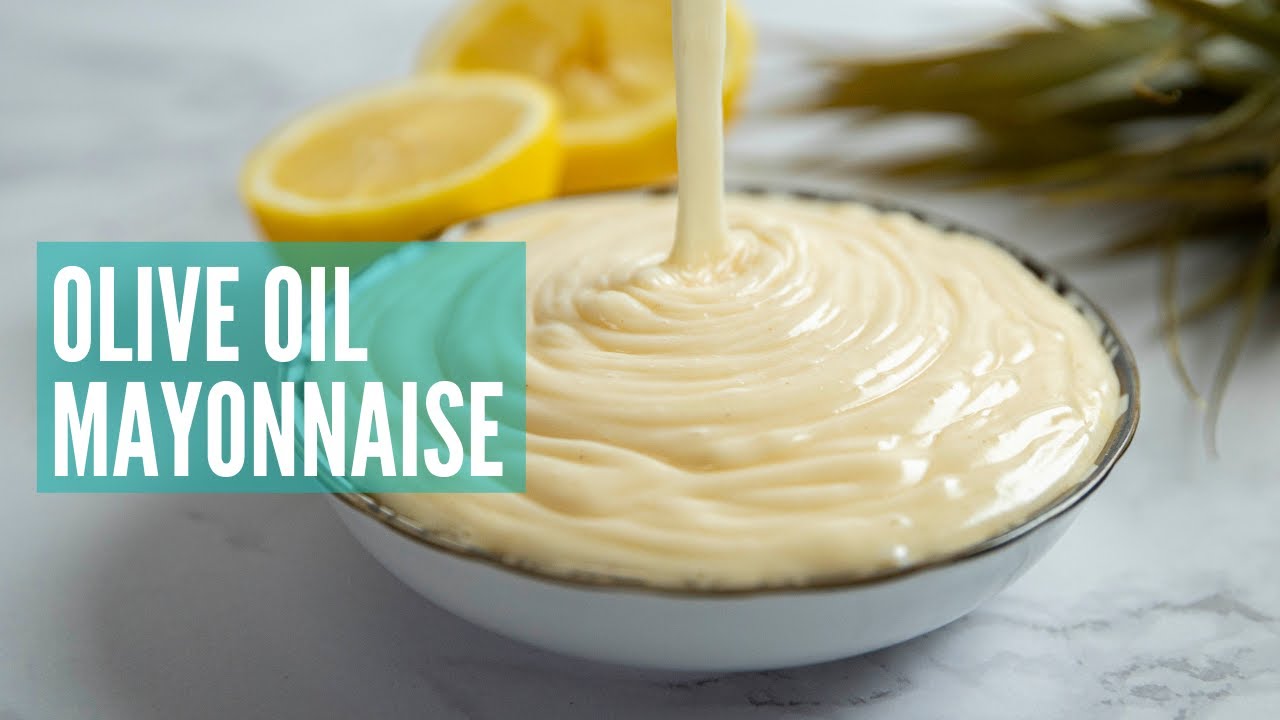
Olive Oil Mayonnaise Recipe: Olive oil mayonnaise is a rich, creamy, and flavorful homemade condiment made with simple ingredients such as egg yolk, olive oil, lemon juice, mustard, and seasoning. Unlike many store-bought mayonnaise options, this homemade version gives us full control over the texture, flavor, freshness, and quality of ingredients. It is smooth, naturally thick, beautifully glossy, and perfect for sandwiches, salads, dips, wraps, burgers, grilled meats, seafood, and roasted vegetables.
This olive oil mayonnaise recipe is ideal when we want a fresher, more wholesome alternative to regular mayonnaise. The taste is slightly fruity, mildly peppery, and pleasantly tangy, depending on the type of olive oil used. With the right technique, we can create a stable, creamy mayonnaise in just a few minutes.
What Is Olive Oil Mayonnaise?
Olive oil mayonnaise is a homemade mayonnaise prepared by slowly blending olive oil into egg yolk until the mixture emulsifies into a thick, creamy sauce. The egg yolk acts as the emulsifier, helping the oil and acidic ingredients combine smoothly instead of separating. Lemon juice or vinegar adds brightness, while mustard improves flavor and helps stabilize the emulsion.
The result is a luxurious mayonnaise with a more distinctive taste than mayonnaise made with neutral oils. Because olive oil has a stronger flavor, the final result can range from mild and delicate to bold and peppery. For the best balance, we can use light olive oil, mild extra virgin olive oil, or a blend of olive oil and a neutral oil.
Ingredients You’ll Need
To prepare a smooth and flavorful olive oil mayonnaise recipe, we need a short list of fresh, high-quality ingredients.
Main Ingredients
- 1 large egg yolk
The egg yolk is the foundation of the mayonnaise. It creates the creamy texture and helps bind the oil into the mixture. - 1 cup olive oil
Use light olive oil for a mild flavor or extra virgin olive oil for a stronger, fruitier taste. A mild olive oil gives the most balanced mayonnaise. - 1 tablespoon fresh lemon juice
Lemon juice adds brightness, freshness, and acidity. It also helps balance the richness of the oil. - 1 teaspoon Dijon mustard
Dijon mustard gives the mayonnaise a subtle sharpness and helps the mixture emulsify properly. - ½ teaspoon salt
Salt enhances the flavor and brings all the ingredients together. - ¼ teaspoon white pepper or black pepper
Pepper adds a gentle warmth without overpowering the olive oil flavor.
Optional Ingredients for Extra Flavor
- ½ teaspoon honey for a slightly sweeter taste
- 1 small garlic clove, finely grated for garlic olive oil mayonnaise
- 1 teaspoon apple cider vinegar for extra tang
- A pinch of paprika for mild smoky flavor
- Fresh herbs such as parsley, basil, dill, or chives for herb mayonnaise
Best Olive Oil to Use for Mayonnaise
Choosing the right olive oil is important because mayonnaise uses oil as the main ingredient. A strong, bitter, or overly peppery olive oil can make the mayonnaise taste too intense. For a smooth and pleasant result, we should use mild olive oil, light olive oil, or a soft-flavored extra virgin olive oil.
If we prefer a classic mayonnaise flavor with only a gentle olive oil note, light olive oil is the best choice. If we want a bold Mediterranean-style mayonnaise, extra virgin olive oil can be used, but it should be mild and not too bitter.
For a balanced flavor, we may also combine ½ cup olive oil with ½ cup neutral oil such as avocado oil, sunflower oil, or light vegetable oil. This creates a creamy mayonnaise with the richness of olive oil but without an overpowering taste.
Step-by-Step Guide to Making Olive Oil Mayonnaise
Step 1: Gather Your Ingredients
To make smooth and flavorful olive oil mayonnaise, we need 1 large egg yolk, 1 teaspoon Dijon mustard, 1 tablespoon lemon juice or vinegar, ¾ cup mild olive oil, and a pinch of salt. Use a light or mild olive oil if you prefer a softer taste, because extra-virgin olive oil can sometimes taste strong or slightly bitter.
Step 2: Mix the Base
Place the egg yolk, mustard, lemon juice, and salt in a clean bowl. Whisk them together until the mixture looks smooth and slightly thick. This base helps the mayonnaise blend properly and gives it a balanced flavor.
Step 3: Add the Olive Oil Slowly
Begin adding the olive oil very slowly, just a few drops at a time, while whisking continuously. This is the most important step because slow pouring helps the oil and egg yolk combine into a creamy emulsion.
Step 4: Whisk Until Thick and Creamy
As the mixture begins to thicken, continue adding the oil in a thin, steady stream. Keep whisking until the mayonnaise becomes rich, glossy, and creamy. If it becomes too thick, add a few drops of water or lemon juice to loosen it.
Step 5: Taste, Adjust, and Store
Taste the mayonnaise and adjust with more salt, lemon juice, or mustard if needed. Transfer it into a clean jar, cover tightly, and refrigerate. Use within 2 to 3 days for the freshest taste and best quality.
How to Make Olive Oil Mayonnaise with an Immersion Blender
An immersion blender is one of the easiest ways to make homemade olive oil mayonnaise. Add the egg yolk, mustard, lemon juice, salt, and pepper to a tall narrow cup. Pour the olive oil on top. Place the immersion blender at the bottom of the cup and blend without moving it for about 10 seconds.
Once the bottom starts turning thick and creamy, slowly lift the blender upward. The oil will gradually pull into the egg mixture and form a smooth mayonnaise. This method is fast, reliable, and perfect when we want creamy mayonnaise without whisking by hand.
How to Make Olive Oil Mayonnaise by Hand
To make olive oil mayonnaise by hand, use a medium mixing bowl and a balloon whisk. Add the egg yolk, mustard, lemon juice, salt, and pepper to the bowl. Whisk until smooth.
Begin adding olive oil drop by drop while whisking continuously. Once the mixture thickens, add the oil in a slow stream. Keep whisking until all the oil is fully combined and the mayonnaise becomes thick and glossy.
This method takes more effort, but it gives us excellent control over the texture and consistency.
How to Fix Broken Olive Oil Mayonnaise
Sometimes mayonnaise can split if the oil is added too quickly or if the ingredients are too cold. A broken mayonnaise looks oily, thin, or separated. It can usually be fixed easily.
Place a fresh egg yolk in a clean bowl. Add one teaspoon of lemon juice or warm water. Whisk the new yolk, then slowly add the broken mayonnaise into it, one spoonful at a time. Keep whisking until the mixture comes back together and becomes creamy again.
Another quick method is to add one teaspoon of hot water to the broken mayonnaise and whisk vigorously. This can help restore the emulsion if the separation is minor.
Flavor Variations for Olive Oil Mayonnaise
Garlic Olive Oil Mayonnaise
Add one finely grated garlic clove to the mayonnaise. This version is excellent for fries, grilled chicken, roasted potatoes, sandwiches, and seafood.
Herb Olive Oil Mayonnaise
Stir in chopped parsley, basil, dill, or chives. Herb mayonnaise is fresh, fragrant, and perfect for wraps, salads, and vegetable platters.
Spicy Olive Oil Mayonnaise
Add hot sauce, cayenne pepper, chili flakes, or smoked paprika. This version works beautifully with burgers, tacos, grilled fish, and chicken sandwiches.
Lemon Olive Oil Mayonnaise
Increase the lemon juice slightly and add a small amount of lemon zest. This creates a bright, citrusy mayonnaise that pairs well with fish, shrimp, chicken, and salads.
Honey Mustard Olive Oil Mayonnaise
Add one teaspoon of honey and an extra teaspoon of Dijon mustard. This gives the mayonnaise a sweet, tangy flavor that is perfect for sandwiches and dipping sauces.
Best Ways to Use Olive Oil Mayonnaise
Olive oil mayonnaise is versatile and can be used in many dishes. It works as a spread for sandwiches, burgers, wraps, and toast. It also makes a delicious base for salad dressings, coleslaw, chicken salad, tuna salad, egg salad, and potato salad.
We can use it as a dip for fries, roasted vegetables, grilled meats, seafood, and crispy snacks. It can also be mixed with herbs, garlic, lemon, or spices to create quick sauces for everyday meals.
Because it has a richer flavor than regular mayonnaise, it adds depth and freshness to simple dishes.
Tips for the Best Olive Oil Mayonnaise
For the best result, use fresh eggs and good-quality olive oil. Start with room-temperature ingredients because they blend more smoothly. Add the oil slowly, especially at the beginning, to prevent separation.
Avoid using a very bitter extra virgin olive oil unless we enjoy a bold flavor. If the taste is too strong, use light olive oil or blend olive oil with a neutral oil. Always taste and adjust the seasoning before serving.
Use a clean jar for storage and keep the mayonnaise refrigerated. Since homemade mayonnaise does not contain commercial preservatives, it should be handled carefully and consumed while fresh.
How to Store Homemade Olive Oil Mayonnaise
Store homemade olive oil mayonnaise in an airtight glass jar or clean food-safe container. Keep it refrigerated at all times. For best freshness, use it within 3 to 4 days.
Do not leave homemade mayonnaise at room temperature for long periods. Always use a clean spoon when serving to avoid contamination. If the mayonnaise develops an unusual smell, color, or texture, discard it.
Olive Oil Mayonnaise Recipe Card
Ingredients
- 1 large egg yolk
- 1 cup mild olive oil
- 1 tablespoon fresh lemon juice
- 1 teaspoon Dijon mustard
- ½ teaspoon salt
- ¼ teaspoon white pepper or black pepper
- 1 teaspoon water, optional, for thinning
Instructions
- Add the egg yolk, Dijon mustard, lemon juice, salt, and pepper to a bowl or blender cup.
- Whisk or blend until smooth.
- Slowly add the olive oil a few drops at a time while whisking constantly.
- Continue adding the oil in a thin stream until the mixture becomes thick and creamy.
- Taste and adjust with more salt, lemon juice, or mustard if needed.
- Add a few drops of water if the mayonnaise is too thick.
- Transfer to a clean jar, cover, and refrigerate before serving.
FAQs about Olive Oil Mayonnaise Recipe
Step 1: Can we make mayonnaise with olive oil?
Yes, we can make mayonnaise with olive oil, and it gives the mayo a rich, smooth, and slightly fruity flavor. However, extra virgin olive oil can taste strong or bitter if used alone, so we may mix it with a mild oil for a lighter taste.
Step 2: Why did my olive oil mayonnaise not thicken?
Olive oil mayonnaise may fail to thicken if the oil is added too quickly or if the egg and oil do not emulsify properly. To fix it, we can start with a fresh egg yolk in a clean bowl, then slowly whisk in the broken mixture little by little until it becomes creamy.
Step 3: How long does homemade olive oil mayonnaise last?
Homemade olive oil mayonnaise usually lasts about 3 to 5 days when stored in an airtight container in the refrigerator. Since it contains fresh egg, we should keep it chilled and avoid leaving it at room temperature for too long.
Step 4: Can we make olive oil mayonnaise without eggs?
Yes, we can make an egg-free version using ingredients like aquafaba, which is the liquid from canned chickpeas. It helps create a creamy texture and works well with olive oil, lemon juice, mustard, and seasoning.
Step 5: What can we use olive oil mayonnaise for?
We can use olive oil mayonnaise as a spread for sandwiches, burgers, wraps, salads, and dips. It also works beautifully in potato salad, coleslaw, tuna salad, and as a creamy base for garlic or herb sauces.
Conclusion
Olive oil mayonnaise is creamy, fresh, flavorful, and easy to prepare with a few simple ingredients. With egg yolk, olive oil, mustard, lemon juice, and seasoning, we can create a smooth homemade mayonnaise that tastes richer and fresher than many store-bought options. The key is to add the olive oil slowly, whisk steadily, and adjust the flavor until the mayonnaise is perfectly balanced.
This recipe is ideal for sandwiches, salads, dips, burgers, grilled foods, roasted vegetables, and everyday meals. Once we master the basic method, we can customize it with garlic, herbs, spices, lemon, honey, or mustard to create different variations for different dishes.