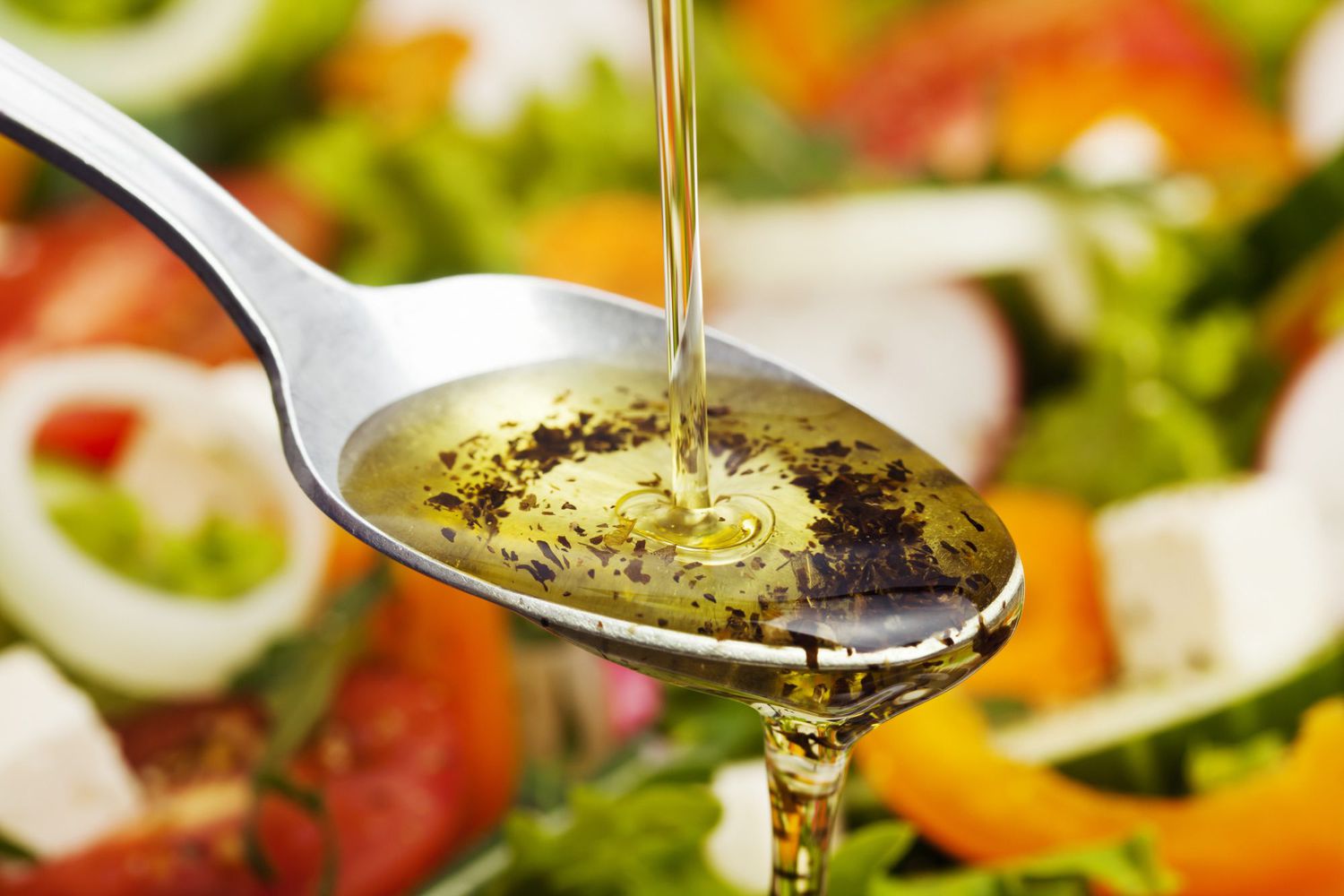
A well-made olive oil dressing recipe is one of the simplest ways to bring freshness, balance, and restaurant-quality flavor to everyday meals.
With the right blend of extra virgin olive oil, acid, herbs, seasoning, and a touch of natural sweetness, we can create a dressing that tastes bright, smooth, and beautifully balanced.
This homemade dressing works perfectly for green salads, pasta salads, grilled vegetables, roasted potatoes, grain bowls, chicken marinades, seafood dishes, sandwiches, and Mediterranean-inspired meals.
Ingredients You’ll Need for Olive Oil Dressing
To prepare a classic and flavorful olive oil dressing recipe, we need a few simple ingredients that work together to create balance.
Main Ingredients
- ½ cup extra virgin olive oil
- 3 tablespoons fresh lemon juice or vinegar
- 1 teaspoon Dijon mustard
- 1 small garlic clove, finely minced or grated
- 1 teaspoon honey or maple syrup
- ½ teaspoon sea salt
- ¼ teaspoon black pepper
- 1 teaspoon dried oregano or Italian seasoning
- 1 tablespoon finely chopped fresh parsley, basil, or dill
Optional Ingredients for More Flavor
- 1 tablespoon balsamic vinegar for a deeper, slightly sweet flavor
- ½ teaspoon red pepper flakes for mild heat
- 1 teaspoon grated lemon zest for a brighter citrus taste
- 1 tablespoon finely chopped shallot for a sharper, gourmet finish
- 2 tablespoons grated Parmesan cheese for a richer Italian-style dressing
- 1 tablespoon Greek yogurt for a creamy olive oil dressing
Best Olive Oil to Use for Dressing
The quality of the olive oil matters because it is the main ingredient. For the best result, we should use extra virgin olive oil because it has a richer aroma, smoother texture, and more natural flavor than regular olive oil. A good extra virgin olive oil should taste slightly fruity, lightly peppery, and fresh.
For salads and raw dressings, we should avoid oils that taste stale, overly bitter, or greasy. A mild olive oil works well for delicate salads, while a stronger peppery olive oil is excellent for bold Mediterranean dishes, roasted vegetables, and grilled meats.
Step-by-Step Guide to Make Olive Oil Dressing
Step 1: Gather Your Ingredients
To make a simple and flavorful olive oil dressing, we need extra virgin olive oil, fresh lemon juice or vinegar, Dijon mustard, honey, minced garlic, salt, black pepper, and dried herbs such as oregano or basil. Using quality olive oil gives the dressing a smooth, rich, and fresh taste.
Step 2: Mix the Acid and Seasoning
In a small bowl, add 2 tablespoons of lemon juice or vinegar, 1 teaspoon of Dijon mustard, 1 minced garlic clove, a pinch of salt, and black pepper. Whisk everything together first so the flavors blend properly before adding the oil.
Step 3: Slowly Add the Olive Oil
Pour in 6 tablespoons of extra virgin olive oil slowly while whisking continuously. This helps the dressing become slightly creamy and well combined instead of separating too quickly. We can also shake everything in a jar with a tight lid.
Step 4: Add Sweetness and Herbs
Add ½ teaspoon of honey for balance and sprinkle in dried oregano, basil, or parsley. Taste the dressing and adjust it by adding more lemon juice for sharpness, more honey for sweetness, or more salt for stronger flavor.
Step 5: Serve or Store Properly
Drizzle the olive oil dressing over fresh salads, grilled vegetables, pasta salads, or roasted potatoes. Serve immediately for the freshest taste, or store it in a sealed jar in the refrigerator for up to one week. Shake well before using.
Classic Olive Oil Dressing Ratio
The easiest way to remember a good dressing formula is:
3 parts olive oil to 1 part acid
This means we can use 3 tablespoons olive oil with 1 tablespoon lemon juice or vinegar for a small serving. For a larger batch, we can use ½ cup olive oil with about 3 tablespoons acid.
This ratio creates a balanced dressing that is rich but not greasy, tangy but not too sour. For a brighter and sharper dressing, we can increase the acid slightly. For a smoother and milder dressing, we can add more olive oil.
How to Use Olive Oil Dressing
This homemade dressing is extremely versatile. We can use it far beyond simple lettuce salads.
For Fresh Green Salads
Drizzle the dressing over romaine lettuce, spinach, arugula, cucumber, tomatoes, red onion, carrots, avocado, and bell peppers. Toss gently so every leaf is lightly coated without becoming soggy.
For Pasta Salad
This dressing works beautifully with cold pasta salad. We can mix it with cooked pasta, cherry tomatoes, olives, feta cheese, cucumber, grilled chicken, tuna, or roasted vegetables.
For Grilled Vegetables
Brush the dressing over zucchini, eggplant, mushrooms, peppers, asparagus, or onions before or after grilling. It adds shine, moisture, and fresh flavor.
For Chicken and Fish Marinade
Olive oil dressing can also work as a quick marinade. The olive oil keeps the protein moist, while lemon juice, garlic, and herbs add flavor. It is excellent for chicken breast, salmon, shrimp, turkey, and white fish.
For Grain Bowls
Add it to bowls made with rice, quinoa, couscous, chickpeas, lentils, roasted sweet potatoes, grilled vegetables, and leafy greens. It brings everything together with a clean Mediterranean taste.
Olive Oil Dressing Variations
Lemon Olive Oil Dressing
Use fresh lemon juice, lemon zest, garlic, parsley, salt, pepper, and extra virgin olive oil. This version is bright, clean, and perfect for seafood, chicken, and green salads.
Balsamic Olive Oil Dressing
Use balsamic vinegar, Dijon mustard, honey, garlic, black pepper, and olive oil. This version is slightly sweet, rich, and perfect for tomato salads, caprese salad, roasted vegetables, and grilled meats.
Italian Olive Oil Dressing
Use red wine vinegar, Italian seasoning, garlic, Parmesan cheese, Dijon mustard, and olive oil. This dressing is excellent for pasta salad, chopped salad, sandwiches, and antipasto bowls.
Creamy Olive Oil Dressing
Whisk in Greek yogurt, tahini, or a small amount of mayonnaise for a creamy version. This gives the dressing a thicker body while keeping the olive oil flavor fresh and smooth.
Spicy Olive Oil Dressing
Add red pepper flakes, cayenne pepper, or finely chopped chili for heat. This variation works well with grilled meats, roasted vegetables, tacos, and bold salads.
Tips for the Best Homemade Olive Oil Dressing
Use fresh lemon juice whenever possible because bottled lemon juice often tastes flat or bitter. Finely mince or grate the garlic so it blends smoothly into the dressing. Add the olive oil slowly when whisking for a better texture. Always taste before serving because salt, acid, and sweetness must be balanced.
If using dried herbs, allow the dressing to rest for at least 10 minutes before serving. This gives the herbs time to soften and release their flavor. If using fresh herbs, add them close to serving time for the brightest color and taste.
How to Store Olive Oil Dressing
Store the dressing in a clean glass jar with a tight lid. Keep it in the refrigerator for up to one week. Since olive oil can thicken or solidify when chilled, remove the jar from the fridge about 10 to 15 minutes before using. Shake well until the dressing becomes smooth again.
If the dressing contains fresh garlic, fresh herbs, yogurt, or cheese, it is best used within a few days for the freshest flavor.
Common Mistakes to Avoid
One common mistake is using too much oil without enough acid, which can make the dressing taste heavy. Another mistake is adding too much garlic, which can overpower the other ingredients. We should also avoid skipping salt because it helps bring all the flavors together.
Using low-quality olive oil can make the dressing taste bitter, dull, or greasy. Since this is a raw dressing, the olive oil flavor remains noticeable, so choosing a good one makes a clear difference.
Perfect Food Pairings for Olive Oil Dressing
This dressing pairs well with Greek salad, Caesar-style salad, grilled chicken salad, roasted vegetable bowls, tomato cucumber salad, tuna salad, chickpea salad, quinoa salad, and Mediterranean pasta salad. It also tastes excellent over sliced tomatoes with fresh basil and mozzarella.
For a quick side dish, we can toss it with boiled potatoes, steamed green beans, or roasted carrots. For a light lunch, we can drizzle it over avocado toast, grilled halloumi, or a simple grain bowl.
FAQs about Olive Oil Dressing Recipe
Step 1: What is an olive oil dressing made of?
An olive oil dressing is usually made with extra virgin olive oil, vinegar or lemon juice, salt, pepper, and simple seasonings. We can also add garlic, Dijon mustard, honey, herbs, or spices to create more flavor and balance.
Step 2: What type of olive oil is best for dressing?
The best choice is extra virgin olive oil because it has a rich taste, fresh aroma, and smooth texture. Since the oil is not cooked, its natural flavor stands out clearly in the dressing.
Step 3: How do we make olive oil dressing taste better?
We improve the taste by balancing fat, acid, sweetness, and seasoning. If it tastes too oily, add more vinegar or lemon juice. If it tastes too sharp, add a little honey or more olive oil.
Step 4: Can olive oil dressing be stored?
Yes, olive oil dressing can be stored in a clean jar in the refrigerator for about 5 to 7 days. Before using, we should shake it well because the oil and vinegar may separate naturally.
Step 5: What foods go well with olive oil dressing?
Olive oil dressing works well with green salads, grilled vegetables, pasta salads, roasted potatoes, chicken, fish, and grain bowls. It adds freshness, lightness, and a delicious Mediterranean-style flavor to many dishes.
Final Thoughts
A homemade olive oil dressing recipe gives us a fresh, flexible, and flavorful dressing that can improve almost any meal. With extra virgin olive oil, lemon juice or vinegar, Dijon mustard, garlic, herbs, salt, pepper, and a touch of honey, we can create a dressing that is bright, smooth, and deeply satisfying.
This dressing is quick enough for everyday meals but elegant enough for special dishes. Once we understand the simple balance of oil, acid, seasoning, and herbs, we can adjust the recipe to match any salad, protein, vegetable, or grain bowl. It is a kitchen essential that brings freshness, flavor, and natural richness to every plate.